REVIEW · SEOUL
Seoul: Gangnam Tour on Youth and Society in South Korea
Book on GetYourGuide →Operated by 서울놈 SeoulDude · Bookable on GetYourGuide
Gangnam looks perfect until it doesn’t. This Seoul walking tour turns the neon luxury scene into a clear guide to youth pressures, social rules, and the stress behind South Korea’s success. I especially like the storytelling approach from guides such as Jessica and Jun, and I love how the walk uses Gangnam’s ads and clinic signage as real-world clues to bigger cultural themes.
I like that you’re not just told facts—you’re guided through the neighborhood so the ideas stick: education intensity, beauty expectations, and the way pop culture reshapes everyday life. It ends along the Han River, so your brain has a place to reset after heavier topics come up.
One consideration: the tour doesn’t shy away from darker subjects like suicide rates and the emotional cost of living by strict standards, so keep that in mind if you prefer light, feel-good sightseeing.
In This Review
- Key points at a glance
- Gangnam Luxury Meets Youth Pressure in Real Time
- Meeting at Gangnam Station and How the 150 Minutes Feel
- The Big Theme: Economic Success, Pop Culture, and Old Rules
- Plastic Surgery Clinics and the Logic of Beauty Standards
- Education Pressure: When Parenting Becomes a Performance
- Dating, Marriage, and Social Rules You Can Feel in the Streets
- Why the Han River Ending Changes How You Process It
- Price and Logistics: What $33 Buys You in Seoul Time
- Is This Gangnam Youth and Society Tour Right for You?
- Should You Book It?
- FAQ
- Where do I meet the guide?
- How long is the tour?
- What does the tour cost?
- Is the tour in English?
- What should I bring?
- Is there any transportation included?
- Can I record audio during the tour?
- Is food included?
- Is it suitable for older adults or mobility issues?
Key points at a glance
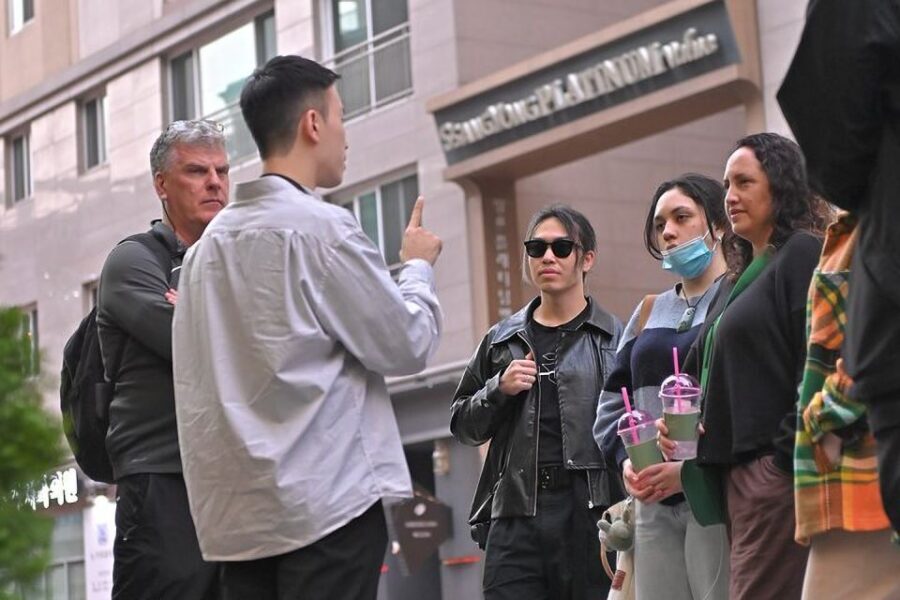
- Local historian guide: You get context, not just street-level spotting
- Gangnam luxury as a clue: Ads, brands, and clinic fronts connect to real social pressure
- Youth-and-society theme: Education, beauty standards, dating and family expectations
- Sobering topics, explained calmly: Suicide rates, low birth rate, and unhappiness themes
- Comfort touches built in: A portable hands-free fan in summer, hot packs in winter
Gangnam Luxury Meets Youth Pressure in Real Time
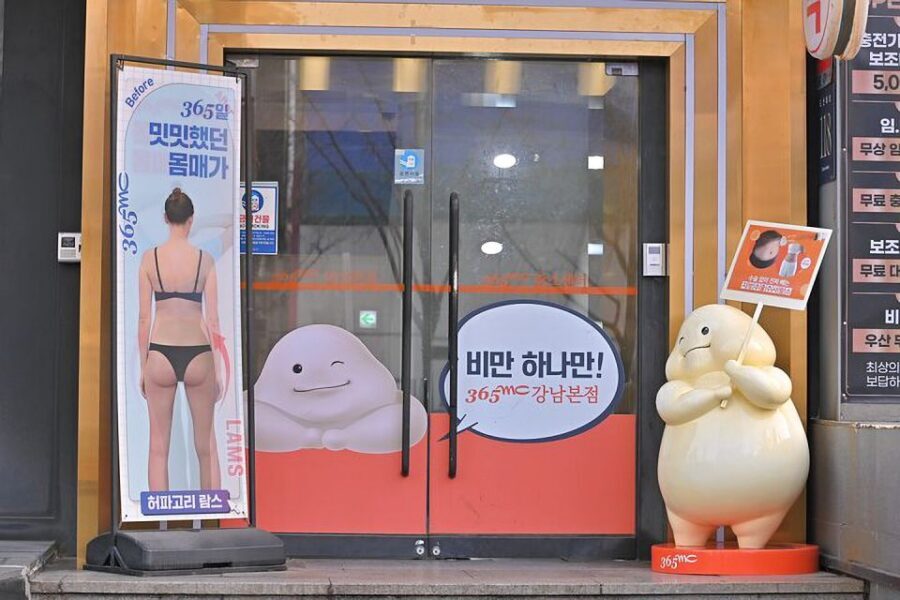
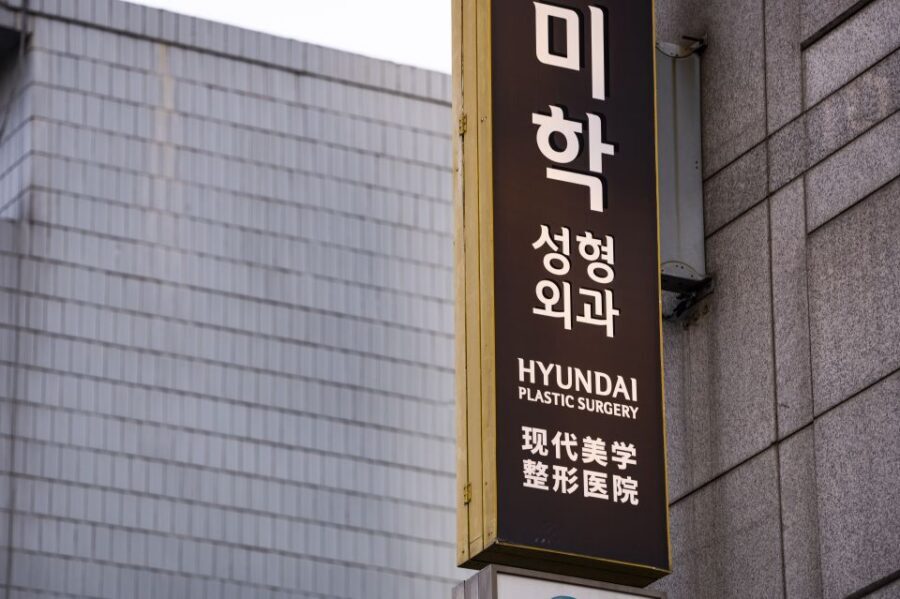
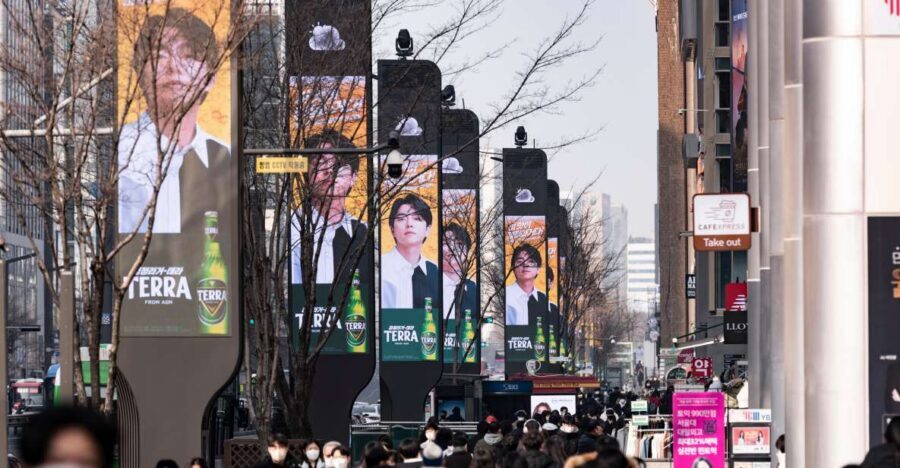
Gangnam is the place people point to when they talk about South Korea’s glow-up—money, style, and what looks like a next-level lifestyle. The tour uses that spotlight on purpose. You walk past high-rise scenery and the constant stream of beauty products, luxury brands, and even plastic surgery clinic advertising, and the guide helps you connect what you see to why so many people feel intense pressure.
This is where the experience becomes more than a neighborhood stroll. You start noticing patterns: how appearance is marketed everywhere, how success is framed as a must, and how social rules feel built into daily life. The point isn’t to shock you—it’s to help you read the city with better eyes.
Guides like Jessica are repeatedly praised for making complicated social issues easy to follow. Expect humor too, but the themes stay serious: education stress, beauty expectations, and the tension between traditional expectations and modern life.
You can also read our reviews of more tours and experiences in Seoul.



Meeting at Gangnam Station and How the 150 Minutes Feel
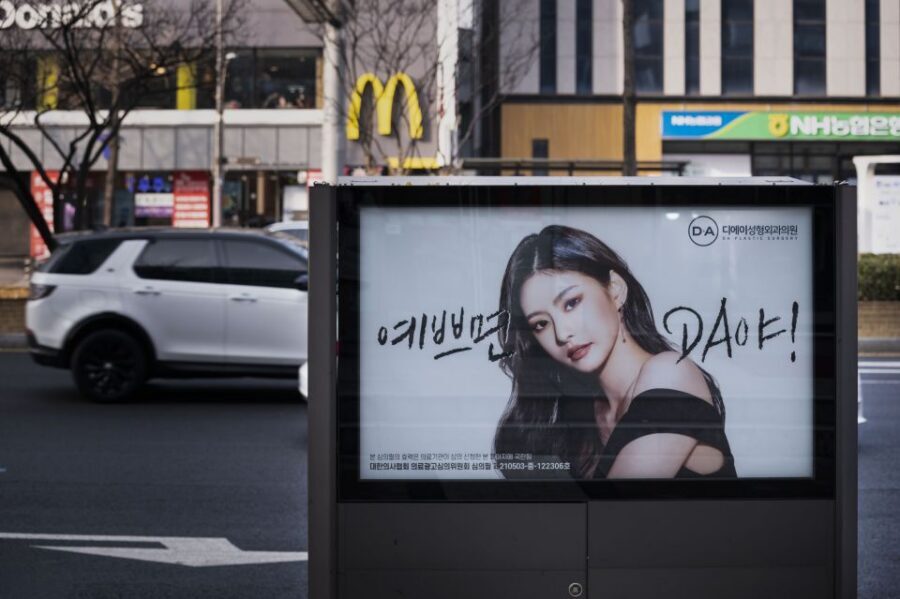
You meet your English-speaking guide at Gangnam Station, Exit 11. The duration is about 150 minutes, and the pacing is designed for a real walking tour rather than a fast “look and leave” experience. You’ll move through streets lined with tall buildings and signage that feels nonstop, then reach the finishing point by the Han River.
Comfort matters here. Included gear helps you cope with weather: a portable hands-free fan in summer, and hot packs in winter. That sounds small, but it changes the experience in Seoul, especially when the humidity or cold hits.
One practical note: it’s a walking tour, and you may encounter some steps while moving on and off transit. The tour also includes a seated moment (about 30 minutes) where you can ask questions and process what you’ve seen.
The Big Theme: Economic Success, Pop Culture, and Old Rules
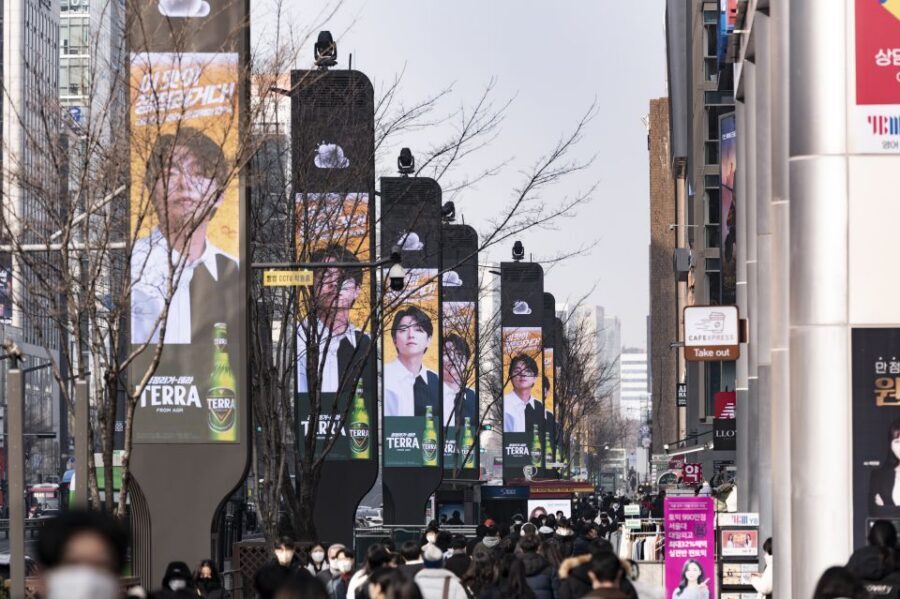
The tour’s core idea is simple: South Korea’s younger generation is navigating intense expectations shaped by the country’s economic achievements, its major rise in international pop culture, and long-standing social rules. That mix can create a feeling that you always need to improve—academically, professionally, socially, and physically.
As you walk, you’ll learn how these forces connect to real-life outcomes the guide treats as part of the same system: high suicide rates, a low birth rate, intense emphasis on education, and an obsession with beauty. It can feel heavy, but the value is that you get the “why,” not just the headline.
I like this structure because it gives you a framework for what you’ll otherwise see as random contrasts in Seoul. Luxury next to pressure. Fame next to anxiety. High productivity next to low birth rates. Once those pieces connect, the city makes more sense.
Plastic Surgery Clinics and the Logic of Beauty Standards
One of the strongest takeaways is how the tour links the plastic surgery boom to everyday beauty standards. In Gangnam, the signage makes it hard to ignore: beauty product storefronts, clinic advertising, and the constant idea that appearance is something you manage and optimize.
The tour doesn’t treat plastic surgery as a standalone trend. It frames it as part of a larger social system where appearance can affect confidence, social acceptance, and how people judge each other. When you see clinic branding and beauty promotions repeatedly, the message becomes clearer: beauty isn’t just personal—it’s social currency.
If you’re coming to Seoul because you like K-pop and K-dramas, this tour can add an important layer. You’ll still enjoy the entertainment side, but you’ll understand the pressure machine behind the polished images.
A balanced detail: the goal isn’t to tell you what to think. It’s to help you recognize how these standards are presented and why so many people chase them. That makes your own observations after the tour more grounded.
Education Pressure: When Parenting Becomes a Performance
Education is a major theme, and it’s not handled like a vague complaint. You learn how the intense emphasis on schooling creates strong pressure on both parents and children, and why that pressure can feel continuous rather than seasonal.
As you move through the neighborhood, the guide ties social values back to school and career expectations. You’ll hear how academic achievement becomes a route to stability and respect, and how that can shape family life and relationships.
This is one reason the tour resonates with people who are parents—or who are traveling with teens. You start seeing education not just as learning, but as a high-stakes identity. And once you understand that, you’ll spot how Korean society talks about success, ambition, and fairness in daily conversations and media.




Dating, Marriage, and Social Rules You Can Feel in the Streets
The tour also covers how traditional social rules and modern dating pressures collide. You’ll learn about expectations around pairing off and how social life can feel structured by what’s seen as “proper.” That can sound abstract until you connect it to the earlier themes: education pressure and beauty expectations are not isolated topics—they influence career choices, social status, and relationship expectations.
Guides often use real examples and storytelling to make these points easier to hold in your head. In the process, the tour helps you read the cultural logic behind why people pursue certain milestones and why those milestones matter so much.
One of the most useful outcomes is that your understanding becomes more layered. You don’t just leave with a list of facts. You leave with a sense of how different pressures reinforce each other—like a system where you’re always competing, improving, and trying to meet a standard.
Why the Han River Ending Changes How You Process It
The walking portion finishes at the Han River, and that matters more than it sounds. After a tour focused on pressure, ads, and heavy social topics, you need a visual break. The river gives you that chance to slow down and think.
You’ll also have a moment to ask questions in a seated chat segment. That format helps you connect the dots without feeling rushed. You can clarify misunderstandings, ask for context, or compare what you’re seeing in Seoul with your own home culture.
This is where the tour’s tone feels most balanced: while the themes are serious, the ending pushes you to understand why many people still live in Korea, and what keeps them there besides the pressure. That kind of perspective is rare on tours that only focus on the dark side.
Price and Logistics: What $33 Buys You in Seoul Time
At about $33 per person for 150 minutes, this is good value if you want more than standard sightseeing. You’re paying for three things that usually cost extra when booked separately: a local historian guide, an English-speaking explanation of Korean social systems, and a guided walking route through a neighborhood you’ll likely revisit on your own.
It also helps that practical comfort items are included (seasonal fan or hot packs), and the pacing includes a seated Q&A period. In other words, you’re not just paying for walking and talking—you’re paying for interpretation.
A small budgeting note: transportation fee is 2000 KRW and is not included. You’ll also want to bring cash since that’s listed as required.
Is This Gangnam Youth and Society Tour Right for You?
This tour is a great fit if you want to understand South Korea as more than entertainment and design. It’s especially useful for people who like cultural context: the “why” behind education stress, beauty pressure, and social expectations.
It may be less ideal if you want only light topics. Since it covers suicide rates, low birth rate, and the emotional cost of appearance pressure, go in prepared. Also, it’s not suitable for people over 70 and not suitable for people with mobility impairments, so if mobility is an issue, choose a different format.
Best targets:
- First-time Seoul visitors who want an orientation beyond the typical checklist
- People curious about how social systems shape youth life
- Anyone who has noticed how beauty marketing saturates Korean cities and wants the context behind it
Should You Book It?
Book this tour if you want Gangnam to make sense. You’ll come away with a clearer view of how education pressure, beauty standards, and social rules work together—and why the city’s luxury image can coexist with serious emotional strain.
Skip it if you prefer strictly upbeat sightseeing, or if you’re sensitive to topics around mental health and societal pressure. And if walking is hard for you, don’t force it—this experience is clearly built for mobility within a neighborhood.
If you’re the type who likes to connect what you see on the street to real-life culture, this one is worth your Seoul time.
FAQ
Where do I meet the guide?
Meet at Gangnam Station, Exit 11. The English address listed is 820-10, Yeoksam-dong, Gangnam-gu, Seoul, and the Korean address is 강남역 11번 출구.
How long is the tour?
The tour duration is 150 minutes.
What does the tour cost?
The price is listed as $33 per person.
Is the tour in English?
Yes, this is an English live tour with a guide.
What should I bring?
Bring cash.
Is there any transportation included?
No. A 2000 KRW transportation fee is listed as not included.
Can I record audio during the tour?
No. Audio recording is not allowed.
Is food included?
An optional Korean food session is listed as not included, so don’t count on food being part of the tour.
Is it suitable for older adults or mobility issues?
It is not suitable for people over 70 and not suitable for people with mobility impairments.