REVIEW · SEOUL
Seoul Film Camera Club
Book on GetYourGuide →Operated by Seoul Film Camera Club · Bookable on GetYourGuide
Film photos change how you see Seoul. In Hongdae, I like that this experience turns street wandering into hands-on photography, using a film camera with a local guide who knows the area. You’ll walk the famous Maze Road in Yeonnam-dong and get clear, practical pointers along the way, so the whole thing feels more like a photo lesson than a random photo walk.
Two big wins for me are the small group size (limited to 4) and the fact that you don’t have to worry about the frustrating end part. You press the button, and the club handles development and film scanning, then sends you a download link. The one thing to consider is that meals and drinks aren’t included, so plan on grabbing something before or after you meet at Exit 3 of Hongik University.
In This Review
- Key things that make this Hongdae film-camera trip worth it
- A film-camera photo walk in Hongdae, not a lecture
- Meeting at Exit 3 of Hongik University and getting your bearings fast
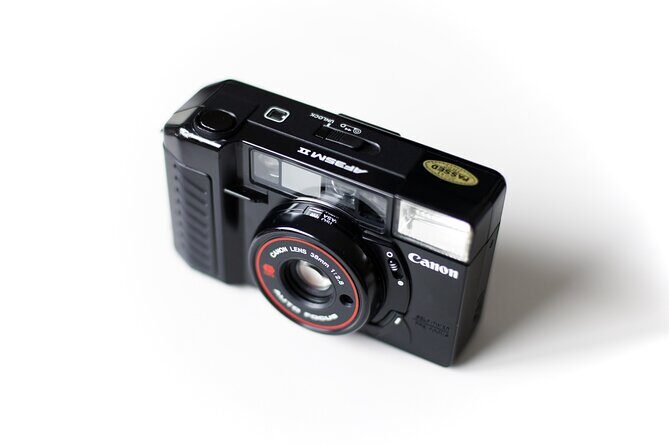
- The camera setup: automatic Canon + one roll of Kodak
- How the guide turns Hongdae into a photo lesson
- Maze Road and Hongdae Street: where the shots actually happen
- What the film limit does for your eye (and why you’ll keep thinking about it)
- Your results: development, scanning, and a download link
- Price and value: why $55 makes sense for film in Seoul
- Who this Hongdae film-camera experience fits best
- Should you book Seoul Film Camera Club?
- FAQ
- How long is the Seoul Film Camera Club film camera experience in Hongdae?
- Where is the meeting point?
- How much does the experience cost?
- What camera and film are included?
- Is film development and scanning included?
- Will I receive my photos digitally?
- Is the tour guide available in English?
- What is the group size?
- Are meals or drinks included?
- Is there free cancellation?
Key things that make this Hongdae film-camera trip worth it
- Shoot with a provided automatic Canon camera so you’re not learning gear at the worst moment
- Use Kodak film (36 shots) and experience the limits that actually improve your framing
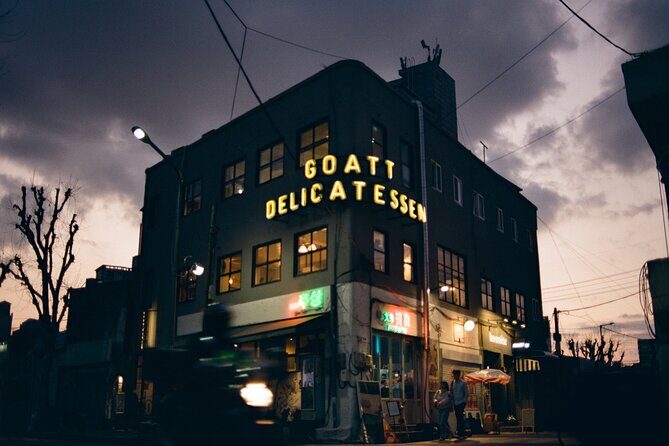
- Maze Road in Yeonnam-dong gives you narrow streets and great photo angles
- Film development and scanning are included, so you get results without extra planning
- English live guide and a small group create a more personal pace
- Local neighborhood context helps you photograph with meaning, not just for aesthetics
A film-camera photo walk in Hongdae, not a lecture
Hongdae is Seoul’s loud cousin: creative energy, indie storefronts, and side streets that feel made for wandering. What makes this experience interesting is that you’re not just walking around and hoping for a good shot. You’re shooting on film, which forces you to slow down and choose what matters. With only 36 exposures on your Kodak roll, every click feels intentional.
I also like how the tour is structured around real photo moments rather than a list of landmarks. The guide walks with you through the area, pointing out what to look for and how to work the camera for the scene in front of you. That’s a big deal if you’re new to film or photography in general.
One more reason I’d recommend this kind of outing: it gives you a different souvenir than the usual postcard view. You end the experience with a set of scanned images from your own roll, which turns Hongdae into something personal you can revisit later.
You can also read our reviews of more tours and experiences in Seoul.
Meeting at Exit 3 of Hongik University and getting your bearings fast
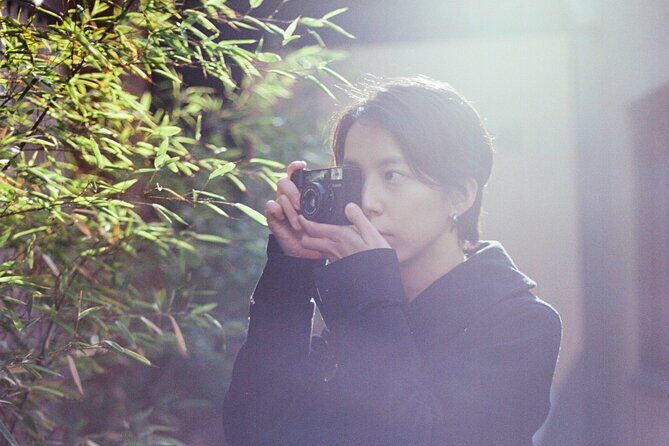
You meet at Exit 3 of Hongik University Subway Station. That matters because Hongdae can be confusing the first time you’re in the area, and starting near a major subway exit reduces stress. The tour duration is 3 hours, so you don’t want to burn time hunting for the group.
There’s also a practical detail in the plan: the tour starts and ends at the same general meeting area (listed as 183). In plain terms, you’re not getting dropped across town. You’ll return to the same spot at the end, which makes it easy to continue your day in Hongdae for food, cafes, or more photos.
Because meals and drinks aren’t included, I suggest you treat this as a focused block of time. Eat beforehand, or plan to snack after. If you arrive hungry, you’ll feel it more, since the camera encourages you to keep moving and watching for shots.
The camera setup: automatic Canon + one roll of Kodak
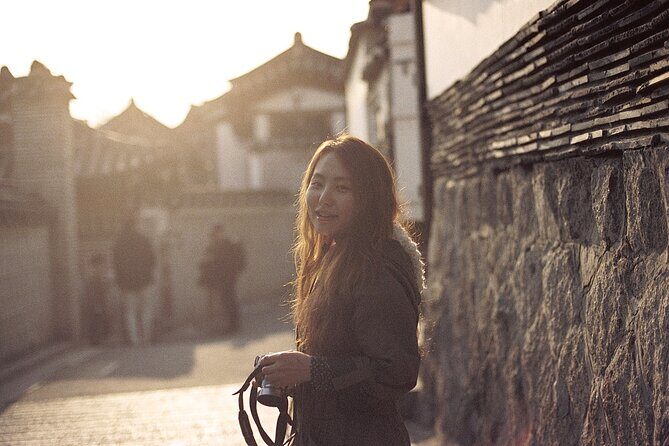
This experience includes an automatic Canon film camera plus 1 roll of Kodak film (36 shots). That combination is smart for beginners. The automatic setup lowers the technical barrier, so you can concentrate on composition, light, and deciding what deserves a frame.
Film also changes your mindset. Digital photography invites “spray and pray.” Film makes you pause. You’ll naturally start thinking: What’s the subject? Where’s the light? How do I include the surrounding texture without clutter? That’s the kind of skill you can carry into any future photography, even if you switch back to your phone later.
You also get clear instruction on how the film camera works. In the experience, the guide explains the basics in a way that’s easy to follow, especially if you’ve never loaded or shot film before. You’re not left figuring it out alone, and that removes a lot of the anxiety that can come with a hands-on photography activity.
How the guide turns Hongdae into a photo lesson
A major reason people love this trip is the guide. Kinam is specifically praised for being patient and for explaining photography in a straightforward way, including basics that help you understand what you’re doing. That matters because shooting film isn’t only about pressing a button. You need to know what the camera is doing and how that affects your results.
During the walk, the guide is also working at two levels:
- Real-time coaching while you’re composing shots
- Neighborhood context so the streets feel less random
In practice, that means you’re learning to spot photo opportunities and also learning why the area has the vibe it does. One standout theme from participant experiences is how the tour connects neighborhood details to the actual photos you’re taking, making the whole walk feel like a cultural and photographic experience at the same time.
Another helpful piece: you’ll often get recommendations for where to eat in the Hongdae area. That turns the guide into more than a camera teacher. After the tour, you already know a few solid spots to try, which is a practical win in a neighborhood packed with choices.
Maze Road and Hongdae Street: where the shots actually happen
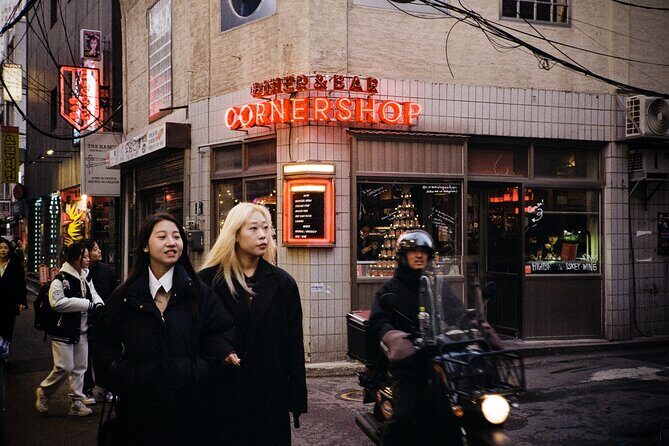
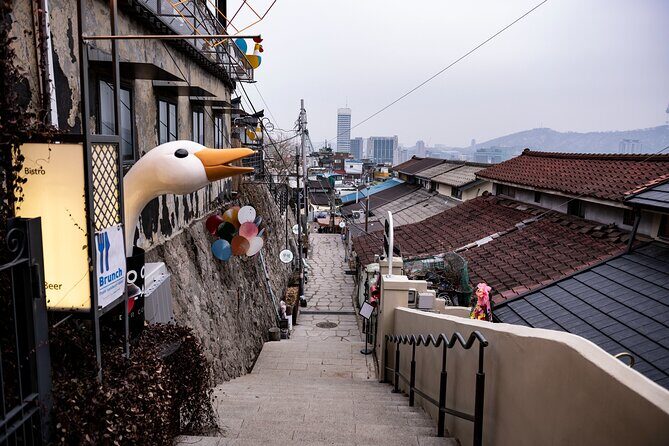
The walking plan centers on Hongdae Street and the famous Maze Road in Yeonnam-dong. This is where the experience earns its value, because these streets are visually active. Think narrow lanes, small-scale scenes, and street-level details that don’t show up the same way in wider, more touristy views.
Here’s what you can expect on the ground:
- You pause at photo spots and get guidance on what to frame
- You keep moving through side streets to find new angles
- You shoot film while hearing explanations about the neighborhood
The “maze” quality matters. Maze Road isn’t about one perfect view. It’s about variety. You’ll likely find more than one mood along the same stretch—tight alleys, small facades, and everyday scenes that feel like they belong in a movie.
Potential drawback: because the tour is 3 hours and film takes time, you may feel a bit rushed if you’re expecting long stops at every location. The pace is designed to get you enough variety on a single roll of film, not to turn the day into a slow, all-day wandering project. If you’re the type who loves to linger for 45 minutes per spot, you might want to plan extra solo time before or after.



What the film limit does for your eye (and why you’ll keep thinking about it)
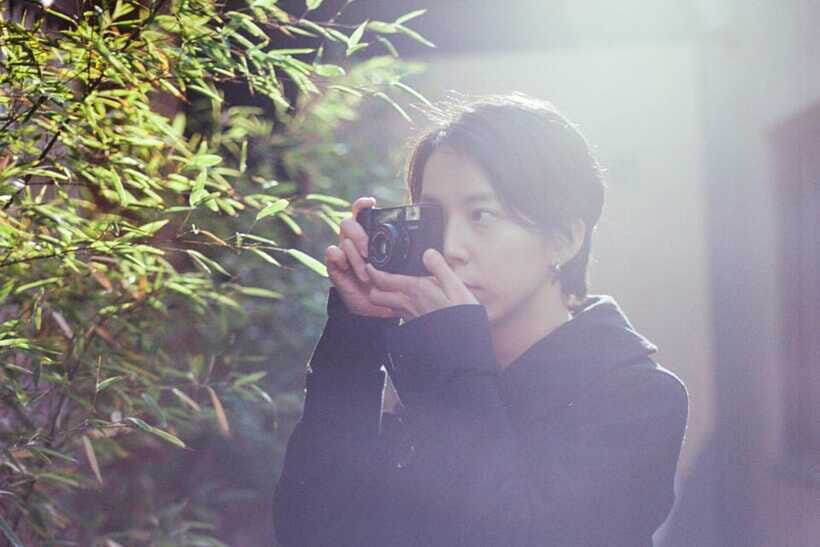
One of the best parts of a film shoot is the discipline it brings. With 36 exposures, you’ll naturally start choosing. That choice-making is where your photography gets better.
I’d frame it like this: film doesn’t just produce images. It trains your attention. You’ll start noticing the difference between:
- a good background and a distracting background
- a subject that’s clear versus one that’s just noise
- light that flatters faces versus light that blows out details
And because the camera is provided and automatic, you can focus on learning the eye part, not the button-and-setting part. That’s an underrated form of value for beginners. You get the creativity with less technical stress.
If you’re coming to Seoul for street life and you want a keepsake that captures a specific feeling, the film approach does exactly that. You’ll leave Hongdae not only with photos, but with a way of seeing that’s harder to get from a standard walking tour.
Your results: development, scanning, and a download link
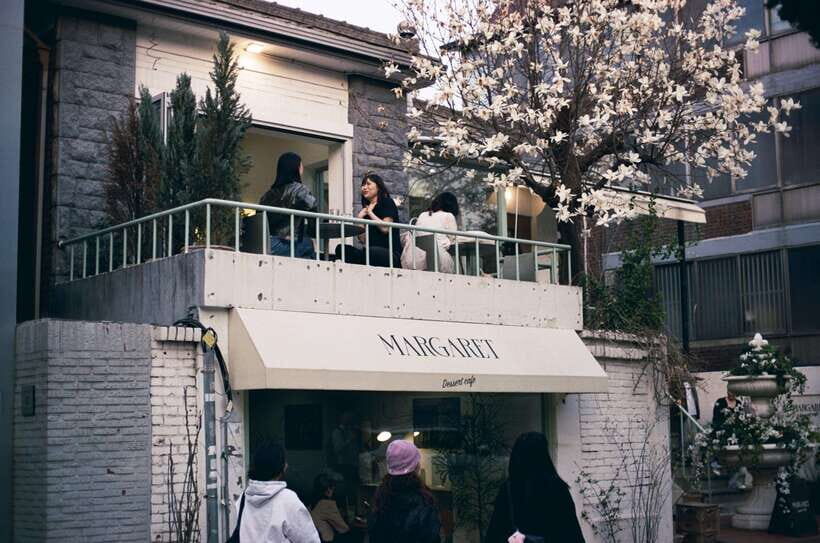
This is the part most people worry about with film experiences, and it’s handled for you. After the photo walk, the film is developed and scanned, and you receive a download link to access your images.
That included processing is a major quality-of-life feature. Without it, you’d have to find a lab, manage timing, and deal with the uncertainty of turnaround. Here, the club takes responsibility for the end-to-end workflow, so your only job is shooting the roll.
Also, scanned images are more shareable than physical prints. You can send the best frames to friends, keep them in a travel album, or print a few later without needing special equipment.
What to consider: since it’s one roll, you’ll probably want to be thoughtful with your exposures. If you shoot too randomly, you’ll run out before you find the stronger scenes. Still, that’s part of the learning curve, and you’ll get guidance to help you pick your moments.
Price and value: why $55 makes sense for film in Seoul

At $55 per person for a 3-hour experience, the real value is what’s included, not just the walking part. You receive:
- an automatic Canon film camera
- Kodak film (36 shots)
- film development and scanning
- an English live guide
- a small group limited to 4
If you tried to recreate this on your own, you’d still need to cover camera access (or borrow/rent), buy film, and pay for processing and scanning. Film processing alone can eat up a budget fast, and beginners often underestimate how much time it takes to coordinate everything.
So the price isn’t only about convenience. It’s about risk reduction. You’re paying to avoid the common beginner headaches—wrong setup, wasted film, and the post-shoot uncertainty. When the goal is to make a memorable photo keepsake, that’s exactly what you want.
Who this Hongdae film-camera experience fits best
This trip is especially good if you:
- are new to film photography and want patience and structure
- want a guided walk that still feels like exploring, not being herded
- like street neighborhoods and want a “shot list” guided by a local eye
- want a more personal souvenir than a standard photo from your phone
It also works well if you want something relaxing. The tone of the guide experience is described as calm and supportive, with clear explanations and a friendly pace. You’re likely to end the tour feeling like you learned something, not like you just participated in an activity.
Should you book Seoul Film Camera Club?
If your idea of a great Seoul day includes Hongdae street scenes and you’d enjoy seeing how film changes your choices, I’d say this is a strong booking. The combination of a provided automatic camera, Kodak film, and included development/scanning makes it a low-stress way to try film in one of Seoul’s most photogenic areas.
Book it if you want:
- hands-on guidance with film
- a small group experience with an English guide
- a real keepsake delivered as scanned images
Skip it if you hate walking for a fixed 3-hour block or you’re only interested in modern digital photo results. Film takes commitment, and this format is built around that.
If you’re on the fence, consider this simple test: would you enjoy learning to slow down and choose your shots? If yes, this is an excellent fit.
FAQ
How long is the Seoul Film Camera Club film camera experience in Hongdae?
It lasts 3 hours.
Where is the meeting point?
You meet at Exit 3 of Hongik University subway station.
How much does the experience cost?
It costs $55 per person.
What camera and film are included?
You get an automatic Canon film camera and 1 roll of Kodak film with 36 shots.
Is film development and scanning included?
Yes. Film development and scanning are included.
Will I receive my photos digitally?
Yes. You will be sent a download link after the film is scanned.
Is the tour guide available in English?
Yes, the live tour guide speaks English.
What is the group size?
It is a small group limited to 4 participants.
Are meals or drinks included?
No, meals and drinks are not included.
Is there free cancellation?
Yes, you can cancel up to 24 hours in advance for a full refund.