REVIEW · SEOUL
Seoul: DMZ Tour with Optional Suspension Bridge and Gondola
Book on GetYourGuide →Operated by VIP Travel · Bookable on GetYourGuide
The DMZ turns headlines into real places. This guided day trip from Gyeonggi Province brings you to Imjingak and the Dora Observatory, then gives you options like a gondola or suspension bridges depending on your day and mood. You’ll move at a solid clip, but the places are the point.
I especially like the licensed, English-speaking guides who turn confusing border facts into clear stories, with names like Alex, Ray, Kelly, and Moon popping up again and again for strong pacing and easy explanations. I also love the value: for around $33 you’re getting round-trip transport, entry tickets, and (if you choose them) add-on views like the Peace Gondola or the suspension bridges.
One possible drawback: the day can feel time-tight at each stop, and schedules can shift due to military or weather issues. The tour also notes there are no refunds if the schedule changes, so keep your plans flexible.
In This Review
- Key things you’ll care about before you go
- Entering the DMZ Zone Where Stories Feel Physical
- Imjingak Park and the Freedom Bridge: Your Emotional Setup
- The 3rd Infiltration Tunnel and DMZ Exhibition Stops: Where Planning Meets Reality
- Dora Observatory: The Classic Viewpoint (and How to Read It)
- Unification Village: A Brief Glimpse of What Comes After the Border
- The Add-On Choices: Gondola vs Majang Lake Bridge vs Gamaksan Red Bridge
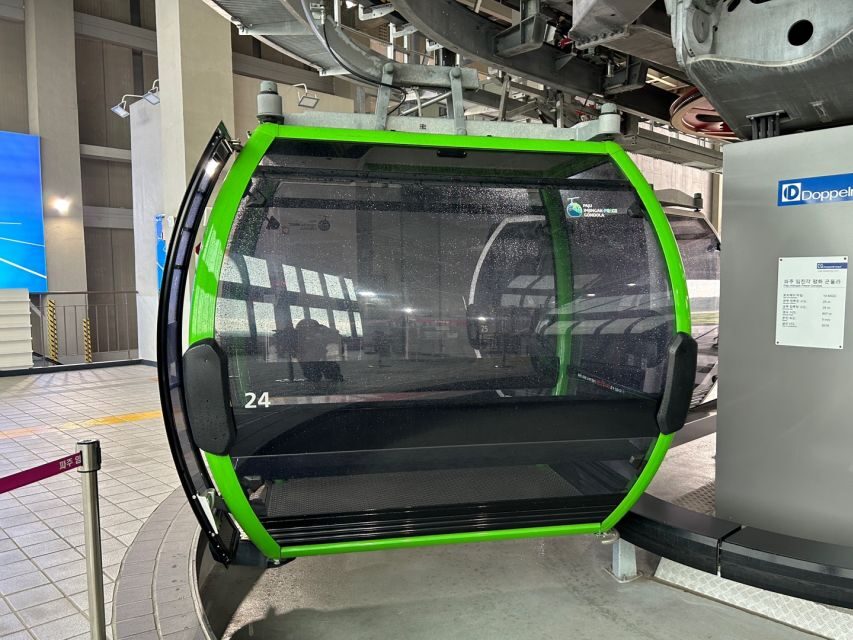
- Peace Gondola (above the civilian control line)
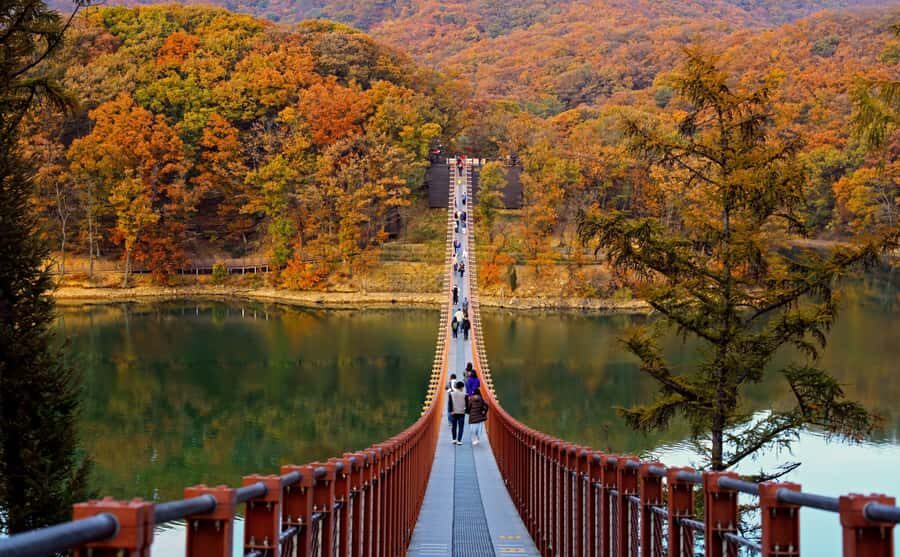
- Majang Lake Suspension Bridge (long walk, calm setting)
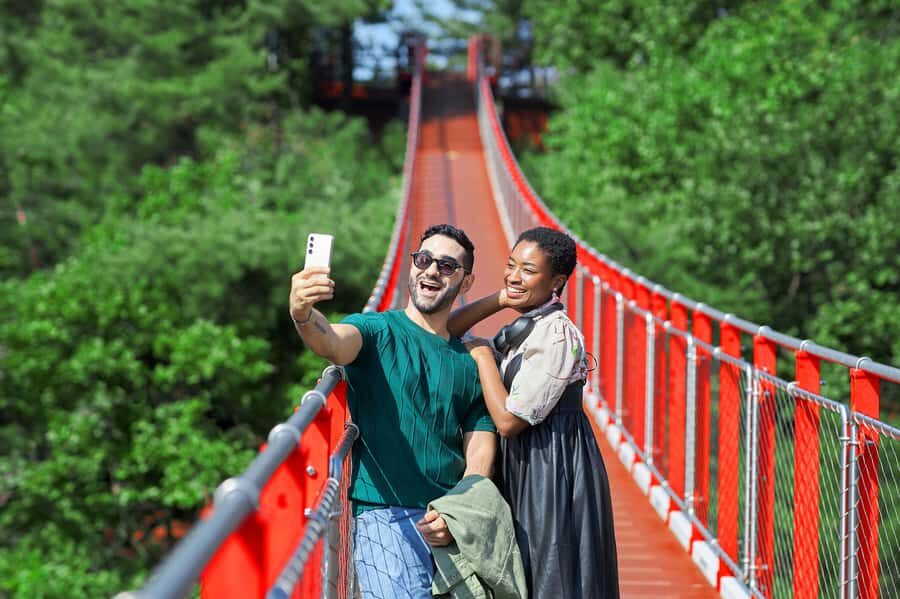
- Gamaksan Red Suspension Bridge (the long red bridge in the mountains)
- Monday-Only DMZ View Option: Starbucks Observatory Without Military Sites
- Timing, Transport, and What to Bring So It Doesn’t Feel Chaotic
- Who This DMZ Tour Suits Best (and Who Might Be Better Off Elsewhere)
- Should You Book This DMZ Tour?
- FAQ
- How long is the DMZ tour?
- How much does it cost?
- Is there an English-speaking guide?
- Do I need to bring a passport?
- Is food included?
- Are hotel pickup and drop-off included?
- What add-ons are available?
- If I choose the Red Suspension Bridge, do I need a specific time?
- Can the schedule change due to weather or military issues?
Key things you’ll care about before you go
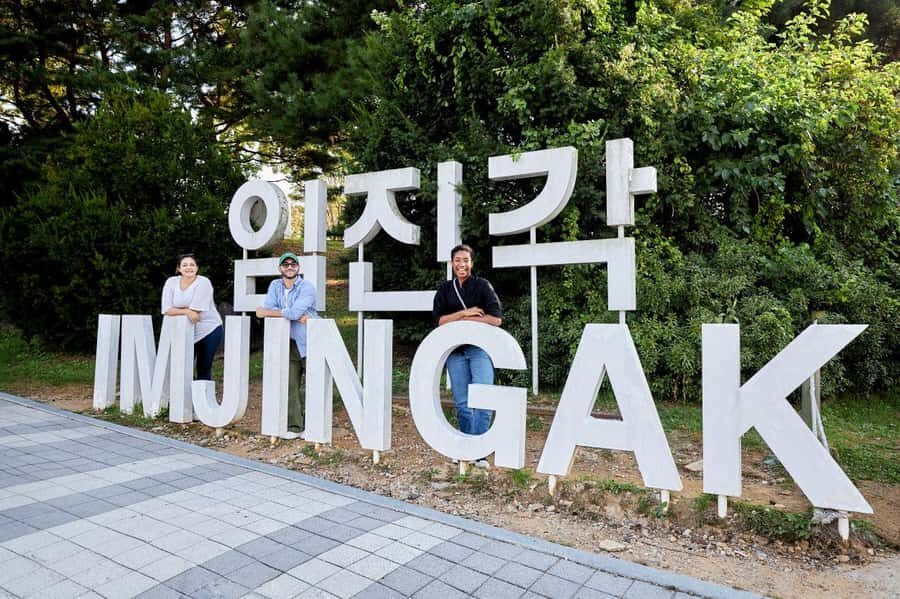
- Imjingak Park + Bridge of Freedom: the emotional warm-up with memorials and the symbolic crossing.
- 3rd Infiltration Tunnel: a rare, hands-on look at how the border was fought and planned.
- Dora Observatory: the classic viewpoint for rare border-area views.
- Peace Gondola: an aerial ride over the civilian control line for a different perspective.
- Majang Lake or Gamaksan Red Suspension Bridge: long bridges plus valley views, if you pick an add-on.
- Monday-only Starbucks observatory option: panoramic views from a cafe setting, skipping military sites.
Entering the DMZ Zone Where Stories Feel Physical
A DMZ trip from Seoul isn’t really about ticking boxes. It’s about seeing the Korean Peninsula’s division in places your brain can’t “scroll past.” From your coach ride to the guided stops, the whole day is built to make the border feel tangible, not abstract.
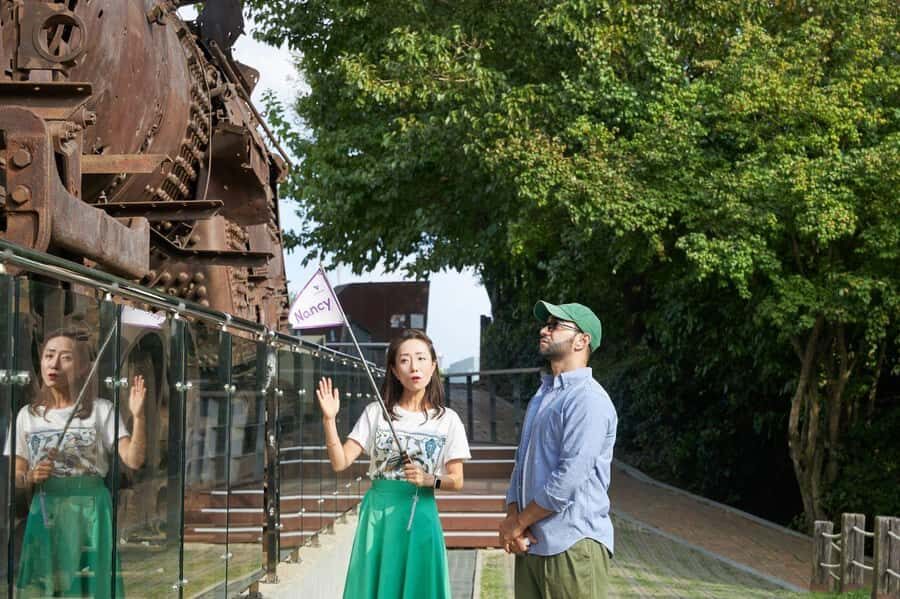
The guide quality is a big part of why this works. When your group has Alex, Ray, Kelly, or Jenny leading the way, you get clear explanations and a steady rhythm—enough humor to keep it human, but not so much that the subject gets watered down. That matters, because the DMZ theme can get heavy fast, and you’ll want your guide to keep facts organized.
At around 5 to 9 hours, this is also a “main day” outing. If you’re the type who wants a calm, slow itinerary where you can linger without thinking about the clock, you may feel a little rushed. But if you want one full, efficient day with strong logistics, this format is hard to beat.
You can also read our reviews of more tours and experiences in Seoul.
Imjingak Park and the Freedom Bridge: Your Emotional Setup
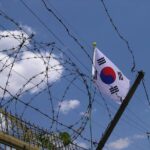
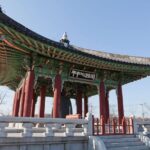
Most DMZ tours start with Imjingak Park, and that’s a smart choice. It gives you a grounding point before you head into more specific border infrastructure. You’ll see war memorials and symbolic elements connected to the Korean War and the idea of hope—an atmosphere that frames everything you’ll see later.
Then comes the Bridge of Freedom. This is the kind of stop where you’ll feel the meaning more than the mechanics. You’re walking in a place that’s loaded with history and symbolism, not just scenery. The guide will connect what you’re seeing to what the border means for ordinary lives—families separated, communities shaped by distance, and a ceasefire that never turned into “normal.”
Time-wise, you’re typically not there for a long hangout, so I’d treat this like a moment to look carefully and listen well. Take photos if you want, sure. But also watch how the guide explains the symbolism, because that’s what makes it stick once you’re back in Seoul.
The 3rd Infiltration Tunnel and DMZ Exhibition Stops: Where Planning Meets Reality
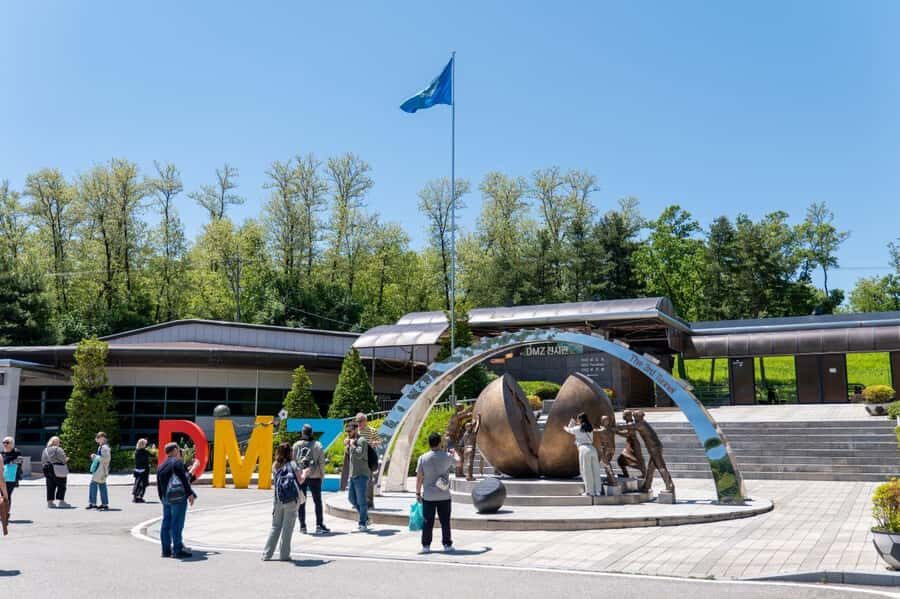
Next you’ll head into one of the most striking parts of the day: the 3rd Infiltration Tunnel (sometimes described as the Tunnel of Aggression). Even if you’ve read about tunnels before, seeing one on-site hits differently. You’re dealing with space that was designed for movement, secrecy, and surprise.
Your guide’s job here is crucial: they help you understand what you’re looking at without turning it into a confusing maze of details. The timing gives you a guided walk and time to process what the tunnel suggests about military planning on both sides.
You’ll also have time built in for the DMZ Theater and Exhibition Hall, which helps connect the tunnel to the broader story. I like exhibition stops because they answer the “wait, what am I supposed to think?” question. They put the big moments into a timeline so you don’t leave with only one intense image.
One practical note: this part of the day can feel mentally tiring. If you’re the kind of traveler who needs constant movement, you might not slow down enough to absorb it. Try to alternate: listen for a bit, then stand still for a minute and look. It makes the experience feel deeper without adding time to the schedule.
Dora Observatory: The Classic Viewpoint (and How to Read It)
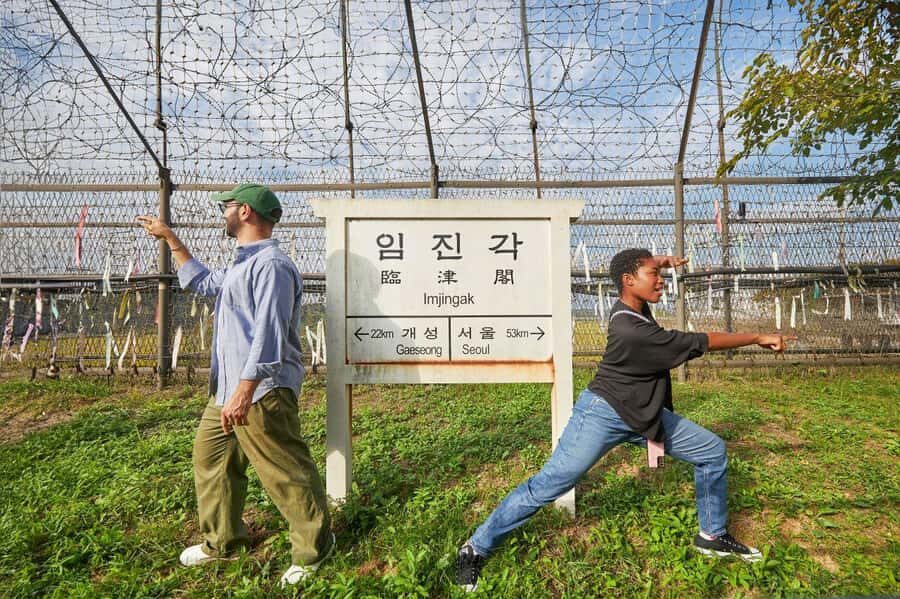
After the tunnel, the day shifts to one of the most famous stops: the Dora Observatory. This is where you’ll get the rare border-area views people come for.
The value here isn’t just the view. It’s learning how to interpret what you’re seeing. A good guide will point out why this location matters and what you can and can’t expect from the vantage point. Even if conditions limit what you can see clearly, the explanations still help you understand the geography and the border line’s reality.
You’ll usually spend about an hour here, which is enough for the viewing plus guided context. Use that time smartly: take your photos early if you’re worried about crowds or time, then stay a little longer for the explanations and any Q&A.
If you’re worried about seeing “enough,” focus on the guide’s framing. With the right talk track, Dora becomes less about chasing perfect visibility and more about understanding what the border looks like from a human-made observation point.
Unification Village: A Brief Glimpse of What Comes After the Border
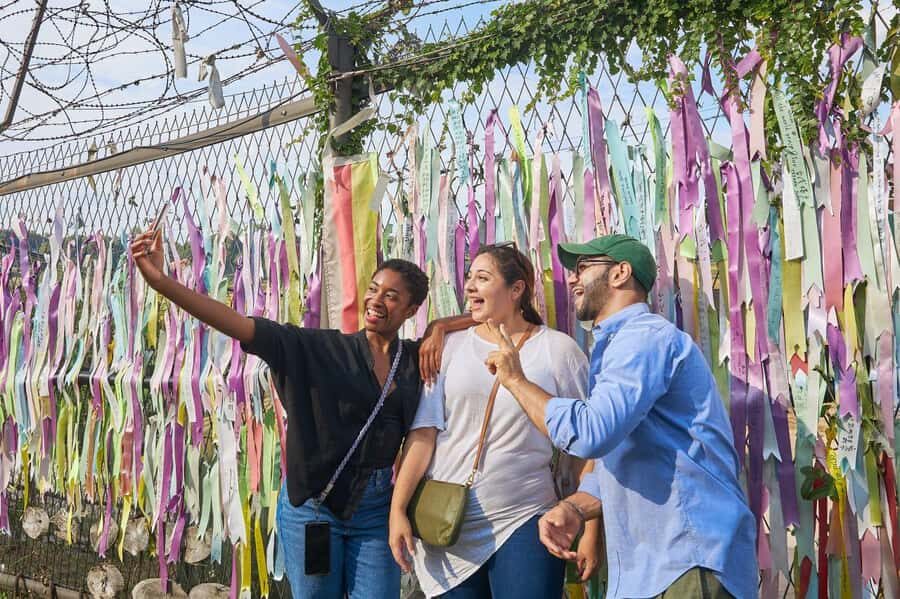
Near the end, your route typically includes Unification Village, where you’ll have time to see what a community near the border looks like.
This stop can land in different ways depending on what you want from the day. If you’re hoping for dramatic visuals, it may feel quieter than the tunnel. If you’re more interested in how the border affects daily life, it’s a meaningful counterpoint.
The guide’s storytelling helps you see the contrast. You go from engineered military infrastructure and observation posts to a place that suggests how people try to live alongside political reality. It’s not a “solution” to the division. It’s a snapshot of what “near the border” means in lived terms.
Time is limited here (often around half an hour), so use it for perspective. Walk, look, ask a question if you have one, and don’t treat it as filler. In my opinion, it’s one of the best places to end the day because it turns the experience away from machinery and back toward people.


The Add-On Choices: Gondola vs Majang Lake Bridge vs Gamaksan Red Bridge
This tour really comes alive when you choose an add-on, because you’re adding a second lens: aerial views or long-bridge scenery layered onto the border story.
Peace Gondola (above the civilian control line)
If you select the Peace Gondola, you’ll get a ride that takes you above the civilian control line. That aerial perspective changes the feel of the border area. Instead of only looking outward from a fixed point, you see the setting from a moving vantage.
The gondola option can be a good pick if you’re a visual person who likes variety in how you experience a place. It’s also a nice break from purely ground-based stops.
Majang Lake Suspension Bridge (long walk, calm setting)
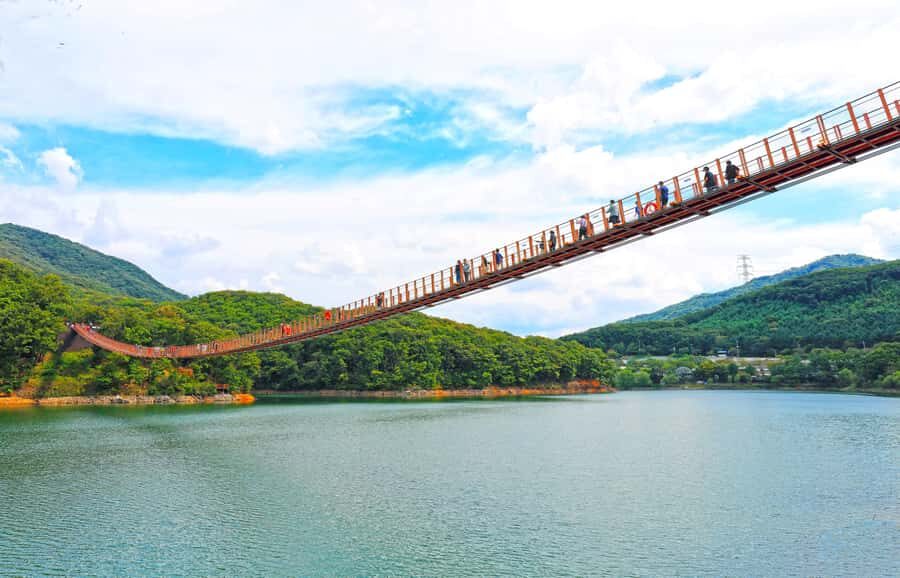
If you add Majang Lake Suspension Bridge, you’ll mix history with a calmer nature moment. This is a walk across one of Korea’s longest suspension bridges, with forest and lake scenery around you.
This option tends to work well when you don’t want the day to feel only heavy. You still get DMZ context, but your body also gets a scenic stretch—useful after hours of standing and listening.
Gamaksan Red Suspension Bridge (the long red bridge in the mountains)
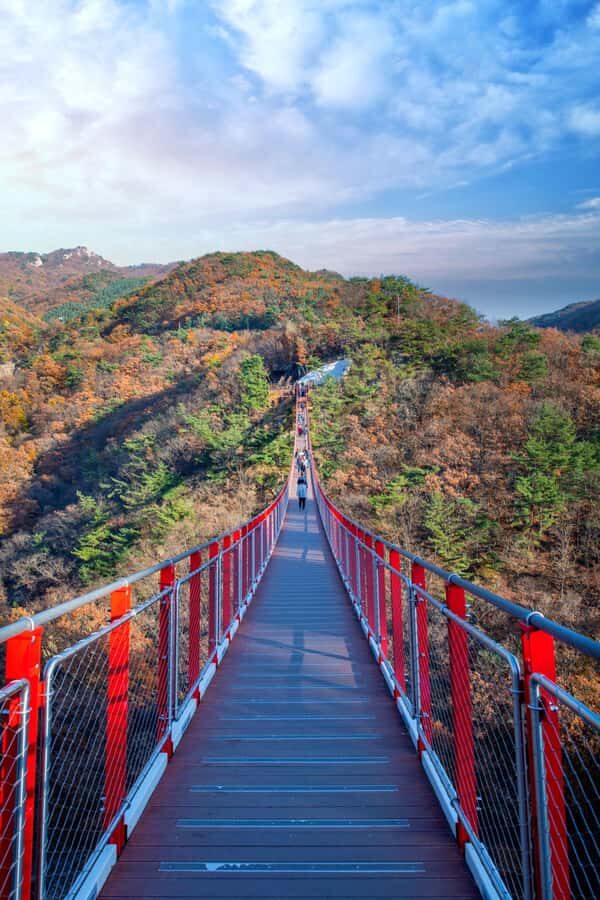
The Gamaksan Red Suspension Bridge adds more drama. It’s described as Korea’s longest red suspension bridge and spans about 220 meters in a forested mountain valley area.
Important practical detail: if you choose the Red Suspension Bridge option, the tour notes that only a 07:00am time tour is available. So this is the choice for early birds, or for people who want the photographic morning light and don’t mind starting the day before Seoul wakes up.
Monday-Only DMZ View Option: Starbucks Observatory Without Military Sites
One of the most interesting variants is the Monday-only itinerary that skips military sites. Instead of focusing on the more militarized components, it leans into panoramic viewing.
You’ll visit Aegibong Ecopark and Jogang Observatory, then end with time at the closest Starbucks to North Korea for direct views across the border. That cafe detail sounds strange on paper, but in practice it’s a moment that can make the whole political reality feel oddly ordinary. Same border, different setting.
This option is a good fit if you’re more interested in the view and atmosphere than the heavy military infrastructure. It’s also a strong choice if you’d rather not spend the day in facilities tied directly to conflict engineering. You still get the border perspective; it just comes with a different emotional pacing.
Timing, Transport, and What to Bring So It Doesn’t Feel Chaotic
You’ll ride in an air-conditioned coach with round-trip transportation. The schedule typically includes about an hour on the bus each way, plus guided time at each stop—Imjingak Park and tunnel time are the longer chunks, while Freedom Bridge and Unification Village are shorter.
Because the day is packed, food logistics matter. Tickets don’t include meals. You can bring your own food, or buy food in the DMZ during free time. I’d bring snacks anyway. Not a feast. Just enough to keep your energy from turning into a grumpy distraction. When you’ve got a group and a guide, hunger makes it hard to listen.
As for clothing, there’s no special dress code. Still, bring layers if you run cold, because you might be outside waiting for turns or photo moments.
And yes: bring your passport. The info also notes Passport or ID card, so have what your booking requires. For a DMZ day, missing the document isn’t a small problem—it ends the fun fast.
Who This DMZ Tour Suits Best (and Who Might Be Better Off Elsewhere)
This is a strong choice if you:
- Want a single guided day that covers major DMZ highlights without you piecing together logistics.
- Like your history explained in clear, story-driven form.
- Want optional add-ons that add either aerial views (gondola) or walking scenic stretches (Majang Lake and Gamaksan bridges).
- Appreciate a tight itinerary more than a slow one.
You might hesitate if you:
- Really hate schedule pressure. Time at each stop is limited.
- Need a lot of personal freedom. This is a guided, structured experience.
- Can’t handle schedule disruptions. The tour notes the itinerary can change due to military issues or weather problems, and refunds aren’t available for those changes.
Should You Book This DMZ Tour?
If you want a DMZ day that’s organized, guide-led, and built around the big stops—Imjingak, Freedom Bridge, the 3rd Tunnel, and Dora Observatory—I’d book it. The price-to-inclusions ratio is strong because you’re paying for transportation, entry, and professional guidance, not just viewpoints.
I’d also choose it if you like options. Pick the Peace Gondola for a different perspective, the Majang Lake bridge for a calmer nature break, or the Gamaksan Red bridge if you’re ready for the early 07:00am commitment and want a dramatic mountain setting.
One last decision tip: match the add-on to your energy level. If you’re mentally ready for heavy history all day, go tunnel-and-views. If you want a steadier emotional rhythm, the Monday Starbucks observatory option (no military sites) can be the gentler on-ramp.
Overall, this is a practical way to see the DMZ with context—and with guides like Alex, Ray, Kelly, Nancy, and Moon often noted for turning a tough subject into something you can actually understand.
FAQ
How long is the DMZ tour?
The duration is typically 5 to 9 hours, depending on the option you book and the starting time.
How much does it cost?
The price listed is $33 per person. Check availability to see starting times for the specific option.
Is there an English-speaking guide?
Yes. The tour includes a live English guide.
Do I need to bring a passport?
The tour information says to bring a passport, and it also notes passport or ID card. Use what your booking requires.
Is food included?
No. Food isn’t included. You can bring your own food or buy some food in the DMZ during free time.
Are hotel pickup and drop-off included?
Pickup is optional. Hotel pickup and drop-off are included if you choose a private group option.
What add-ons are available?
You can add the Peace Gondola, Majang Lake Suspension Bridge, or the Mt. Gamak Red Suspension Bridge, depending on the option selected.
If I choose the Red Suspension Bridge, do I need a specific time?
Yes. The information notes that for the Red Suspension Bridge option, only a 07:00am time tour is available.
Can the schedule change due to weather or military issues?
Yes. The tour schedule can change due to military issues or weather problems, and refunds aren’t available for those changes.