REVIEW · SEOUL
Seoul DMZ Tour with 3rd Tunnel and Red Suspension Bridge
Book on Viator →Operated by I Love Seoul Tour · Bookable on Viator
A border you can feel. This Seoul DMZ tour is a full day of Korean War sites, from Imjingak Park to the 3rd Tunnel and Dora Observatory. You’ll also get a climb and views at the red suspension bridge area, where a 1951 battle tied to British troops still lingers in the story.
Two things I really like: the tour keeps it practical and structured, and the guides (people like Stella, Mama Winnie, Leo, Grace, Kenny, Thomas, and Chloe) are repeatedly praised for making the history easy to follow and relevant to today. The second big win is that you don’t just stop at signs—you walk the tunnel, then head up for the bridge, so the day feels physical and real, not just visual.
One thing to plan for: this is strenuous in spots. The 3rd Tunnel involves steep walking and a low ceiling that makes you stay hunched for a while, and the bridge area has a noticeable uphill climb.
In This Review
- Key Highlights You Should Know
- How This Seoul DMZ Tour Runs in Real Life (8 Hours, Real Travel Time)
- Imjingak Park and Mangbaedan: The War’s Echoes, Up Close
- The 3rd Tunnel: Cold, Low Ceiling, and the Walk That Changes Your Perspective
- Dora Observatory: When the View Depends on Weather
- Gamaksan Chulleong Bridge (Red Suspension Bridge): Views Plus a 1951 Battle Story
- Price and Value: What $45 Gets You (and What It Doesn’t)
- What to Wear and Bring for a DMZ Day (So You Enjoy It)
- Who This Tour Suits Best (and Who Might Struggle)
- Should You Book the Seoul DMZ Tour With the 3rd Tunnel and Red Suspension Bridge?
- FAQ
- Is the Joint Security Area (JSA) included?
- Do I need a passport for the tour?
- How long is the Seoul DMZ tour?
- Where do I meet the guide?
- Are meals included?
- What’s included in the tour price?
- Does the tour include shopping center stops like ginseng or amethyst stores?
- Is the tour physically demanding?
- Can the tour be canceled by the operator?
- Do I get a mobile ticket?
Key Highlights You Should Know
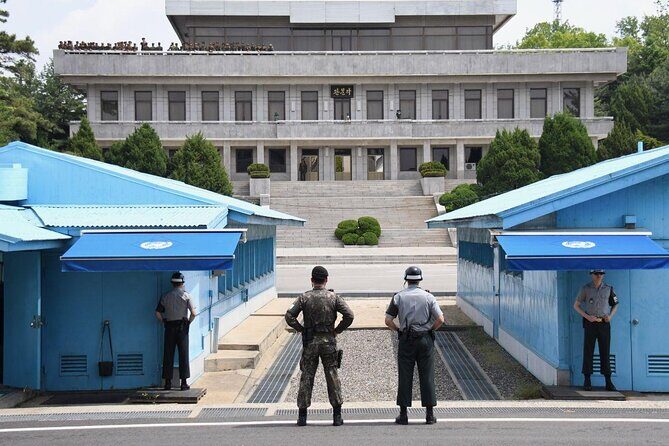
- The 3rd Tunnel is 1,635m long and intentionally narrow/low (about 2m wide and 2m high), so you’ll feel the scale in your body, not just your head.
- Dora Observatory connects you to specific places you can overlook, including Gaeseong, Songaksan, a Kim Il-Sung statue, and Cooperation Farm (Geumamgol).
- Imjingak Park and Mangbaedan set the human tone—unification hopes and family separation are part of the “why” behind the DMZ.
- The Gamaksan Chulleong Bridge climb is part of the point—it pairs scenic views with the Battle of Solma-ri (Gloster Hill) from 1951.
- No shopping-center detours like ginseng or amethyst stops, which helps you stay focused on what matters.
How This Seoul DMZ Tour Runs in Real Life (8 Hours, Real Travel Time)
This is an all-day DMZ outing from Seoul, built around four main stops. It runs about 8 hours, and it’s set up with an air-conditioned vehicle plus a professional guide. You’ll start from the Myeong-dong subway area (near Myeong-dong subway station), then ride out toward the Demilitarized Zone and return to the same general area.
For value, the key is that you’re not paying extra for most of the major “ticketed” moments. Admission tickets are included where it counts—like the Third Tunnel and Dora Observatory—while other stops (like Imjingak Park and Mangbaedan) are free. That matters because DMZ days can quietly inflate once you add entry fees and transport.
Also, you’ll want to understand the vibe: this isn’t a relaxed sightseeing loop. The DMZ is operated by the military, and the tour can be canceled without prior notice. That uncertainty is real, so I’d treat this as a “today is a gift” day—show up early, bring the right documents, and go with the flow.
Finally, expect a medium-to-large group format. The maximum group size is stated as up to 500 travelers, so you’ll benefit from a guide who can keep timing tight and explain things clearly.
You can also read our reviews of more tours and experiences in Seoul.
Imjingak Park and Mangbaedan: The War’s Echoes, Up Close
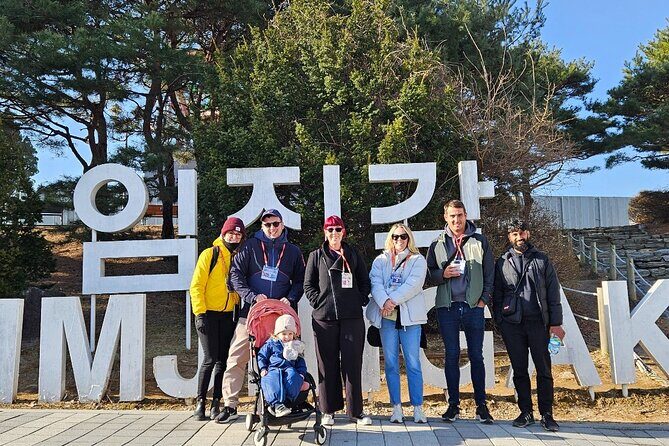
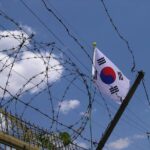
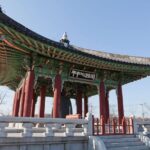
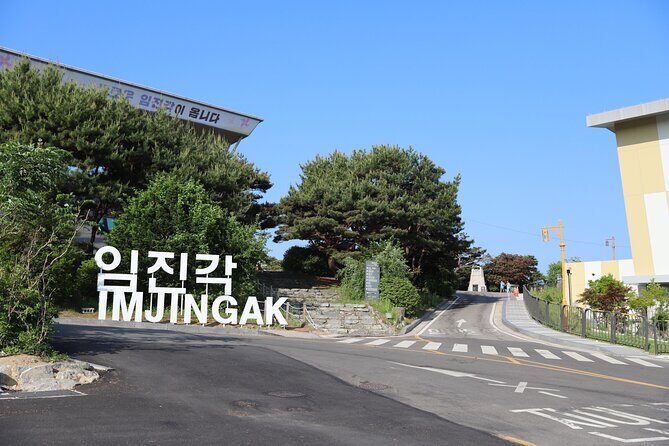
You’ll first head to Imjingak Pyeonghoa-Nuri Park, a site built in 1972 with the hope that unification might one day be possible. It’s a three-storied complex surrounded by monuments, plus areas like Unification Park and the North Korea Center.
What I like about starting here: it gives you emotional context before you go technical. The DMZ can feel like a map problem—lines, distances, rules—but Imjingak grounds it in people. Even if you don’t know Korean War details yet, the park’s purpose helps you understand why the DMZ still matters.
Next is Mangbaedan, also included in the free-stop list. This place is associated with families who left their loved ones in the North and visit during New Year’s Day. It’s a short stop, but it shifts your attention away from strategy and toward loss and longing, which makes the later viewpoints at Dora Observatory hit harder.
A practical note: expect a “quick stop” rhythm early in the day. If you’re the type who likes time to wander slowly, this itinerary won’t give you that luxury at the first two stops. Still, it’s efficient in the way a DMZ day needs to be.
The 3rd Tunnel: Cold, Low Ceiling, and the Walk That Changes Your Perspective
Then comes the centerpiece for many people: the 3rd Tunnel. South Korea discovered it in 1978, and it’s described as about 1,635m long, with a tight profile of roughly 2m in width and 2m in height. The tunnel is about 52km from Seoul.
This is the part of the day where “seeing history” becomes “doing history.” The entrance forces your body to adapt fast. Based on visitor experience, the descent and ascent can feel steep, and the tunnel includes segments where you walk hunched over for stretches because of the low ceiling. Safety gear is part of the experience, including protective headwear.
You should also mentally prepare for temperature and lighting conditions. One account notes around 11 degrees inside, so even on a warm Seoul day, you may feel a chill once you’re underground.
The bigger question is: what does this tunnel actually do for your understanding? It turns the DMZ from an idea into a physical obstacle. When you walk through something built for conflict and concealment, you stop treating borders like a background detail. You feel the limits—space, breath, movement—and that makes the later observatory views more than “pretty distance.”
Dora Observatory: When the View Depends on Weather
After the tunnel, you’ll head to Dora Observatory for a lookout over North Korea and nearby areas. This stop is about 30 minutes, and admission is included.
From Dora, you can overlook places named right in the description: Gaeseong, Songaksan, a Kim Il-Sung statue, and Cooperation Farm (Geumamgol). That level of specificity helps a lot. Instead of seeing a blank “other side,” you’re given points to mentally map while you look.
One important reality check: visibility can depend on the day. If you get clear conditions, the viewpoint feels sharp and rewarding. If haze or weather cooperates less, it can feel softer. I’d still go even if the sky looks ordinary, because the observatory is more about orientation—seeing what the DMZ is like from this exact vantage point.
Also, this is where the guide’s narration matters. Strong guides help you connect what you’re looking at to the human and political story behind it, not just the geography.
Gamaksan Chulleong Bridge (Red Suspension Bridge): Views Plus a 1951 Battle Story
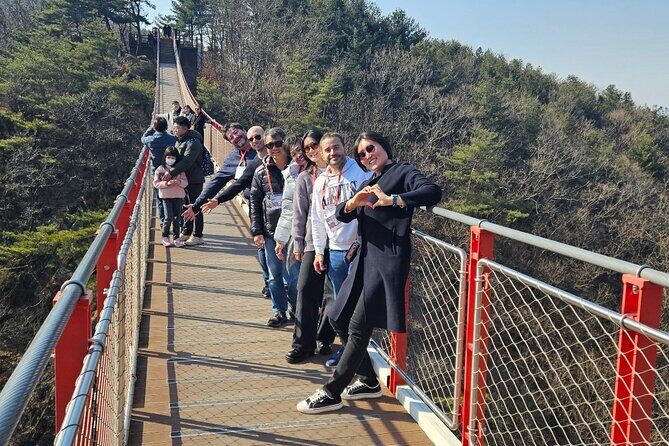
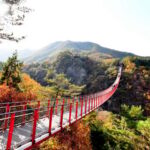
Last is the Gamaksan Chulleong Bridge, a suspension bridge in the Mt. Gamaksan area (Solma-ri). It’s described as about 150m long and 1.5m wide, so it’s not the kind of huge bridge where you feel anonymous. It’s more intimate—and the climb to reach it is part of the experience.
Here’s what makes this stop more than a photo opportunity: the bridge area connects to the Battle of Solma-ri, also called Gloucester Hill, in 1951. The description even points to heroic defense linked to British troops during the Korean War, which adds a somber layer to the “pretty view” moment.
In practice, plan for a steep uphill walk once you reach the road toward the bridge. One visitor described roughly 400 steps to get up to the bridge start. Even if you’re fit, that’s not something to treat like a casual stroll—especially after a long day and the tunnel earlier.
If your legs are already tired from the tunnel descent and ascent, pace yourself. The reward is a viewpoint that ties history, sacrifice, and geography together in one place.


Price and Value: What $45 Gets You (and What It Doesn’t)
At $45 per person, this tour competes well with other DMZ day trips because several cost drivers are built in. You’re getting:
- Air-conditioned vehicle transport
- Professional guide
- Admission tickets included for major stops like the 3rd Tunnel and Dora Observatory
Free admissions handle other stops (Imjingak Park and Mangbaedan, for example), so you’re not paying entry fees again and again while you’re out of Seoul.
What you should budget separately:
- Meals and beverages are not included
- Hotel pickup and drop-off are not included (it’s a set meeting point area and you return nearby)
- Travel insurance is not included
I also like that the itinerary avoids classic “forced shopping stops,” such as ginseng or amethyst centers. That keeps the day from turning into a time-wasting detour.
One small but useful tip: bring snacks and drinks. Even when there’s no formal lunch break, you may have opportunities to grab something along the way. A guide-led day works best when you don’t run your energy tank down to empty.
What to Wear and Bring for a DMZ Day (So You Enjoy It)
This tour explicitly warns about footwear. I agree with the logic: skip flip-flops, slippers, and high-heel shoes. You’ll walk uneven ground, and you’ll need stable footing for the bridge climb. Wear shoes that support your ankles and let your feet breathe.
Pack like you’re going to do a mix of sightseeing and hiking:
- Comfortable clothes for walking
- A light layer for the tunnel area (it can feel cold underground)
- Snacks and water if you get hungry on the move (highly recommended)
- Your passport—this tour requires a current valid passport on the day of travel
Also note the tour can be canceled due to military operations. Nothing you do fixes that. The best move is to plan for flexibility and avoid booking a critical connection immediately afterward.
If you’re sensitive to crowds, remember this is capped at up to 500 travelers. You may still feel the “group bus day” rhythm, but it’s the guide’s job to keep the stops moving and explanations organized.
Who This Tour Suits Best (and Who Might Struggle)
This is best for you if you want a DMZ day that balances big-picture context with hands-on experiences. The tunnel walk plus the Dora viewpoint plus the bridge climb creates a full sense of scale—political, historical, and physical.
You’ll likely enjoy it most if you:
- Like guided interpretation (guides such as Stella, Mama Winnie, Leo, Grace, Kenny, Thomas, and Chloe are repeatedly praised for how they explain each site)
- Are comfortable with a long day and some walking uphill
- Want your DMZ visit to include both memorial-like stops and hard, physical features like the tunnel
You might struggle if you:
- Have mobility limits or low tolerance for steep climbs and low-ceiling spaces
- Dislike being hunched over for stretches inside a tunnel (some visitors note this can be difficult)
If you’re unsure, treat the “moderate physical fitness” note as real. It’s not just a suggestion for appearances.
Should You Book the Seoul DMZ Tour With the 3rd Tunnel and Red Suspension Bridge?
If you want one DMZ itinerary that hits the key sites—Imjingak, the 3rd Tunnel, Dora Observatory, and the red suspension bridge—this is a strong pick. The price is reasonable for the admissions and the structured, guide-led format. And the tunnel-plus-observatory combination is exactly what makes the day feel memorable instead of routine.
I’d book if you’re okay with a packed schedule and you can handle physical spots like the tunnel and uphill bridge approach. I’d skip or choose a gentler option if the idea of hunched walking in a low-ceiling tunnel sounds like a deal-breaker for you.
FAQ
Is the Joint Security Area (JSA) included?
No. This tour explicitly does not stop at the Joint Security Area (JSA).
Do I need a passport for the tour?
Yes. A current valid passport is required on the day of travel.
How long is the Seoul DMZ tour?
The duration is listed as about 8 hours.
Where do I meet the guide?
The meeting point is Myeong-dong subway station in Seoul.
Are meals included?
No. Meals and beverages are not included.
What’s included in the tour price?
The price includes an air-conditioned vehicle, admission tickets, and a professional tour guide. Admission for key stops is included.
Does the tour include shopping center stops like ginseng or amethyst stores?
No. This tour does not stop at shopping centers such as ginseng centers or amethyst factories.
Is the tour physically demanding?
It’s marked as requiring moderate physical fitness. The tunnel and bridge involve walking and climbing, so wear supportive shoes and take it seriously if you have mobility concerns.
Can the tour be canceled by the operator?
Yes. Since the DMZ is operated by the military, the trip may be canceled without prior notice.
Do I get a mobile ticket?
Yes. The tour includes a mobile ticket.