REVIEW · SEOUL
Jinhae’s Cherry Blossoms Shuttle Bus depart from Seoul/Busan
Book on Viator →Operated by S.A. Tour · Bookable on Viator
Sakura day trips reward smart planning. This one takes you from Seoul/Busan to Jinhae for a full day of cherry blossom sights, with a guide working in Chinese/English and a couple of nice photo perks built in. I especially like the free cherry blossom crown and the romantic garlands, because you’re not just looking at sakura—you’re getting ready-made outfit details that make photos feel more fun than “tourist mode.”
The main thing to keep in mind is that blooming depends on weather, and the flowering timing isn’t guaranteed. Between travel time and long outdoor walking, you should expect a long day (around 12 hours total), even though the best cherry blossom time is concentrated in Jinhae. Still, with a cap of 40 travelers and air-conditioned round-trip transport, it’s a pretty sane way to do this without wrestling trains.
In This Review
- Key things to know before you go
- Why Jinhae’s cherry blossom season feels different
- Price and what $59 really buys you
- Getting to Jinhae: the shuttle-bus advantage from Seoul and Busan
- The day rhythm: about 12 hours, with the best time focused
- Stop 1: Jinhae Gunhangje Festival, gifts first, then blossoms
- Town Naval Port Festival: waterfront charm with event energy
- Yusawa River Sakura Bridge: the classic photo moment
- Kyohe Train Station: sakura + storybook setting
- What the guides actually do for you (not just translations)
- Weather reality: what to do if it’s cold or rainy
- Who this tour suits best
- Should you book the Jinhae Cherry Blossoms Shuttle Bus?
- FAQ
- What do I receive during the tour?
- How long is the Jinhae sightseeing time?
- Which cherry blossom spots are included?
- What languages are the guides?
- Is the ticket mobile?
- Is lunch included?
- What if the weather is bad?
Key things to know before you go
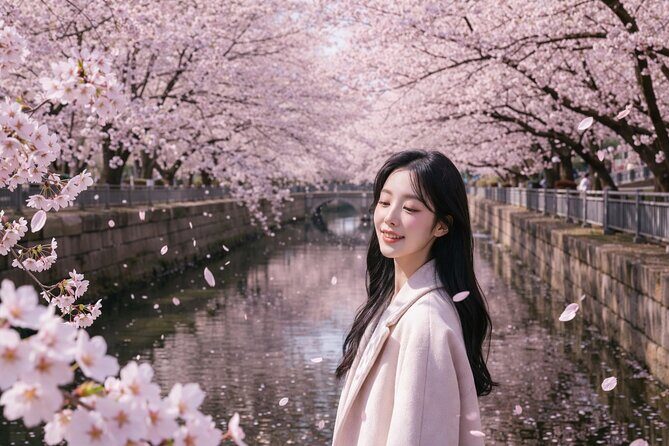
- Free sakura crown + festival treats: you get a Sakura Corolla, and at the festival stop you also receive a Sakura Season limited juice set.
- About 6 hours in the Jinhae sightseeing zone: enough time to hit the big spots without feeling like you’re sprinting nonstop.
- Jinhae Gunhangje Festival focus: the day centers on the festival atmosphere, not just random roadside flowers.
- Photo-friendly sakura spots: includes Yusawa River Sakura Bridge and Kyohe Train Station for classic cherry blossom backdrops.
- Guides in Chinese or English: and in real life, they can help you decide where to eat and what to prioritize when time is tight.
- Bloosoms are weather-dependent: bloom timing can shift, so manage expectations if the weather turns gray or cold.
Why Jinhae’s cherry blossom season feels different
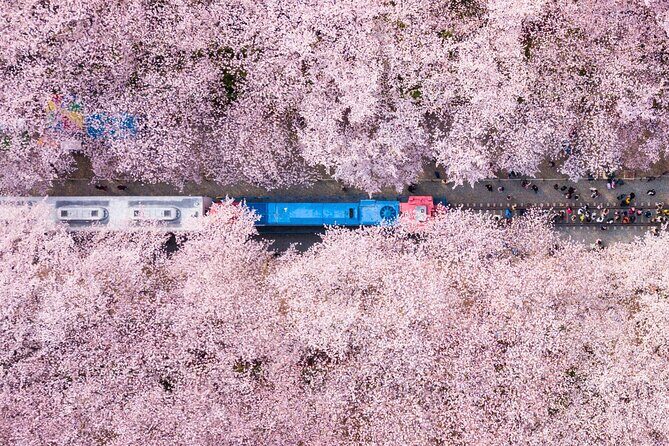
Jinhae cherry blossoms have a different vibe than the usual city parks. You’re heading into an area tied to seasonal events and waterfront festival energy, which makes the day feel like an event, not just a photo stop. The cherry blossoms are the star, but the “around the blossoms” details matter too.
This tour is built around that idea: you’re not bouncing between tiny checkpoints with no context. Instead, you get guided time at the key festival area first, then additional major sakura photo points nearby.
You can also read our reviews of more tours and experiences in Seoul.
Price and what $59 really buys you
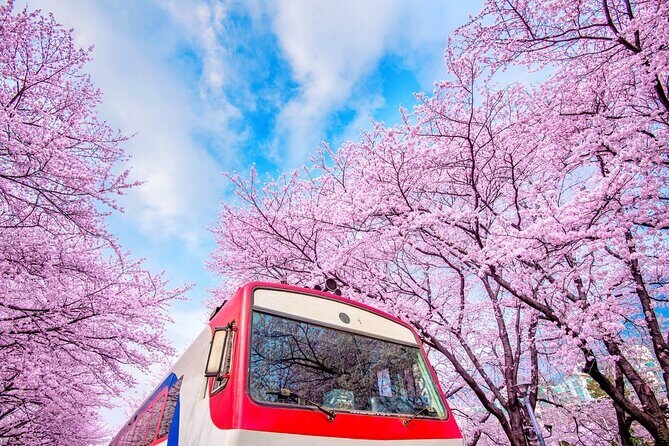
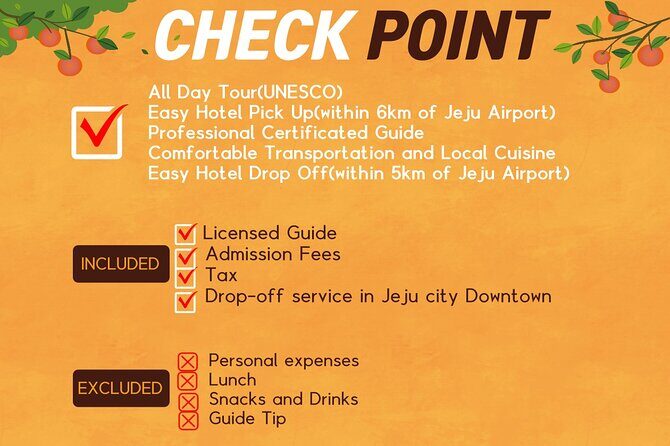
At $59 per person, the value comes from what’s bundled. You get air-conditioned vehicle transport, entrance fees, and round-trip traffic, plus a tourist guide and the Sakura Corolla gift. Those are the items that usually add up fast if you try to DIY from Seoul or Busan.
Is it cheap? Not exactly. But it’s the kind of price that makes sense when you care about saving stress. A long-distance day trip becomes worth it when your only real job is showing up, following the plan, and spending time at the stops you came for.
What’s not included is also clear: catering consumption and other personal spending. In other words, you’ll still plan your own meals and snacks as needed.
Getting to Jinhae: the shuttle-bus advantage from Seoul and Busan
The big win here is the round-trip shuttle. Instead of trying to line up buses or trains on cherry blossom peak energy, you ride in an air-conditioned group vehicle with an organized schedule. Your ticket is mobile, so you’re not juggling paper and email screenshots.
Starting from Seoul or Busan also matters. If you’re already in either city, this acts like a “pressure-release valve” for a busy itinerary. You get one coherent day plan, and you can focus on sakura rather than transit math.
The group size is capped at 40, which helps. You still share space and time with others, but you’re not in a huge herd where every photo opportunity turns into a traffic jam.
The day rhythm: about 12 hours, with the best time focused
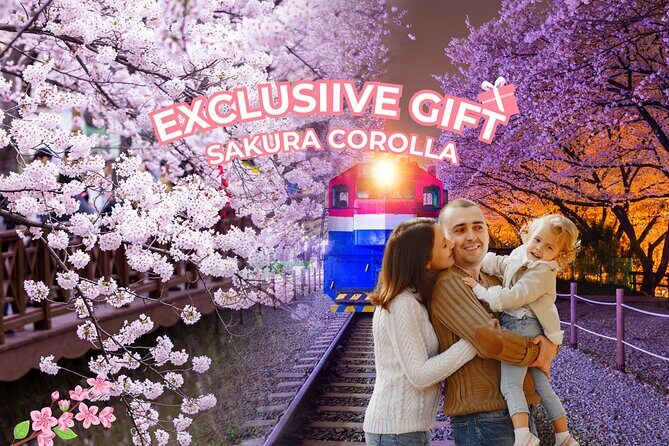
This experience runs about 12 hours total. That sounds long, and it is. But the sightseeing time inside the Jinhae area is around 6 hours, which is where you want your energy.
So think of it like this: travel takes time, then the real cherry blossom payoff happens in a concentrated chunk. If you like to take photos slowly, you’ll still have time. If you rush, you’ll be done early—and you can use any extra moments to find a calm spot along the river or near the station views.
Stop 1: Jinhae Gunhangje Festival, gifts first, then blossoms
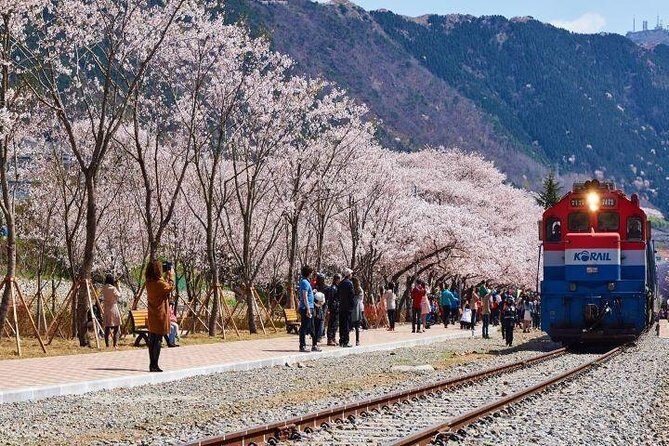
The first stop is the Jinhae Gunhangje Festival, which sets the tone for the whole day. You’ll spend around 6 hours at the festival and nearby elite attractions, so you’re not just dropping in for 20 minutes.
Two specific perks show up at the start. Everyone gets a Sakura Corolla, and at the festival stop you also receive a Sakura Season limited juice set. The guide also provides romantic garlands for photos—one of those small touches that makes a big difference in how your pictures look.
Festival time is where you’ll feel the atmosphere the most. If you want sakura that looks like it belongs in a scene—banners, event energy, people dressed for the season—this is the part that delivers.
Potential drawback? If your timing hits early or late in the bloom cycle, the blossoms may not look as full as you hoped. The tour adjusts for weather, but blooming isn’t guaranteed.
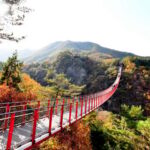

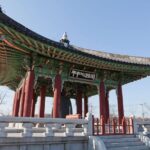
Town Naval Port Festival: waterfront charm with event energy
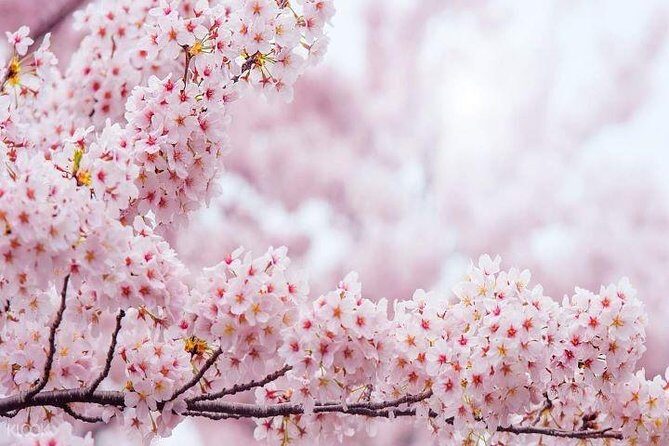
After the main festival area, you also get access to the Town Naval Port Festival. This is one of those settings where the sakura looks especially scenic because you’re combining blossoms with a waterfront-style backdrop.
I like these kinds of stops because they give your photos variety. A bridge shot feels different from a riverbank vibe. A port area adds structure—lines, angles, and a background that keeps your images from looking repetitive.
One practical note: waterfront areas can feel colder when the wind kicks up. Bring a layer you’re willing to wear even if the sun appears briefly.
Yusawa River Sakura Bridge: the classic photo moment
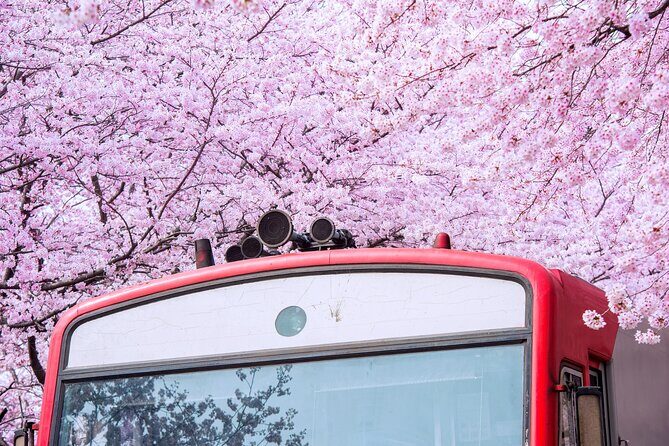
The Yusawa River Sakura Bridge is one of the headline stops. Bridges are photo magnets during cherry blossom season because they naturally frame the scene—flowers on both sides, a strong line leading your eye, and the river adding depth.
This stop is also where guided timing helps. Instead of guessing when to arrive, you’ll follow the plan, and you can spend your time photographing rather than scouting.
How to enjoy it: don’t just take one photo and move on. Walk a bit, check angles, and give yourself a few minutes to watch how the light changes. Even in a short window, you’ll usually get better results by trying 2-3 small variations instead of relying on one “perfect” spot.
Kyohe Train Station: sakura + storybook setting
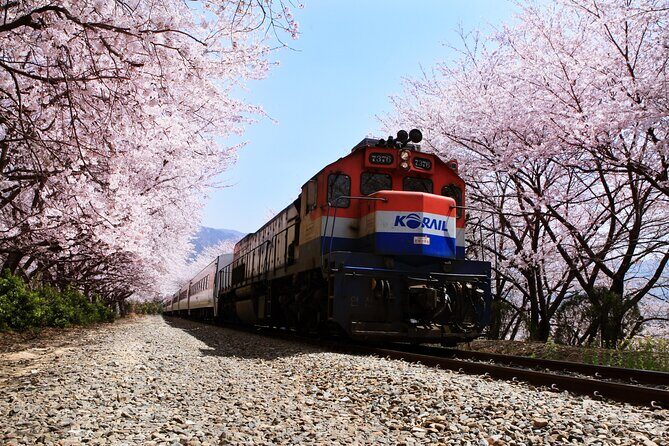
Kyohe Train Station brings a different kind of charm. Stations have a built-in “in-between moment” feeling, and cherry blossoms turn that into something close to a storybook scene.
This is great if you want more than the usual bridge shots. It also helps you diversify your album: one part festival, one part river framing, one part station-style sakura.
Keep in mind that station areas can get busy during peak photo times. Go at a relaxed pace, and don’t be afraid to let others pass while you wait for a clean composition.
What the guides actually do for you (not just translations)
The tour is guided in Chinese/English, which is helpful if you want context rather than just directions. But the best part is how guides support your day when time is limited.
One review highlighted a guide named Yumi as very helpful, including suggestions for places to eat and funny stories that kept the day light. Another review mentioned a guide named Katherine, with strong overall service and a great Korean-food lunch recommendation. Even when lunch isn’t officially included, the ability to steer you toward a solid meal option is real value.
In practice, that kind of guide support helps with decisions like:
- where to prioritize photos first when the blossoms look good right now
- how to handle the day’s pace when it’s long and you’re standing outside a lot
- what to do if the weather shifts
A good guide makes your day feel smoother, especially when you’re outside in winter-to-spring conditions.
Weather reality: what to do if it’s cold or rainy
Cherry blossom season can be surprisingly stubborn weather-wise. The tour requires good weather, and bloom timing adjusts according to conditions. Flowering isn’t guaranteed, so you should pack with the assumption that you might see fewer blossoms than the promo photos—or that the air might be gray.
If it’s cold, you’ll appreciate layers. If it rains, bring something that keeps your camera safe and your hands warm. You’ll still enjoy the day if the weather isn’t perfect, but your expectations should be flexible.
Also watch for the common issue with day trips: when it’s wet and windy, you’ll move slower. Give yourself permission to slow down. Your pictures will improve when you’re not rushing while your fingers freeze.
Who this tour suits best
This experience fits well if you want a structured, low-stress way to see major Jinhae sakura spots in one day. It’s also a good match if you prefer guided support and photo help—especially because of the crown and romantic garlands.
It’s less ideal if you’re the type who wants full control of timing and doesn’t want weather uncertainty. Since bloom periods aren’t guaranteed and the day depends on conditions, you’ll enjoy it more if you treat it as an event outing with flexible expectations.
If you’re traveling solo, this can be a great way to avoid complicated logistics. If you’re traveling with family, the guided pace and included transport reduce decision fatigue.
Should you book the Jinhae Cherry Blossoms Shuttle Bus?
I’d book it if you want the practical benefits: round-trip shuttle, entrance fees handled, a guide in Chinese/English, and clear major stops like the Yusawa River Sakura Bridge and Kyohe Train Station. The free crown and romantic garlands are small, but they’re the kind of small that makes your photos and memories feel more personal.
I’d think twice if cherry blossom fullness is your one non-negotiable. Bloom timing is weather-dependent, and you’re committing to a long day of outdoor walking even if the conditions aren’t ideal.
Bottom line: if you want a guided, photo-friendly sakura day that saves you the transit headache, this is a solid choice—just pack for cold or rain, and keep your expectations flexible.
FAQ
What do I receive during the tour?
You get a Sakura Corolla gift. At the festival stop, the experience also includes a Sakura Season limited juice set, and romantic garlands are provided for photos.
How long is the Jinhae sightseeing time?
You’ll spend about 6 hours at the Jinhae Gunhangje Festival area and nearby elite attractions.
Which cherry blossom spots are included?
The experience includes Jinhae Gunhangje Festival, Town Naval Port Festival, Yusawa River Sakura Bridge, and Kyohe Train Station.
What languages are the guides?
The tour includes a professional guide in Chinese or English, based on your preferred language.
Is the ticket mobile?
Yes, the tour uses a mobile ticket.
Is lunch included?
Catering consumption isn’t included, so you’ll cover meals yourself. The tour can still give you time to find Korean food during the day.
What if the weather is bad?
The experience requires good weather. If it’s canceled due to poor weather, you’ll be offered a different date or a full refund. Flowering timing is adjusted by weather conditions and isn’t guaranteed.
If you want, tell me which city you’re starting from (Seoul or Busan) and your travel dates, and I’ll help you judge whether this timing seems likely to catch better bloom.