Food, history, and a market route that makes sense. This Hidden Stories & Flavors Market Food Tour sends you into Seoul’s traditional-market setting with a local English-speaking guide and a tight 2-hour plan built around eating your way through the best choices. The tour’s standout is the mix of snack-and-stroll food with context on Korea’s modern life, including the peninsula’s division and military perspective.
What I really like is the practical structure: you come in hungry, and you get helped picking what to order instead of staring at endless menus. I also like that you’re not stuck on just one item; the food list covers dumplings, hot dog, rice cake, fish cake, and more, plus sweet bites like Korean pancake and a fish-shaped bun. The main thing to consider is that this is an intense 2-hour sampling format—if you hate spicy food or you prefer light snacking only, you’ll want to manage your expectations (and your appetite).
In This Review
- Key things to know before you go
- Kwangjang Market, and why you don’t want to wander clueless
- Your 2-hour tasting route: what you’ll actually eat
- The stories behind the food: modern Korea, division, and reserve service
- Pace, small group size, and how the guide keeps you from wasting time
- The one stop: how Kwangjang Market shapes your whole experience
- Price and value: what $100 buys in real eating time
- Getting there: the meeting point and what to expect after
- Who should book this tour (and who might skip it)
- Quick practical tips to make the most of it
- Should you book Hidden Stories & Flavors Market Food Tour?
- FAQ
- How long is the Hidden Stories & Flavors Market Food Tour?
- What food is included on the tour?
- Is the tour guided in English?
- Where does the tour start and end?
- How big is the group?
- Do I need to book ahead?
- What’s the cancellation and weather policy?
Key things to know before you go
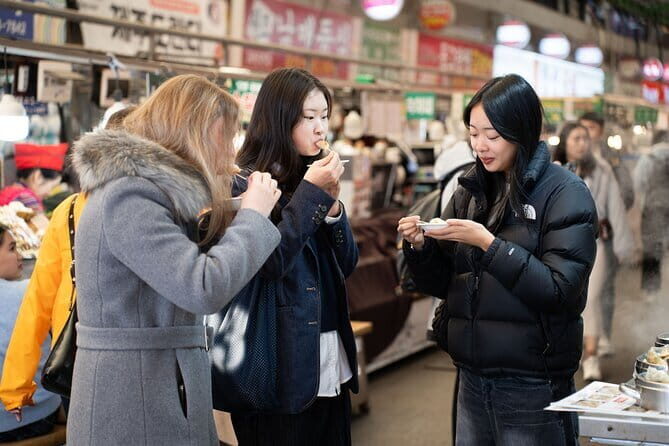
- Seven-stall style route: You’ll hit multiple vendors, not just one or two stops, so you taste variety fast.
- Come hungry is real: The tastings add up quickly, including both savory meals and sweet snacks.
- A guide who helps you order: You get help narrowing the overwhelming choices in the market.
- Stories tied to what you eat: Expect context on modern Korea, including the peninsula split and military perspective from reserve experience.
- Small group feel: The tour caps at 10 people, which keeps the pacing comfortable.
- English in-person guidance: You can expect explanations in English throughout the tour.
Kwangjang Market, and why you don’t want to wander clueless
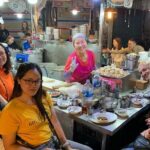
Kwangjang Market is the kind of place where the food choices can feel endless, especially if it’s your first time in Seoul. That’s exactly why this tour works: you’re given a route with a plan, and the guide handles the ordering decisions so you’re not stuck translating every choice in the moment. In a market like this, that can mean the difference between accidentally repeating the same snack and actually getting the best introduction to Korean street food.
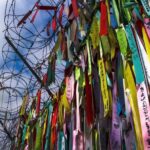
Another reason this tour feels grounded is the focus on modern Korea, not just food photos and Korean catchphrases. As you walk from stall to stall, the guide connects what you’re eating to bigger themes—how ordinary people live with the peninsula’s division, and what it looks like to think about the military from a reserve perspective. It’s history told through daily reality, and it stays relevant because it’s linked to food and everyday culture rather than only museum facts.
The tour is also designed for ease. You start at a clear, specific meeting location in Jongno District, and you finish back at the same point. If you want a low-stress plan that still gives you authentic market time, this format is pretty dialed in.
You can also read our reviews of more food & drink experiences in Seoul
Your 2-hour tasting route: what you’ll actually eat
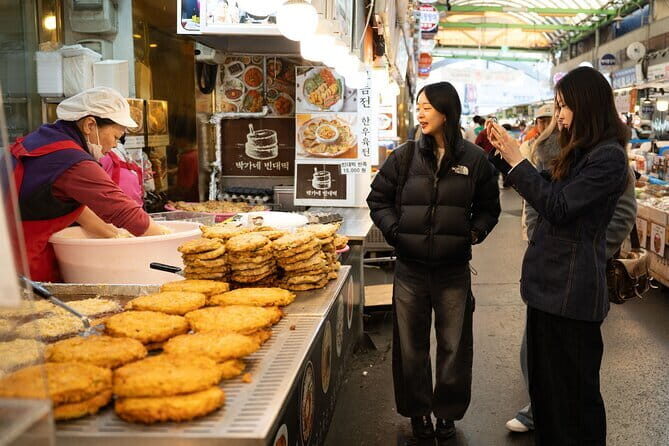
This experience is built around a set list of tastings, and that’s a big value point. Instead of paying and hoping you’ll find good things on your own, you get a structured food sequence that covers both savory and sweet.
Here’s what’s included in the tastings:
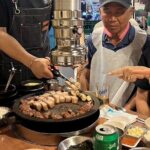
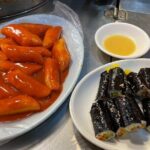
- Lunch-style tastings: dumpling, meatball, Korean hotdog, rice roll
- Spicy and savory staples: spicy rice cake, fish cake
- Snack add-ons: sweet Korean pancake and a fish-shaped bun
- Bottled water
What makes this lineup smart is that it covers multiple categories. Dumplings and meatball give you comfort-food texture. Hot dog and fish cake bring the classic street-snack vibe. Rice roll and spicy rice cake help you sample different flavors and spice levels instead of only repeating the same base ingredients.
And then you get the sweet counterweight: Korean pancake and the fish-shaped bun. The pancake is one of those “stop-and-smell” kinds of smells, and the fish-shaped bun adds a handheld snack feel that’s easy to eat while moving. If you’re someone who worries you’ll leave a food tour too full of one style of food, the mix here helps keep things balanced.
One practical note: spicy rice cake and spicy components can be intense depending on the stall and your tolerance. If you know you’re sensitive to heat, tell your guide early so they can steer you with comfort in mind during the tastings.
The stories behind the food: modern Korea, division, and reserve service
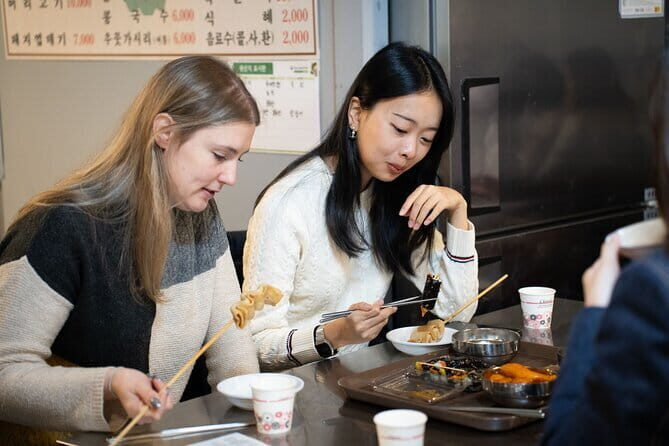
The “hidden stories” part isn’t generic. You’re guided through real context you can connect to what you’re seeing and tasting, including the realities of the Korean peninsula’s division. Instead of only describing events from far away, the tour frames the issue through the way it affects perspectives and everyday thinking.
You’ll also hear military-related viewpoints stemming from the guide’s own experience as a member of the reserve forces. That matters because it’s not secondhand talk meant to sound dramatic. It’s explained as a lived perspective—how people think about service, readiness, and what that means culturally.
Even if you only catch a portion of the story at each stop, you’ll still come away with a more grounded understanding of why certain topics appear in Korean daily life. Food tours can sometimes stay stuck in taste only. Here, the guide uses the market route as a way to connect culture to context.
If you like travel experiences that mix flavor with meaning—without turning into a lecture—this format is a strong fit.
Pace, small group size, and how the guide keeps you from wasting time
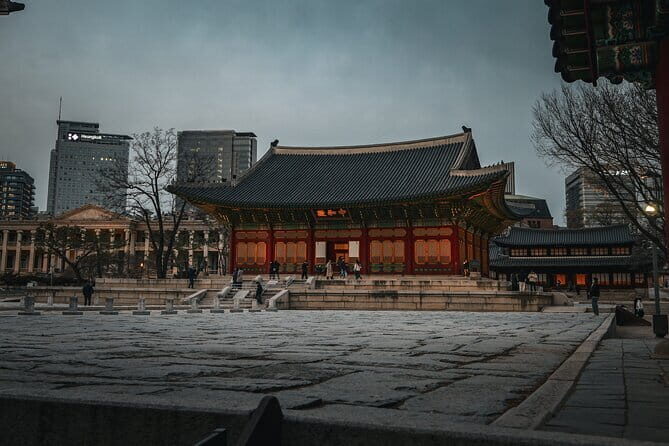
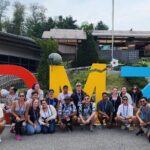
This tour runs about 2 hours with a group size capped at 10. That small ceiling matters. In a market setting, it’s the difference between stopping to ask one question and having a big crowd slow everything down. A smaller group also helps the guide give quick, clear guidance at each stall.
The pacing is designed for eating and moving. You’ll visit multiple vendors—enough to feel variety without dragging the experience into a full afternoon. The overall effect is that you spend your time tasting and learning rather than standing in long lines without a plan.
One of the most useful parts, based on what people highlight, is that the guide helps you choose the best version of each food. That’s huge in markets where the same item is sold in many ways. A guide who knows which stall has the version you’ll actually enjoy saves you from the common mistake: buying something that looks similar, but tastes disappointing.
There’s also a practical logistics layer here. After the tour, you’ll be set up with help for public transport directions. That’s especially valuable if you don’t feel confident with Seoul metro transfers on a first pass.
The one stop: how Kwangjang Market shapes your whole experience

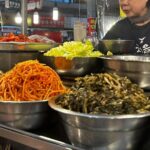
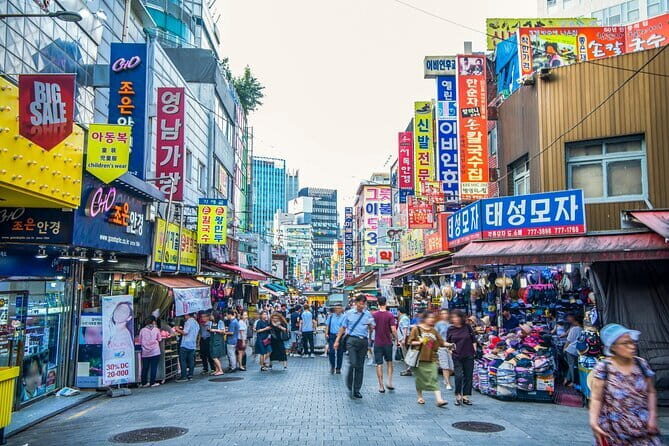
Kwangjang Market is the single major stop, and that makes the tour easier to plan. You’re not bouncing around Seoul spending half your time commuting. Instead, you spend that time in one focused area, which helps you connect the dots between vendors, smells, and textures as they change throughout the market.
Because everything centers on Kwangjang Market, the guide can keep the route coherent. You’re guided to likely favorites and strategically chosen stalls so you can try a lot without turning the walk into a scavenger hunt. This is also where the guide’s skill shows most: the ability to get you to the right vendor before lines grow or before you waste time deciding.
The downside of a single-stop approach is that you’re limited to that market’s flavor footprint. If your dream includes seeing multiple traditional markets in one day, this isn’t that tour. But if your goal is a high-efficiency introduction to Korean street food with a clear structure, Kwangjang Market is a great place to focus.
A few more Seoul tours and experiences worth a look

Price and value: what $100 buys in real eating time
At $100 per person for about 2 hours, the big question is whether you’re paying for food volume and guidance—or just convenience.
Here’s what you’re actually getting:
- A planned route through multiple vendors
- A set sequence of savory lunch-style items plus snacks
- Bottled water
- English in-person guidance
- A small group size that supports the pacing
- Local context and interpretation tied to what you eat
When food is included in a structured tasting format, the value often comes from removing the guesswork. In markets, self-guided costs can swing wildly: you might buy one or two items and still feel like you didn’t fully “get” the market. Or you might spend time and money on choices that don’t suit your tastes. This tour tries to prevent both problems by giving you a curated mix and a guide who can steer you toward better options.
Two hours also matters. You’re not paying for a long, slow experience. It’s an efficient taste-and-story window that fits well into a busy Seoul schedule—especially if you’re also doing other major sights.
So, is it worth it? If you want a true sampling menu with guidance and context, yes. If you prefer to pick everything yourself and you’re confident ordering Korean street food without help, you might find better deals on your own. But if you want your time to translate into full value tasting, the guided format is where the money makes sense.
Getting there: the meeting point and what to expect after
The tour starts at 407 Dongho-ro, Jongno District, Seoul. It ends back at the meeting point, so you don’t have to guess where you’ll emerge. The location is described as near public transportation, which is important in Seoul where walking and metro connections can make or break your day.
You’ll also be using a mobile ticket, which simplifies check-in. If you don’t love fumbling with paper confirmations on your phone, this is a nice touch.
One more practical detail: the guide is positioned to help with transport instructions, including metro transfer guidance. That’s especially helpful if you’re new to the city or you’re pairing this tour with other plans that run on metro schedules.
Who should book this tour (and who might skip it)
This tour is a great match if you:
- Want a structured Seoul street food introduction without decision fatigue
- Enjoy explanations that connect food to culture and real current-day context
- Prefer smaller groups so the guide can keep pace and answer questions
- Like the idea of tasting both savory classics and sweet snacks in one run
You might want to consider another option if:
- You don’t eat spicy foods and you’re looking for a fully customizable menu
- You want a longer, more open-ended food crawl rather than a set tasting list
- You prefer only “food, no stories” experiences
Quick practical tips to make the most of it
- Eat a light snack before you go. The tastings can fill you up fast, so don’t plan this right after a heavy meal.
- Wear comfortable shoes. You’ll be walking through market areas, and you want your feet to stay happy.
- Tell the guide your spice comfort level early. It helps them steer you toward the most enjoyable versions of each item.
- Bring curiosity, not just appetite. The story element is a real part of the value here.
Should you book Hidden Stories & Flavors Market Food Tour?
I’d book it if you want a smart, small-group Seoul market experience that combines real food variety with cultural context. The set tastings reduce guesswork, and the guide’s explanations—especially around division and reserve service perspective—add meaning beyond the usual street-food narration.
I’d skip or rethink it if you want a totally hands-off food exploration where you control every choice, or if you’re sensitive to spice and prefer minimal heat in what you eat. In those cases, you might be happier doing a lighter self-guided snack walk.
If you like your travel grounded and practical—good food, clear routing, and a guide who can translate not just language but context—this one makes a strong case.
FAQ
How long is the Hidden Stories & Flavors Market Food Tour?
The tour lasts about 2 hours.
What food is included on the tour?
You’ll get tastings including dumpling, meatball, Korean hotdog, rice roll, spicy rice cake, fish cake, plus sweet Korean pancake and a fish-shaped bun. Bottled water is included too.
Is the tour guided in English?
Yes. The tour includes in-person English.
Where does the tour start and end?
It starts at 407 Dongho-ro, Jongno District, Seoul, South Korea, and ends back at the same meeting point.
How big is the group?
This tour has a maximum of 10 travelers.
Do I need to book ahead?
It’s commonly booked about 28 days in advance on average, so earlier booking is a safe move.
What’s the cancellation and weather policy?
You can cancel for a full refund up to 24 hours before the experience starts. The tour requires good weather, and if it’s canceled due to poor weather, you’ll be offered a different date or a full refund.