REVIEW · SEOUL
From Seoul: Suwon Hwaseong Fortress & Folk Village Tour
Book on GetYourGuide →Operated by KTOURSTORY · Bookable on GetYourGuide
A long day, but history you can actually walk through. I like how the Korean Folk Village turns the Joseon era into something you can picture, and I also love the UNESCO Suwon Hwaseong Fortress with its gates and wall-walk views. The main drawback is simple: it’s a full schedule with plenty of moving, so comfortable shoes matter and it can feel a bit rushed if you want to linger everywhere.
One big reason this tour works is the guiding. Names like Jonathan, Laura, Sunny, and Jamie show up in the feedback, and the common thread is a guide who keeps the day organized and answers questions patiently. You’ll also get air-conditioned coach time, then a lot of real walking at the sites—so think of it as a history day plus a culture snack break, not a slow stroll.
In This Review
- Quick hits before you go
- Joseon-era Korea in one day: what this itinerary is really doing
- Korean Folk Village: traditional houses, performances, and real atmosphere
- Suwon Hwaseong Fortress: UNESCO walls and the engineering story behind them
- Nammun Market stop: snacks, souvenirs, and local rhythm
- August Fridays and lantern-lit nights at the Folk Village
- Mid-October Suwon Hwaseong Media Art Show: lights, projections, and storytelling
- Starting and ending in central Seoul: how the logistics affect your day
- Price and value: is $67 fair for Suwon and the Folk Village?
- The “how it feels” section: pacing, walking, and when you’ll be tired
- Who should book this tour (and who might prefer something else)?
- Guides matter: why the best days feel smooth
- Should you book this Suwon Hwaseong and Folk Village day trip?
- FAQ
- FAQ
- How long is the Suwon Hwaseong Fortress & Folk Village tour?
- Where do you get picked up and where do you return?
- What’s included in the price?
- Are meals included?
- Which languages do the guides speak?
- Is there an evening version of the tour?
- What happens in mid-October?
- What should I bring?
- Are infants free?
- What if I’m bringing a stroller?
Quick hits before you go
- Korean Folk Village recreates late Joseon daily life with traditional houses, performances, and photo-friendly scenes
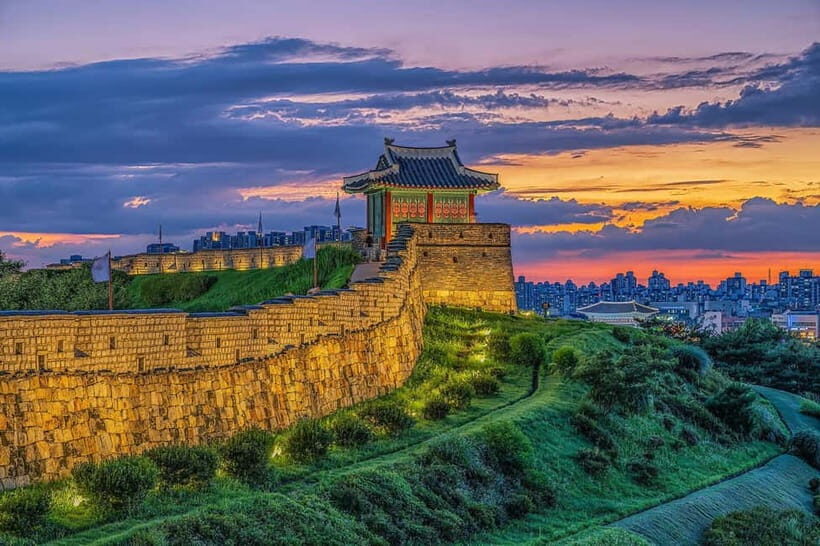
- Suwon Hwaseong Fortress is UNESCO-listed and includes a guided look at wall engineering and major gates/towers
- Seasonal night programming exists: August has a lantern-lit night festival at the Folk Village
- Mid-October adds a media art show at Hwaseong Fortress with light-and-projection storytelling
- Central Seoul pickup and multiple drop-offs make it easier to fit around your hotel or neighborhood
- $67 covers transport and entrance fees but meals are on you
Joseon-era Korea in one day: what this itinerary is really doing
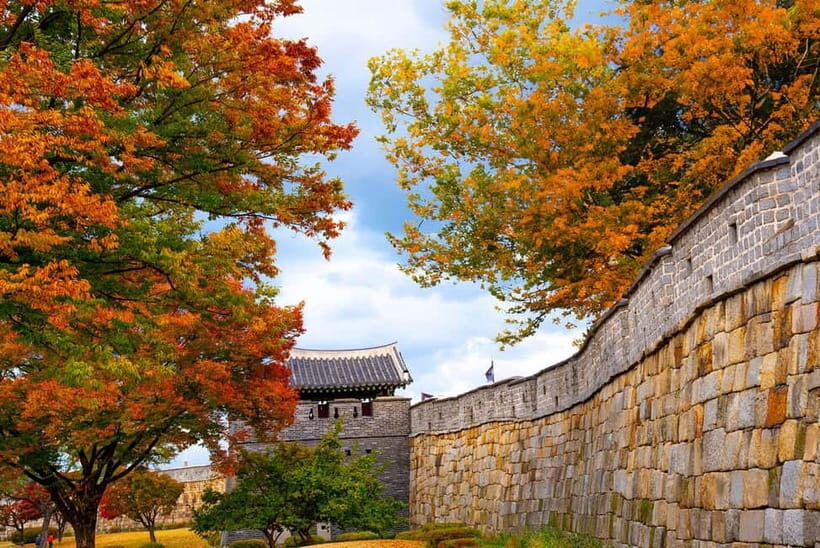
This day trip from central Seoul is built to hit two big “wow” factors in one go: a recreated Joseon-world at the Korean Folk Village and the real, physical scale of Suwon Hwaseong Fortress. The Folk Village helps you understand what life looked like, while the fortress gives you the political and engineering side—why the walls look the way they do, and what the fortification was designed to do.
Timing is the trade-off. You’ll spend about 3 hours at the Folk Village, then around 1.5 hours for a guided fortress visit, plus about 1 hour at Nammun Market. That’s enough time to see the highlights, but not enough to turn the day into a slow museum crawl.
You can also read our reviews of more tours and experiences in Seoul.
Korean Folk Village: traditional houses, performances, and real atmosphere
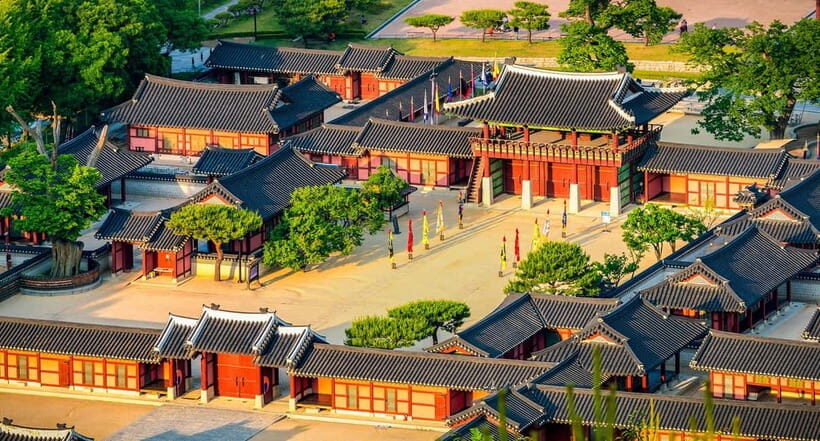
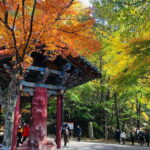
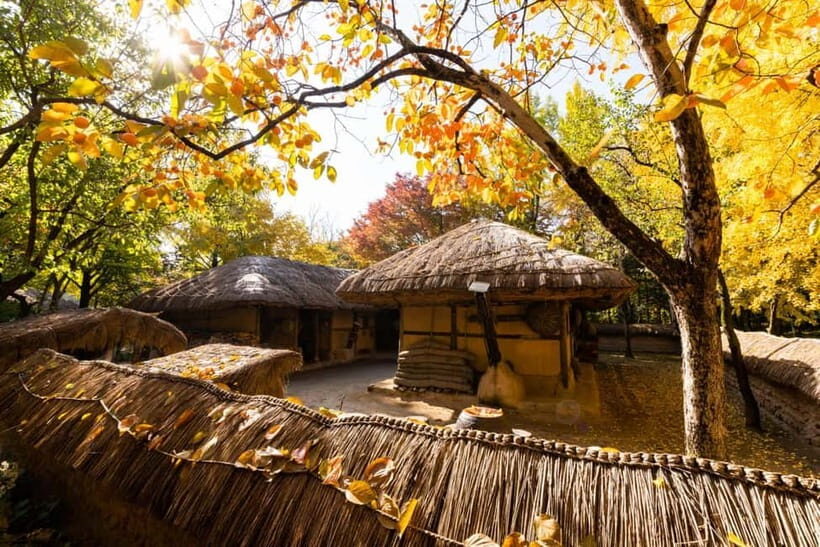
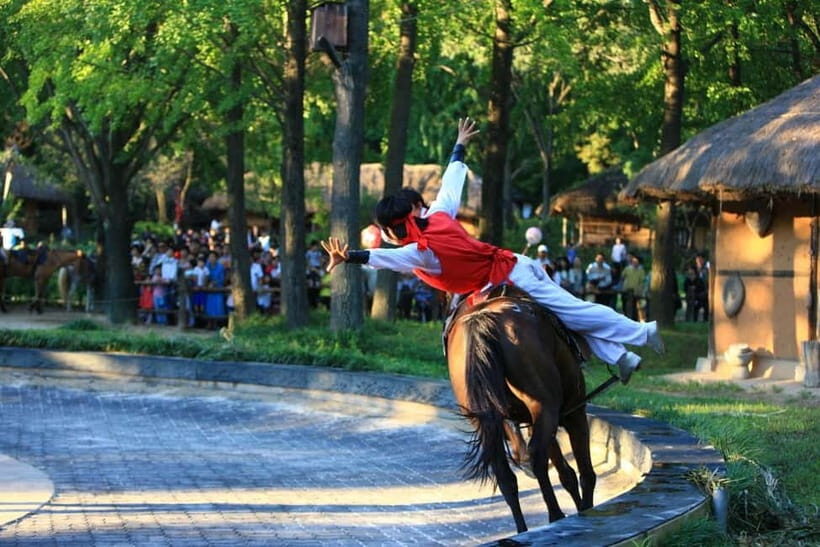
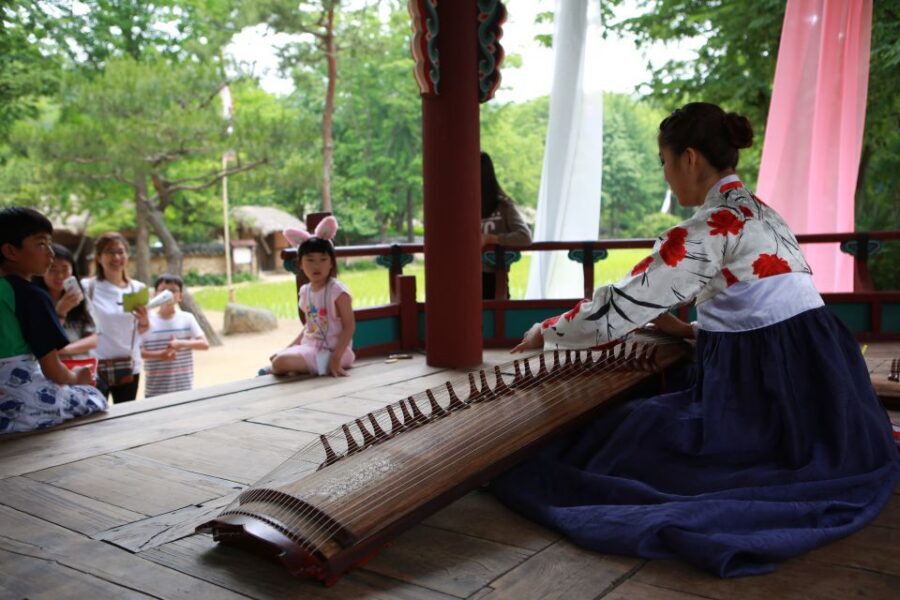
The Korean Folk Village is an open-air museum that recreates the environment of Korea’s late Joseon dynasty period. You walk through authentically reconstructed traditional houses, you can watch folk performances, and you get a sense of how people lived and worked back then. If you’ve ever read about that period or seen Joseon-era stories in films or TV, this is the kind of place that makes the timeline feel less abstract.
Here’s what to watch for when you’re there:
- Plan for walking inside the village. It’s not a “stand and watch” attraction. You’ll want to wear comfortable shoes.
- Use the performances as your pacing anchors. They help break up the outdoor strolling into something more structured.
- Take your time with details. Reconstructed buildings can look similar at first glance, but they usually have subtle differences that make the scale and setting feel more believable.
If you’re doing the August night version, the atmosphere shifts. The evening focus is on lantern-lit paths and starlit traditions, so you’ll get the same Joseon-world concept with a very different mood.
Suwon Hwaseong Fortress: UNESCO walls and the engineering story behind them
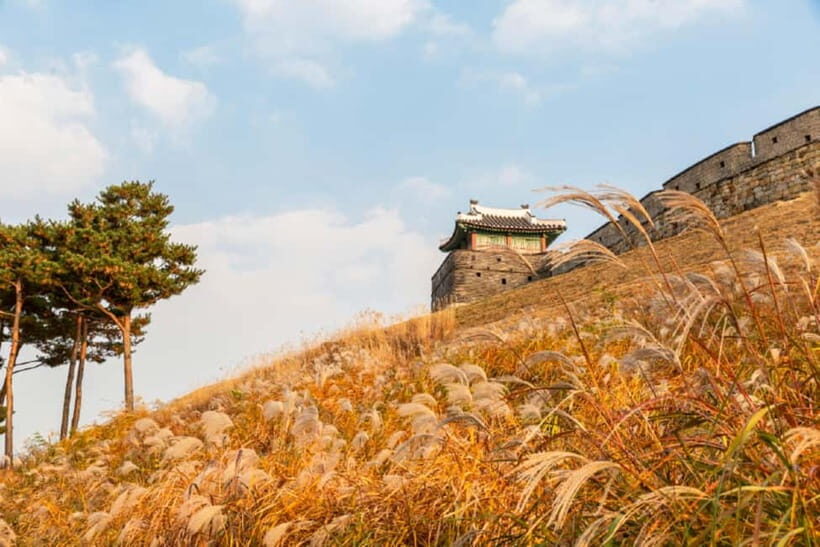
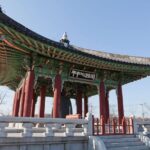
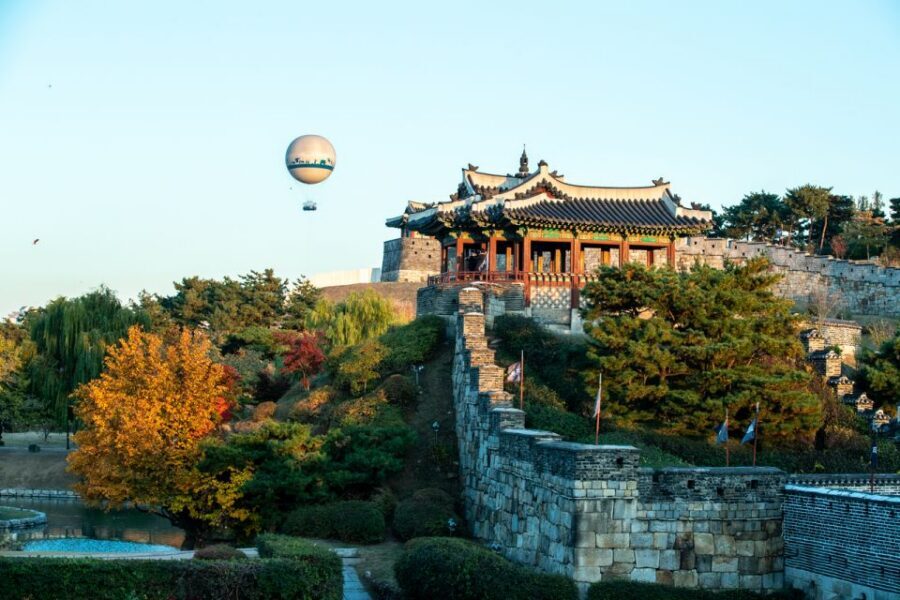
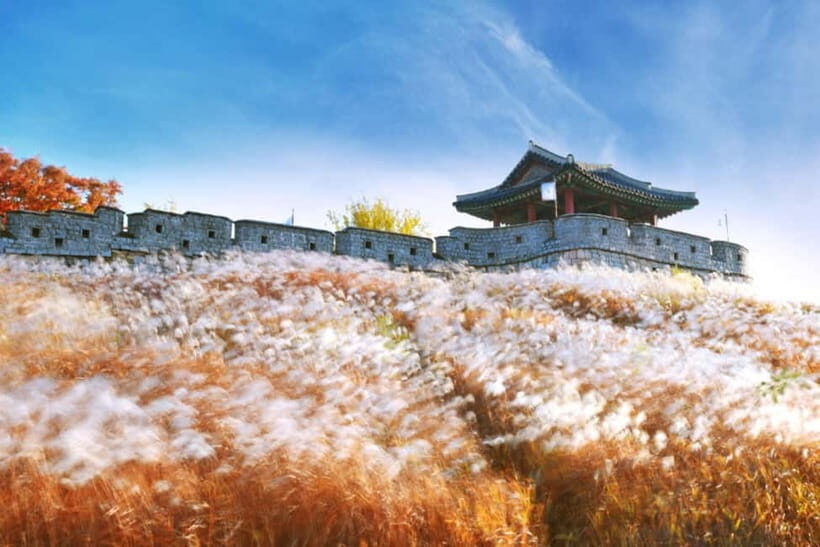
Suwon Hwaseong Fortress is the anchor site of the tour, and for good reason. It’s UNESCO-listed, built in the late 18th century, and known for its intricate design that blends Eastern and Western architectural influences. On the ground, that means you get a fortress that feels both massive and carefully planned.
Your time includes a guided tour and sightseeing along the fortress route, with chances to look at imposing gates and towers. The guide’s job here is to connect what you’re seeing to why it was built that way—especially the engineering choices that helped the fortress function as defense rather than just a monument.
A practical tip: fortress walls can be uneven or expansive. You’ll want to keep your pace steady, especially if the day is also moving you toward market time or a night program. One of the most common “positive with a caveat” notes is that people can start to feel rushed—so I recommend you pick a few spots that you really want to linger at, rather than trying to photograph everything.
Nammun Market stop: snacks, souvenirs, and local rhythm
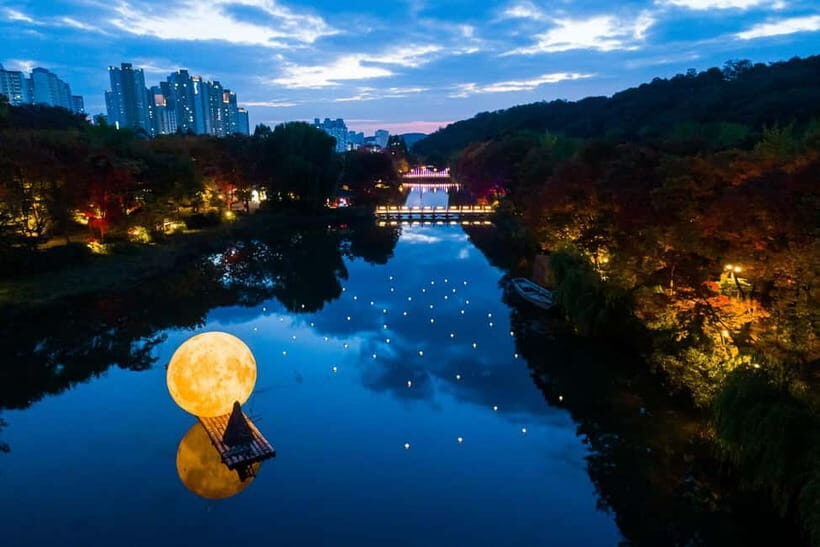
Between the big history sites, the tour includes free time at Suwon Nammun Market for walking and local snacks, plus browsing for souvenirs. This is where the day shifts from “historic reconstruction” to everyday Suwon energy.
What makes this stop useful is that it gives you a low-effort way to taste the region without turning the day into a food scavenger hunt. Since meals aren’t included, this is your best built-in chance to grab something filling. If you skip it, you’ll need to plan your own food stops later.
One thing to know: it’s only about 1 hour here, so treat it like a quick refuel and souvenir browse window.
August Fridays and lantern-lit nights at the Folk Village
There’s a special seasonal pattern from August to mid-October on Fridays: the tour runs with a late departure, and the evening programming becomes the point of the day.
In August, the flow is adjusted so that you visit Suwon Hwaseong Fortress first, then head to the Korean Folk Village night festival. Expect lantern-lit paths and a focus on traditional atmosphere under the night sky. This version is ideal if you like your photos at night, enjoy slower evening vibes, or simply want history to feel a bit less daytime, museum-like.
If night scenes are your thing, this is the month to pick. The day already has a lot of sights; lantern lighting turns it into something more memorable than just “another outdoor museum.”



Mid-October Suwon Hwaseong Media Art Show: lights, projections, and storytelling
Come mid-October, the tour adds a modern tech layer at the fortress. After your Folk Village time, you’ll see the Suwon Hwaseong Media Art Show, described as a high-tech recreation of King Jeongjo’s historical parade told through lights and projections.
This is a smart pairing with the fortress itself. On a normal day, you look at architecture and walls. With the media show, the visuals help connect the space to history in a way that’s easier to follow, even if you’re not a deep scholar of the era. It’s also a good option if you want a break from walking but still want the main site to feel like the center of the experience.
Starting and ending in central Seoul: how the logistics affect your day
The tour is designed for convenience, beginning and ending from central Seoul locations. Pickup points can vary based on your chosen option, and you return to Seoul with multiple drop-off locations, including:
- Lotte Department Store Main Store
- Hongik Univ. Station Exit 4
- Dongdaemun History & Culture Park Station Exit 10
(Plus additional Seoul drop-off points depending on the option.)
Transportation is a major part of the day. The schedule includes a coach ride out (about 80 minutes), then a longer return leg (around 2.17 hours). That’s enough time to relax, but it also means you should be ready for a long, full day overall.
If your hotel is in a central area, this setup usually feels worth it. If you’re staying far out, double-check your pickup/drop-off details so you’re not adding extra commuting on your own.
Price and value: is $67 fair for Suwon and the Folk Village?
At $67 per person, you’re paying for a full-day combo with the basics handled: round-trip transportation, an English/Chinese speaking tour staff, and entrance fees.
Meals and drinks are not included, so you’ll still budget for lunch/snacks—especially since the Nammun Market stop is your built-in food window. But if you were to do this on your own, you’d still pay for getting to Suwon, tickets, and the time cost of planning. The value here comes from having a structured route, guided context, and a day that runs long enough to cover two major attractions without you stitching together multiple half-day plans.
In plain terms: this is a solid price for people who want history and organization more than they want total freedom.
The “how it feels” section: pacing, walking, and when you’ll be tired
This is a 10–11 hour day, and your energy will dip in two places: after the Folk Village walking and again after the fortress stretch. The good news is that there are defined breaks—coach travel time and the market stop.
Still, based on common feedback patterns, there’s a real possibility of feeling a bit rushed, especially if you tend to take your time at photo points or you like reading every sign. One helpful strategy is to set expectations: aim to see the big things well, not everything perfectly.
Also, keep an eye on conditions. The schedule notes that the itinerary may shift due to weather and traffic, which can affect timing. Bring the right mindset: you’re buying a guided day, not a tightly scripted minute-by-minute clock.
Who should book this tour (and who might prefer something else)?
This tour is a great fit if you:
- want an easy first-day outing from Seoul that hits both reconstructed Joseon life and UNESCO architecture
- like guided explanations that connect what you see to the story behind it
- enjoy a day that includes both sightseeing and a food/souvenir stop
It may be less ideal if you:
- want a slow travel pace with lots of free roaming and no schedule pressure
- plan to spend hours inside every building or tower and read every exhibit line-by-line
- hate long days with multiple walking sections
If you want to maximize your results with the least planning, this one works.
Guides matter: why the best days feel smooth
The guide experience shows up in the feedback again and again. Names like Jonathan, Laura, Sunny, and Jamie come with consistent praise for making the day fun, answering questions patiently, and keeping the flow moving. That matters because a fortress and an outdoor folk museum can otherwise become a “see it, leave it” checklist.
If you get one of those strong communicators, you’ll likely get more out of both sites—especially the fortress engineering story and how the Folk Village represents the late Joseon atmosphere.
Should you book this Suwon Hwaseong and Folk Village day trip?
Book it if you want a structured, high-value day that combines UNESCO fortress sights with Joseon-era life reconstruction, plus a seasonal night experience in August or a media show in mid-October. The $67 price makes sense when you factor in transport and entrance fees, and the central Seoul pickup/drop-off saves you planning time.
Skip it (or switch your expectations) if you want lots of free time or you’re sensitive to a long schedule and walking. In that case, consider a more flexible plan where you can linger, because this one is designed to cover major highlights efficiently.
FAQ
FAQ
How long is the Suwon Hwaseong Fortress & Folk Village tour?
It runs about 10–11 hours, depending on the starting time available.
Where do you get picked up and where do you return?
Pick-up starts from central Seoul locations (meeting point can vary by option). You return to Seoul with drop-offs including Lotte Department Store Main Store, Hongik Univ. Station Exit 4, and Dongdaemun History & Culture Park Station Exit 10.
What’s included in the price?
The tour includes round-trip transportation, an English/Chinese speaking tour staff, and entrance fees.
Are meals included?
No. Meals and drinks are not included, so you’ll want to budget for food during free time like the market stop.
Which languages do the guides speak?
The tour staff is listed as live guides in Chinese, English, and Korean.
Is there an evening version of the tour?
Yes. There’s an optional night tour with lantern-lit paths and starlit traditions, and there’s a late departure on Fridays from August to mid-October.
What happens in mid-October?
The tour includes a media art show at Suwon Hwaseong Fortress, featuring light-and-projection storytelling of King Jeongjo’s historical parade.
What should I bring?
Bring comfortable shoes for walking at both the Korean Folk Village and Suwon Hwaseong Fortress.
Are infants free?
Infants aged 0–2 are free of charge if they do not occupy a seat.
What if I’m bringing a stroller?
You should inform the tour operator 48 hours beforehand if you plan to bring a stroller.