REVIEW · SEOUL
From Seoul: DMZ Tour with Optional Heroes Suspension Bridge
Book on GetYourGuide →Operated by Seoul N Tour · Bookable on GetYourGuide
A day trip that feels politically real. You’ll ride out of Seoul to Korea’s DMZ to see the Freedom Bridge, Dora Observatory, and the experience of entering the 3rd Infiltration Tunnel.
I especially like how the tour turns big headlines into real places you can stand on, from the solemn memorial mood at Imjingak Park to the views across to North Korea’s propaganda village at Dora. One drawback to plan around: DMZ access and timing can change due to military controls, and in those moments you might be turned back or see substitute stops.
Key highlights at a glance
- Freedom Bridge walking stop for a rare, concrete view of the DMZ boundary
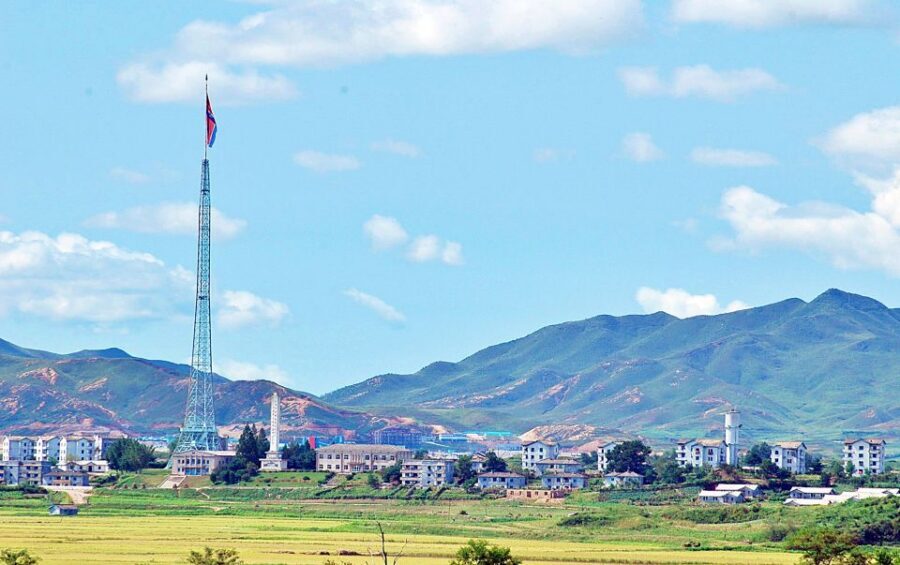
- Dora Observatory for a peek toward North Korea, including a look at the propaganda village
- 3rd Infiltration Tunnel (you enter) to feel how this conflict was engineered
- Imjingak Park with the Bell of Peace and memorial sights that ground the day
- Optional full-day add-on to Gloucester Hill and Gamaksan Heroes Suspension Bridge
In This Review
- From Seoul to the DMZ: what this day is really like
- Imjingak Park and the Bell of Peace: start with the human side
- Freedom Bridge walking stop: the view you’ll remember
- Dora Observatory: looking toward North Korea without needing a time machine
- Entering the 3rd Infiltration Tunnel: the stop with real weight
- The DMZ Exhibition Hall, the Third Tunnel concept, and what you learn in motion
- Gloucester Hill and Gamaksan Heroes Suspension Bridge: the optional “full-day” add-on
- Timing, security controls, and the reality of DMZ access
- Price and value: what $50 gets you (and what it doesn’t)
- Who should book this DMZ tour (and who should skip it)
- What to bring so the day goes smoothly
- Should you book this DMZ tour?
From Seoul to the DMZ: what this day is really like
This is one of those trips where the transport time matters. You’re leaving Seoul and heading to Gyeonggi Province, and you’ll spend the morning focused on getting oriented—history first, sights second, and emotion tucked in between.
Expect a guided day with lots of walking but not complicated logistics. The tour includes pickup from select subway stations and hotels, plus transportation and a live English guide. You’ll finish back in central Seoul at 서울특별시청, which makes it easier to continue your day without guessing how to get home.
Imjingak Park and the Bell of Peace: start with the human side
Imjingak Park is a good “breather” before you go deeper into the military geography. It’s not just scenery. You’ll see places that reflect Korea’s long-running pain and hope for peace—especially the Bell of Peace, plus the Mangbaedan and the Monument for Soldiers.
I like this stop because it slows the whole day down. Instead of rushing from one DMZ headline to the next, you get context for why the DMZ still affects normal life. If you’re the type who wants meaning (not just photos), this is where the trip starts to click.
You can also read our reviews of more tours and experiences in Seoul.
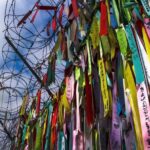
Freedom Bridge walking stop: the view you’ll remember
Then you’re at the Freedom Bridge. You’ll walk it, take in the DMZ setting, and get the kind of “I’m standing here because history happened” feeling that’s hard to get from books.
The practical upside: it’s a clear, straightforward moment on the route. You’re not waiting in a long line for something abstract; you’re stepping onto a specific place tied to the concept of separation—and the guide’s explanations help you read it instead of just looking at it.
Dora Observatory: looking toward North Korea without needing a time machine
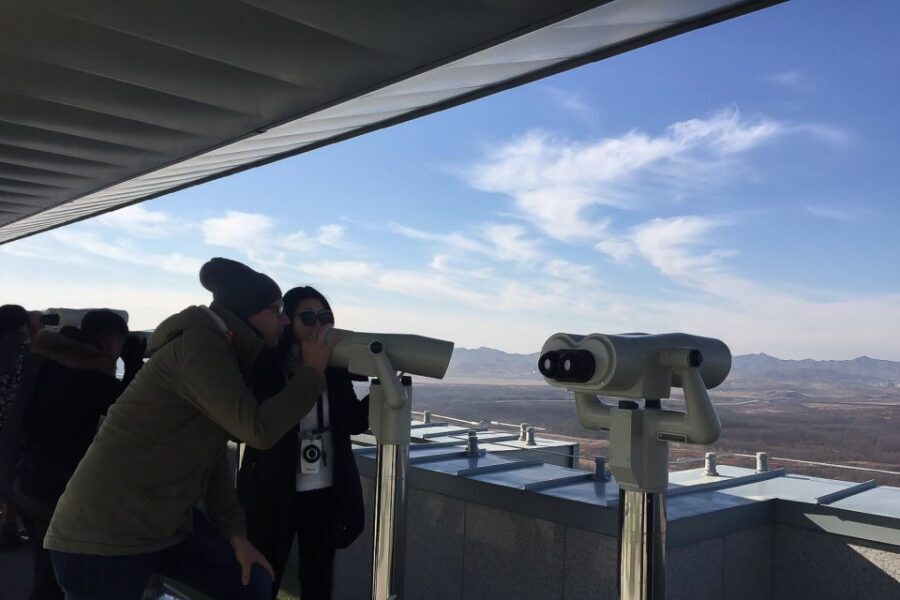
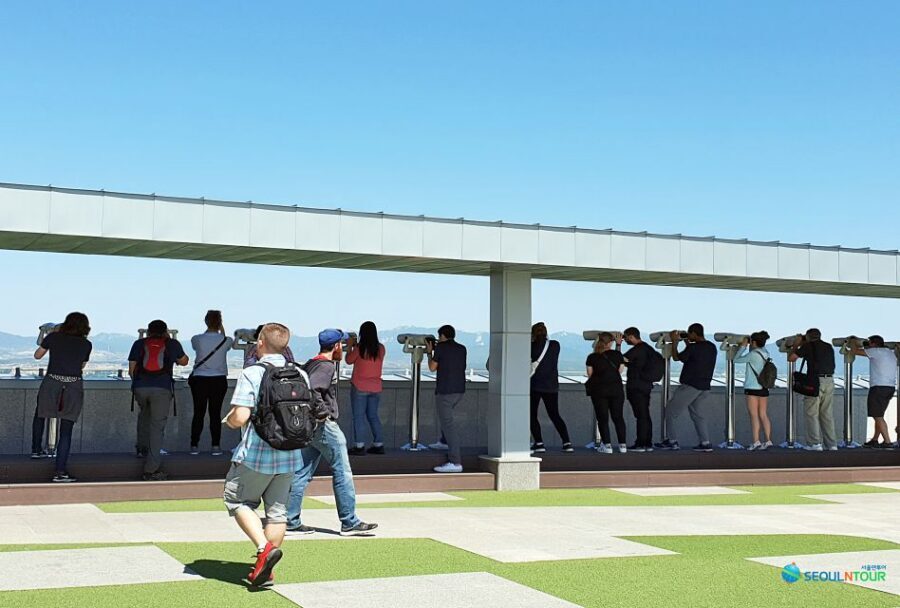
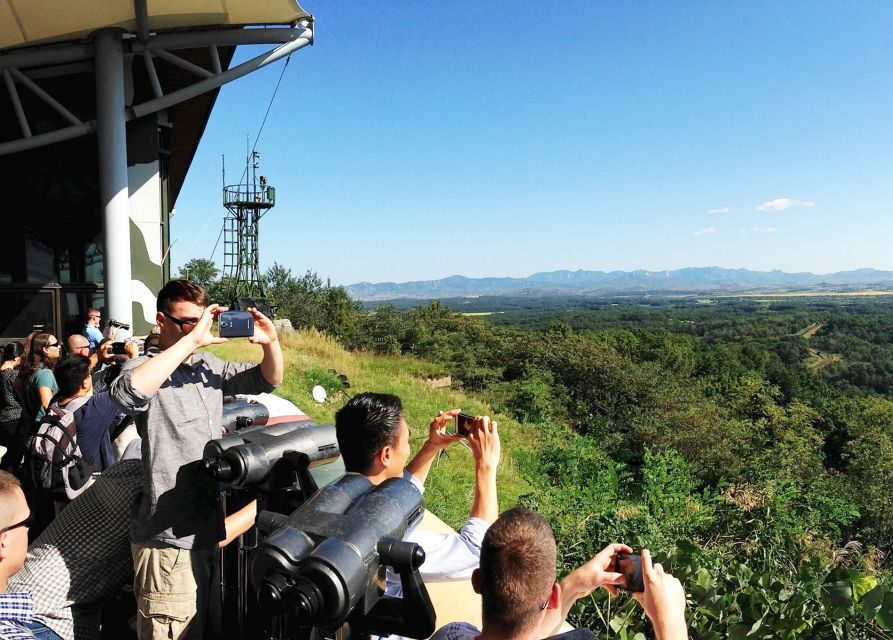
At the Dora Observatory, you get a rare line-of-sight look toward North Korea. The key detail is that from this viewpoint you can get a peek at the propaganda village.
This stop tends to land differently for different people. Some travelers focus on the technology and viewing platform. I think the stronger impact is political and human: you’re seeing how one side presents itself, while the reality is shaped by the division you’re touring.
Also, Dorasan Station is currently closed temporarily by the military, so don’t count on using it as a major sightseeing win. You’ll still get plenty of DMZ-related stops, but it’s good to keep expectations flexible.
Entering the 3rd Infiltration Tunnel: the stop with real weight
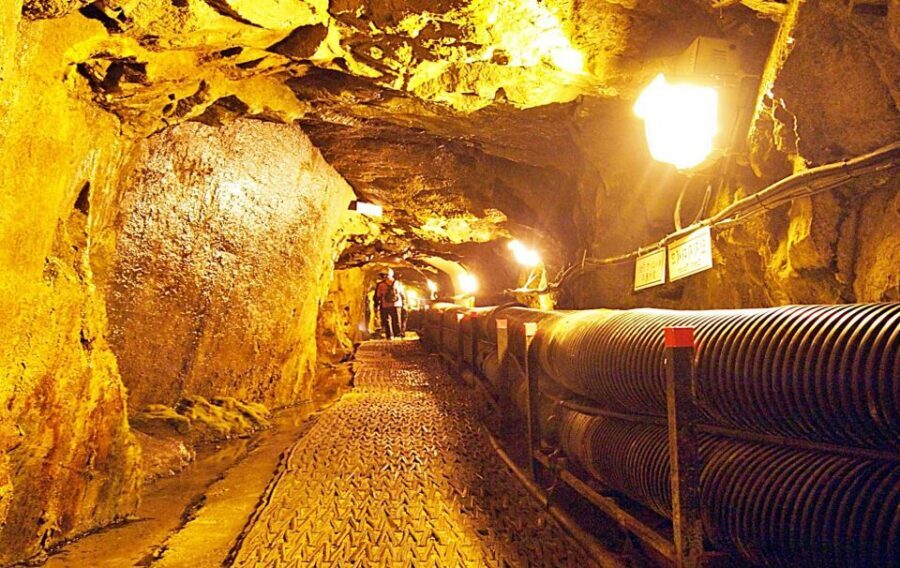
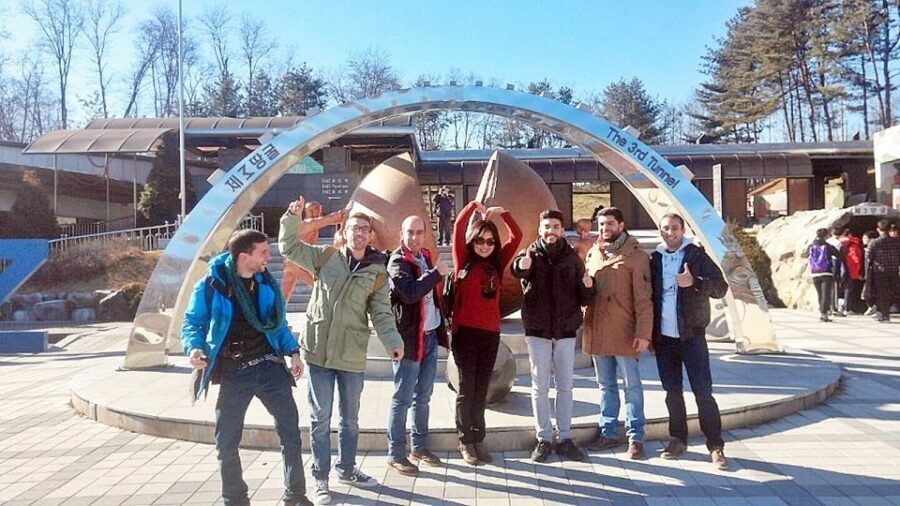
The highlight for many first-timers is that you can actually enter the 3rd Infiltration Tunnel. That’s the difference between a normal viewpoint tour and something more intense. This isn’t just looking; you’re moving through a space built for infiltration.
If you don’t love tight spaces, take the warning seriously. This tour is not suitable for people with claustrophobia, and the experience involves enclosed areas as you go inside. Bring sturdy, grippy shoes—slippery surfaces can happen, especially in colder months.
One more tip: treat the tunnel like the “main event.” Don’t go into it hungry, distracted, or rushing. Give yourself a calm moment before you enter so you can actually process what you’re seeing and hearing.
The DMZ Exhibition Hall, the Third Tunnel concept, and what you learn in motion
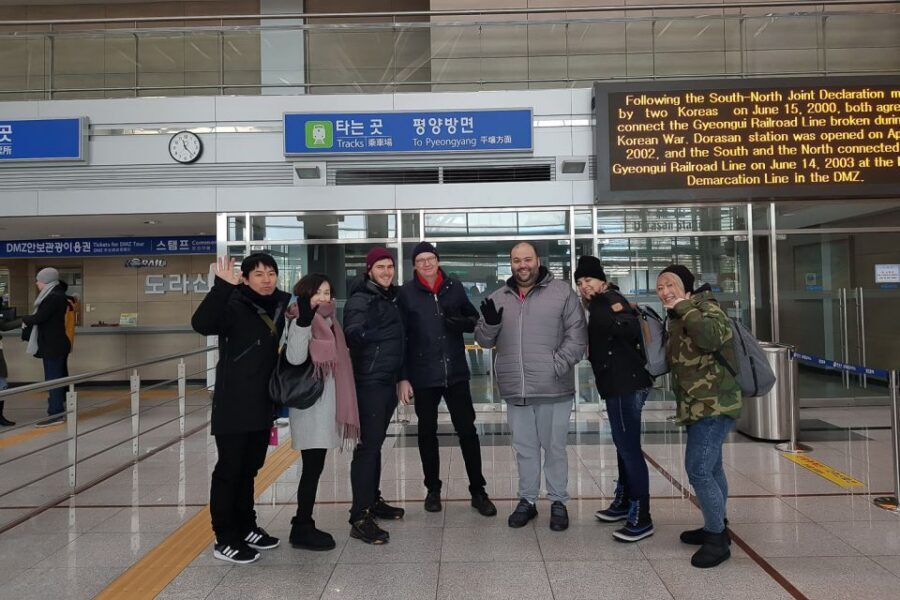
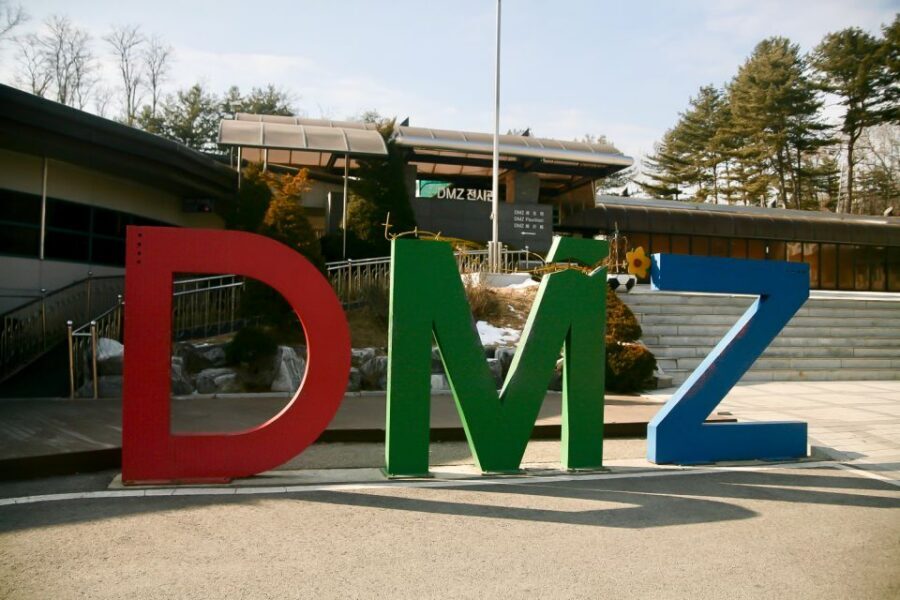
You’ll also visit the DMZ Exhibition Hall and see the tour’s broader set of DMZ history points, including the Third Tunnel of Aggression framing. The guide’s job is to connect the dots: why this conflict produced these structures, and how the story has stayed alive in the present.
I like this part because it helps you understand the DMZ as more than a border line. It’s a system of physical barriers, surveillance, and political signaling—plus the everyday reality of how often things can shift on the ground.


Gloucester Hill and Gamaksan Heroes Suspension Bridge: the optional “full-day” add-on
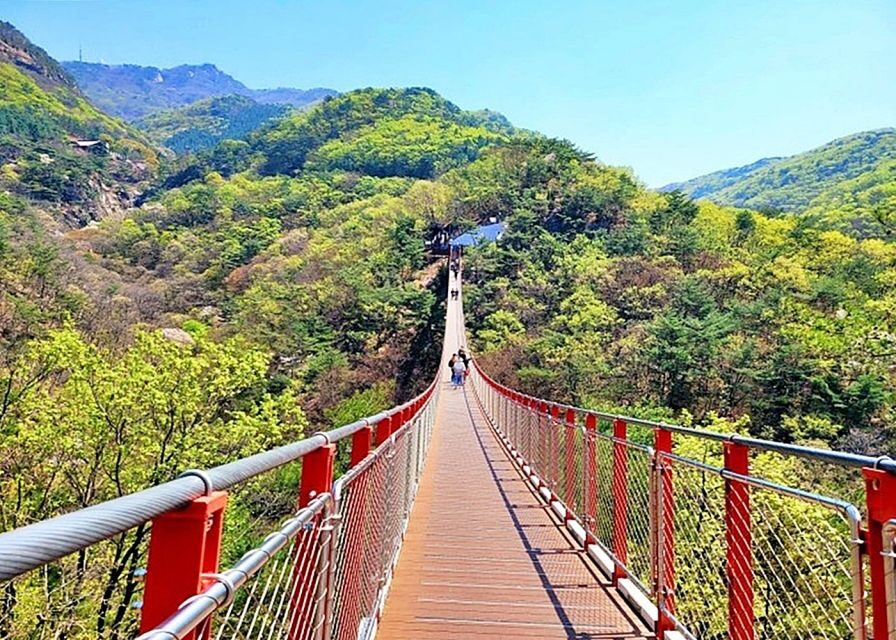
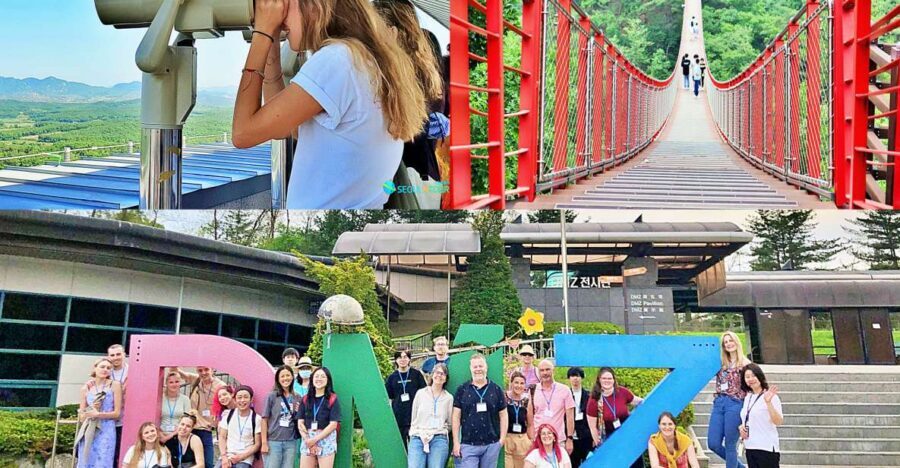
If your schedule allows the full-day option, you’ll head to Gloucester Hill Memorial Park, then to the Gamaksan Heroes Suspension Bridge near the DMZ.
This is where the tour adds a more outdoors-and-walks feel. Gloucester Hill is tied to the Korean War battle landscape, and the suspension bridge adds a “stretch your legs and get a big photo” element. If you fear heights, plan carefully: the tour is not suitable for people afraid of heights.
I’d also plan for slippery conditions. Even when weather seems fine in the morning, icy or wet patches can make bridge crossings tricky. Wear shoes with real traction and take your time.
If the suspension bridge is closed due to heavy rain, snow, or security controls, the tour will switch plans. You’ll visit the Odusan Unification Observatory or the War Memorial of Korea instead, so you’re not stuck with a dead day.
Timing, security controls, and the reality of DMZ access
DMZ tours don’t run like museum hops. Timing can be delayed or shortened depending on the situation at the border area. The tour also notes that due to heightened tensions, you may face military controls—and sometimes you’ll be asked to turn back suddenly.
Here’s the part you should mentally prep for: if you can’t proceed at the DMZ that day, the tour may go forward with a DMZ Special Tour without refund. That doesn’t mean the day is a bust—it means you need flexibility and the right mindset going in.
I also like that the day is guided and structured around those realities. You’re less likely to get stranded or confused because the tour keeps moving, even when access changes.
Price and value: what $50 gets you (and what it doesn’t)
At around $50 per person, this tour is a strong value if you’re using it for what you can’t easily DIY. You’re paying for pickup from select locations, transportation, an English-speaking guide, and entrance fees to the included sites.
What you should budget extra for:
- Lunch isn’t included
- Hotel pickup/drop-off isn’t included (pickup is from select spots)
- JSA (Joint Security Area) is not included
Also, remember you might spend a lot of the day walking and waiting inside security-related systems. If you’re traveling with a very tight schedule, you may not feel like paying for time. But if you want a guided, organized way to see the DMZ highlights, the value is solid.
Who should book this DMZ tour (and who should skip it)
This is best for first-timers who want a guided introduction that’s more than a quick photo stop. If you care about how Korea’s division still shows up in physical places—bridges, tunnels, observatories—this fits.
It’s also a good choice if you want a guide who can explain both history and the current political context. The tour is led in English, and guides like Junie, Brian Kim, Young, and Sookhee are repeatedly praised in feedback for clear storytelling and pacing.
But skip it (or at least choose another format) if any of these apply:
- You use a wheelchair or walker (not available)
- You’re pregnant or have serious medical conditions, heart/respiratory issues, back problems, or high blood pressure
- You have claustrophobia
- You fear heights (especially with the suspension bridge option)
- You’re over 75
- You can’t follow strict on-site instructions
The tour also bans military-style clothing and items like walking sticks and frames, so pack for normal comfortable travel gear.
What to bring so the day goes smoothly
Don’t overthink it. Bring:
- Passport (required)
- Comfortable shoes with grip
Avoid:
- High heels, sandals/flip-flops
- Alcohol and drugs
- Pets
- Walking sticks or walking frames
One small timing note: the voucher time isn’t the pickup time. Your exact pickup spot and time get emailed to you about a day before. If you don’t see it, check spam first.
Should you book this DMZ tour?
Yes, if you want the DMZ highlights in a single day with an English guide and don’t want to wrestle with on-the-ground uncertainty. The Freedom Bridge walk, Imjingak Park memorials, Dora Observatory’s view toward North Korea, and especially entering the 3rd Infiltration Tunnel are the kind of experiences that don’t come from scrolling videos at home.
I’d say book it sooner rather than later if this is your first trip to Korea and you’re short on time. Just go in with flexibility about security checks, skip it if your health situation or fears don’t match the tour requirements, and plan to handle weather if you choose the suspension bridge option.