REVIEW · SEOUL
DMZ Highlights & Exclusive Defector Interview – True Human Story
Book on Viator →Operated by Cosmojin Agency · Bookable on Viator
The DMZ has a human heartbeat. This full-day trip from Seoul strings together the key DMZ stops and adds one truly rare ingredient: time with a North Korean defector and a real Q&A that reframes everything you see. You get the DMZ sights in one organized sweep, plus guide commentary that keeps the day from turning into a photo-collecting contest.
I especially love the defector interview portion. In the runs I’d pick, the guide helps translate, and the conversation turns into questions about history and everyday life—something most DMZ tours can’t replicate. One potential drawback: the schedule is tight, there’s no lunch included, and you’ll want to plan for walking and timing that depends on security.
On the sight side, I love how the route balances memorials, hard-to-forget structures, and distant viewpoints. The Third Tunnel visit and Dora Observatory stop are the kind of moments that make the peninsula feel less abstract and more physical. The tradeoff is simple: it’s a long day, so bring snacks and comfortable shoes, and you’ll be in good shape.
In This Review
- Key highlights worth building your day around
- One long DMZ day from Seoul: what you’re really buying for $27
- Meeting at 92 Sejong-daero and how the day flows
- Imjingak Pyeonghoa-Nuri Park: where the peninsula story starts
- The DMZ proper: why 40 minutes can feel like a lot
- Third Tunnel: history you can feel in your legs
- Dora Observatory: binocular-level distance to North Korea
- Tongilchon-gil Unification Village: small-scale life north of the line
- Gamaksan Chulleong Bridge option: confirm your course before you go
- Myeongdong time: a little Seoul reset after the border
- The defector interview: the moment that changes your mental map
- Guide energy matters: SP Hong is a name people trust
- Walking, snacks, and packing like a smart adult
- Price vs value: what $27 actually buys you
- Who should book (and who should rethink)
- Should you book this DMZ highlights and defector interview tour?
- FAQ
- How long is the DMZ tour from Seoul?
- What is included in the tour price?
- Do I need a passport?
- Is lunch included?
- Does the tour include the suspension bridge?
- What happens if the DMZ closes suddenly?
- What if I miss the departure time?
Key highlights worth building your day around
- North Korean defector Q&A that adds context fast
- Imjingak memorial stops tied to POW freedom stories
- Third Tunnel visit, including a documentary and a real walking workout
- Dora Observatory views of Gaeseong and the Propaganda Village sightline
- Tongilchon-gil Unification Village and its specific agricultural products
- Gamaksan Chulleong Bridge as a true option, not a guarantee
One long DMZ day from Seoul: what you’re really buying for $27
This tour is priced at $27 per person, and at that level you’re not just paying for “transport plus tickets.” You’re paying for an organized route through a place that’s heavily controlled and often changes in real time. When security affects access, the tour company may swap in an alternative plan, which matters because DMZ entry isn’t like a museum line you can always predict.
The other part of the value is the human story. Most DMZ experiences give you the geography and the policy. This one gives you a voice—through an interview with a North Korean defector—so the sites land as lived reality, not just a lesson.
The day runs about 7 to 9 hours, with a morning start at 7:30 am. It’s also capped at a maximum of 90 people, so you’re in a group setting, but not some endless mega-bus situation.
You can also read our reviews of more tours and experiences in Seoul.
Meeting at 92 Sejong-daero and how the day flows
You start at 92 Sejong-daero, Jung District, Seoul. The meeting is set for 7:30 am, and your day ends back at the meeting point area (with the tour also using the City Hall area as a reference point during the day).
You’ll ride in an air-conditioned vehicle and you’ll get a mobile ticket. In practice, that means you’ll want your passport ready and your timing tight—this is one of those days where being late can mean you miss departure, with no changes afterward.
Also note the pace: sites are grouped tightly, and time windows depend on what the authorities allow that day. Even when the tour feels efficient, you’re dealing with a border zone that can change quickly.
Imjingak Pyeonghoa-Nuri Park: where the peninsula story starts
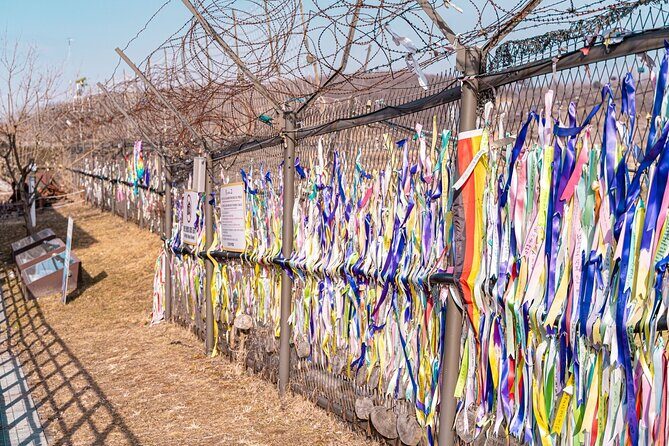
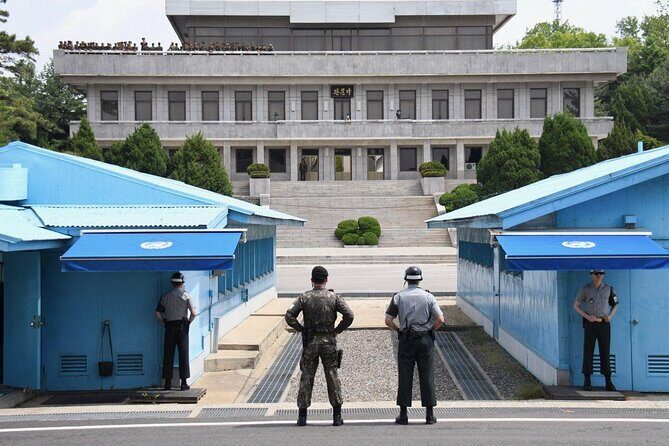
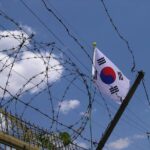
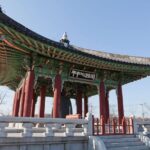
Imjingak Pyeonghoa-Nuri Park is where the tone shifts from Seoul life to reunification longing. You get around an hour here, and the place is built around symbols—rides and scenery right alongside barbed-wire fences, which is exactly the kind of visual contrast that makes the DMZ feel real.
Two stops you’ll hear about here are the Freedom Bridge and the Mangbaedan Bridge on the Imjingang River. The Freedom Bridge is noted for the 13,000 POWs who crossed to freedom in 1953. Mangbaedan Bridge is also tied to that same 13,000-POW story and is presented as a return-to-freedom symbol.
This section is valuable because it gives you an emotional frame before the day gets more intense. You’re not just seeing military geography; you’re seeing why people still care.
The DMZ proper: why 40 minutes can feel like a lot
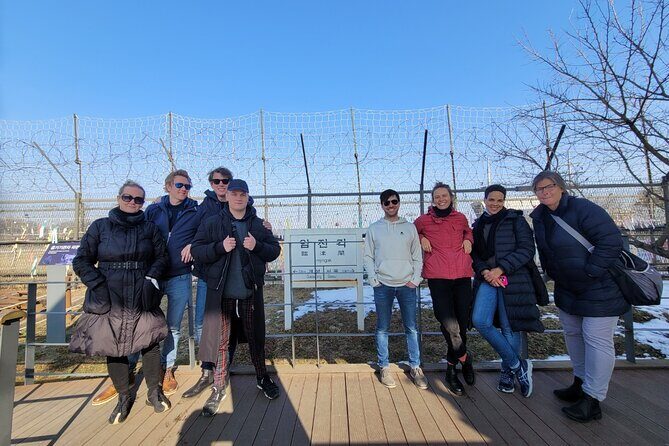
After transferring from Seoul, you spend time at the DMZ site itself (listed at about 40 minutes). That limited time can sound short, but it’s often exactly right for a controlled area where movement is monitored.
What I like about this structure is that the tour doesn’t pretend you can “experience the DMZ” fully in one go. Instead, it focuses on the most visitor-accessible highlights, and then it adds the interpretive layer through the guide’s commentary.
One reality check: the DMZ is a military area and can close suddenly without notice. If that happens, the tour company says an alternative tour will be provided and there are no refunds. So don’t plan your entire Seoul trip around this as the only thing you can do that day.
Third Tunnel: history you can feel in your legs
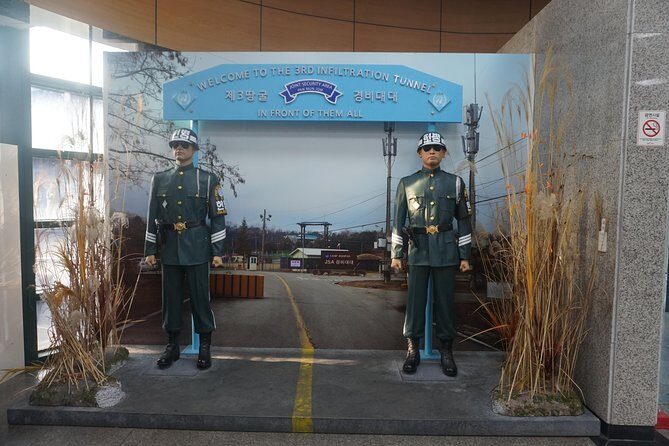
The Third Tunnel stop is one of the biggest physical and mental highlights of the tour. You’ll spend about an hour here, including time to explore the tunnel area and watch a documentary and view materials during the visit.
This tunnel is described as extending about 435 meters into South Korea, which is a detail that helps you understand why it’s not just an exhibit—it’s a serious piece of military infrastructure. And yes, it’s also a workout. In reviews tied to this experience, people specifically call out how demanding the walk is inside the tunnel and suggest it’s not for everyone, especially if you have mobility concerns.
If you’re going, treat it like you’re doing an indoor hike with tight footing and real physical effort. Comfortable shoes matter. And if you don’t handle crouching, uneven steps, or sustained walking well, you may want to mentally prep for an exhausting hour.


Dora Observatory: binocular-level distance to North Korea
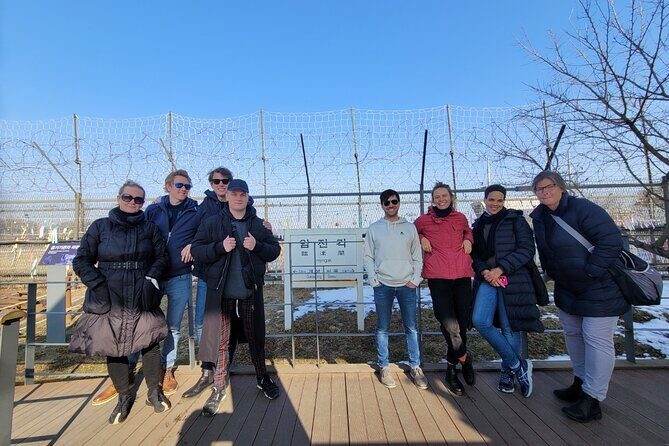
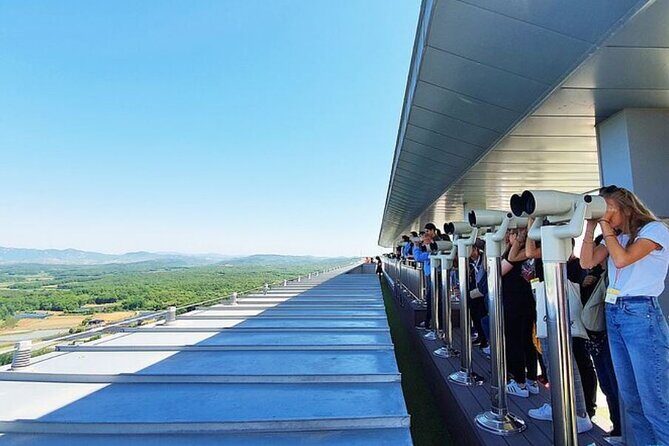
Dora Observatory is next, and it’s set up for seeing across the line rather than walking into history. You get about an hour, with a close-up viewing setup that includes Gaeseong City and the Gaeseong Industrial Complex area.
You’ll also see a fake North Korean border village called Propaganda Village. It’s not presented as real-life authenticity; it’s presented as a viewing target, and that changes how you interpret what you’re seeing. The observatory doesn’t just show you distance—it shows you what each side wants you to focus on.
This stop is great if you want a “map in your head” moment. After the tunnel’s intensity, the Dora Observatory provides a calmer, observational rhythm where you can connect the geography to the stories the guide is sharing.
Tongilchon-gil Unification Village: small-scale life north of the line
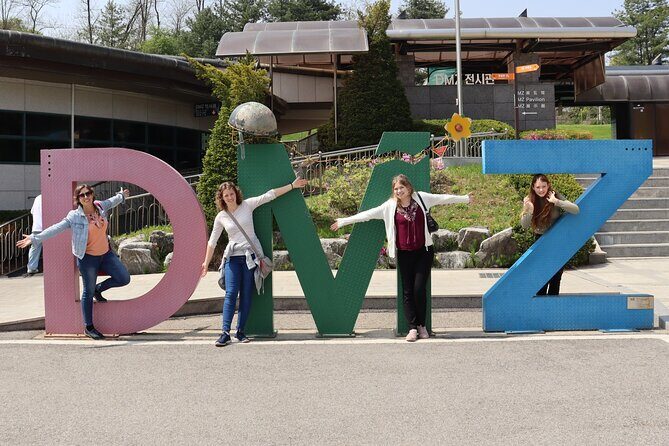
Tongilchon-gil, also called Unification Village, is located north of the Civilian Control Line. You’ll spend a short stop here (around 10 minutes), but it’s the kind of stop that helps you move beyond big political symbols.
The village is described as being known for agricultural products such as Jangdan ginseng and Jangdan soybeans. That detail matters because it reminds you reunification discussions aren’t only about tanks and treaties. They’re also about supply, food, and daily survival.
If you like your DMZ education to include everyday textures—not just concrete and wire—this quick stop is a useful counterweight.
Gamaksan Chulleong Bridge option: confirm your course before you go
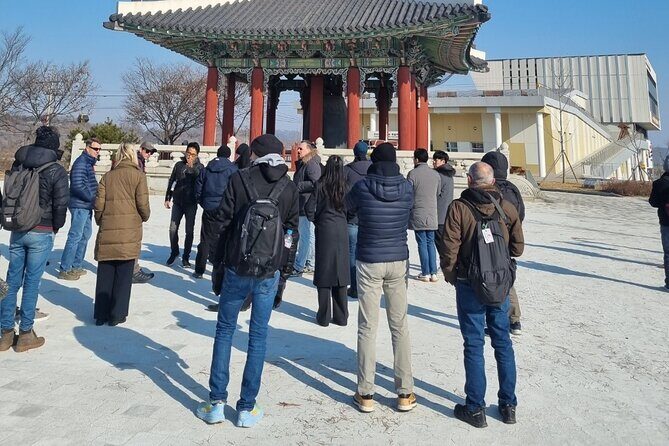
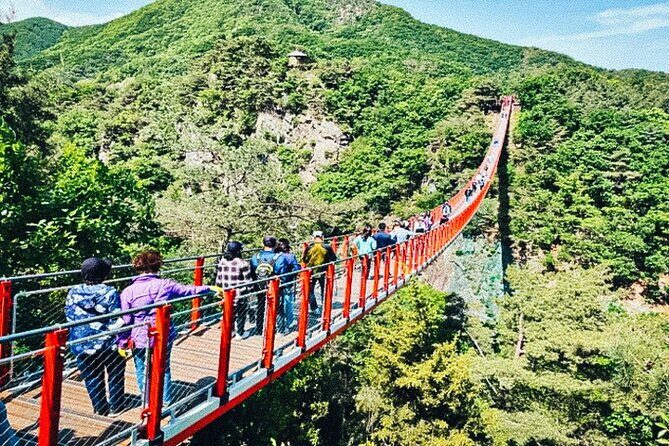
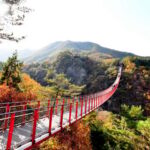
The Gamaksan Chulleong Bridge segment is listed as an option, and the tour notes that visiting it requires a 20–30 minute uphill walk. Comfortable shoes are recommended, and if you don’t like climbing for long stretches, consider keeping your expectations realistic.
There’s also a minimum number of participants requirement to proceed with the suspension bridge option. If that minimum isn’t met, you’ll be informed and the tour may need revision or change.
One more practical point: if you care a lot about this bridge, confirm during booking that you’ve selected the Gamaksan course. A past experience in the provided feedback complained that the suspension bridge wasn’t delivered as expected unless the specific course was chosen, so your best move is to double-check what’s included in your exact selection.
Myeongdong time: a little Seoul reset after the border
The tour includes time around Myeongdong (about an hour), with duration possibly adjusted depending on site conditions and traffic. This isn’t the main reason to book, but it helps you transition out of DMZ mode and back into Seoul life.
If you have energy for food, shopping, or just people-watching, Myeongdong can be a good place to land after a day that starts early and runs long.
The defector interview: the moment that changes your mental map
This tour’s standout is the defector meeting and interview. In the feedback tied to this experience, people consistently call it the primary reason to book. The Q&A format is a big part of that: you’re not just hearing a monologue; you’re asking questions and listening to specific answers.
Some reviews mention the defector being named Ms Cho, and they highlight that she was passionate and detailed. Other comments stress that the guide does strong translation work, which is crucial for a sensitive subject like this.
What I like about the way the day handles this is that it doesn’t treat the defector as a spectacle. It treats the interview as a learning moment, with the guide helping connect answers to what you’re seeing across the DMZ.
One practical tip if you’re curious: be ready with questions in advance. You don’t need to be a historian—simple, human questions work well. People also ask whether it feels scary, and the consistent message is that it can feel fascinating and informative rather than terrifying, especially with a good guide keeping the day grounded.
Guide energy matters: SP Hong is a name people trust
A guide named SP Hong shows up repeatedly in the feedback with praise for English ability and overall delivery. People mention him as organized and energetic, and they describe a balance of seriousness with comedy—plus a steady willingness to answer questions.
Why does this matter? Because a DMZ day is layered and sometimes chaotic: the sites are powerful, the logistics are real, and the facts can get heavy fast. A guide who can translate emotion into clear context helps you leave with understanding, not just impressions.
If your guide is SP Hong on your date, consider that a bonus. If not, still look for the same strengths: clarity, good translation, and the ability to answer questions without rushing.
Walking, snacks, and packing like a smart adult
Two realities shape your comfort level on this tour: distance and timing.
There’s no lunch included. That’s called out directly in feedback, and it’s why I recommend packing snacks so you’re not running on adrenaline. Even small bites and water help you stay patient during the long day.
Also plan for walking. The tunnel visit is demanding, and the bridge option (if you select it) includes an uphill walk of 20–30 minutes. Comfortable sneakers aren’t optional—they’re the difference between enjoying the experience and feeling miserable.
Finally, you must bring your passport. The tour is built for a controlled area, so don’t assume you can improvise.
Price vs value: what $27 actually buys you
At $27, you’re not paying for a luxury experience. You’re paying for access, organization, and interpretation. The included items list includes a certified English guide, interview time with a North Korean defector, all fees and taxes, and an air-conditioned vehicle.
Most of the “value” comes from the parts you can’t self-arrange easily: timing DMZ access, managing a multi-stop route in a day that can be affected by security, and bundling the defector interview with the key viewpoints.
So the real question isn’t whether the price is low. It’s whether you’re the type of person who will use that defector time well—by asking questions, listening carefully, and letting the story change how you read each stop.
Who should book (and who should rethink)
This is a strong match if you:
- want the defector interview as a central reason to go
- like structured context while you’re touring real-world border sites
- can handle an active day with walking and early departure
This might be less ideal if you:
- need guaranteed lunch and frequent breaks
- struggle with tunnel walking or long uphill routes
- hate schedule uncertainty, since the DMZ can close and swap plans may happen
If you’re traveling with mobility limitations, take the tunnel walk warning seriously. If you’re the type who gets cranky when plans shift, pack snacks and keep your expectations flexible.
Should you book this DMZ highlights and defector interview tour?
I think you should book it if the human story is what you’re after. The DMZ sights alone can be powerful, but the defector interview is the difference-maker here. At $27, the overall format feels like a strong learning day—especially when you choose good shoes, bring snacks, and plan for a long schedule.
Skip or adjust your expectations if you’re only chasing a “set of photos,” or if you’re counting on the Gamaksan suspension bridge without confirming your exact course. For the bridge option, treat it like a bonus that depends on your selection and the minimum participant requirement.
If you’re ready for a serious day that still feels guided and organized, this is one of the most direct ways to understand the DMZ in a single Seoul departure.
FAQ
How long is the DMZ tour from Seoul?
The tour duration is about 7 to 9 hours, depending on site conditions and traffic.
What is included in the tour price?
The tour includes a certified English guide, interview time with a North Korean defector, all fees and taxes, and an air-conditioned vehicle.
Do I need a passport?
Yes. All participants must bring a passport.
Is lunch included?
No. Lunch is not included, so you’ll want to plan for snacks.
Does the tour include the suspension bridge?
The Gamaksan Chulleong Bridge visit is listed as an option (with requirements and a walk of about 20–30 minutes uphill). It’s not guaranteed unless you select the course that includes it.
What happens if the DMZ closes suddenly?
If the DMZ is closed without notice, the tour company will provide an alternative tour and there are no refunds.
What if I miss the departure time?
No changes or refunds are given if you fail to arrive on time for departure, regardless of the reason.