REVIEW · SEOUL
10day Small Group Discover Korea Tour : History, Food and Culture
Book on Viator →Operated by Here Korea Travel · Bookable on Viator
Jeju to DMZ in 10 days is a lot. This small-group route strings together volcanic scenery, Silla-era history, and modern Seoul, with an English-speaking guide keeping the pace logical and the food stops easy to enjoy. I like that it includes entrance fees and most meals, so you spend less time budgeting minute-by-minute. One possible drawback: you still hit flights and early starts, so it’s not the best pick if you want zero rushing.
What I really liked is the mix of “look at it” and “do something with it.” You’ll get surreal Jeju geology, temple atmospheres (including a Golgulsa Temple Stay), and a real cooking class where you make dishes like bulgogi and kimchi. I also like how the plan keeps switching settings: coast, mountains, then palaces and markets, so the trip doesn’t feel like one long city loop.
My only caution is practical: flights can be delayed or canceled due to weather, and the itinerary can change that day. If you’re the type who hates schedule wiggle room, go in with flexibility.
In This Review
- Key things I’d bookmark before you go
- Price and what you really get for $3,800
- How the route feels: flights, pacing, and smart flexibility
- Jeju Island on Day 1–2: weird roads, volcanic caves, and beach time that fits
- Day 1: Dokkaebi Road to the black-and-white geology classics
- Day 2: caves, craters, black sand, and a market that feels lived-in
- Busan Day 3: markets, sky views, and Haedong Yonggungsa by the sea
- Gyeongju Days 4–5: Silla landmarks and the best kind of night views
- Day 4: temple beauty outside the city
- Day 5: tombs, astronomy, museum time, and the night pond stop
- Day 6: Maisan Mountain viewpoints, Tapsa pagodas, and Jeonju’s food-first culture
- Day 7: Suwon Hwaseong Fortress and fried chicken street before Seoul
- Seoul Day 8: palaces, hanoks, market snacks, and a night skyline
- DMZ Day 9: how to handle rules, tunnels, and the view from the observatory
- Day 10 in Seoul: NANTA comedy show and your hands-on k-cooking class
- Small-group feel: what “private” means for your comfort
- Who this tour fits best (and who should skip)
- Should you book this Korea trip?
- FAQ
- What’s the tour duration and start time?
- Where does the tour take place?
- Is pickup included?
- Does the price include flights and lodging?
- Are entrance fees included?
- How many meals are included?
- Is there a temple stay?
- What’s special about DMZ day?
- Is it refundable if I cancel?
Key things I’d bookmark before you go
- Jeju’s volcanic hits on Day 1–2: lava tubes, columnar cliffs, black-sand beaches, and crater views
- Temple night at Golgulsa: a true culture moment, not just a photo stop
- Busan’s seafood-and-sea mix: Jagalchi fish market plus a shoreline temple
- Seoul market time that actually eats: Gwangjang Market food and a hands-on k-cooking class
- DMZ with clear rules: first-come timing and controlled access, plus tunnel and observatory stops
Price and what you really get for $3,800
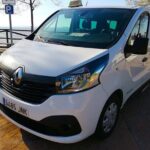
At $3,800 per person for a 10-day, small-group tour, the sticker shock is real. The value comes from what’s wrapped into the price: domestic flights (Gimpo to Jeju, then Jeju to Busan), 3.5–4 star accommodation for 9 nights, an AC vehicle, an English-speaking guide, and entrance fees on the plan. It also includes 7 breakfasts, 7 lunches, and 2 dinners—that’s a lot of meals covered in Korea, where eating out can add up fast.
In plain terms: you’re paying for coordination. Without this package, you’d be stitching together flights, hotel changes, transit, and tickets yourself across Jeju, Busan, Gyeongju, Jeonju, Suwon, Seoul, and the DMZ. If you’re the kind of traveler who’d rather focus on experiences than logistics, that’s where the money makes sense.
If you’re traveling solo with lots of flexibility and you’re comfortable DIY-ing internal transport, you might spend less. But you’d also spend more time managing it.
You can also read our reviews of more food & drink experiences in Seoul
How the route feels: flights, pacing, and smart flexibility
This tour is built around efficient geography: Jeju first, then the southeast coast (Busan), inland heritage areas (Gyeongju), food-forward stops (Jeonju), and a finish in Seoul plus the DMZ. You’ll switch hotels, not just neighborhoods, which is part of why this can cover so much in 10 days.
Timing notes you should plan around:
- Day 1 includes a flight from Gimpo Domestic Airport to Jeju (about 1 hour). The plan can adjust if weather causes delays or cancellations.
- You’ll have at least one UNESCO stop on the way into Seoul: Suwon Hwaseong Fortress.
- DMZ access has rules. You won’t reserve in advance; it’s first come, with an early meeting time. That matters more than it sounds.
- Even with included meals, you’ll sometimes have not planned meals (the tour notes this directly), so keep a little cash/card buffer.
The nice part is that your guide is there for the “how do we get there, what do we do next, and what should we eat?” work.
Jeju Island on Day 1–2: weird roads, volcanic caves, and beach time that fits
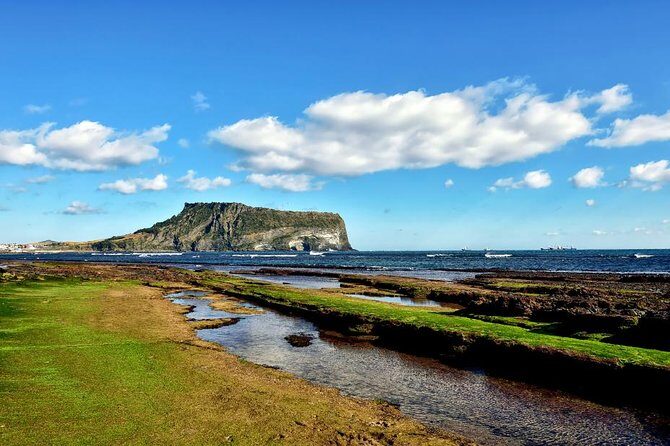
Jeju is the opening act, and it’s a good one because it sets up the trip’s theme: nature shaped by volcanic forces, plus culture that still feels local.
Day 1: Dokkaebi Road to the black-and-white geology classics
After arriving in Jeju and checking into your hotel (check-in is on your own, and meals are on your own at that start), the day jumps right into memorable sights:
- Dokkaebi Road (Mysterious/Goblin’s Road): It’s famous for feeling downhill when you test it (like turning off your engine or rolling a ball). It’s a goofy science/optical moment, and that’s exactly why it works as a first-day warm-up. Admission is free.
- ARTE Museum Jeju: Video and light arts. If you like interactive installations, this is an easy win. Admission is included.
- Spirited Garden: A bonsai-focused garden known for awards and celebrity visits. It’s a calmer pace after the earlier walking and photo time.
- Hyeopjae Beach: One hour to reset. Bring a bathing suit if you want to swim, but the tour also makes it easy to just hang out in cafes with sea views.
- Jusangjeollidae: Columnar rock formations tied to Jeju’s volcanic identity. Admission is included—this is the “wow, geology is cool” stop.
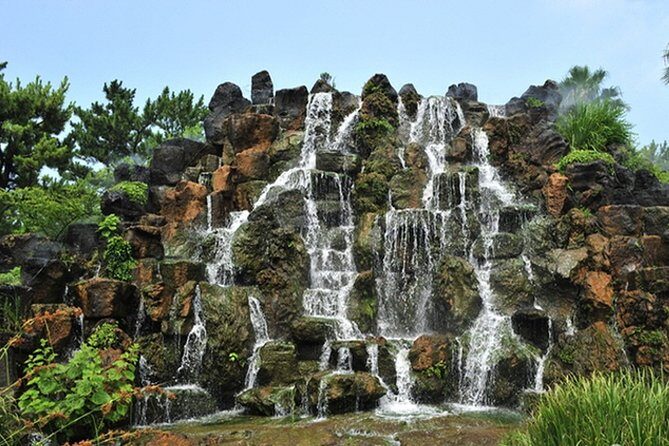
- Cheonjiyeon Falls: A smaller waterfall, but a classic nature break with included entry.
What I like about this Day 1 lineup: it mixes comedy (Dokkaebi Road), art (ARTE Museum), neat culture space (Spirited Garden), and then the outdoors geology/sea hits. You’re not stuck doing only one type of attraction.
Day 2: caves, craters, black sand, and a market that feels lived-in
Day 2 leans harder into Jeju’s volcanic story:
- Manjanggul Cave: One of the longest and finest lava tubes in the world. Expect walking inside a cave environment; it’s included.
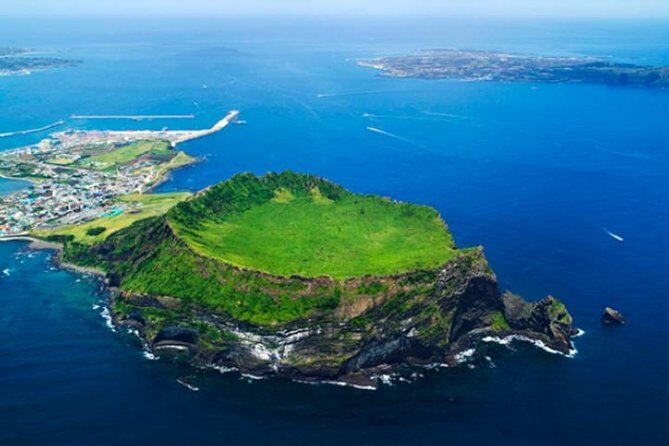
- Sangumburi Crater: A large crater with a “stadium from above” vibe. It’s a full-sight landscape moment even if you don’t consider yourself a hiking person.
- Gwangchigi Beach: Black sand formed from basalt weathering. Water still looks inviting, and the beach becomes a contrast stop after the cave and crater. Admission is free.
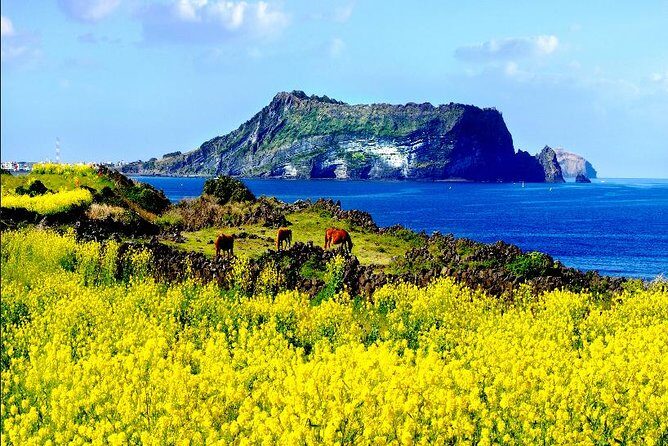
- Seongsan Ilchulbong (Sunrise Peak): The iconic tuff-cone structure. You climb to a crater view surrounded by grass. It’s included.
- Seongeup Folk Village: Indigenous Jeju culture at the base of Mt. Halla. This gives context to the island beyond rocks and beaches.
- Dongmun Market: Post-tour-yourself freedom, packed with inexpensive finds and local variety. Admission is free.
Practical tip for Jeju days: wear shoes you trust. You’ll go from cave floors to beach sand to uneven outdoor areas.
A few more Seoul tours and experiences worth a look
Busan Day 3: markets, sky views, and Haedong Yonggungsa by the sea
Busan is where the trip picks up heat—sea air, food smells, and a shoreline temple.
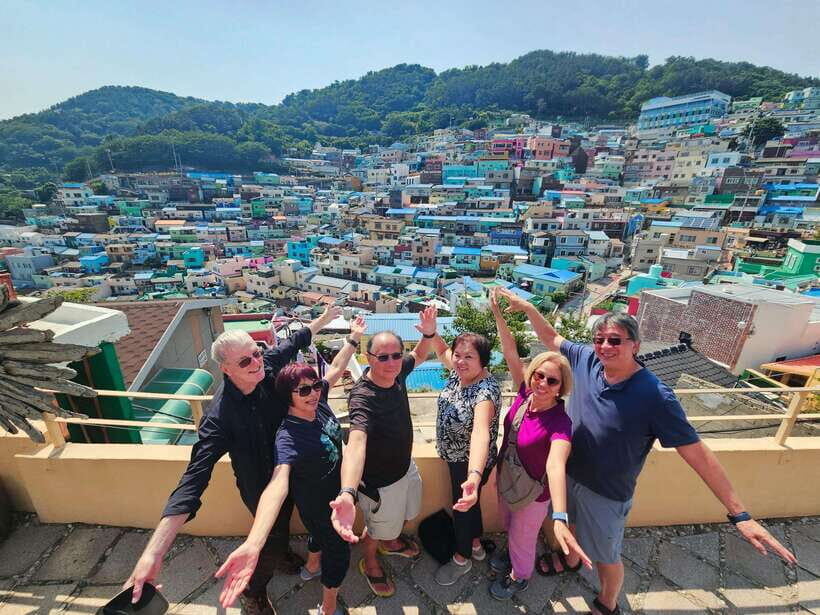
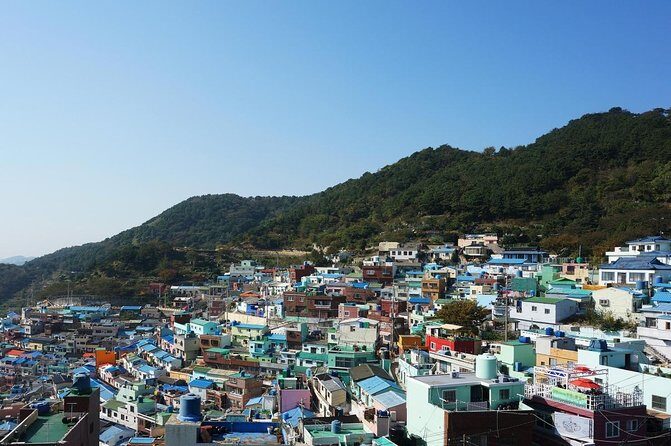
- Gamcheon Culture Village: Houses built in staircase fashion along a coastal mountain. It’s visual and easy to roam. Admission is included.
- Songdo Skywalk: A seaside skywalk with ocean cable car as an optional add-on. If you want extra views, choose it.
- BIFF Square: Known for the filming festival location, but this is also about snacks and street food culture. That sweet pancake stop is one to keep on your radar.
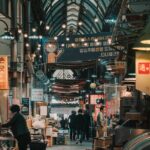
- Jagalchi Market: Busan’s big fish market. It’s short here, so you get a taste of the energy without needing hours.
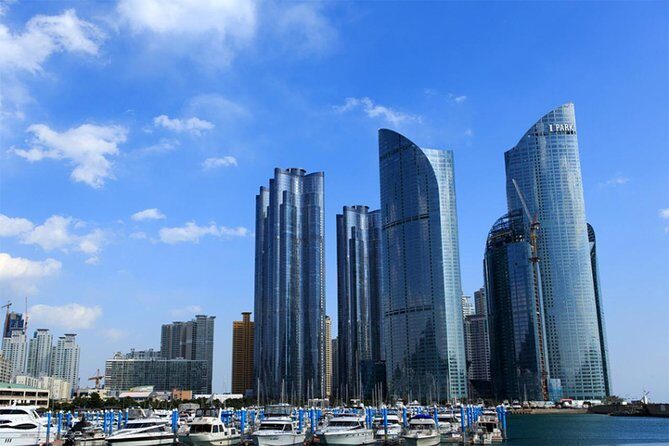
- A long double-decker bridge at night: The plan mentions night area activities like light festivals, fireworks, and drone events depending on timing.
- Haedong Yonggungsa: A temple by the seashore, often called one of Korea’s most beautiful temple settings. It’s a strong closer for the day and makes the city feel coastal, not just urban.
My balanced take: Busan is fun, but you should go in ready to walk and stand. The payoff is the sense of place—markets and shoreline architecture feel tied together.
Gyeongju Days 4–5: Silla landmarks and the best kind of night views
If Jeju gives you volcanic variety, Gyeongju gives you time depth. You’ll move through temples, observatory history, museum artifacts, tomb complexes, and palaces.
Day 4: temple beauty outside the city
- Golgulsa Temple: Located in nature near Hamwolsan Mountain. The tour includes a temple stay (1 night), which is the real culture anchor.
- Bulguksa Temple: A 1,000-year-old Buddhist temple from the Shilla Kingdom, with included entry.
- Seokguram: The plan highlights a famous Buddha statue. You’ll see why it’s frequently paired with Bulguksa—both are about heritage and design.
Why this matters for your trip: you’re not just collecting photos of temples. A temple stay gives you a different rhythm and a quieter atmosphere than a standard hotel night.
Day 5: tombs, astronomy, museum time, and the night pond stop
- Daereungwon Tomb Complex: Five tombs of Gyeongju and surrounding areas. Included entry.
- Cheomseongdae Observatory: An astronomical observatory tied to ancient star-gazing, and included (though the time listed is short).
- Gyeongju National Museum: Artifacts tied to the Silla dynasty and a renovated gallery setup.
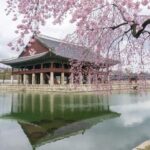
- Donggung Palace and Wolji Pond: The plan flags this as a must-see at night. This is one of the best “slow down” moments of the trip—light reflected on water beats another quick indoor ticket every time.
- Woljeonggyo Bridge: Extra night view energy, with a short stop.
A small drawback: you’ll feel a bit of “heritage fatigue” by Day 5 if you’re trying to memorize everything. My advice is to let your guide explain, then pick 2–3 places you want to remember deeply (not all of them).
Day 6: Maisan Mountain viewpoints, Tapsa pagodas, and Jeonju’s food-first culture
Day 6 is a strong mid-trip pivot: mountain scenery, a temple known for pagodas, and then Jeonju’s reputation as a food city.
- Maisan Mountain: The plan notes a long travel segment (around 2h30m–3h) and a “horse ear mountain” shape, plus a stop at Maisan observatory.
- Tapsa Temple: Recommended by CNN (per the tour notes), famous for over 80 stone pagodas built by Lee Gapyong. Included entry.
- Jeonju Hanok Village: This is the payoff stop. You’ll try bibimbab and then there’s mention of a traditional rice wine table at night. The tour also schedules time to roam and take breaks.
- Gyeonggijeon Shrine: Historic site tied to Joseon dynasty founder King Tae-jo. Included entry.
- Jeondong Catholic Church: Built in honor of Roman Catholic martyrs from the Joseon dynasty, with a short stop.
- Omokdae and Imokdae: Observatory spots around the hanok area, with views. Included time is listed as short.
- 옛촌막걸리 삼천점: Dinner/pub-style stop with rice wine and various foods on the table, where ordering the rice wine expands the set.
Food value tip: This day gives you multiple “eat” opportunities, so you don’t have to hunt for meals after a long transit. That reduces stress.
Day 7: Suwon Hwaseong Fortress and fried chicken street before Seoul
Before you reach Seoul, you get an important UNESCO stop plus an eating detour that’s very Korea.
- Suwon Hwaseong Fortress (UNESCO): Joseon-era regional government center history, with included entry. It’s the kind of site where walking the walls makes the story click faster than reading alone.
- Fried chicken street in Suwon: A whole cluster of fried chicken restaurants. The tour calls out a special flavor based on Korean BBQ sauce. This is your casual, modern side of Korea sandwiching the old fort walls.
Even if you only have one hour here, it feels like a real local routine: walking, snacking, then moving on.
Seoul Day 8: palaces, hanoks, market snacks, and a night skyline
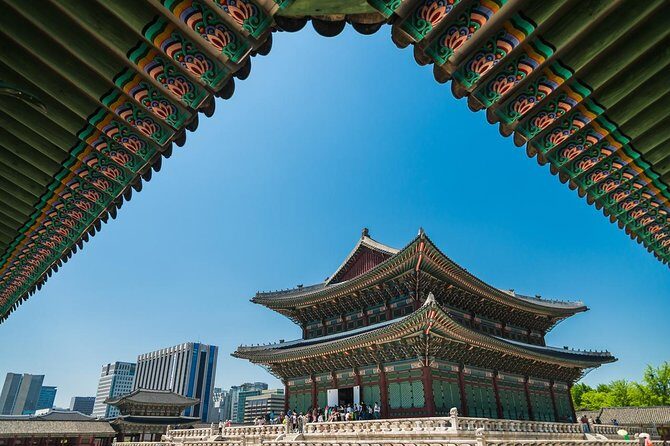
Seoul on Day 8 hits the big classic highlights in a way that doesn’t feel like nonstop museum time.
- Gyeongbokgung Palace: A major Joseon dynasty palace, included entry, with a long enough stop to actually see the space.
- Insadong: A shopping and art-focused area with galleries and old-meets-new feel. Great for small souvenirs.
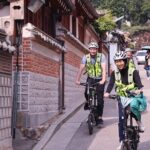
- Bukchon Hanok Village: Traditional hanok houses, tight lanes, shared walls—perfect for walking slow and looking up.
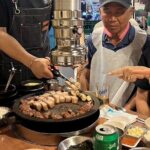
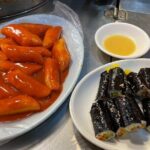
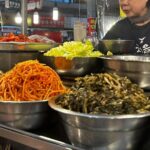
- Gwangjang Market: The plan calls out a food spread: mungbean pancakes, Korean donuts, gimbap, tteokbokki, fruit juice. Included stop. This is one of those meals where you can taste-test multiple things instead of committing to just one.
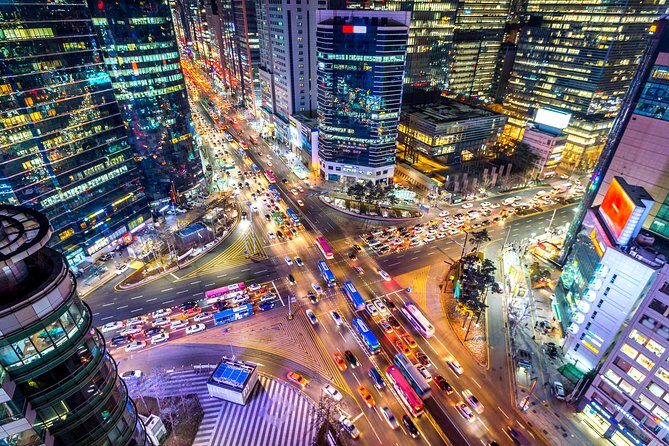
- N Seoul Tower: 360-degree city views, included entry.
- Jogyesa Temple: A temple in the center of Seoul, with festivals depending on season.
What I like about this Seoul day: it balances grand architecture with street-level food and people-watching. You get photos, but you also get to eat.
DMZ Day 9: how to handle rules, tunnels, and the view from the observatory
DMZ day is the emotional gear shift of the trip. It’s also the day where you must follow instructions tightly.
The plan includes:
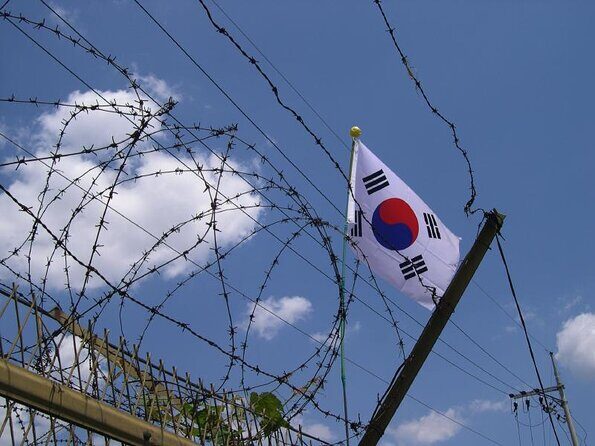
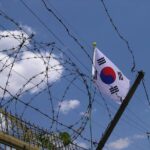
- DMZ access with procedures: no reservation for DMZ tickets, first come first served, and you need to meet early.
- Third Tunnel: The tour describes it as dug by North Korea after the Korean War, and you can go down to check it.
- Dora Observatory: A highlighted stop with a view using binoculars, where you can see parts of the North Korean side and Gaeseong area.
- Tongil Park (Unification Park): A civilian control zone area where people live, with a short stop to buy DMZ souvenirs and local products.
- Gamaksan Chulleong Bridge: A short hike (the plan notes about 10 minutes) and views tied to Korean War history, now a local nature stop.
My practical advice: pack patience. This day is controlled by timing and rules, so don’t plan anything else tightly around it.
Day 10 in Seoul: NANTA comedy show and your hands-on k-cooking class
Your final day brings it back to food and fun.
- Cookin NANTA (Myeongdong): A nonverbal comic performance with Korean rhythms, described as fusion. It’s included and usually a crowd favorite because it’s easy to follow even if you don’t speak Korean.
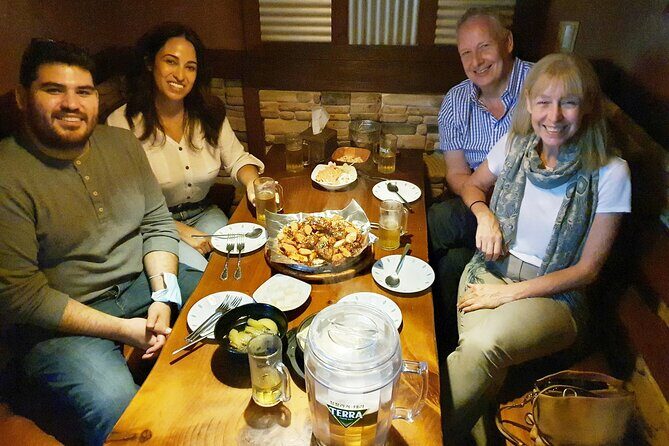
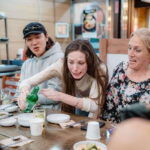
- Small group k-cooking class in Seoul: You’ll make Korean dishes. The tour lists menu examples like bulgogi, gimbab, kimchi, and pancakes, and notes the menu changes monthly. Included entry.
- Seonyudo (Gunsan): A han river park stop for a walking break and panoramic views of Seoul with the Han River.
- Myeongdong shopping street: The final wander—street food vendors and shopping energy with about one hour scheduled.
Why this ending works: after temples and DMZ gravity, you finish with laughter and a meal you actually made. It’s a satisfying loop.
Small-group feel: what “private” means for your comfort
The tour is described as private in the sense that only your group participates. That typically means you’re not mixed into strangers constantly, and it’s easier for the guide to adapt to your needs—especially with meal pacing, photo stops, or navigation.
The tour also states you can customize destinations during the private format. Translation: if there’s a place you care about, it’s worth bringing up with your guide. The itinerary is “up for discussion and change.”
Who this tour fits best (and who should skip)
This works best if you want:
- One organized plan across multiple regions, with flights and many tickets handled
- A mix of culture + food + nature, not just cities
- A guide who explains and helps you focus on what matters each day
It’s less ideal if you:
- Hate any chance of schedule disruption (weather flight delays can happen, and DMZ day has strict timing)
- Want lots of free time without structure
- Are counting on long, slow days with minimal transit
Should you book this Korea trip?
I’d book it if you want a guided route that covers Jeju volcano drama, Busan’s coast-and-food culture, Gyeongju’s Silla heritage, Jeonju’s hanok village eating, and Seoul plus the DMZ—without you building the whole machine yourself. The inclusion list is strong: flights, AC vehicle, 3.5–4 star lodging, entrance fees on the plan, and the bulk of your meals.
I would hesitate if your travel style is strictly unchanging schedules and you’re very sensitive to early starts or transit-heavy days.
If you book, go in with flexibility, wear comfortable shoes, and treat the guide as your shortcut to better food choices.
FAQ
What’s the tour duration and start time?
The tour runs about 10 days, with a start time of 9:00 am.
Where does the tour take place?
It is based in Seoul, South Korea, and the route also includes Jeju Island, Busan, Gyeongju, Jeonju, and the DMZ.
Is pickup included?
Yes, pickup is offered.
Does the price include flights and lodging?
Yes. Domestic flights are included (Gimpo to Jeju, and Jeju to Busan), and the tour includes 9 nights of accommodations in 3.5–4 star hotels.
Are entrance fees included?
Yes. Entrance fees for the planned stops are included.
How many meals are included?
The package includes 7 breakfasts, 7 lunches, and 2 dinners. The tour also notes that meals not planned are not included.
Is there a temple stay?
Yes. The tour includes 1 night at Golgulsa Temple Stay.
What’s special about DMZ day?
DMZ entry follows specific procedures: there are no reservations for DMZ tickets, it’s first come first served, and the meeting time is early.
Is it refundable if I cancel?
No. The experience is non-refundable and cannot be changed for any reason; if you cancel or ask for an amendment, the amount you paid is not refunded.