REVIEW · SEOUL
Traditional Gourmet
Book on Viator →Operated by Gastro Tour Seoul · Bookable on Viator
Hungry for real Seoul food? That’s the promise here: a short, focused gourmet introduction that mixes traditional neighborhoods with guided eating, especially helpful when Korean feels like a closed door. I like the way this tour pairs Hanok-style lunch with real cultural context, not just food names. And with guides like Veronica leading the way, you get recommendations that actually make sense while you’re standing in the street.
There is one catch. This is a walking-heavy 3 hours, and transport isn’t included, so you’ll want to start nearby and wear comfy shoes. If you’re hoping to be chauffeured from stop to stop, this one will feel a bit hands-on.
In This Review
- Key Highlights at a Glance
- A 3-hour Seoul Starter Course for Korean Food
- Bukchon Hanok Village: Walking Past Old Seoul While Your Appetite Builds
- House of Baek Inje: A Hanok With Preservation at Its Core
- Yun Bo-seon Birthplace: A Rare, Large Hanok Mansion
- Lunch at a Traditional Korean House (Hanok): Where the Value Shows
- The Dessert Factor: Street-Style Sweet After the Main Meal
- Pace, Shoes, and Small Group Size: Plan Your Afternoon
- Price and Logistics: What’s Included, What You Handle
- Who This Tour Best Fits
- Should You Book Traditional Gourmet in Seoul?
- FAQ
- How long is the Traditional Gourmet tour?
- Where does the tour start and end?
- Is lunch included in the price?
- Do I need to arrange transportation?
- Can vegetarians join?
- Is the tour available in bad weather?
Key Highlights at a Glance
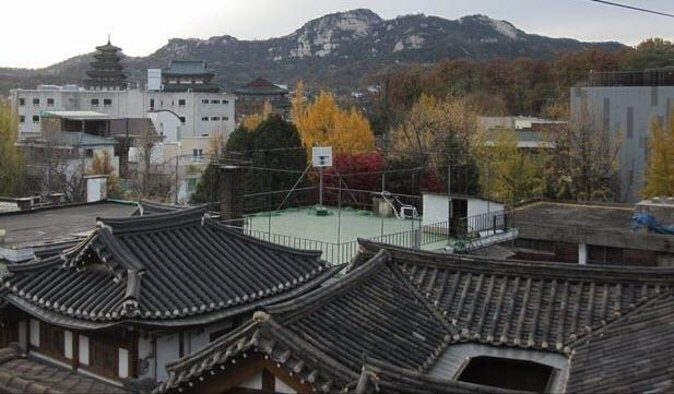
- Small group size (max 12) for more personal food guidance and less standing around
- Hanok lunch with authentic traditional Korean dishes served in a traditional house
- Bukchon Hanok Village walking time so you see preserved old Seoul while you eat and learn
- Historic hanok stops including the House of Baek Inje and the birthplace of Yun Bo-seon
- Coffee and/or tea included to round out the meal and help you pace the afternoon
- Vegetarian option available if you ask at booking
A 3-hour Seoul Starter Course for Korean Food
Think of this tour as a smart “first bites” plan. You’re not trying to master every Korean dish in one afternoon. You’re learning how to eat in a Korean way: what to order, how the meal flow works, and what to look for when you’re later on your own.
The tour runs about 3 hours and typically starts at 1:00 pm. It’s designed for people who want food plus culture, not only a list of what to eat. And it’s especially useful if you don’t read Korean. The guide’s job is to bridge that gap with personalized recommendations, so you don’t end up eating only what’s easiest to point at.
The vibe is also practical. You get a professional guide, a lunch, and coffee and/or tea included. For the price point, that’s the big value lever—you’re paying for guided selection and an organized meal, not just for a stroll.
You can also read our reviews of more tours and experiences in Seoul.

Bukchon Hanok Village: Walking Past Old Seoul While Your Appetite Builds
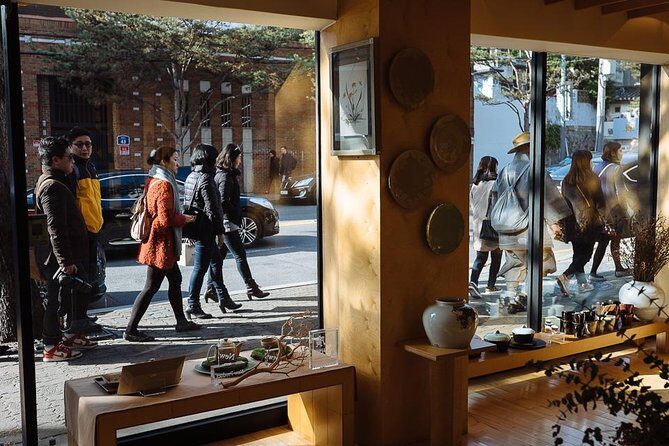
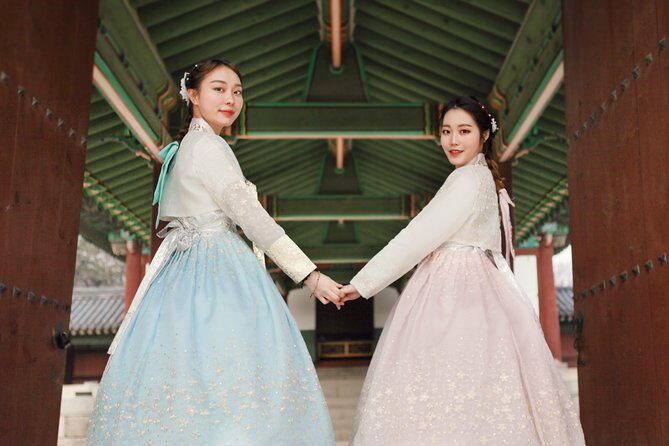
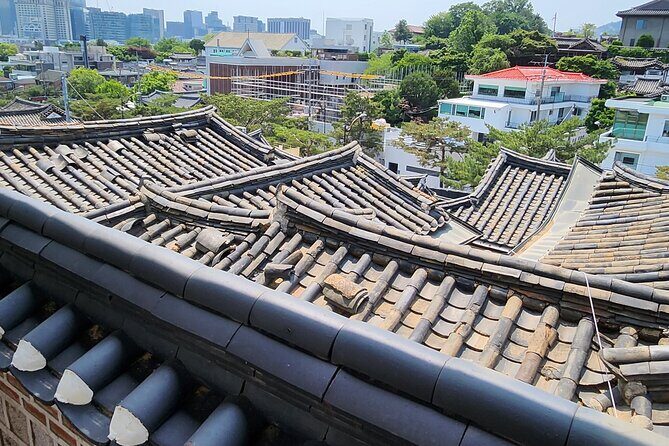
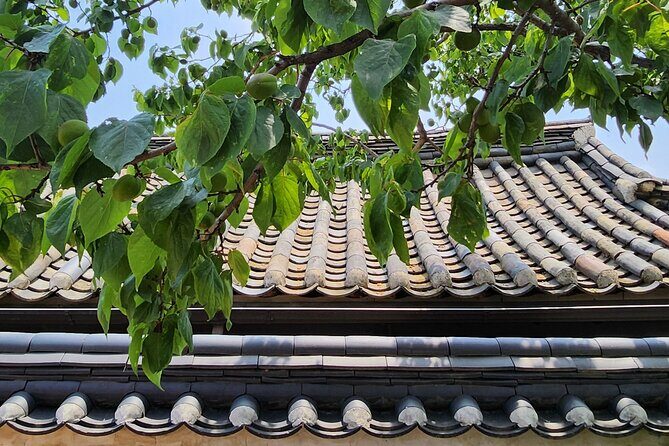
Your first real stop is Bukchon Hanok Village, a neighborhood known for clusters of traditional houses (hanok). Expect to walk through streets lined with that older architecture, plus little workshops and shops connected to the traditional side of Korean craft and daily life.
Why it works on a food tour: it’s not random sightseeing. It gives you context for what you’re about to eat later and how Korean food connects to setting, tradition, and everyday rhythm. Also, walking here means you’ll notice details that you’d normally miss if you only do the big “photo and move on” routine.
Time on this first section is around 1 hour 30 minutes, and admission for the stop is listed as free. That matters because it keeps more of your budget focused on the meal experience instead of ticket fees piling up.
The only downside is physical pacing. You’ll be on your feet for much of the tour, so if your legs run hot quickly, plan breaks with water and slow-down moments when the group gathers.
House of Baek Inje: A Hanok With Preservation at Its Core
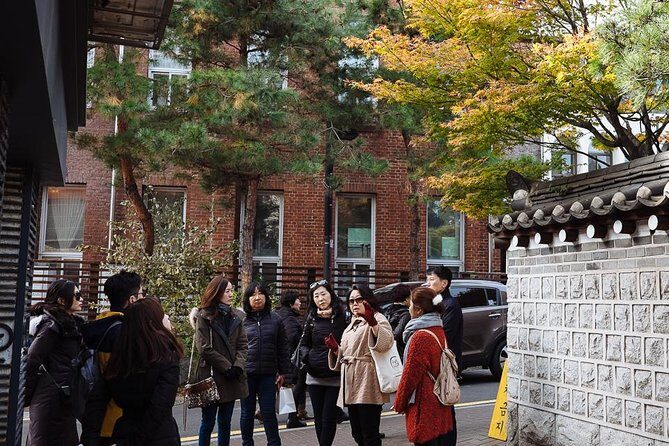
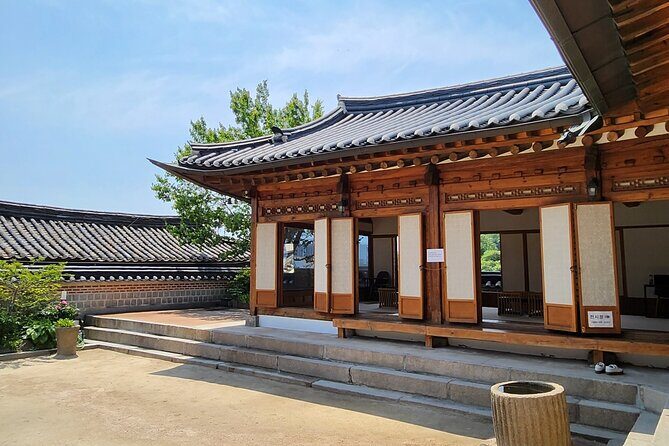
Next comes House of Baek Inje. This is an older hanok building dating to around 1900, and the tour highlights its preservation value and its construction using the best technology of its time.
You get about 30 minutes here, with admission listed as free. That time window is short by design. You’re not being asked to sit through a lecture. Instead, you’re getting just enough background to understand what you’re looking at: why hanok architecture matters, and why some houses are treated as cultural anchors.
On a gourmet tour, this kind of stop sounds like a detour—but it actually helps your tasting later. Korean food culture is tied to home life, family kitchens, and settings that have meaning. When you know the building context, the meal feels less generic.
Yun Bo-seon Birthplace: A Rare, Large Hanok Mansion
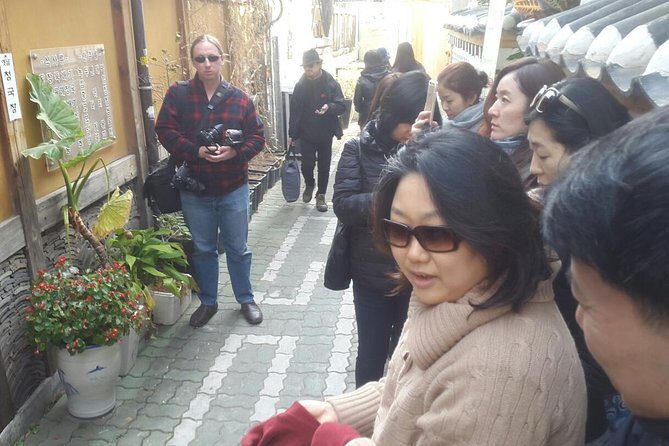
The last historic stop is the birthplace of Korea’s second president, Yun Bo-seon. The tour notes this place is famous for being a well-built hanok mansion that’s rare in Seoul, and also for its size.
This is the kind of stop that works well when you’re tired of “same museum, different wall.” A hanok mansion is a story you walk through in your imagination. You can start seeing why preservation is such a big deal here: it’s not just old wood and stone. It’s a snapshot of how people lived.
The tour also mentions that it’s currently maintained and that Yun’s granddaughter-in-law lives there, which adds a real-world sense of continuity. You’re not only learning history. You’re seeing how tradition can coexist with real daily life.
Lunch at a Traditional Korean House (Hanok): Where the Value Shows
Lunch is the center of gravity. You’ll eat at a traditional Korean house called Hanok, and the tour includes authentic traditional Korean dishes. Coffee and/or tea are also included.
This is where the tour earns its money. A guided food experience in Seoul can get expensive fast if you’re constantly paying for meals solo. Here, the core dining portion is bundled, and you’re also getting help with what to order and how to eat it.
One detail that really affects expectations: in the experience people describe, the sit-down lunch has landed in a setting they call a Michelin restaurant with a great location. That doesn’t mean every day is identical, but it tells you the meal quality can be higher than a basic “cultural snack” lunch.
The meal format sounds substantial: multiple courses are mentioned, and there’s a final tea stop feeling that leaves you comfortably full rather than hungry and rushed. If you’re the type who snacks all day, you might want to go lighter earlier, because lunch here can fill you up.
A final note: alcohol is not included, but it’s available to purchase. So if you like pairing food with drinks, you’ll need to decide and pay on-site.


The Dessert Factor: Street-Style Sweet After the Main Meal
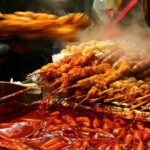
Food tours in Korea often end with something small but memorable. In the way this tour is described, there’s often a follow-on walk after lunch for a freshly made street-food dessert.
I’d treat this as a “pay attention to your appetite” moment. Dessert can be delicious, but it also means you’ll likely keep walking after you’re already full. If you want to sample without overcommitting, pace yourself during lunch and keep room for one bite-worthy treat.
Pace, Shoes, and Small Group Size: Plan Your Afternoon
This tour runs in all weather conditions, so it’s smart to dress for rain or sun. You’ll also want comfortable walking shoes because the structure is walking-based throughout.
Group size is capped at 12, and there’s a minimum of 2 travelers. That matters for your experience: smaller groups usually mean less “everyone shuffle in single file” energy, and more chances to ask questions or get recommendations tailored to what you actually like.
Also, be aware the guide may be multilingual, which helps with clarity if your Korean is beginner-level. Even if you’re not fluent, you’ll get enough guidance to avoid the common tourist trap: ordering something you can’t eat comfortably or skipping dishes you’d enjoy if you understood what they are.
Price and Logistics: What’s Included, What You Handle
At $120 per person, the price is easiest to justify if you care about three things: (1) a guided meal, (2) traditional setting experiences, and (3) extra stops that connect food with place.
Here’s what’s included:
- Professional guide
- Lunch (traditional dishes in a Hanok house)
- Coffee and/or tea
- Admission listed as free for the major hanok stops mentioned
What’s not included:
- Transportation to/from attractions
- Hotel pickup and drop-off
- Alcoholic drinks (available to purchase)
- Any extra food and drinks you want beyond the included meal and beverages
Meeting point is 164-6 Anguk-dong, Jongno District, Seoul. The tour ends back at the meeting point, which helps if you’re planning a nearby second activity.
One more value tip: this tour is often booked about 71 days in advance, which signals it can fill up. If your dates are fixed, book early so you don’t get bumped into a later slot.
Who This Tour Best Fits
This is a great fit if you want:
- A first-time Seoul food and culture plan that doesn’t assume you can read Korean
- A focused afternoon (only 3 hours) instead of an all-day food marathon
- Traditional food experiences tied to real neighborhoods like Bukchon
It’s also a good match for people who enjoy architecture and place-based context, not just tasting. The hanok stops aren’t random—each one supports the “tradition matters” theme behind Korean cuisine.
If you hate walking or you dislike group pacing, this may feel like too much movement for too little time. But if you can handle a couple hours on your feet, it’s a well-structured way to get your bearings fast.
Should You Book Traditional Gourmet in Seoul?
Yes—if your goal is a guided, high-quality introduction to Korean food that also makes sense culturally. The included Hanok lunch plus coffee/tea is the anchor, and the hanok stops help you understand why food in Korea isn’t separated from everyday life.
I’d book it especially if:
- You want the comfort of personal recommendations in a language barrier situation
- You like smaller groups (max 12) and structured time
- You want a food afternoon that also includes preserved neighborhoods and historic hanok
If you’re on a tight schedule and every minute matters, check your comfort with walking and plan to be near Anguk-dong before 1:00 pm. And if you’re deciding last minute, know that free cancellation up to 24 hours before start time gives you flexibility.
With a 4.9 rating out of 5 and strong satisfaction scores, this one looks like a safe bet for a first Seoul food immersion that doesn’t waste your time.
FAQ
How long is the Traditional Gourmet tour?
It runs for about 3 hours.
Where does the tour start and end?
It starts at 164-6 Anguk-dong, Jongno District, Seoul, South Korea, and ends back at the same meeting point.
Is lunch included in the price?
Yes. Lunch is included, and it’s traditional Korean dishes prepared in a traditional Korean house called Hanok. Coffee and/or tea are also included.
Do I need to arrange transportation?
Yes. Transportation to and from attractions is not included, and there is no hotel pickup or drop-off.
Can vegetarians join?
Yes. A vegetarian option is available if you advise the provider at the time of booking.
Is the tour available in bad weather?
It operates in all weather conditions, so you should dress appropriately for the conditions on the day.
If you tell me your travel dates and whether you prefer spicy or mild foods, I can help you plan what to prioritize before this 1:00 pm start.