REVIEW · SEOUL
Small Group 7D Korea package Tour with Seoul Gyeongju Busan Jeju
Book on Viator →Operated by Here Korea Travel · Bookable on Viator
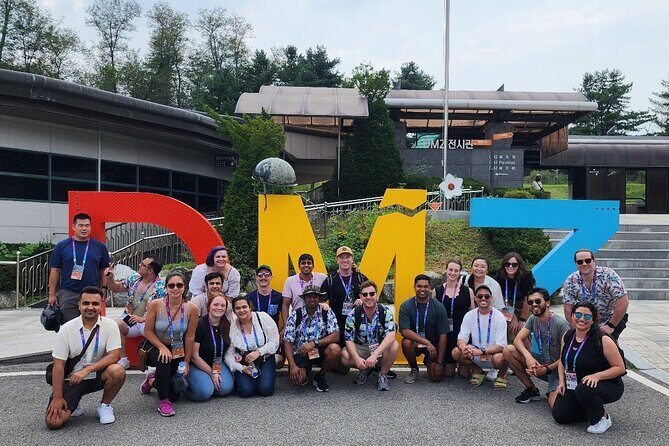
Korea in seven days, without the chaos. This small-group package strings together Jeju, Busan, Gyeongju, Seoul, and the DMZ with pickup and transport planning handled for you, so you spend your time actually seeing places instead of hunting schedules. I especially like that it’s built for a short trip with no compulsory shopping, and that you’ll get English-speaking guidance at each stretch (including guides named Jung, Clover, Sang, Jones, and lead Harry mentioned by prior guests).
The one watch-out: it’s a whirlwind plan. You’ll be moving through several highlights each day, and the pace can feel intense—especially on days with caves, temples, markets, and a long DMZ outing.
In This Review
- Key highlights at a glance
- The real value: what this tour saves you
- Price and what’s actually included (and why it costs what it does)
- Small group dynamics: up to 15, and why it changes your day
- Jeju Days 1–2: volcanic drama, black sand, and spring color
- Day 1: Seaside icons and the island’s volcanic fingerprints
- Day 2: Hallasan, gravity tricks, waterfalls, and an art-light museum
- Busan Day 3: culture village stairs, fish market energy, and seaside views
- Gyeongju Day 4 + KTX: UNESCO stops before Seoul takes over
- Seoul Days 5–6: cooking class, palaces, hanok lanes, and two food stops
- Day 5: hands-on Korean cooking + Hongdae + optional NANTA
- Day 6: palaces + temples + hanok village + markets + skyline
- DMZ Day 7: what to expect and how to prepare
- Should you book this Seoul–Jeju–Busan–Gyeongju package?
- FAQ
- What cities and areas does the tour cover?
- How long is the tour?
- How big is the group?
- What transportation is included between regions?
- Is pickup included?
- What meals are included?
- Is there compulsory shopping?
- Is the NANTA show included?
- Do I need my passport for the DMZ?
- Can I request a vegetarian meal option?
Key highlights at a glance
- True small-group size: up to 15 travelers, which makes it easier to ask questions and keep your day moving.
- Major transfers are included: domestic flights to Jeju and KTX back to Seoul handle the biggest “logistics pain.”
- Jeju’s signature scenery: volcanic sites like Seongsan Ilchulbong, lava caves, black sand beaches, and waterfalls.
- Busan seafood-and-streets day: Jagalchi and Gukje markets plus coastal views from Haeundae Blue Line Park.
- Old Korea stops in Gyeongju: UNESCO-listed Bulguksa and the Seokguram grotto.
- DMZ with passport checks: you’ll need your passport for the civilian control-zone ID process.
The real value: what this tour saves you
For many first-timers, the hardest part of South Korea isn’t the sights—it’s stitching transport, tickets, and timing into one smooth plan. This tour’s value is that it bundles the big travel moves (Jeju flight + KTX) and wraps them in an English-speaking guide and an AC vehicle. When you’re hopping between islands and cities, that kind of structure matters.
You’re also paying for fewer decision points. You’ll still have some freedom (the plan notes free time after the tour in Seoul), but the backbone—where to go next, when entrances are included, and how your day flows—is already set. That’s the sweet spot if you want a lot in a week without turning your vacation into a part-time job.
And there’s a clear philosophy here: short time, high payoff, and no compulsory shopping. That means you can treat the markets and streets as optional inspiration rather than a chore.
You can also read our reviews of more tours and experiences in Seoul.
Price and what’s actually included (and why it costs what it does)
At about $1,988 per person for 7 days / 6 nights (approx.), you’re not just paying for guides. You’re also covering:
- 6 nights in 3–4 star hotels (described as clean and well kept)
- English-speaking tour guide
- Entrance fees for the listed stops
- Domestic flight to Jeju and KTX between Gyeongju and Seoul
- AC tour vehicle
- Meals: breakfast 4 times and lunch 7 times, plus a Gwangjang Market food tour element and a cooking class
- Mobile ticket and pickup support
Could you do parts of this DIY for less? Sure—if you’re comfortable planning trains, flights, and timed admissions while also sorting out where to eat. But for a tight 7-day window, this price buys you fewer headaches and more “time on the ground.”
Small group dynamics: up to 15, and why it changes your day
The group cap is 15 travelers. That size helps in practical ways:
- Your guide can answer questions without losing everyone every time you stop for photos.
- You’re more likely to get course-correcting help when schedules get tight.
- It’s easier to hear explanations at palaces, markets, and viewpoints.
Another real-world benefit: the tour notes a private-tour style flexibility, meaning the schedule can adjust as needed. The package also asks you to keep roughly 12 hours available for the guide’s working conditions—so plan your days like a traveler, not like a calendar accountant.
Jeju Days 1–2: volcanic drama, black sand, and spring color
Jeju is where the tour earns its keep. It’s not just beaches—it’s geology, landscapes, and myth-laced stops packed into one island loop.
Day 1: Seaside icons and the island’s volcanic fingerprints
You start with an airport pickup (morning arrival at ICN), then head to Gimpo for the flight over to Jeju. Once on the island, Day 1 leans hard into signature scenes:
- Woljeongri Beach & Café street: an easy first landing spot—good for getting your bearings and grabbing a coffee without feeling rushed.
- Gwangchigi Beach: the black sand is the headline, formed from basalt. Even if you’re not a geology nerd, it gives Jeju its distinct vibe.
- Seongsan Ilchulbong (Sunrise Peak): a tuff-cone shape formed from hydro-volcanic activity. You’ll climb to the top for that crater view—worth it, but it’s still a climb, so wear shoes that handle uneven ground.
- Seongsan Canola Flower Field / seasonal fields: timing matters here. The plan notes cherry blossoms late March to early April and canola through April to September, so the “flower” experience depends on when you go.
- Manjanggul Cave: an accessible slice of volcanic history. The stop includes admission, so you’re not hunting around for tickets.
- Seongeup Folk Village: traditional Jeju homes and everyday life as a quick cultural reset after the outside scenery.
Possible drawback on Day 1: it’s a lot of “outside time” back-to-back. If weather turns, bring something light for wind/rain and expect you’ll still be walking between stops.
Day 2: Hallasan, gravity tricks, waterfalls, and an art-light museum
Day 2 adds classic Jeju variety: forests, waterfalls, and even an optical illusion.
- Jeju National University, Ara Campus (seasonal blossoms): another seasonal highlight tied to King Cherry Tree blooming timing.
- A gravity-trick road stop: objects roll “uphill” but it’s an optical effect. It’s quick, but fun—especially if you like watching how the illusion works rather than only taking pictures.
- Hallasan National Park: Hallasan is Korea’s highest mountain (about 1,950m). The tour keeps it flexible in the way it frames the day—you can expect outdoor walking time and big views, even if your exact route depends on conditions.
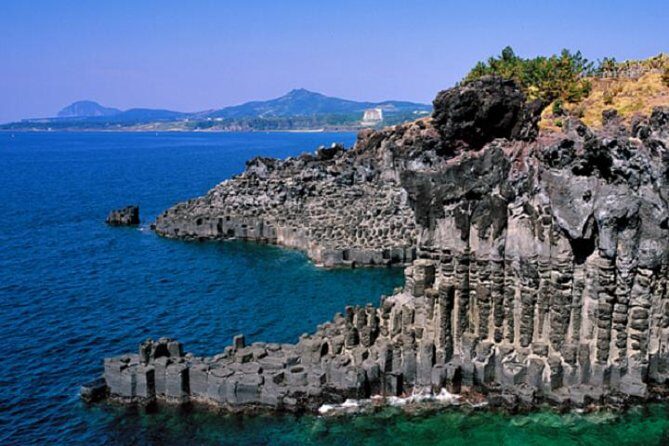
- Black rock pillar beach stop: pine forest scenery leads to that cluster of cube/hexagon rock shapes—another reminder that Jeju’s landscapes aren’t random. They’re volcanic.
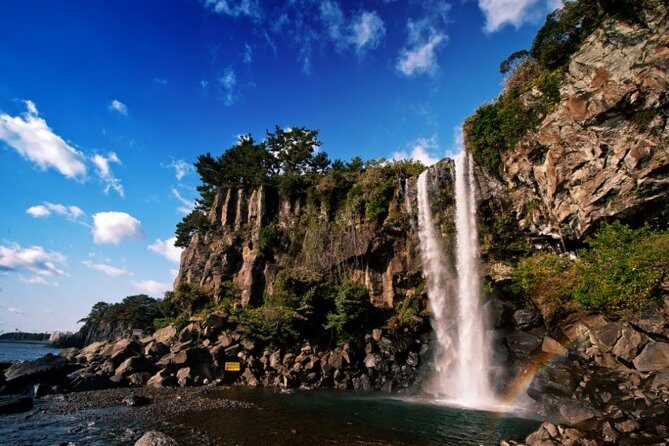
- Cheonjiyeon Falls and Jeongbang Waterfall: you get both. Cheonjiyeon has a legend behind it; Jeongbang is famous because it drops directly into the ocean, which you can’t ignore once you see it.
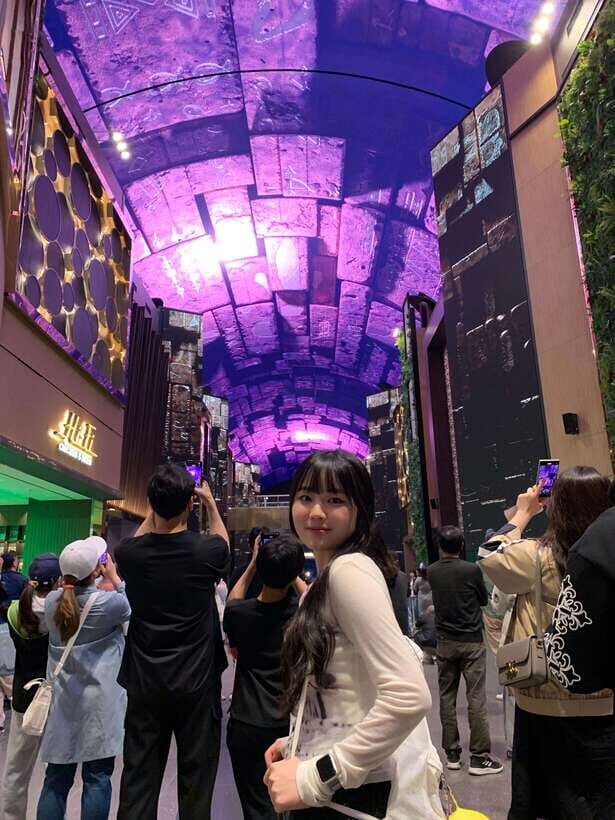
- ARTE Museum JEJU: an art museum focused on light/video. This is a smart mid-trip switch when you want a break from sun and stairs.
Practical tip: if you’re the type who gets sore fast, pace yourself on the waterfall and cave days. You’re not just looking—there’s a lot of walking between sights.
Busan Day 3: culture village stairs, fish market energy, and seaside views
Busan is one of the best places in Korea to feel the country as modern and coastal at the same time. Day 3 covers neighborhoods and food stops that make the city feel lived-in.
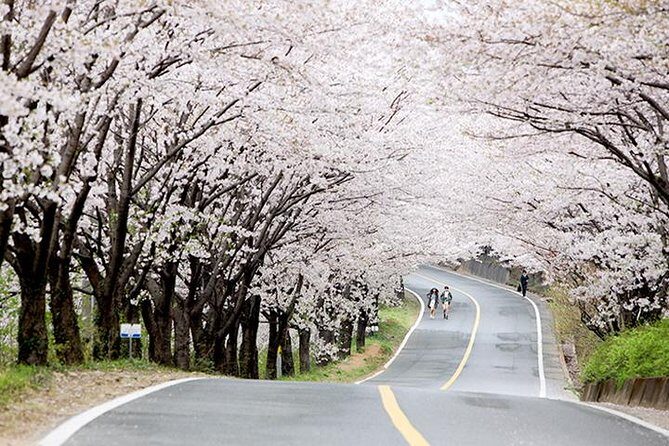
- Haeundae Dalmaji-gil Road: a cherry blossom road beyond the famous beach. Even if blooms aren’t at peak, it’s a scenic connector.
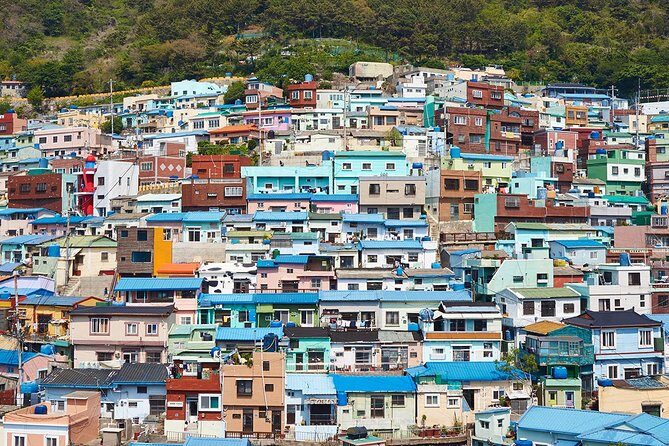
- Gamcheon Culture Village: houses built in a staircase fashion on the hills. Great for photos. Also: expect stairs and uneven walking.
- Jagalchi Market: the iconic seafood market where you can eat fresh raw fish. This stop is as much about atmosphere as food. If you’re squeamish, you can still browse—there’s plenty to watch.
- BIFF Square: tied to the Busan International Film Festival area and known for street food nearby. It’s a good “small wandering” section.
- Gukje Market: a Korean War refugee-era market with new and used items. If you like practical shopping (and not just brand-name streets), this is your moment.
- Haedong Yonggungsa: a coastal temple that people often call the most beautiful in Korea. It’s worth your time; the ocean setting makes it feel different from inland temples.
- Haeundae Blue Line Park: a newer seaside park where you can ride a train for views. It’s a great way to see the shoreline without more hardcore walking.
Possible drawback: Busan Day 3 stacks markets plus hills plus temple time. If your ideal pace is slow sightseeing, plan to treat this day as a “see and snack” day rather than a full museum day.
Gyeongju Day 4 + KTX: UNESCO stops before Seoul takes over
Gyeongju is where you slow down just a little—history in compact form—then jump back into the energy of Seoul.
You start with:
- Bulguksa Temple: a UNESCO Heritage site tied to the Silla era. This is the kind of place where you’ll appreciate stonework and layout more than you’ll appreciate rushing.
- Seokguram: the stone grotto temple associated with Bulguksa’s larger complex. The stop is known for design and longevity, which shows when you see the structure in person.
- Bomunho Lake Tourism Complex: cherry blossom walkways in April. Even if blossoms are past, the lake area is a pleasant breather.
- Daereungwon Tomb Complex: large tomb mounds and the Cheonmachong Tomb where you can enter. Think “outdoor archaeology,” not indoor galleries.
- Gyeongju Gyochon Traditional Village: a quick look at noblemen-style houses.
- Donggung Palace and Wolji Pond: a famous evening-view spot. The note about pavilion views around the lake helps you understand why timing matters here.
Then comes the transfer:
- Gyeongju Station + KTX to Seoul: about 2 hours. Since KTX is fast, this part is efficient. Still, I recommend you keep your phone charged and have your station instructions handy so you can follow along when you switch platforms and carriage.
Practical consideration: Day 4 is history-heavy and includes multiple outdoor sites. Bring layers and water, and accept that your feet may do most of the sightseeing.
Seoul Days 5–6: cooking class, palaces, hanok lanes, and two food stops
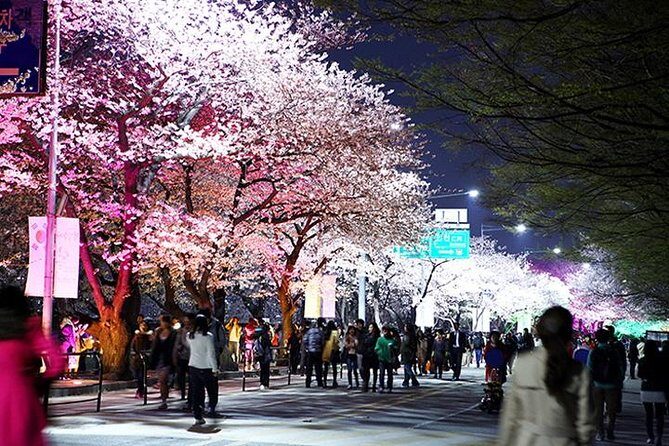
Seoul in this tour is designed around variety: one food-and-culture day, then one big sights day capped with views and shopping streets.
Day 5: hands-on Korean cooking + Hongdae + optional NANTA
- Cooking class at 오미 요리연구소: you cook three Korean dishes—bibimbab, traditional pancake, and soup. This is one of the best “memory builders” because it turns food into a skill you can repeat later.
- Hongdae: a youthful area known for street performances and food. This is also where you can wander without feeling like you’re stuck in a single tourist corridor.
- Myeongdong NANTA Theater (optional): a nonverbal show. If you want it, you can choose seats with prices listed: S $35, P $45, V $55, and it runs about 1 hour 30 minutes.
Possible drawback: optional means you’ll spend some time deciding. If you hate decision points, commit the moment you see the time slot and seat options.
Day 6: palaces + temples + hanok village + markets + skyline
This day is Seoul at full volume:
- Yeouido Park: noted as a cherry blossom festival area in spring. A relaxing opener before the main sights.
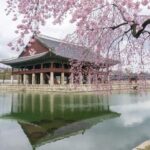
- Gyeongbokgung Palace: Joseon Dynasty’s first and largest palace built in 1395. This is a must-stop if you want the grand central Seoul story.
- Jogyesa Temple: the head temple of Korean Buddhism, placed in the city center. Great contrast to palace-scale grandeur.
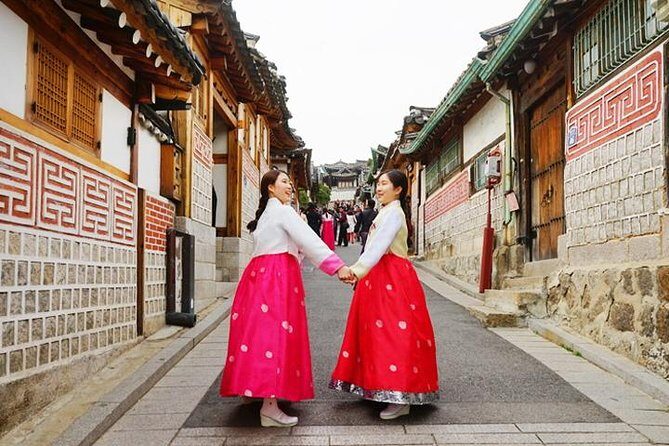
- Bukchon Hanok Village: hanok neighborhoods where old houses crowd together. It’s a maze-like stroll, and that’s the point—you feel how old Seoul neighborhoods work.
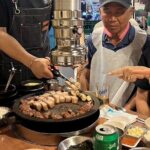
- Kwangjang Market food tour: an actual guided-style food stop, tied to the famous market and its vibe.
- N Seoul Tower: the skyline viewpoint with a near 360-degree outlook. It’s your “I can finally see the whole city” moment.
- Myeongdong shopping street and Insadong: shopping plus traditional sweets/tea-café style streets. Insadong is more old-school craft and antiques energy.
Practical tip: Seoul is a lot of stairs and pavement, especially with hanok areas and palaces. Comfortable shoes matter more than your outfit plan.
DMZ Day 7: what to expect and how to prepare
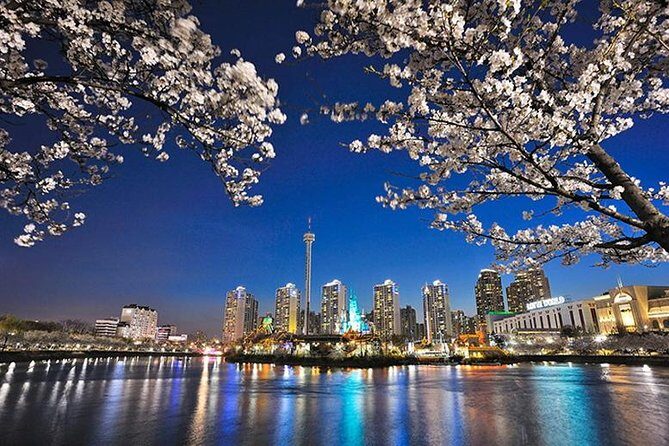
Day 7 is the emotionally weighty one. The tour uses the DMZ shuttle system and includes major public stops.
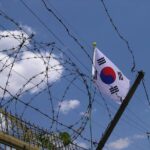
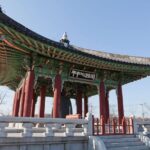
- Imjingak Pyeonghoa-Nuri Park: you stop here to buy DMZ shuttle bus tickets. This stop includes an important note: you need your passport because there’s an ID check point when you enter the civilian control zone.
- The Third Tunnel: one of the first DMZ tunnel stops. You’ll go inside the actual tunnel that was dug after the Korean War.
- Dora Observatory: an observatory open to the public where you can look toward North Korea with your naked eyes.
- Tongilchonan-gil: a final stop with souvenir shopping, in a civilian control zone under curfew.
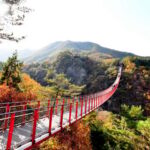
- Gamaksan Chulleong Bridge: a short nature stop near former battle field terrain, with a brief hike and a suspension bridge view.
Possible drawback: the DMZ day is more rules-driven than the rest of the trip. Pack light for passport-handling, and keep your documents easy to access. Also, expect waiting time and controlled movement.
Should you book this Seoul–Jeju–Busan–Gyeongju package?
Book it if:
- You want a guided week that covers Korea’s top highlights without the stress of coordinating flights, KTX, and admissions.
- You like the mix of natural sights (Jeju waterfalls and caves) plus big-city culture (Seoul palaces, markets) plus history (Gyeongju and DMZ).
- You value small-group size and guides who help connect the dots between today’s Korea and what you’re seeing.
Skip it (or consider a slower plan) if:
- You hate busy days. This is a packed route with lots of walking and multiple stops each day.
- You prefer total autonomy. This tour trades flexibility for convenience, and you’ll still have to move with the group.
For first-time visitors on a short schedule, this is the kind of plan that helps you get your bearings fast. For fitness-sensitive travelers, plan your shoe game and pace your energy.
FAQ
What cities and areas does the tour cover?
It covers Seoul, Jeju, Busan, Gyeongju, and a day trip to the DMZ.
How long is the tour?
It’s 7 days and about 6 nights.
How big is the group?
It’s a small-group format with a maximum of 15 travelers.
What transportation is included between regions?
The package includes a domestic flight to Jeju and a KTX bullet train segment to Seoul.
Is pickup included?
Yes, pickup is offered, and you start with airport pickup support in the morning.
What meals are included?
Breakfast is included 4 times and lunch is included 7 times. A food tour at Gwangjang Market and a cooking class are also included.
Is there compulsory shopping?
No, the tour is described as a program without any compulsory shopping.
Is the NANTA show included?
The NANTA theater visit is optional.
Do I need my passport for the DMZ?
Yes. The tour notes passport use for ID checks when entering the civilian control zone.
Can I request a vegetarian meal option?
Yes. A vegetarian option is available if you advise at booking.