REVIEW · SEOUL
Seoul: DMZ Tour with Exclusive North Korean Defector Meet-Up
Book on GetYourGuide →Operated by Cosmojin Tour Consulting · Bookable on GetYourGuide
The DMZ feels personal on this tour. You head out from Seoul to key border sites, then add a rare meet-up with a North Korean defector—often guided by SP Hong with Q&A led by Ms. Cho. It’s a history lesson you can see with your own eyes.
I especially like how the day is structured around the big, tangible DMZ stops: Imjingak (with memorial-style views like the Bridge of Freedom area) and the Third Tunnel. The other thing I like is the human layer the interview adds, turning the conflict into a lived story you can ask questions about in real time.
One consideration: this is an early start and a long day, and food breaks are limited to what you can grab during the stops—so you’ll want to plan snacks and comfort breaks.
In This Review
- Quick hits on why this DMZ tour is different
- Entering the DMZ with a North Korean defector in the mix
- Getting out of Seoul: pickup, timing, and the ride to Paju
- Imjingak Pyeonghwa-Nuri Park and Mangbaedan: where the border starts to make sense
- Third Tunnel of Aggression: what you actually see (and what you feel watching)
- Dora Observatory: the north-facing viewing moment
- The DMZ Theater and Exhibition Hall: facts that connect your stops
- The defector interview and Q&A: how to make it meaningful
- Suspension bridge add-on: a lighter finish if you choose it
- Food, comfort, and keeping your photos from slipping
- Price and value: what $50 really buys on this day
- Who should book this DMZ tour, and who should skip it
- Should you book the DMZ tour with the defector meetup?
- FAQ
- How long is the Seoul DMZ tour?
- Where do I meet the tour in Seoul?
- Is pickup available from my hotel?
- Is the North Korean defector interview always included?
- What are the main stops during the day?
- What do I need to bring?
- What footwear is required?
- Is the tour wheelchair accessible?
- What languages will the guide speak?
- What if I need to cancel?
Quick hits on why this DMZ tour is different
- Defector interview option adds firsthand context, not just geography and slogans
- Third Tunnel of Aggression gives you a close-up look at the kind of planning that fueled the standoff
- Dora Observatory is built for northward viewing, with guided explanations while you look
- Imjingak Pyeonghwa-Nuri Park and Bridge of Freedom area help you frame the DMZ as both war and waiting
- Air-conditioned transport plus tickets means less fuss and more time at the sites
- SP Hong, Han, and other guides are often praised for keeping the day informative and moving smoothly
Entering the DMZ with a North Korean defector in the mix
Most DMZ tours stop at the sights. This one adds a high-voltage human component: an interview-style conversation with a North Korean defector. The format can be an interaction program depending on the option you choose, but the core idea stays the same—life behind the border, the escape, and what that person thinks about the conflict now.
What I like about this approach is that it forces you to hold two realities at once. You’ll walk through places designed for deterrence, observation, and memory. Then you’ll listen to someone describe how those political lines translate into daily choices, risks, and loss. Even if you’ve read about North Korea, that personal angle changes how the facts land in your head.
It also helps that the tour is led in English and Korean, and guides like SP Hong and Han are repeatedly praised for answering questions and keeping the flow understandable. In a day where a lot is happening, clarity matters.
You can also read our reviews of more tours and experiences in Seoul.
Getting out of Seoul: pickup, timing, and the ride to Paju

You meet early. The standard start is 07:00 AM at the 1st-floor lobby of the President Hotel, and you should arrive about 5 minutes early. If you selected hotel pickup, the exact pickup point near Seoul’s metro or your hotel depends on the option, but the early departure is consistent with the DMZ schedule.
The drive takes time—about 1 hour by bus/coach to reach the DMZ area around Paju. After a full day of stops, you’ll ride back to Seoul with another about 1 hour segment. This is a “be ready for a long day” outing, not a quick half-day excursion.
Practical tip: bring water, wear layers, and keep your phone charged. Even if the vehicle is comfortable and air-conditioned, you’ll spend plenty of time standing outside for views and walking between checkpoints and viewing areas.
Imjingak Pyeonghwa-Nuri Park and Mangbaedan: where the border starts to make sense
The first big stop is Imjingak for a guided visit of about 1.5 hours. Imjingak is where you begin to see the DMZ as more than a line on a map. You’ll take in memorial-style areas and a careful explanation of why this region became a permanent pause point after the Korean War.
You’ll also spend time at Mangbaedan (about 30 minutes). I find this kind of stop useful because it helps you understand how the DMZ isn’t only military infrastructure—it’s also tied to ceremonies, memory, and the ongoing emotion of the peninsula.
Here’s the best way to get value from these early stops: keep your questions short and specific. For example, ask your guide what’s changed over time in how each site is used, or what civilians think about the border day-to-day. Your guide—whether it’s SP Hong, Han, or another featured guide—has a way of tying the story back to what you’re looking at right now.
Third Tunnel of Aggression: what you actually see (and what you feel watching)
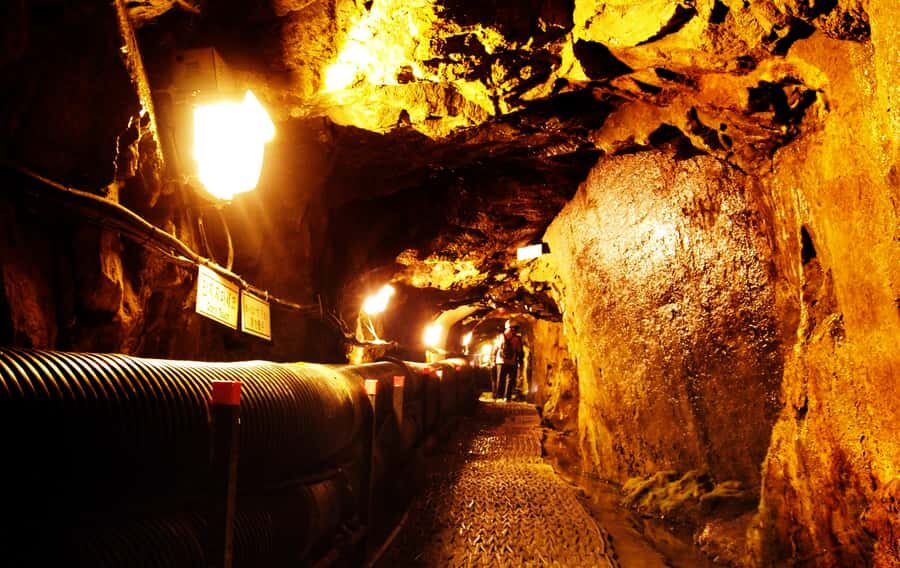
Then comes the stop many people remember: the Third Tunnel of Aggression. The visit is guided for about 20 minutes. Even if you’ve seen photos, this is still one of those places where reality gets heavier fast. You’re not looking at a theory; you’re seeing evidence of the kind of infiltration planning that drove the tension.
What I like about this part of the tour is that the guide typically keeps it grounded: what the tunnel represents, why it mattered, and how it fits into the bigger story of deterrence. You don’t need a military background to follow along because you can connect what you’re seeing to the historical timeline explained during the visit.
Practical tip: wear sneakers. This tour requires them for safety, and the tunnel portion and walking segments demand proper grip.
Dora Observatory: the north-facing viewing moment
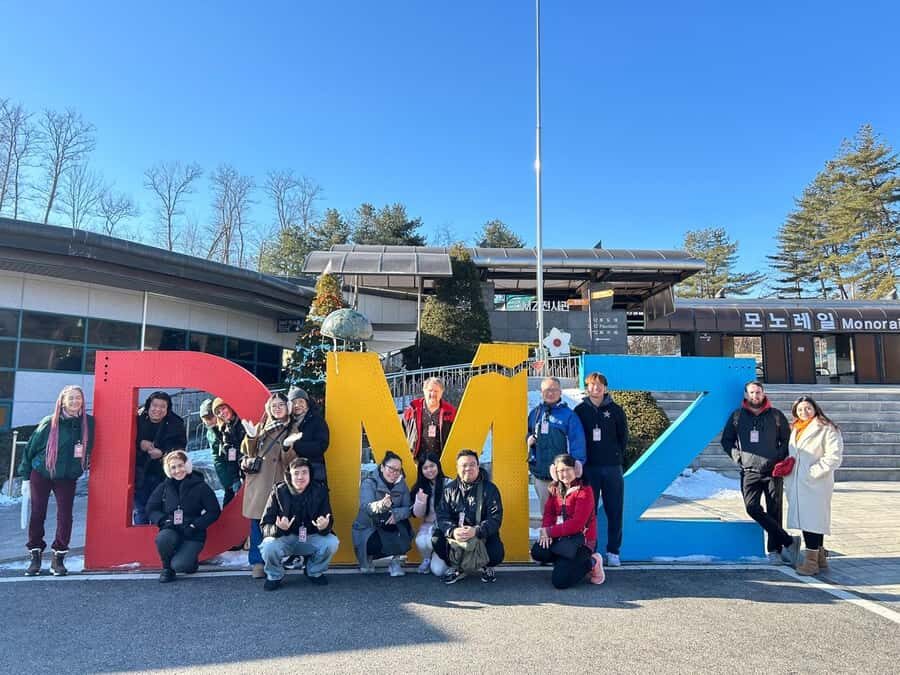
Next up is Dora Observatory with a guided visit (the schedule lists a guided block here as part of the DMZ tour length). Dora is one of the clearest chances to experience the DMZ from the perspective of watching and waiting.
This is where binocular help can matter. Some guides have been known to offer binoculars so you can get a better look through the viewing setup. Even without binoculars, your guide’s narration is what turns the view into something you can interpret.
The key idea here is to watch with context. Don’t just stare. Listen to the guide, then look again. When your guide points out why you might or might not see certain areas clearly, the view becomes more than a postcard.




The DMZ Theater and Exhibition Hall: facts that connect your stops
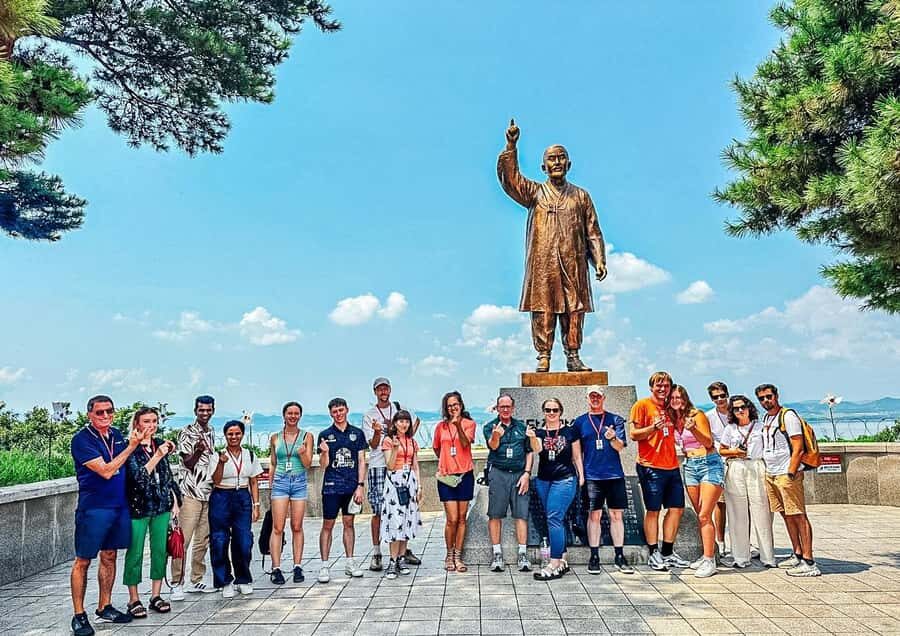
Your day can include DMZ Theater and Exhibition Hall content as part of the DMZ experience. This is important because your eyes will see several separate sites—Imjingak, Mangbaedan, tunnels, observation points—and a good presentation helps connect them so you don’t leave with scattered images.
If your head starts to spin from names and dates, this is the part that can tidy everything up. You’ll be better able to explain to friends later how the Korean War set up the DMZ, and how the peninsula’s division keeps shaping policy today.
The defector interview and Q&A: how to make it meaningful
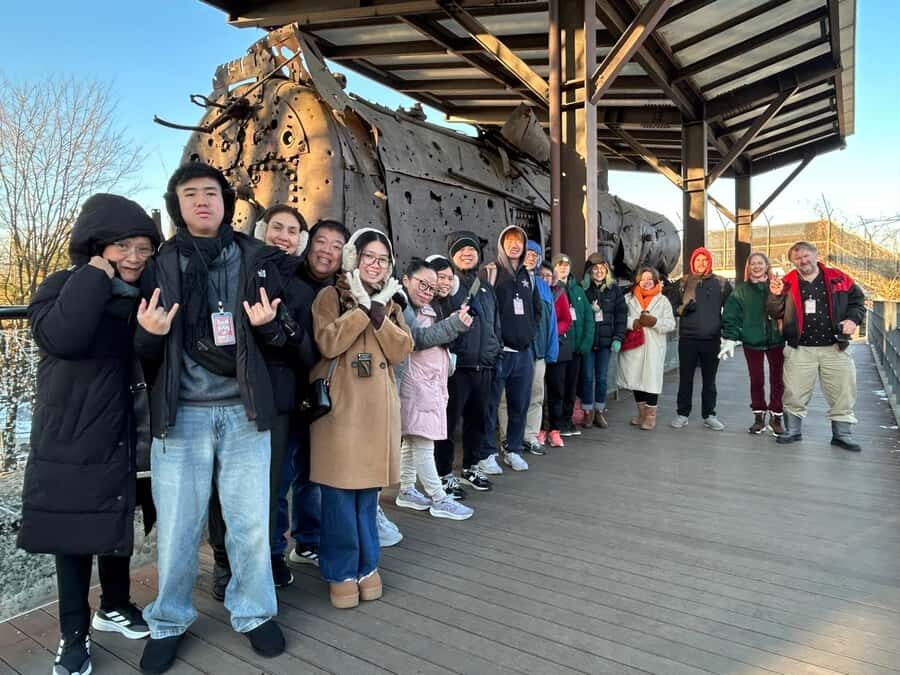
This is the moment that gives the tour its title and its emotional weight. Depending on your selected option, the interview program with a North Korean defector is built into the day, and you can often ask questions.
A few things make this portion hit harder in a good way:
- It’s personal. You hear about living inside North Korea and what life looked like before escape.
- It’s interactive. You’re not only listening—you’re asking.
- It’s human-scale. You get a person’s perspective on events that are usually discussed in big political terms.
From what you’ll experience on tours led by guides such as SP Hong (and other team members), the guide helps set expectations and keeps the discussion respectful and understandable. Guides are also praised for being patient with questions, which matters because the topic is sensitive and not everything will be answered in a single straightforward sentence.
Practical tip: write down 2–3 questions before you go. If you ask one question at a time and keep it focused—what life was like, what changed after escape, what people in North Korea often worry about—you’ll usually get the best answers.
Suspension bridge add-on: a lighter finish if you choose it
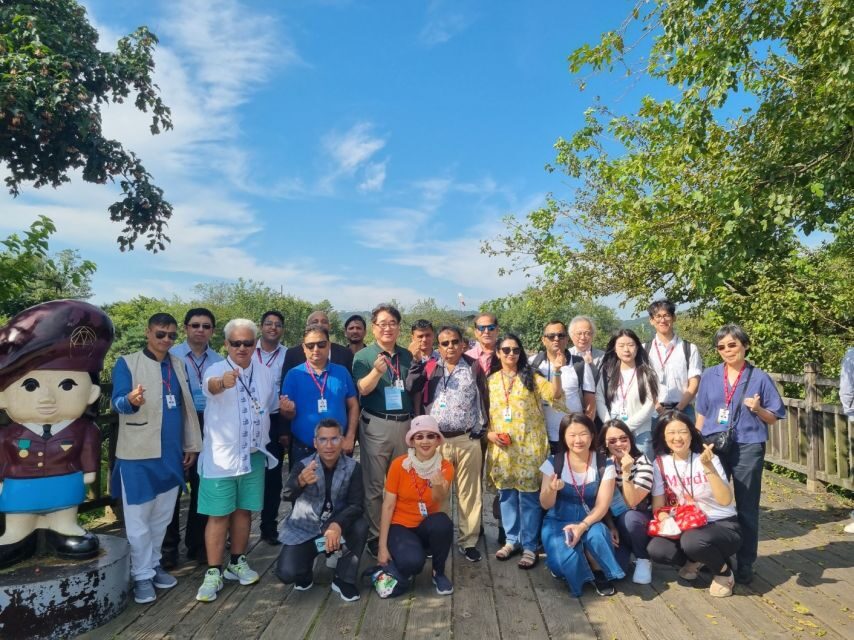
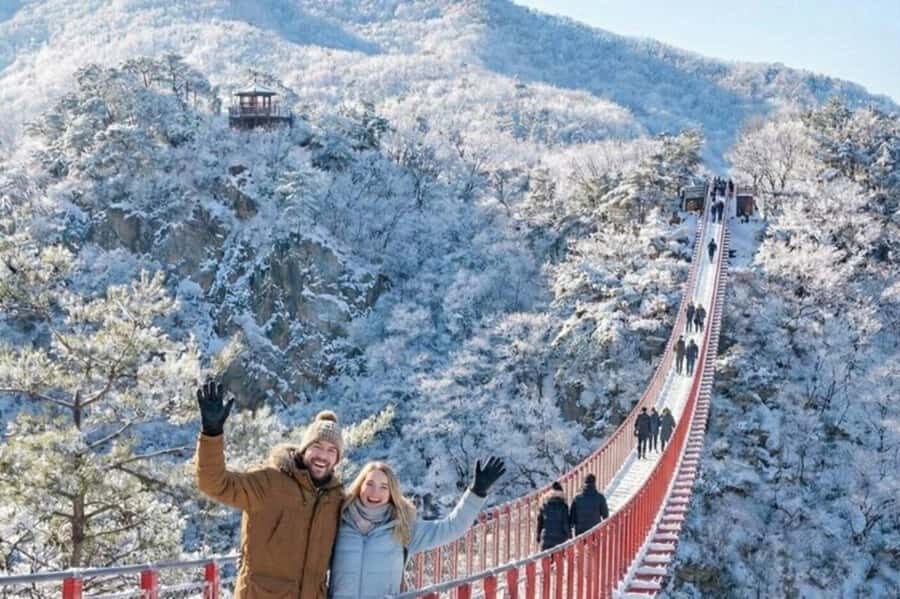
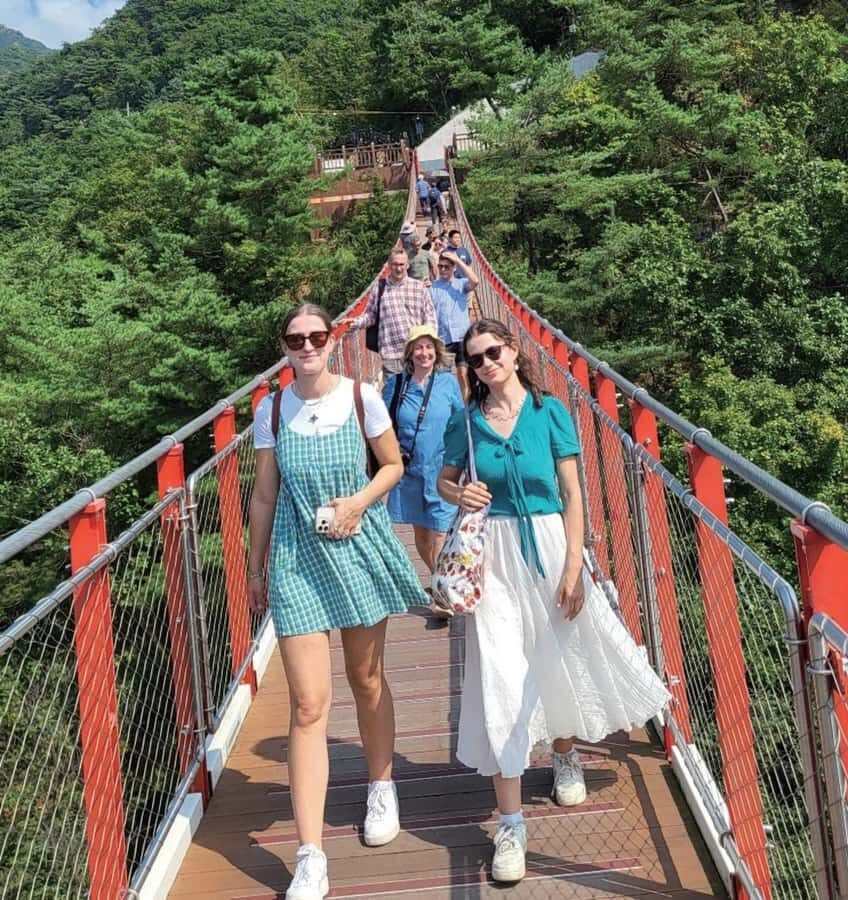
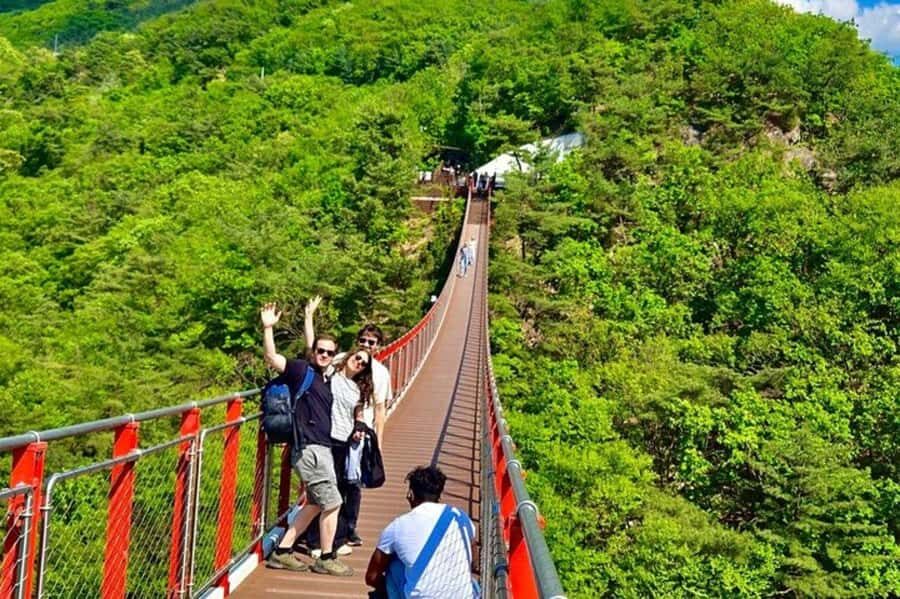
If you picked the option that includes Gamaksan Suspension Bridge, you’ll add a more relaxed stop after the heavier DMZ segments. Reviews and trip feedback note this kind of add-on can feel like a softer landing, giving you a break from the border’s intensity.
It’s not required to enjoy the DMZ part, but if you like a bit of variety—views that feel more everyday and less political—it’s a good add-on to consider. Just remember: footwear still matters, and the day stays long.
Food, comfort, and keeping your photos from slipping
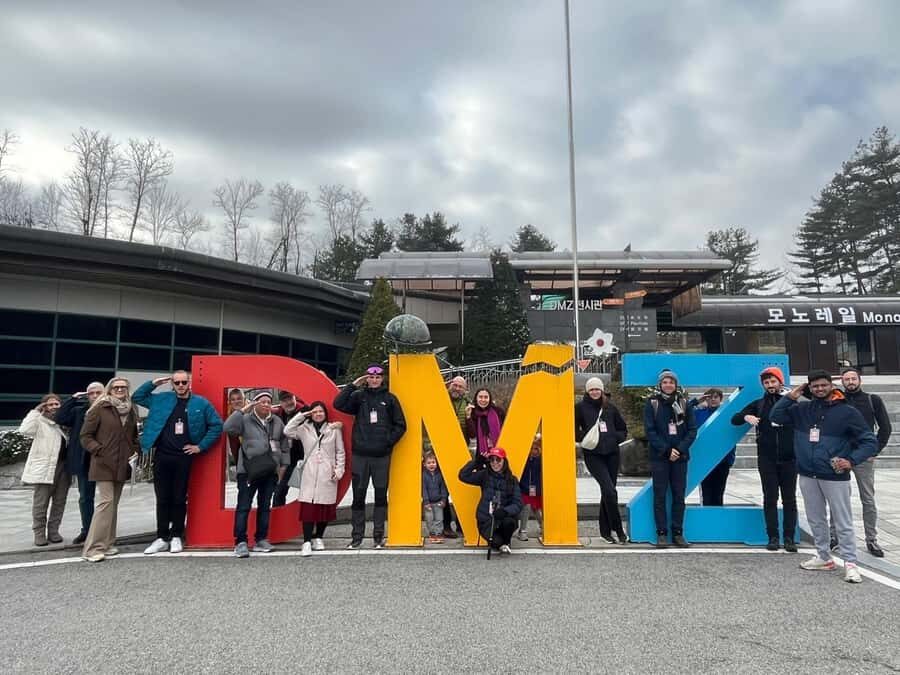
This tour runs on schedules, and there isn’t a lot of downtime. One practical lesson that comes up often: don’t assume a full sit-down lunch is guaranteed. There may be snack options during the day, but if you’re hungry, plan for it. I’d pack easy snacks and a drink so you’re not stuck relying on whatever is available at a stop.
For photo timing: the DMZ can be hazy on some days, and certain windows are better than others. Guides who keep the day moving can also mean fewer chances to stop and browse for souvenirs. If you care about getting your “key view” photos, prioritize the viewing moments and save shopping for when your guide says you’re in a slower stretch.
Price and value: what $50 really buys on this day
At $50 per person, this tour is priced as an “all-in” day: transportation, a guided DMZ tour, entry tickets, and the interview program depending on your option. You’re paying for access and time, not just transport.
Here’s the honest value math: a DMZ tour requires logistics—driving time, site permissions, and guided interpretation so you understand what you’re seeing. Add the defector interview, and the value becomes more than just a list of stops. It becomes a chance to ask questions in a way you can’t replicate on your own.
If the defector meeting is the main reason you’re considering the trip, check that the option you book includes it (it’s described as depending on the selected option). If it’s included, this price point is worth a close look.
Who should book this DMZ tour, and who should skip it
This tour is best for you if:
- You want the major DMZ sites in one day, with a guide explaining the meaning behind each stop
- You care about firsthand perspectives and want an interview-style Q&A, not only museum-style information
- You like structured touring: pickup, transport, guide, and ticket access handled
Skip or reconsider if:
- You need wheelchair access. This tour is not wheelchair accessible.
- You’re not ready for an early start and a long day with limited eating options.
- You’re traveling with children without the right adult coverage. Kids must be accompanied by an adult.
And one more key requirement: you’ll need a current valid passport, plus sneakers for safety.
Should you book the DMZ tour with the defector meetup?
If your goal is a DMZ day that goes beyond photos, I think this is a strong choice—mainly because the interview with a North Korean defector changes the whole experience. The rest of the day is built around clear anchor stops like Imjingak and the Third Tunnel, with Dora Observatory as your north-facing payoff.
My call: book it if the defector interaction is something you actively want, and if you can handle the early, long schedule. If you’re looking for a relaxed sightseeing day, or you need easy accessibility, then pick a different style of DMZ visit.
FAQ
How long is the Seoul DMZ tour?
The duration is listed as 7 to 9 hours. Starting times vary, so you’ll want to check availability for the exact departure.
Where do I meet the tour in Seoul?
The start point is the 1st-floor lobby of the President Hotel. You’re asked to arrive 5 minutes early at 07:00 AM.
Is pickup available from my hotel?
Yes, pickup is optional. The exact pickup point can be near a Seoul metro station or at your hotel, depending on the option you select.
Is the North Korean defector interview always included?
It depends on the option you choose. The interview program is listed as depending on the option selected.
What are the main stops during the day?
The tour includes stops such as Imjingak, Mangbaedan, the Third Tunnel of Aggression, and Dora Observatory. Other DMZ sites mentioned include Imjingak Pyeonghwa-Nuri Park, the Bridge of Freedom area, and the DMZ Theater and Exhibition Hall.
What do I need to bring?
You must bring a passport and have a current valid passport on the day of travel.
What footwear is required?
Sneakers are required for your safety.
Is the tour wheelchair accessible?
No. This tour is not wheelchair accessible.
What languages will the guide speak?
The live tour guide provides service in English and Korean.
What if I need to cancel?
You can cancel up to 24 hours in advance for a full refund. The booking also offers a reserve now & pay later option.