REVIEW · SEOUL
Seoul: Create Your Own Natural Perfume with a Perfumer
Book on GetYourGuide →Operated by AROMIND · Bookable on GetYourGuide
Your nose becomes the compass.
This hands-on Seoul workshop lets you craft a bespoke fragrance in a traditional Korean hanok, using 100% natural essential oils and absolutes while a professional guides the process. It’s part science lesson, part memory game, and it ends with a bottle that feels personal.
I especially love the English instruction and the step-by-step way the perfumery workflow is explained. I also like the take-home value: you leave with a 10ml traveler perfume plus a 50ml EDP, packed with a box and bag.
One thing to consider: if you already know perfumery well, the selection and guidance may feel a bit straightforward since it centers on a set of 30 bases rather than an open-ended lab.
In This Review
- Key takeaways
- Why I like making natural perfume in a Korean hanok
- Getting there and how the 1.5-hour workshop actually runs
- Building your scent with 30 natural bases and a pro perfumer
- What you take home: traveler size, 50ml EDP, box, and bag
- Price and value: is $55 a fair deal?
- Scent stories of Korea: memories, emotions, and the way you choose notes
- Practical tips so your results smell better
- Who this workshop suits best (and who should double-check)
- Pair it with a hanok day near Anguk
- Should you book this Seoul natural perfume workshop?
- FAQ
- How long is the perfume-making workshop?
- What do I get to take home?
- Is the instructor able to teach in English?
- Where do I meet, and how far is it from Anguk Station?
- What should I bring and what should I avoid?
- Is it suitable for kids, pregnancy, or back problems?
Key takeaways
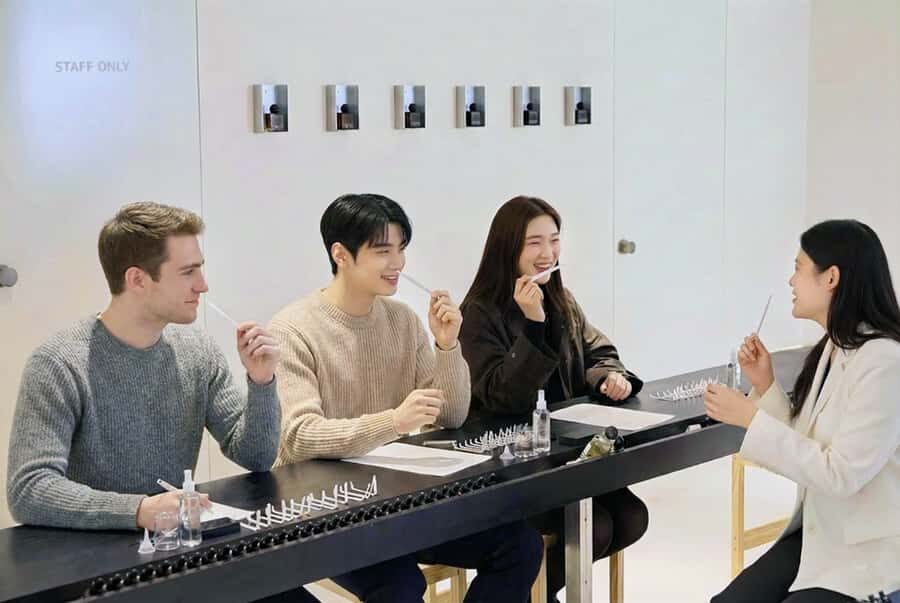
- A hanok setting in Gyeonggi Province that turns perfume-making into a calm cultural moment
- 100% natural essential oils and absolutes used to build your custom scent
- Small-group format (up to 8) with professional guidance throughout
- A structured menu of 30 perfume bases so you can shape top, middle, and base notes
- Real fragrance keepsakes: 10ml + 50ml EDP, plus box and bag
Why I like making natural perfume in a Korean hanok
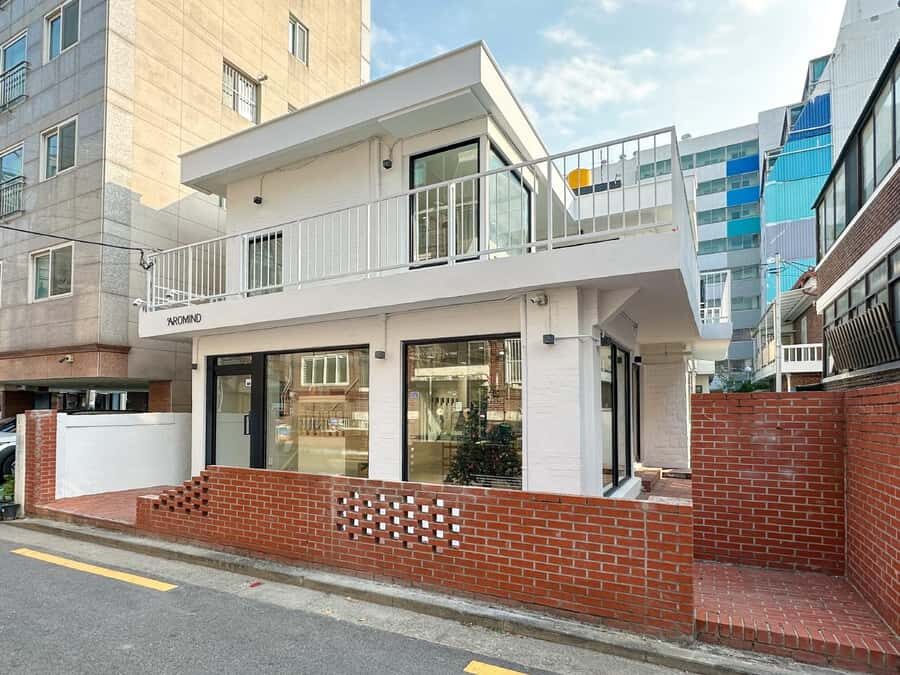
If you want a Seoul souvenir that isn’t just a shopping bag, this is a strong option. You’re not picking from shelves. You’re building a smell that connects to your trip—something you’ll recognize months later when you catch it on your scarf or jacket.
The hanok matters. A traditional wooden setting changes the pace. It feels quiet, grounded, and less rushed than many studio-style activities. That helps because the workshop is very sensory: you’ll be smelling different ingredients and learning how they work together.
This isn’t about synthetic shortcuts. The workshop is built around 100% natural essential oils and absolutes, so you get that fuller, more textured character that many people associate with true perfumery ingredients. And because the perfumer guides you, you’re not left guessing what to do with a vial of smells.
You can also read our reviews of more tours and experiences in Seoul.
Getting there and how the 1.5-hour workshop actually runs
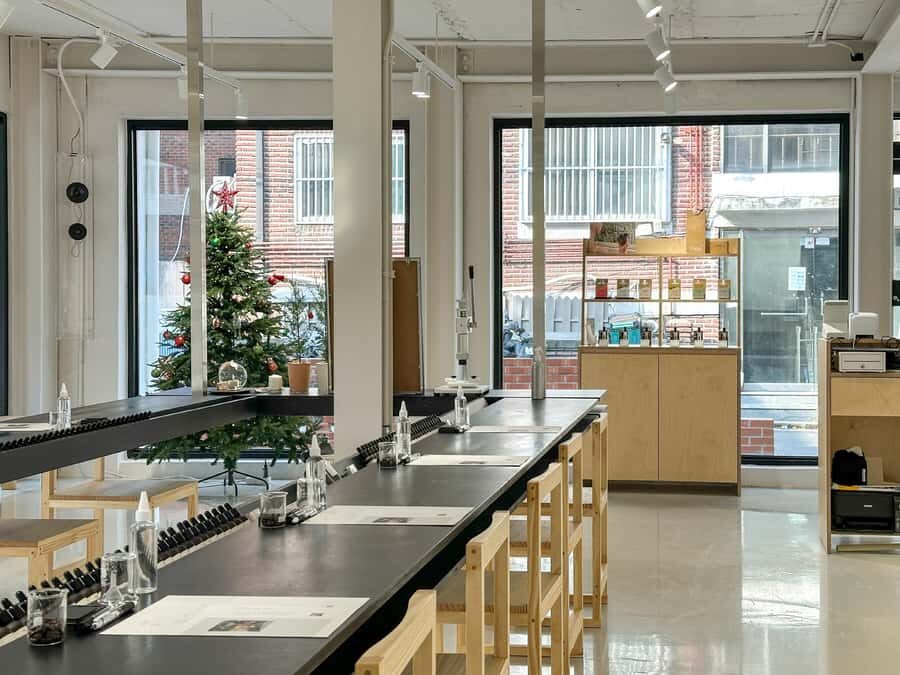
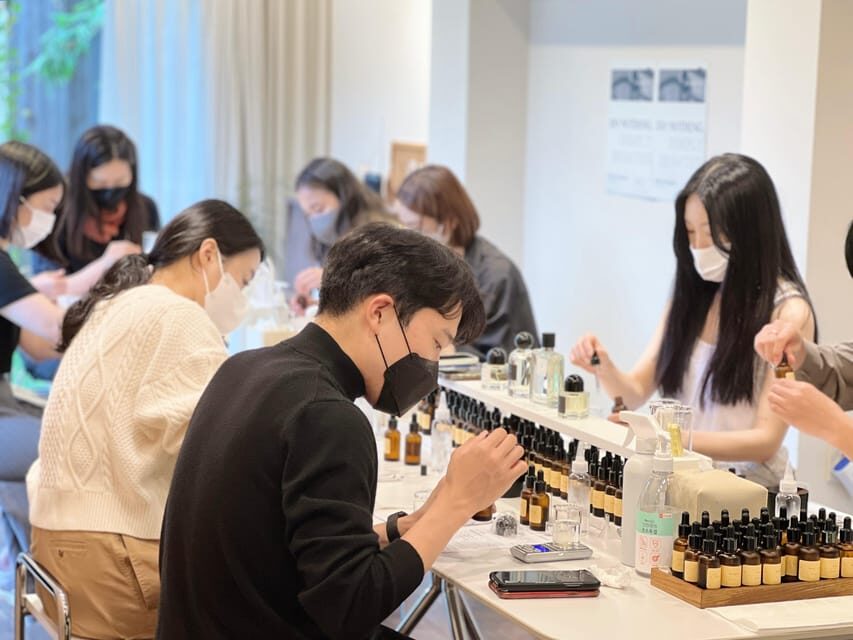
Plan around 90 minutes total. You’ll want to show up on time because you’re asked not to wear perfume beforehand, and the session relies on everyone starting with a clean smell baseline.
Meeting point is simple: it’s a 5–8 minute walk from Exit 2 of Anguk Station (Line 3). The activity starts there and ends back at the same meeting point, so you’re not worrying about last-mile transport after your bottle is made.
Here’s the practical flow you can expect:
- You arrive and get oriented in the hanok workshop space.
- You move through a guided tasting of the ingredients and base options.
- You start shaping your blend, guided by the perfumer.
- You make any needed adjustments and finalize your formula.
- You leave with your finished EDP and your smaller traveler-size bottle, plus box and bag.
The small-group size (limited to 8 participants) is a real benefit. It keeps the perfumer’s attention focused, and it also means the workshop stays calm instead of turning into a noisy group demo.
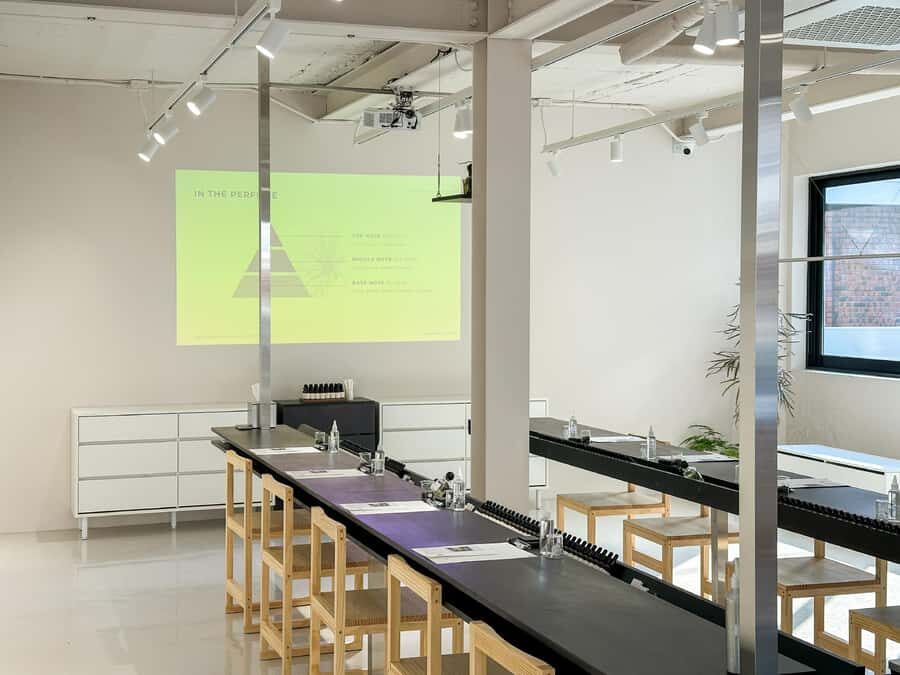
Building your scent with 30 natural bases and a pro perfumer
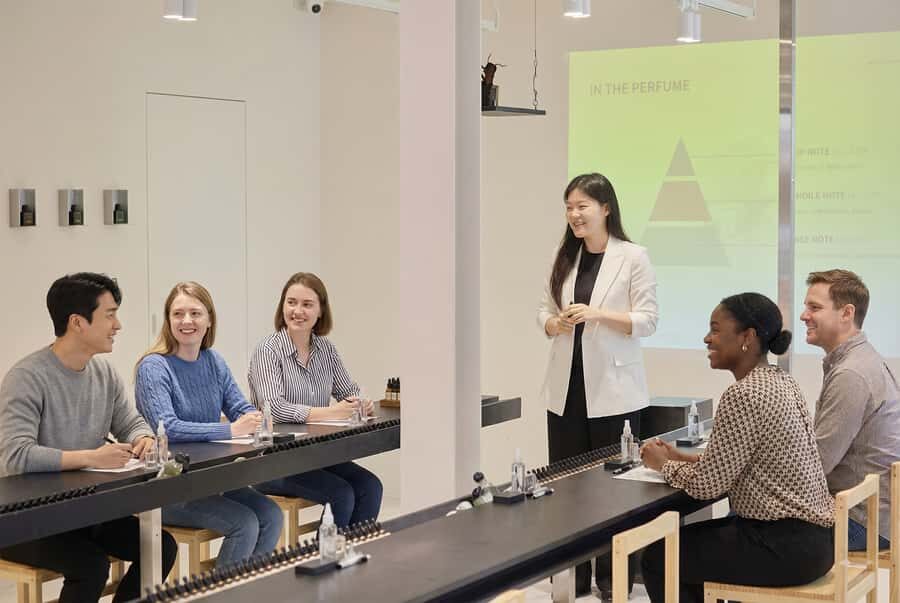
This is where the workshop earns its price. You’re given access to 30 different perfume bases, and you blend them using natural essential oils and absolutes. That number matters because it gives you real creative range without turning the process into a confusing free-for-all.
A helpful part of the experience is that it’s structured like actual perfumery work. You’re not just smelling random fragrances. You’re working with the idea that a finished perfume has layers—often thought of as top, middle, and base roles—so the scent evolves instead of sitting flat.
Your professional perfumer guides you throughout. That guidance is important for two reasons:
- It helps you translate your preferences into a workable formula.
- It keeps you from overloading your final scent with ingredients that don’t play well together.
If you have specific “Seoul memories” in mind—like a particular street food aroma nearby, the feeling of evening air, or a smell you associate with a neighborhood—you can turn that into a direction. The workshop is designed to evoke cherished memories or vivid images from your travels in Korea, and you’ll likely find yourself picking scents based on emotional memory rather than only personal taste.
And yes, your nose gets educated. You start noticing differences that you normally ignore while shopping: how one ingredient reads clean and bright, another reads warm and grounded, and another lingers differently on skin (even if you’re just testing in the workshop).
What you take home: traveler size, 50ml EDP, box, and bag
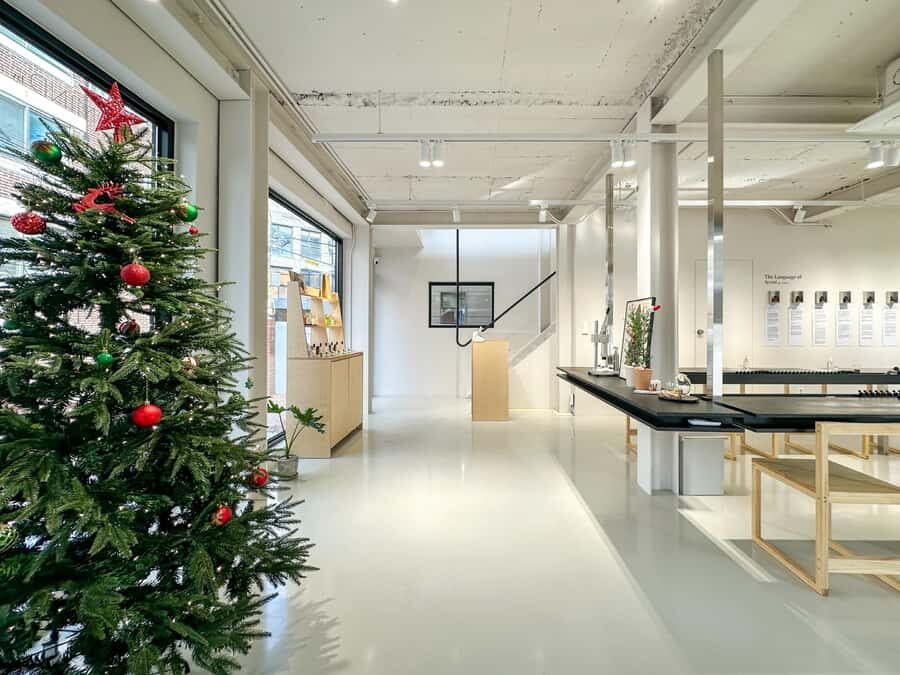
This is one of the biggest value points in the whole experience. You’re paying for instruction and ingredients, but you’re also leaving with bottles you can actually use.
Included in the session:
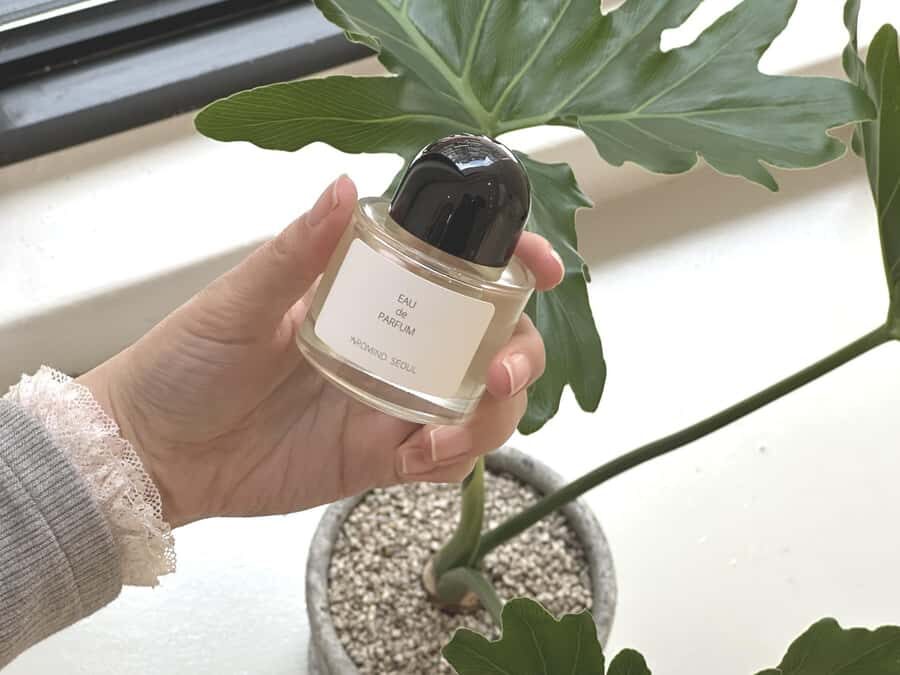
- A 10ml traveler-size perfume
- A 50ml EDP (Eau de Parfum)
- Box and bag
- Guidance from a professional perfumer
- The blend process using 30 bases and natural oils/absolutes
A 50ml EDP is meaningful. It’s not a tiny novelty vial. It’s a size where the scent becomes part of your daily routine. The 10ml traveler bottle is the smart extra—easy for a carry-on or a week away, and perfect when you want the same smell at home and abroad.
One practical note: the workshop also limits additional crafting of extra perfumes or making larger bottles. That means the focus stays on making your single “final answer” blend well, instead of letting the session balloon into a production line.
Price and value: is $55 a fair deal?
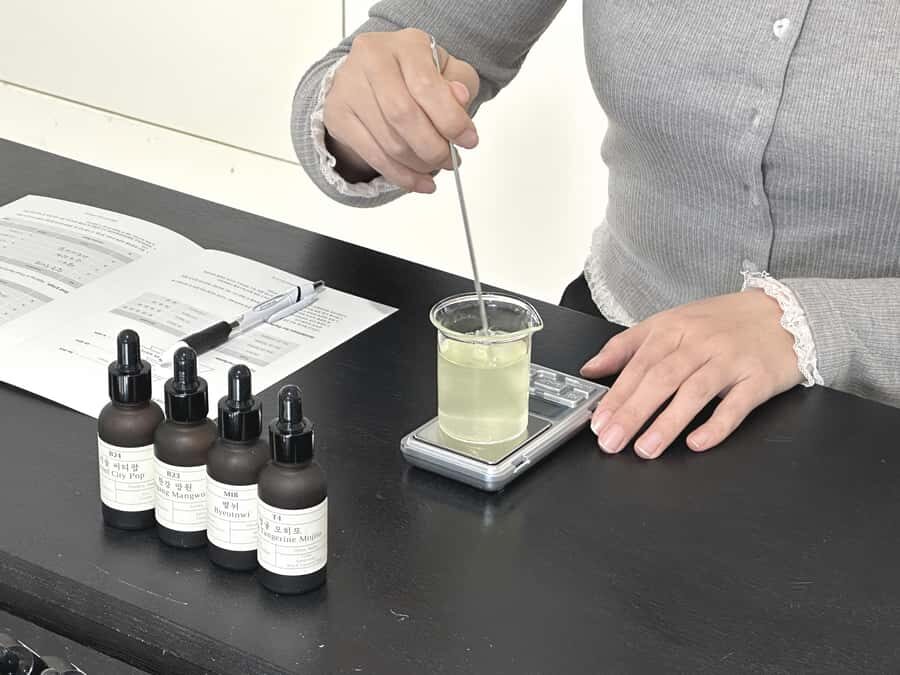
$55 for a 90-minute, small-group, guided fragrance creation experience is not “cheap,” but it also isn’t just paying for a collectible.
You’re getting:
- A professional perfumer’s time
- Access to 30 perfume bases
- Natural essential oils and absolutes
- A 50ml EDP plus a 10ml traveler-size bottle
- Packaging: box and bag
- A take-home final product you can wear
If you compare this to buying a designer bottle in Seoul, the pricing won’t match apples-to-apples. But the value here comes from authorship. You’re not just selecting what someone else made. You’re making something that’s uniquely yours, tied to your own scent preferences and your Korea memories.
Also, since the group is limited to 8, you’re not fighting for attention. For me, that’s part of what makes the price feel reasonable: it’s not a lecture. It’s hands-on.


Scent stories of Korea: memories, emotions, and the way you choose notes
The workshop’s theme is about more than ingredients. It’s designed to help you connect scent to story. As you move through different aromas, you’re encouraged to pick directions that evoke memories or images of Korea—so you’re building a fragrance with personal meaning, not only a pleasant smell.
That matters because perfume becomes more than a product. It turns into a time capsule. Every time you wear your bottle later, you’ll replay the experience: the order of scents, the choices, and the feeling of narrowing down your blend.
In practice, this tends to create a different kind of “shopping” satisfaction. Instead of asking, Will I like this?, you end up asking, Does this match the memory I’m trying to bottle?
Practical tips so your results smell better
Small rules here actually help. Follow them and your blend process goes smoother.
Before you go:
- Refrain from wearing perfume prior to the workshop.
- Avoid strong fragrances on the day. You want your nose starting from a neutral point.
- Plan to arrive on time so you don’t lose the session’s smelling rhythm.
During the workshop:
- No smoking and no food are allowed.
- Audio recording isn’t allowed.
- Bring a camera (if you care about photos of the hanok setting and your final bottles).
These aren’t just compliance items. They protect the quality of the scent work. Strong smells around you can overpower delicate natural notes, and your final blend won’t reflect your intentions as clearly.
And if you’re the kind of person who thinks you have a “bad nose,” don’t worry. The point is learning how scents behave together. The perfumer’s job is to translate your impressions into a recipe.
Who this workshop suits best (and who should double-check)
This is a great fit if you want:
- A hands-on Seoul experience that’s not physically intense
- A memorable craft with real take-home value
- A guided activity with English instruction
- A small-group environment where questions are actually possible
It’s also listed as wheelchair accessible, which is helpful if mobility is a concern. That said, it is listed as not suitable for people with back problems, so if you have that concern, you should treat it as a red flag and check with the provider before booking.
It’s not suitable for:
- Children under 10
- Pregnant women
One more “fit” note: if you’re already deeply experienced with perfumery and expect advanced chemistry customization beyond a set of 30 bases, you might find the structure a bit limiting. The trade-off is that the workshop remains clear, guided, and approachable for most people.
Pair it with a hanok day near Anguk
You’re meeting near Anguk Station (Line 3, Exit 2), which puts you in a good spot for a broader day of neighborhoods and traditional streets.
My favorite way to use this timing is simple: do the workshop first, then keep the rest of your day slow. You’ll be focused on scents and you’ll likely want time to wander afterward without rushing.
If you’re already planning a hanok-focused outing, this pairs nicely with a visit to Bukchon Hanok Village. It’s the same general vibe—traditional architecture, walking streets, and cultural atmosphere—even though your perfume workshop is much more hands-on than a sightseeing stop.
Should you book this Seoul natural perfume workshop?
Book it if you want a personal, wearable souvenir. You’ll spend 90 minutes learning how scent is built, and you’ll leave with both a 50ml EDP and a 10ml traveler bottle. The small group and English guidance make it feel manageable, even if perfume is new to you.
Skip it or reconsider if you:
- Already know perfumery and want broader or more advanced ingredient customization than a fixed set of bases
- Have back issues that could make the session uncomfortable (it’s listed as not suitable)
- Need to bring a child under 10, or you’re pregnant (also listed as not suitable)
If you’re somewhere in the middle—curious, but not an expert—this is exactly the kind of activity that turns a trip into something you can actually carry home. Your scent becomes your itinerary. And that’s hard to beat.
FAQ
How long is the perfume-making workshop?
The workshop runs about 1.5 hours. Starting times vary, so you’ll want to check availability before booking.
What do I get to take home?
You’ll create your custom perfume and take home a 10ml traveler-size bottle and a 50ml EDP, plus a box and bag.
Is the instructor able to teach in English?
Yes. The instructor is listed as English-speaking.
Where do I meet, and how far is it from Anguk Station?
You meet at a point that’s a 5–8 minute walk from Exit 2 of Anguk Station (Line 3). The activity also ends back at the meeting point.
What should I bring and what should I avoid?
Bring a camera. Avoid wearing perfume beforehand, and don’t bring strong fragrances into the workshop. Smoking, food, and audio recording are not allowed.
Is it suitable for kids, pregnancy, or back problems?
It’s not suitable for children under 10, pregnant women, or people with back problems. It is listed as wheelchair accessible.