REVIEW · SEOUL
From Seoul: DMZ The 3rd Tunnel and Suspension Bridge Tour
Book on GetYourGuide →Operated by I LOVE SEOUL TOUR Co., Ltd. · Bookable on GetYourGuide
A tunnel you can actually stand in. This guided DMZ trip is built around the 3rd Infiltration Tunnel and Dora Observatory, with stops that explain how the Korean War still shapes daily life across the border.
Two things I like a lot: you get rare glimpses linked to North Korea at Dora when conditions allow, and the storytelling from guides such as Kenny can make the rules, history, and geography click fast.
One heads-up: the day includes real walking, including the tunnel’s steep climb and a hike to the suspension bridge area, so plan for a physically demanding outing.
In This Review
- Key highlights I’d circle first
- A DMZ day trip that hits the tunnel, Dora, and Gamak bridge
- Seoul pickup, shared transport, and the long drive north
- Imjingak Park: the memorial zone that explains what people still feel
- The Third Infiltration Tunnel: 1,635 meters of claustrophobic engineering
- Dora Observatory: panoramic views with a real chance of seeing movement
- Freedom Bridge and the DMZ zone: why the map matters
- Gamak Mountain and the Red Suspension Bridge: a battle you can point to
- Food, timing, and how the day feels in real life
- Rules you’ll meet at DMZ sites, plus what to bring
- Price and value: why $33 can feel like a bargain
- Optional shooting range add-on after the tour
- Who should book this tour, and who should skip it
- Should you book the Seoul DMZ tunnel and suspension bridge tour?
- FAQ
- How long is the DMZ tour?
- How much does this tour cost?
- Where is pickup in Seoul?
- What is the usual end point after the tour?
- Is JSA (Panmunjom) included?
- Do I need a passport?
- Is there a lot of walking?
- What restrictions should I expect during the tour?
- Is the tour suitable for wheelchair users or people with heart problems?
- What if the DMZ visit can’t happen?
Key highlights I’d circle first
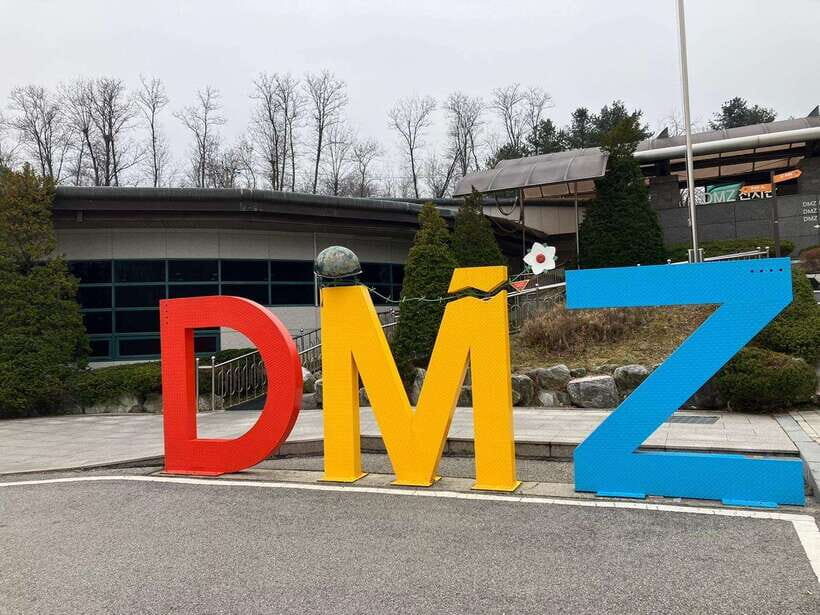
- 3rd Infiltration Tunnel walkthrough: 1,635 meters, with a very tight 2 m height/width and a 30–40 minute round trip on foot
- Dora Observatory viewpoints: panoramic views of North Korea, and on clear days even the chance to spot everyday activity
- Imjingak Park memorial stops: Mangbaedan Altar, Bridge of Freedom, and time to see the reconstructed Dokgae Bridge
- Gamak Mountain suspension bridge history: a battle tied to British troops during the Korean War at the Red Suspension Bridge area
- Guide-led DMZ reality check: clear pacing, strong explanations, and strict on-site rules (including moments when photos/phones may be restricted)
A DMZ day trip that hits the tunnel, Dora, and Gamak bridge
This tour is a straight shot from Seoul into the DMZ zone of tension and reminders. The structure matters: you’re not just dropped off at one viewpoint. You move through a chain of locations that each answers a different question.
You start with a war-and-truce context at Imjingak, then you go underground at the 3rd Infiltration Tunnel, and after that you look outward from Dora Observatory. It’s a powerful pattern: history explained, then geography shown, then the view of what’s on the other side.
And yes, you’ll feel the emotional weight of the place. But you’ll also feel how tightly managed it is. The day runs by military and government rules, not by tourist convenience. That’s part of the point.
You can also read our reviews of more tours and experiences in Seoul.
Seoul pickup, shared transport, and the long drive north
The itinerary is built for a full day, and the logistics reflect that. You’ll either be picked up at centrally located Seoul areas (like Gangnam, Myeongdong, Gwanghwamun, Itaewon, and Dongdaemun) or meet the guide in front of a nearby central hotel or subway station if your lodging is hard to access.
From there, you’ll ride in an air-conditioned bus or minivan with a scheduled pace between stops. The drive and transfer time is a big part of why the tour lands at roughly 9 hours. It’s not a quick outing, and it’s not a “wander at your own tempo” day.
One practical note: there’s a mention that transferring to the DMZ shuttle bus is required if there are fewer than 30 people in the vehicle. That means your group may switch vehicles en route, so don’t plan to multitask with bags or valuables. Keep your passport ready as the day gets more official.
Imjingak Park: the memorial zone that explains what people still feel
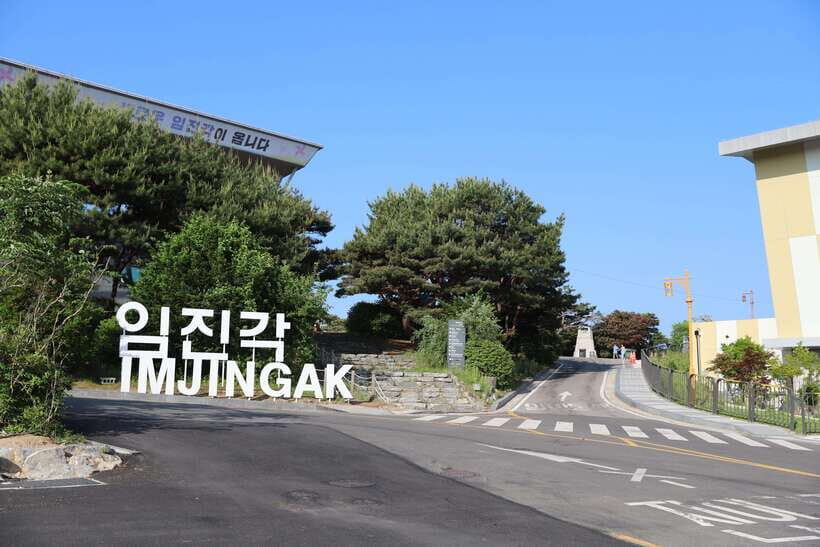
Imjingak Park is about 7 kilometers from the Military Demarcation Line, which gives it an immediate sense of proximity. It’s also a place designed to help you understand the Korean War’s aftermath in a concrete way, not just as dates on a timeline.
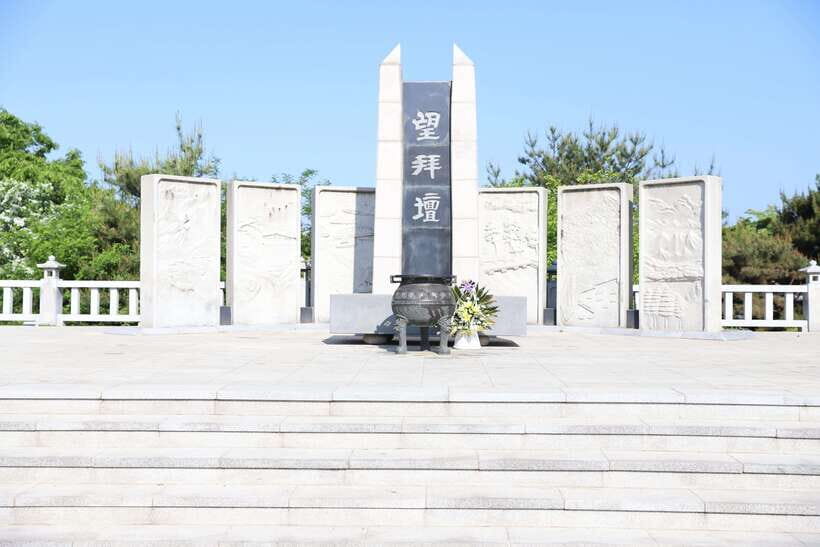
You’ll get guided time at Imjingak, including stops tied to key memory landmarks like the Mangbaedan Altar and the Bridge of Freedom. The tour also mentions Dokgae Bridge, which was destroyed during the Korean War and later reconstructed. That detail matters because it shows a pattern you’ll keep seeing all day: damage, division, and then partial rebuilding under strict conditions.
What I like about this stop for your first hour: it sets expectations for how controlled and careful the rest of the day will be. If you come in without context, Dora can feel like a distant viewpoint. With Imjingak first, you tend to look at what you see with better understanding.
The Third Infiltration Tunnel: 1,635 meters of claustrophobic engineering
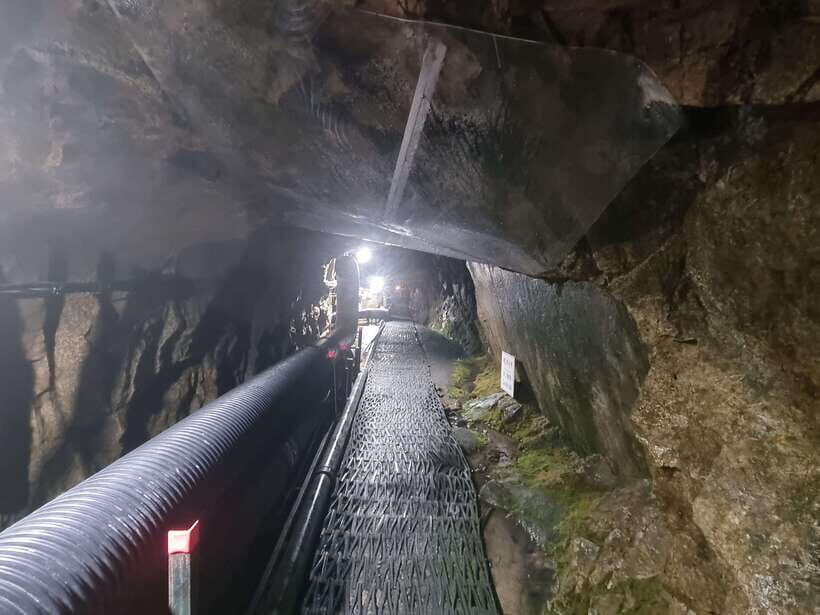
This is the stop most people remember, and for good reason. The 3rd Infiltration Tunnel runs 1,635 meters long, and the opening is extremely tight: about 2 meters wide and 2 meters high. You’re not going in for a quick peek. You’re walking.
The tour includes guided time and also notes that the tunnel area has a steep slope. The round trip on foot takes about 30–40 minutes, and that can be challenging for children and older travelers. The good part is that the day is flexible enough to allow waiting in front of the tunnel if you need a breather.
Practical take: wear shoes you trust. The walking is the whole point here. If you’re expecting a flat stroll, you’ll be surprised. If you prepare for it, you’ll appreciate how unusual it is to experience this type of military infrastructure so directly.
Also, expect rules to be stricter once you’re deeper into DMZ-controlled areas. Some parts of the day can limit photos or phone use. That doesn’t ruin it; it changes how you pay attention. You end up listening more and looking less through a screen.
Dora Observatory: panoramic views with a real chance of seeing movement
After the tunnel, Dora Observatory feels almost like a reset. You go from tight space to open sightlines.
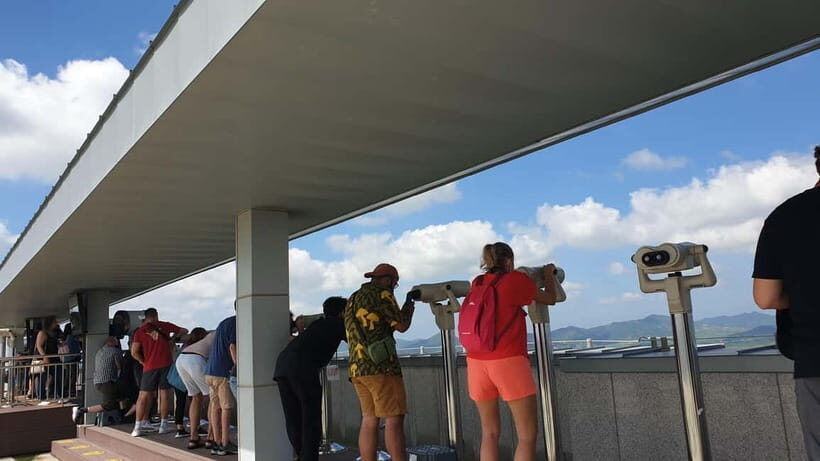
Dora is guided and includes time to view the panoramic scene of North Korea and key locations. On clear days, the tour information says you may even catch a glimpse of North Korean residents going about daily life. That’s not just a dramatic line—it’s the difference between watching a border on a map and seeing signs of life at the far end of it.
You’ll also hear explanations on what you’re looking at. This is where the guide’s role becomes obvious. Strong guides help you interpret shapes, directions, and why certain spots matter more than others.
One extra helpful detail from guide behavior: when outdoor binocular use is closed, some guides may still help people get a closer look by bringing additional binoculars. It’s not guaranteed as a universal rule, but it tells you the day isn’t just scripted and ignored.


Freedom Bridge and the DMZ zone: why the map matters
You’ll also spend time with the Freedom Bridge and then move into the Korean Demilitarized Zone area for a short guided visit. This portion is brief—around 30 minutes—so don’t treat it as a second Imjingak.
Instead, treat it as the final “bring it together” stop. It helps you connect what the tunnel showed (infrastructure and intent) with what Dora showed (distance and perspective). The DMZ is fixed on the map, but what it means is still active in people’s minds.
This segment is also where the regulations feel most real. You may have limits on what you can do—photos, phones, and general behavior—because the DMZ is run by the military. If you’re the type of person who hates restrictions, you may find this part frustrating. If you’re there to understand why it’s restricted, it lands well.
Gamak Mountain and the Red Suspension Bridge: a battle you can point to
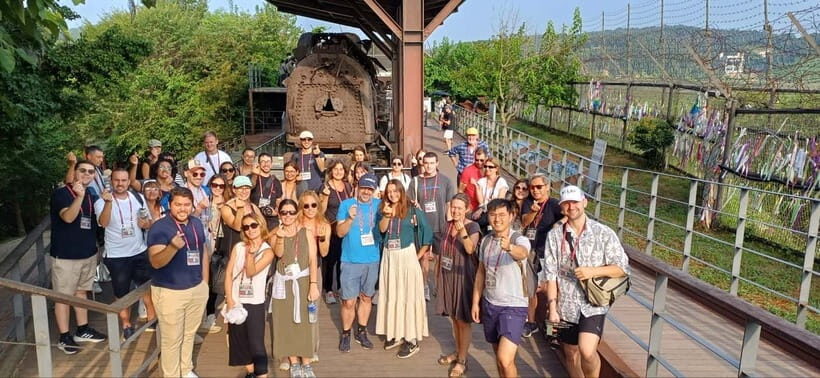
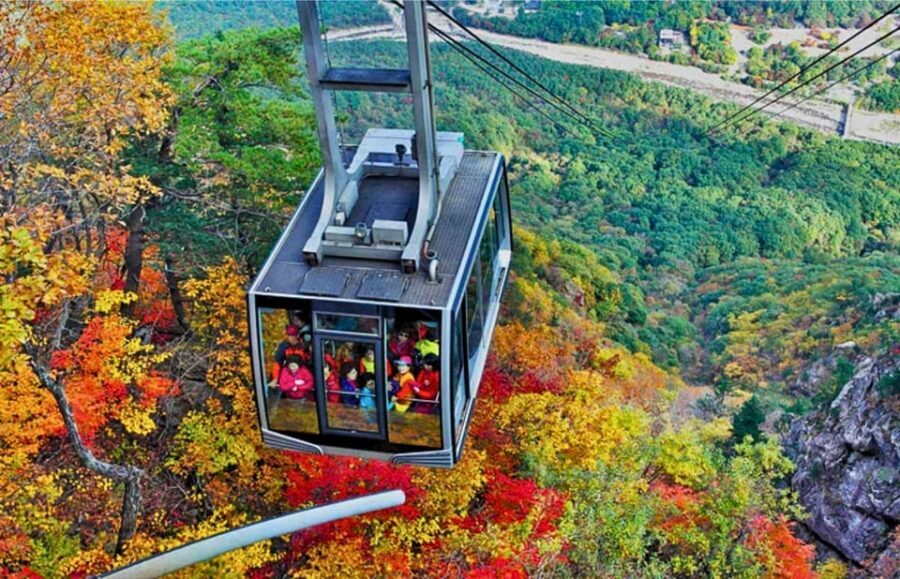
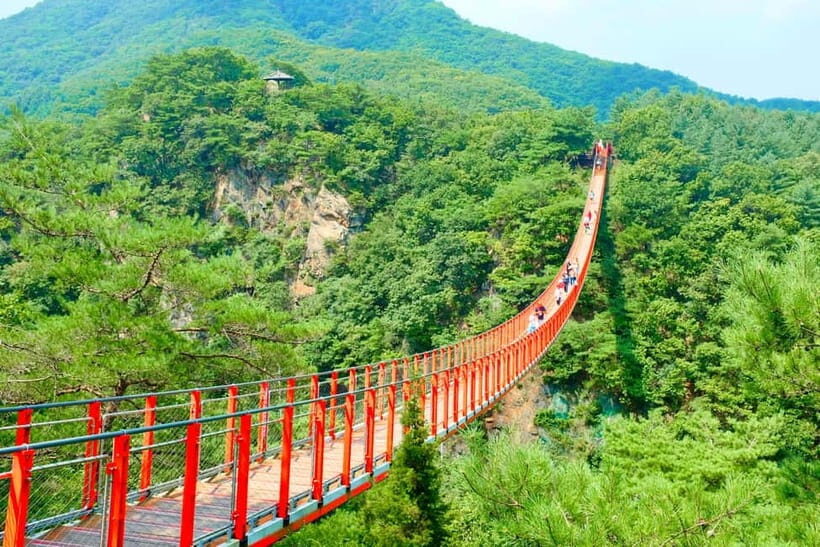
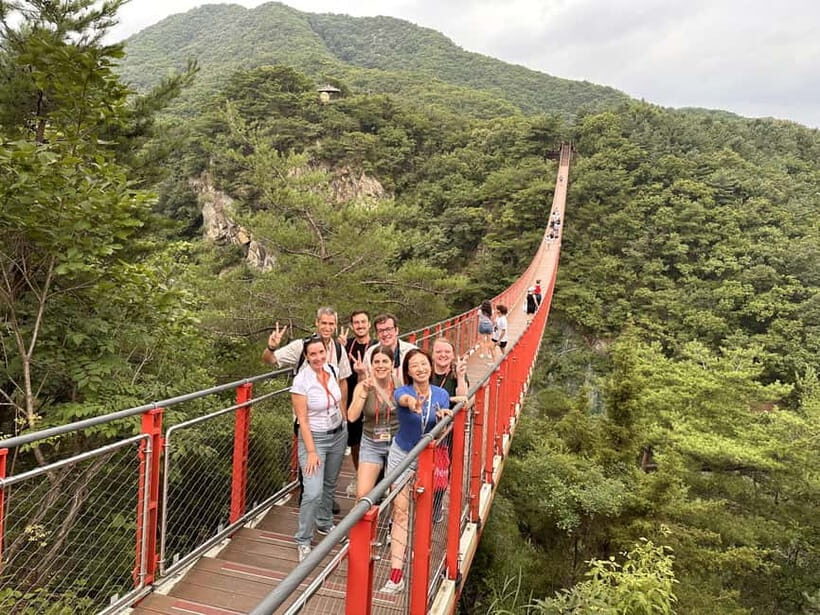
The day ends with a stop in the Mt. Gamak / Gamak Mountain area, including the Gamakaksan Suspension Bridge (also described as the Red Suspension Bridge). This is not just a scenic break.
This location is tied to the Korean War, specifically a heroic battle fought by British troops, and the tour also highlights the Battle of Solma-ri. Standing in this area makes that history feel less abstract, because the terrain connects directly to the story.
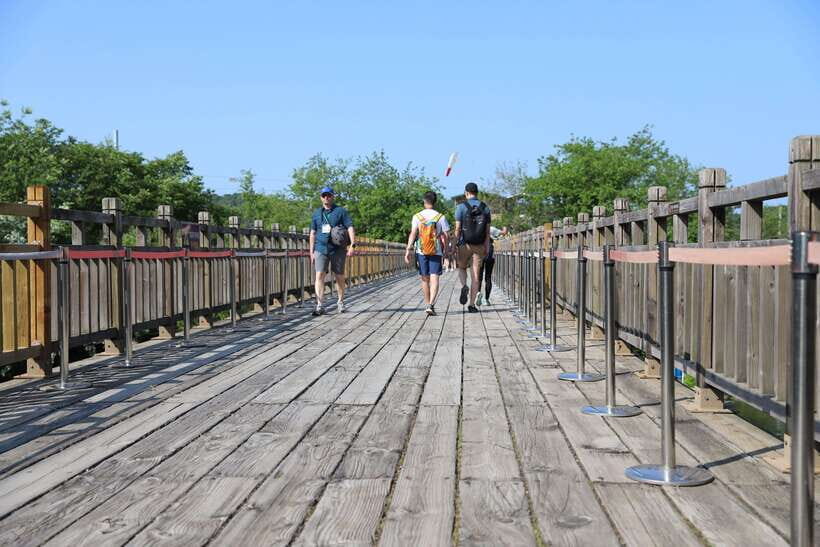
It’s also a hike. The suspension bridge area includes a 40-minute hike, so comfortable shoes matter. If your tunnel time already squeezed your legs, this is where planning pays off. Take it slow. You’re not racing for photos here.
Food, timing, and how the day feels in real life
Food is not included. That means your energy planning is on you. The schedule has guided blocks, bus/coach stretches, and breaks, but you should assume you’ll need to grab something quickly or bring snacks if the tour operator allows it at the stops. The safe move is to eat early before you’re packed into the day’s rhythm.
Time feels tight in the best way. Each stop is long enough to matter, but short enough to keep the day moving. The pacing also matters emotionally: the tour doesn’t rush you through Dora into something else without a beat. You still get guided interpretation.
If you get stuck in the tunnel for a while because of timing or slopes, don’t panic. The structure includes enough time buffering that you’re still likely to hit every major viewpoint.
Rules you’ll meet at DMZ sites, plus what to bring
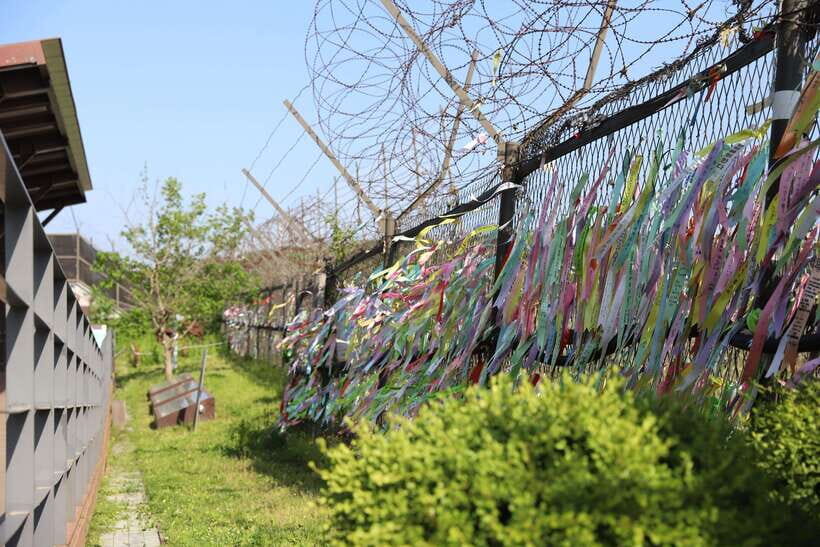
This is where you want to read the fine print and take it seriously.
Bring your passport. That’s required. And plan for the DMZ sites to operate under strict military control. The trip may be canceled without prior notice because the DMZ is run by the military. In that scenario, you may face itinerary changes too.
The tour also notes that the itinerary can change due to weather, military, and government regulations. If the DMZ portion isn’t possible, you may instead visit alternatives such as Art Space BEAT 131, Odusan Unification Observatory, and the War Memorial of Korea. That’s a real possibility, so don’t book with an attitude of must-see certainty.
On-site behavior rules are strict: intoxication isn’t allowed, and intoxicated passengers aren’t permitted and won’t get a refund. Smoking in the vehicle isn’t allowed, and alcohol and drugs are prohibited. Unaccompanied minors also aren’t allowed.
And if you’re thinking about comfort and safety: the tour is noted as not suitable for wheelchair users and not suitable for people with heart problems. If you have any medical concerns, this is a day to talk with your doctor before committing.
Price and value: why $33 can feel like a bargain
At $33 per person, this tour is surprisingly good value if you want multiple DMZ-related highlights in one day. You’re paying for roundtrip shared transfer, air-conditioned transport, licensed English-language guidance, and entrance fees.
Most DMZ experiences in Korea are expensive because of logistics and regulation. Here, the price makes sense because the operator bundles several major stops together with one guide team and shared transport. The result is a lot of structured learning without requiring you to manage complicated routing.
The trade-off is what you’d expect: a long day, guided timing, and strict behavior limits. Also, this tour is not “romantic freedom.” It’s controlled access.
If you want a hands-off day with zero walking, this probably isn’t your best match. If you want a guided, high-impact overview with a clear historical thread, it’s strong value.
Optional shooting range add-on after the tour
There’s an optional add-on called the Shooting Range option. If you choose it, you’ll visit a Myeongdong shooting range after the main tour, and you can experience pistol shooting. This can add time after the core DMZ day, so plan your evening accordingly.
Who should book this tour, and who should skip it
You’ll likely love this tour if:
- You want one day that covers Imjingak, the tunnel, Dora, and Gamak without picking through details yourself
- You like guided explanations and can handle rules on-site
- You want a serious look at how the Korean War still shapes the border today
You might want to skip or choose a gentler option if:
- You have mobility limits. The tunnel involves a steep slope and the bridge area includes a 40-minute hike
- You get uncomfortable in tight spaces. The tunnel’s 2-meter height/width is very small
- You have heart problems or need wheelchair-friendly access
Also, if you hate the idea of restrictions like possible limits on phones or photos, you’ll need the right mindset. This tour works best when you accept that security comes first.
Should you book the Seoul DMZ tunnel and suspension bridge tour?
If your goal is a high-impact DMZ day that mixes memorial context, underground history, and North Korea viewpoints in one organized run, I’d book it. The combination of the 3rd Infiltration Tunnel, Dora Observatory, and the Gamak Mountain suspension bridge gives you variety that most single-sight tours can’t.
Just be honest with your body and your expectations. Bring a passport, wear shoes that can handle walking and slopes, and plan for a structured day with strict rules. If you can do that, this tour is one of the most practical ways to understand the Korean Peninsula from Seoul without getting lost in logistics.
FAQ
How long is the DMZ tour?
The tour duration is about 9 hours, though starting times can vary by availability.
How much does this tour cost?
The price is listed as $33 per person.
Where is pickup in Seoul?
Pickup is optional and offered from centrally located hotels in Seoul such as Gangnam, Myeongdong, Gwanghwamun, Itaewon, and Dongdaemun. If your accommodation is difficult to access, the guide will meet you at the nearest central hotel or nearest subway station.
What is the usual end point after the tour?
The tour concludes with a drop-off at either City Hall Station or the Myeongdong area, depending on your preference.
Is JSA (Panmunjom) included?
No. The tour notes that it does not include a visit to JSA (Joint Security Area/Panmunjom).
Do I need a passport?
Yes. You need to bring your passport.
Is there a lot of walking?
Yes. The 3rd tunnel has a steep slope and takes 30–40 minutes for a round trip on foot. The suspension bridge on Gamak Mountain includes a 40-minute hike.
What restrictions should I expect during the tour?
You must follow DMZ security rules, including no intoxication and no alcohol or drugs. Smoking in the vehicle is also not allowed. Unaccompanied minors aren’t allowed, and passengers who are intoxicated won’t be permitted.
Is the tour suitable for wheelchair users or people with heart problems?
No. The tour is not suitable for wheelchair users and not suitable for people with heart problems.
What if the DMZ visit can’t happen?
Because the DMZ is operated by the military, the trip may be canceled without prior notice. Also, the itinerary can be adjusted due to weather, military, and government regulation factors. In such cases, you may visit alternatives like Art Space BEAT 131, Odusan Unification Observatory, or the War Memorial of Korea.