REVIEW · SEOUL
From Seoul: Closest Observatory to DMZ & Suspension Bridge
Book on GetYourGuide →Operated by I LOVE SEOUL TOUR Co., Ltd. · Bookable on GetYourGuide
A cup of coffee near the DMZ hits different. This tour pairs the Starbucks at Aegibong Peace Eco Park with Jogang Observatory, where you can see North Korea from about 1.4 km away. I also love how guides like Dragon and Shin turn the Korean War and separated-family stories into something you can actually picture. One thing to factor in: Aegibong is military-run, so the visit can be canceled without notice.
You’ll spend about 1.5 hours at the park with time to walk, sip, and look around, then head to Jogang Observatory as part of the same half-day loop from Seoul (ending around Myeong-dong). It lasts roughly 4.5 to 5 hours total, costs $34 including observatory admission, and you’ll want to bring your passport since ID rules are real here.
In This Review
- Key things I’d circle on your planning list
- Why Jogang Observatory is the whole point of this half-day
- Aegibong Peace Eco Park: Starbucks, Hill 154, and why people came back
- Hill 154 to peace symbolism: the story you’ll actually remember
- Jogang Observatory: getting that closest view toward North Korea
- The Christmas-tree bridges with stars: why they changed the display
- How the half-day from Seoul feels in real time
- Price and value: what $34 buys you here
- When this tour is a great fit (and when it isn’t)
- Should you book this Aegibong Peace Park and Jogang Observatory tour?
- FAQ
- Do I need a passport for this tour?
- How long is the tour?
- What’s included in the price?
- Is food or drinks included?
- What happens if the Aegibong Peace Park visit is canceled?
- Can I record video or take photos everywhere?
- Is this tour wheelchair-friendly?
Key things I’d circle on your planning list
- North Korea sightlines from Jogang Observatory, about 1.4 km away
- Starbucks at the border-zone park—yes, it’s part of the experience, not a random stop
- Hill 154 backstory tied to Korean War fighting and postwar family longing
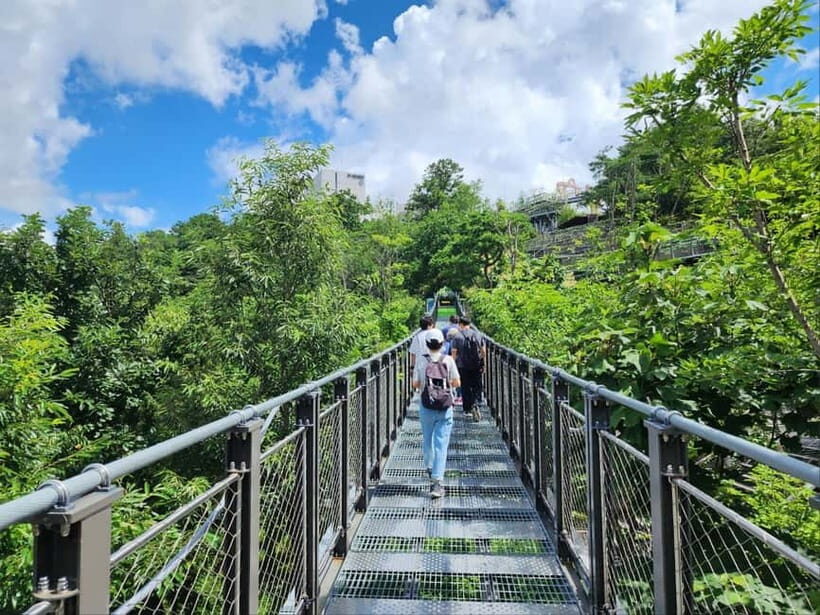
- Christmas-tree bridges with stars built after earlier lighting caused conflict
- Professional guide storytelling (I’ve heard Dragon, Shin, and Sunny all shine here)
- Military-area rules: no video recording, and some photo limits can apply
Why Jogang Observatory is the whole point of this half-day
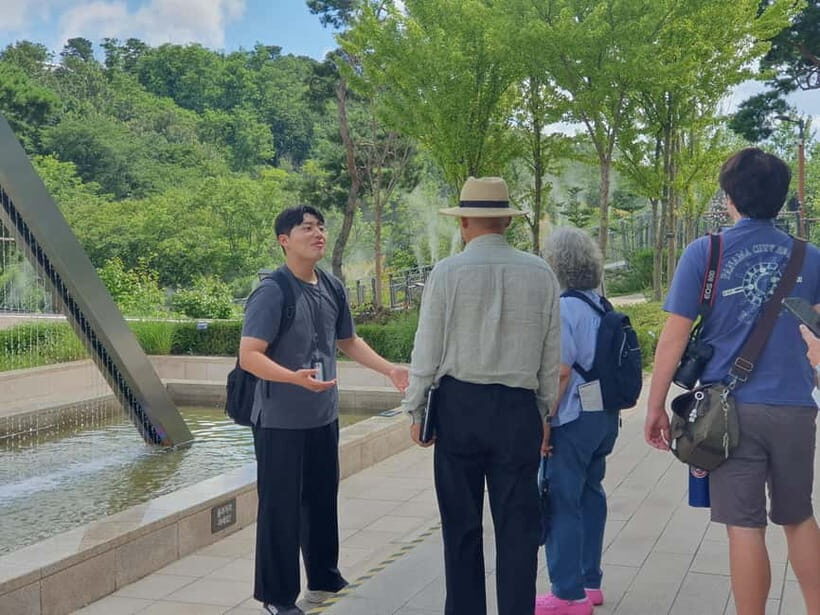
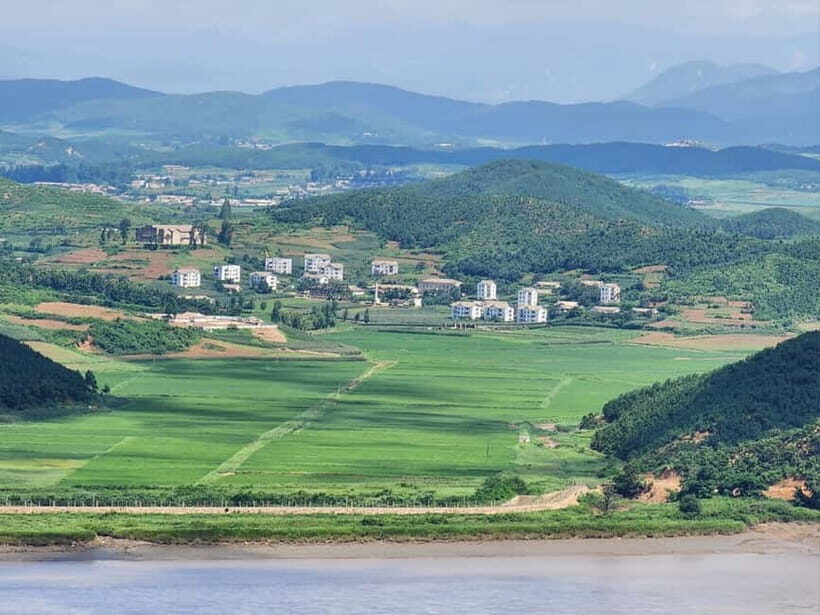
The big draw is simple: you get a rare, direct view toward North Korea from a place that’s officially close enough to feel like you’re standing near a line drawn by history.
Jogang Observatory is the updated version of an older observatory (established in 1978, later demolished and renewed under the Jogang name). The whole point of the renewal was to create a better, more direct vantage—so you’re not just visiting a museum-like viewpoint. You’re going to a working-looking lookout zone where the distance to the northern side is part of the emotional weight.
This isn’t a casual “pretty view” stop. The guide framing matters a lot. When Dragon explains the North-South context, or when Shin links what you see to the realities of separated families, the scenery turns into understanding—not just sightseeing.
You can also read our reviews of more tours and experiences in Seoul.
Aegibong Peace Eco Park: Starbucks, Hill 154, and why people came back
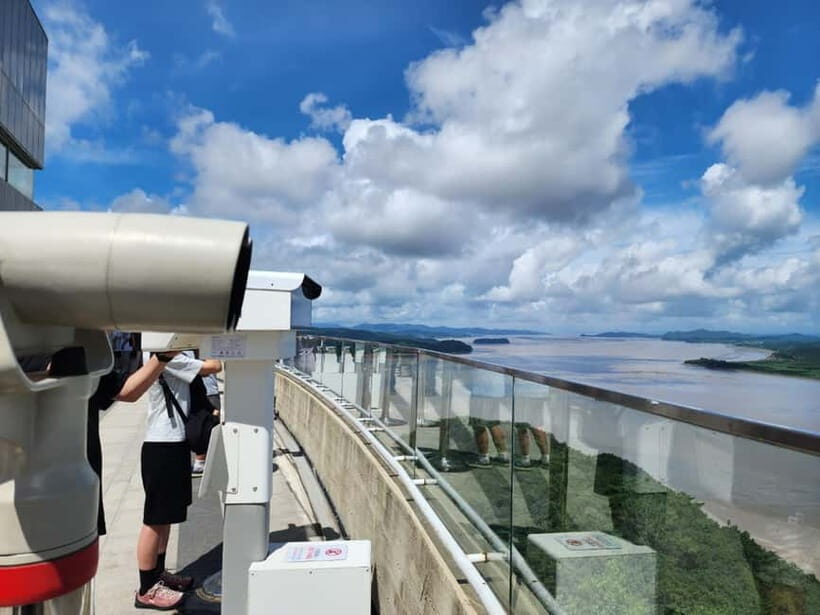
Aegibong Peace Eco Park used to be Hill 154, a key battleground during the Korean War. That fact changes how you should think about your walk through the park. Even before you reach the lookout areas, you’re in a landscape that remembers fighting.
After the war, displaced people often visited Aegibong because they missed their homes and wanted to see where they came from. That pattern of return is part of why Aegibong became famous—not only as a site of conflict, but as a place tied to longing and memory.
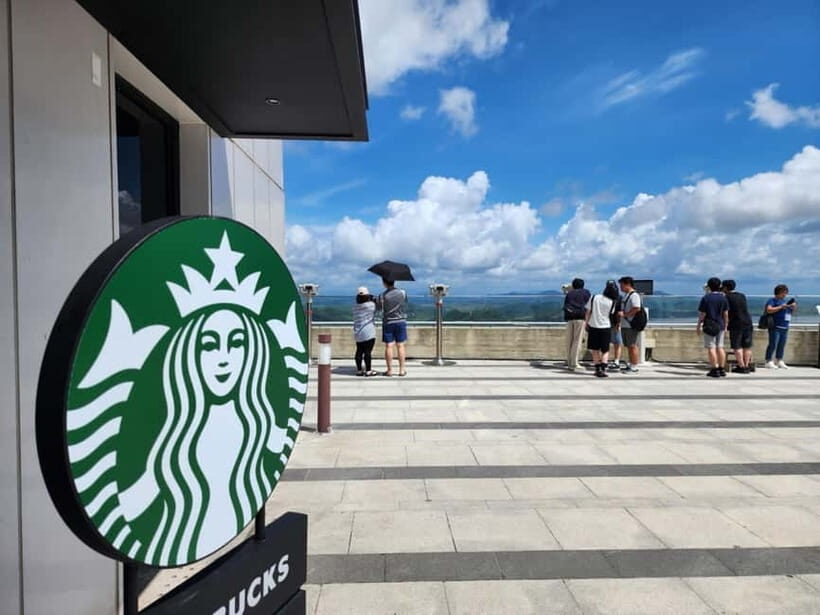
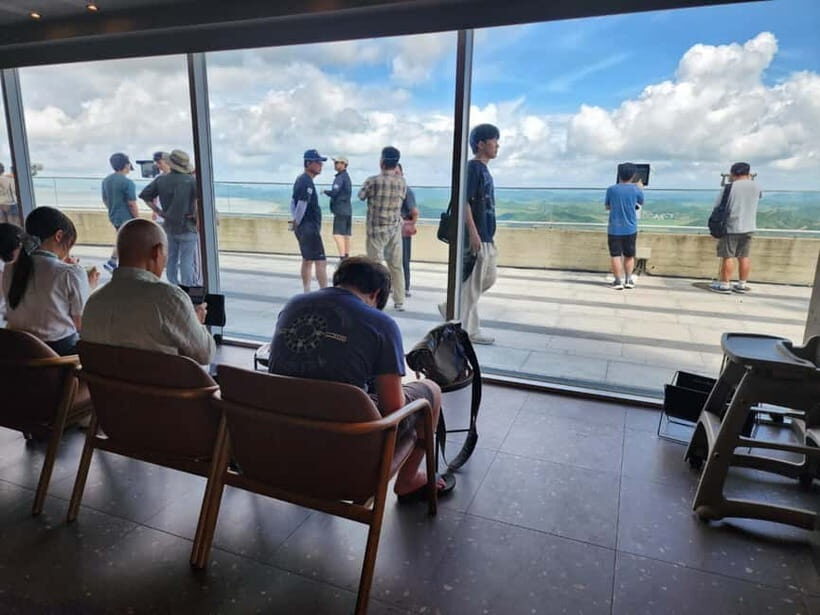
And yes, there’s a Starbucks on the observatory grounds now. It’s an unusual pairing on purpose: you grab a coffee inside a peace-park setting while looking toward a divided peninsula. Sunny’s kind-and-helpful vibe is often mentioned, and it makes a difference here, because the story behind the Starbucks location is part of why it feels so strange-in-a-good-way.
Practical note: you’ll have free time (about 1.5 hours) at the park, so you can pace yourself—walk first, then decide where you want your coffee moment.
Hill 154 to peace symbolism: the story you’ll actually remember
The name Aegibong is tied to the “peace and harmony” symbolism of the eco park today, but that symbolism didn’t appear out of thin air. It comes from how people used the site after the war and how the area was redesigned for remembrance rather than conflict.
If you want the experience to click, listen closely when your guide connects the past to what’s been rebuilt here. Guides tend to mention how the older observatory setup evolved, and why Aegibong’s postwar role shaped its reputation.
This is also where the tour becomes more than a sightseeing checklist. You’re not hearing a single lecture. You’re getting a guided path through meaning: Hill 154 as a fought-over location, Aegibong as a place of repeated home-seeking, and then the modern peace-park design that tries to speak to reconciliation.
If you’ve got even a mild curiosity about the Korean War era, this kind of context helps you see why the distance and direction from the observatory matter so much.
Jogang Observatory: getting that closest view toward North Korea

Jogang Observatory is where the tour earns its name. The highlight here is that you can see North Korea from the closest distance—about 1.4 km away—at least from the observatory viewpoint.
To be clear, this isn’t a guarantee of crystal-clear “movie scene” detail. You’re looking across a heavily controlled, heavily political space. What you do get is the physical closeness and the guided explanation that makes that closeness feel real.
This is also where the coffee moment can hit hardest. The reviews I’ve read (with names like Shin and Sunny showing up again) mention the feeling that you can see North Korea while holding a cup of coffee. That’s not just poetic. It’s a sharp reminder of how everyday routines sit beside extreme division.
You’ll also be dealing with on-site rules. Video recording isn’t allowed, and some military facilities have areas where photography can be restricted. I’d treat your phone like it’s for taking quick photos only if your guide says it’s okay.
The Christmas-tree bridges with stars: why they changed the display
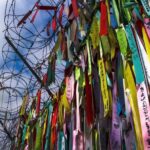
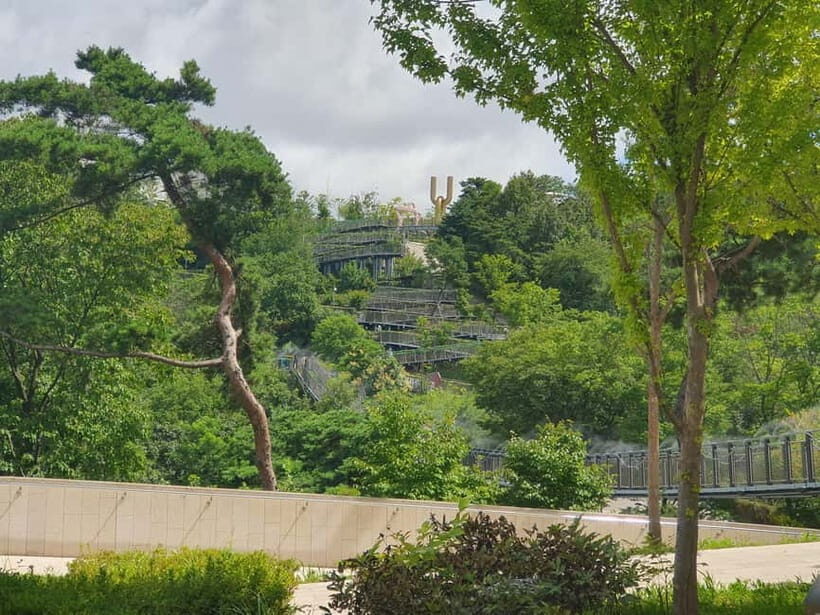
One of the most interesting parts of Aegibong is what happened with the earlier Christmas tree installation. A huge Christmas tree used to be a major visual feature, but the lights were too bright for North Korea—and it caused conflict because North Korea had electricity limitations at the time.
So the tree was removed. Then the eco park staff built bridges in a Christmas tree shape, with stars, so the design could keep the symbolism without the same level of power and brightness issues.
This sounds like a small technical decision, but it’s actually a big human story: it shows how even a seasonal decoration became part of diplomacy-by-constraints. You’re not just walking around festive shapes. You’re seeing how a site learned what it needed to do differently.
When you visit, take a few minutes to look at how the bridges form the tree pattern. The goal isn’t to “collect photos.” The goal is to understand why the park looks the way it does now.


How the half-day from Seoul feels in real time
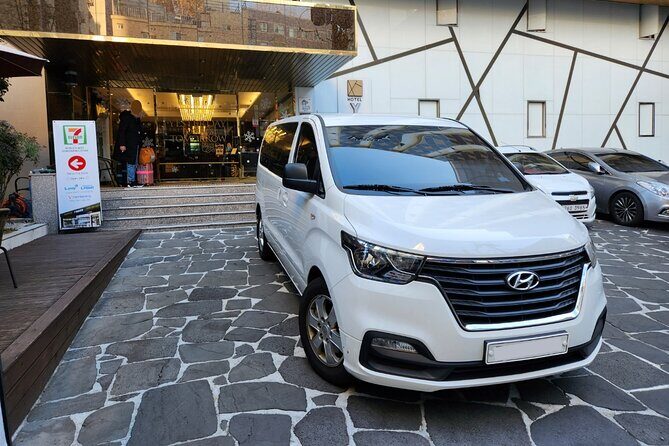
From Seoul, you’ll ride roundtrip by bus with a licensed guide option available in Japanese, English, or Korean. Reviews often call out that the bus ride is comfortable, which matters because you’re going to spend a lot of the day focused on listening and walking around restricted areas.
Your timing is fairly tight by design. You get that free time at Aegibong (about 1.5 hours), then you move through the key viewpoint segments before returning toward the center of Seoul. The total experience runs about 4.5 to 5 hours, so it fits nicely into a day when you want “DMZ-adjacent” without losing your whole afternoon.
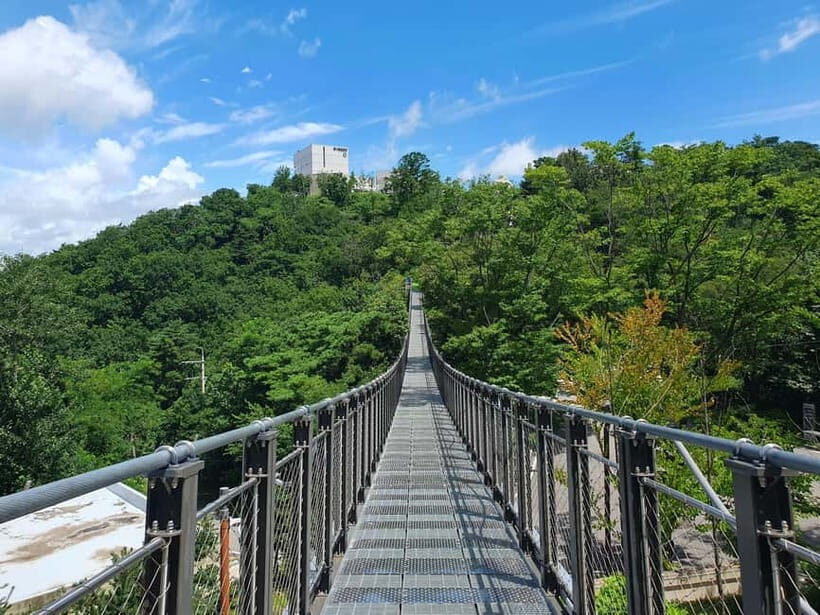
If you’re trying to plan your day around photos and walking, keep this in mind: the park includes steep slopes and hills, and strollers and wheelchairs can’t access certain areas. I’d also skip this if you’re dealing with heart problems or you’re pregnant, since those factors can make the terrain and time outdoors harder.
One more thing I appreciate about tours like this: you’re not stuck figuring out the story yourself. A guide like Dragon or Shin is there to translate what you’re seeing into why it matters.
Price and value: what $34 buys you here
At $34 per person, this is priced like a focused, half-day specialist tour. The value comes from what’s included: roundtrip transfer from Seoul, admission fees to the observatory, and a licensed professional guide when you select the guide option.
Compared with DIY travel attempts, this is the practical angle. You’re not only paying for transport. You’re paying for someone to handle the flow, explain restrictions, and help you understand what direction and distance mean in this specific setting.
There’s also the subtle value of guided interpretation. When the guide connects the Korean War and separated-family stories to the physical locations, your visit becomes more than a distant-view photo. It turns into an organized experience with a narrative arc.
What’s not included is food and beverage. Plan for that by bringing water only if allowed by the on-site rules (the tour notes drinks in the vehicle aren’t allowed). The coffee at the Starbucks stop is part of the fun, but don’t count on it filling you up.
When this tour is a great fit (and when it isn’t)
This is for you if you want a close-to-the-DMZ experience without spending a full day. It’s also for you if you like history that has location-based details—places where you can walk and look, then understand why that ground is charged.
It’s especially well-suited for first-timers to the DMZ area who don’t want to piece everything together alone. The reviews highlight that guides can explain the North and South Korea context clearly, and that helps you avoid feeling lost.
It’s not the best choice if you need wheelchair access. The terrain is steep and many areas can’t be reached. It’s also not recommended for pregnant travelers or people with heart problems, since the tour involves walking on hills and spending time outdoors in a controlled environment.
Should you book this Aegibong Peace Park and Jogang Observatory tour?
If you want the most direct “DMZ-adjacent” experience you can do in a half day, I think this is worth considering. The combination of Jogang Observatory’s close North Korea viewing, the Starbucks setting, and the careful peace-park story makes the day feel purposeful, not random.
The one reason to pause is the military-run nature of the site. The tour notes that the visit may be canceled without prior notice, and in that case you’ll go to Starbucks The Bukhansan Branch instead. If you’re the type who needs certainty, you’ll want some flexibility in your schedule.
If you’re okay with that small uncertainty and you show up with a passport ready, this is one of the more meaningful ways to spend a few hours in Seoul territory—coffee in hand, history in focus.
FAQ
Do I need a passport for this tour?
Yes. You’re required to bring your passport for the visit.
How long is the tour?
The tour runs about 4.5 to 5 hours total. Starting times depend on availability.
What’s included in the price?
The price includes roundtrip transfer from Seoul, admission fees to the observatory, and (if you select it) a licensed professional tour guide.
Is food or drinks included?
No. Food and beverage are not included.
What happens if the Aegibong Peace Park visit is canceled?
Because the park is operated by the military, the trip may be canceled without prior notice. If that happens, you’ll visit Starbucks The Bukhansan Branch instead.
Can I record video or take photos everywhere?
Video recording is not allowed. For photos, some military facilities restrict photography, so you should ask your guide what’s permitted.
Is this tour wheelchair-friendly?
No. The site has steep slopes and hills, and strollers and wheelchairs cannot access parts of the park. It also isn’t suitable for wheelchair users.