REVIEW · SEOUL
DMZ Tour (Exclusive offer: NK Defector meet up & Experience Hall)
Book on Viator →Operated by SEOUL CITY TOUR CO. LTD. · Bookable on Viator
One day on the DMZ changes your perspective. This DMZ day trip from Seoul hits the big border stops—Imjingak Park, Dora Observatory, Dorasan Station, and the Third Infiltration Tunnel—then adds an NK defector meetup experience.
I love the small-group feel (40 max) and how guides like Felicity, Katie, and Miel kept the day running smoothly with clear timing and lots of context. I also love the human side of the border story through the defector interview/meet-up, which makes the history feel personal instead of textbook.
One possible drawback: the tunnel portion includes steep, narrow walking, so you’ll want comfortable shoes and a calm mindset for the climb in and out.
In This Review
- Key highlights in plain terms
- Why the DMZ tour feels different in real life
- From City Hall to the border: the logistics that matter
- Imjingak Park and Freedom Bridge: the “why this matters” stops
- Dora Observatory and Dorasan Station: viewpoints with real limits
- Third Infiltration Tunnel: the physical moment you’ll remember
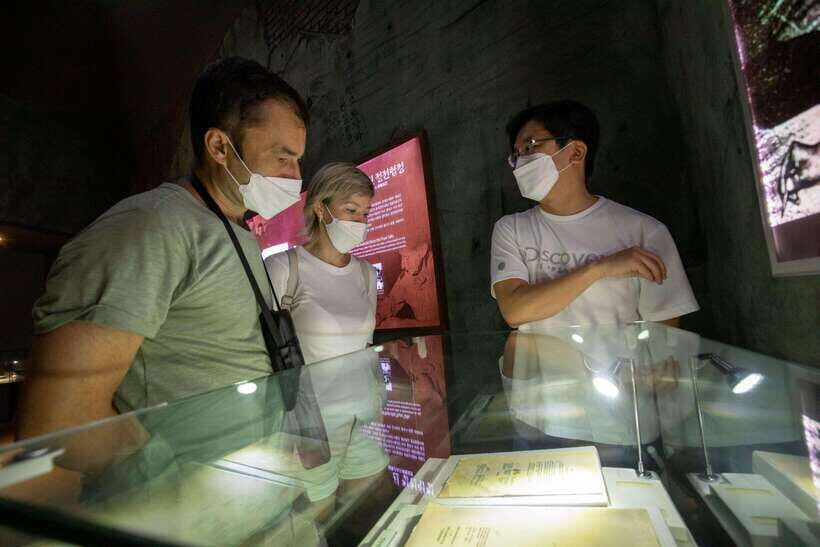
- The NK defector meetup and Experience Hall: the human layer
- Guide energy and pacing: why it makes or breaks the day
- Price and value: why $35 is either a bargain or a trap
- What to pack and how to stay comfortable
- Should you book this DMZ tour?
- FAQ
- How long is the DMZ tour?
- Where does the tour start and end?
- Do I need a passport?
- Is lunch included?
- Is there a tram included in the tour price?
- What if part of the itinerary is cancelled due to military conditions?
Key highlights in plain terms
- Big DMZ landmarks, one tight schedule with multiple photo-worthy border viewpoints
- Air-conditioned coach round-trip so you’re not fighting Seoul traffic all day
- Imjingak Park + Freedom Bridge stops that explain what happened to prisoners and families
- Third Infiltration Tunnel with a moderate but very real physical challenge
- Dora Observatory + Dorasan Station viewpoints for seeing how “distance” works here
- NK defector meetup adds a rare, direct human perspective
Why the DMZ tour feels different in real life
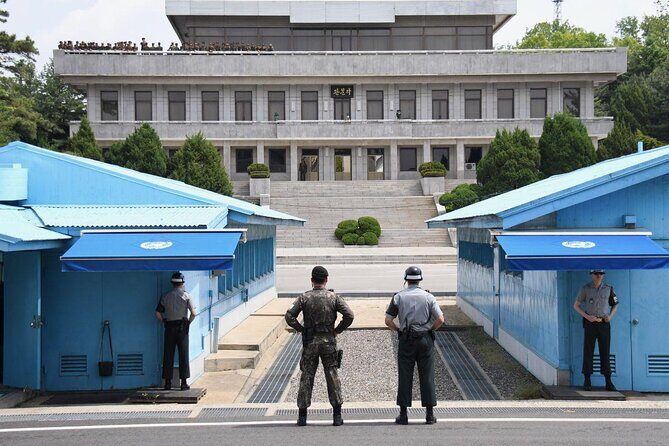
The DMZ is not a normal sightseeing zone. Even on a day trip, it has weight—because what you’re looking at used to be people’s everyday lives on both sides of the line. What makes this tour stand out is the way it stacks major stops into a single 7-hour format, so you get a full story arc rather than a few disconnected viewpoints.
You’ll also notice the day is built around understanding: where the division started, how the peninsula got trapped in conflict, and what the daily reality looks like today. The guide commentary is a big part of that. In the past, guides including Felicity, Katie, Grace, and Yeoni were praised for being high-energy, on time, and good at turning complicated history into something you can actually follow.
The other thing I like is that this is not a shopping tour. You’re free to focus on the sites instead of being pulled into a mandatory stop where you lose time and momentum.
You can also read our reviews of more tours and experiences in Seoul.
From City Hall to the border: the logistics that matter
This tour starts and ends at City Hall Station. That’s convenient if you’re already using Seoul metro to get around, and it keeps things simple: you’re not hunting for a random pickup point.
You’ll ride in a comfortable, air-conditioned coach. In practice, that matters because DMZ days are long enough that you want your energy for the actual stops, not for the commute. Most of the day is driven, so you’re relying on the guide to keep the schedule tight and the group organized.
Two practical notes you should plan around:
- You need a current valid passport on the day of travel.
- If unexpected military conditions or local circumstances force a cancellation of part of the route, there may be no refund.
Also pay attention to the walking requirements. The itinerary includes a moderate amount of walking through a steep and narrow tunnel. Even if you’re reasonably fit, you’ll want shoes with grip and clothes that won’t snag or restrict your movement.
Imjingak Park and Freedom Bridge: the “why this matters” stops
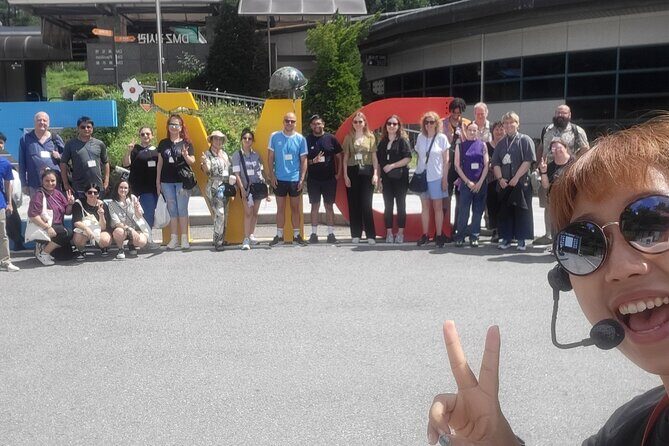
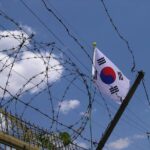
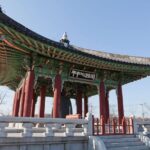
A lot of DMZ trips start with views. This one also starts with understanding. The day includes a stop at Imjingak Park near the Imjin River, where you’ll see artillery and war artifacts tied to the Korean conflict. It’s the kind of place where you can stand in front of objects and quickly realize that this isn’t abstract history.
From there you move toward Freedom Bridge, where nearly 13,000 Korean POWs crossed on their return to South Korea. That number hits differently in person. The stop is a reminder that border decisions weren’t only political—they were human decisions that split families and shaped lives.
What I appreciate here is that this part of the route anchors everything else you’ll see later. After you spend time with the war artifacts and the prisoner story, the later border structures make more sense. You’ll still be looking at restricted areas, but you’ll also be tracking the story behind the restrictions.
Dora Observatory and Dorasan Station: viewpoints with real limits
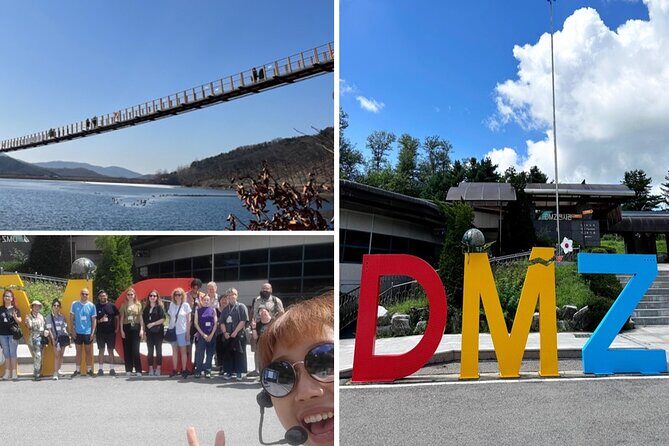
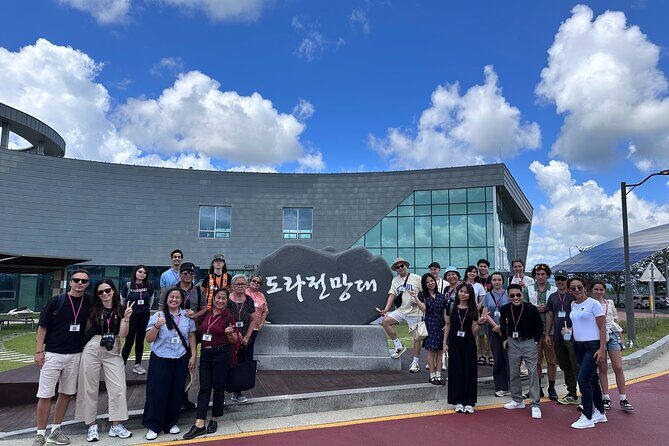
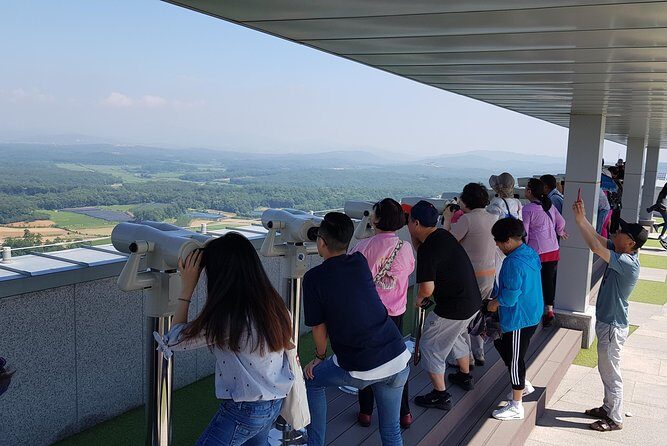
Later in the day, the tour brings you to Dora Observatory and Dorasan Station. These stops are about more than taking a photo over the border line. They help you understand what “seeing” means in a divided zone—what’s visible, what’s blocked, and why the peninsula can’t just be treated like a normal border on a map.
At these stops, your guide’s framing matters. Guides described in the experience focus on explaining the two Koreas’ history and how the DMZ became what it is. So when you’re standing at Dora or Dorasan, you’re not just watching from a railing—you’re learning what you’re actually looking at and why it’s controlled.
A small heads-up: the day can include closures due to conditions on the ground. On one past tour, a site labeled JAS was closed, but the guide and itinerary still kept the day worthwhile. If you’re the type who panics about missing one spot, it helps to remember: this route is built with enough major elements that one closure doesn’t erase the whole day.
Third Infiltration Tunnel: the physical moment you’ll remember
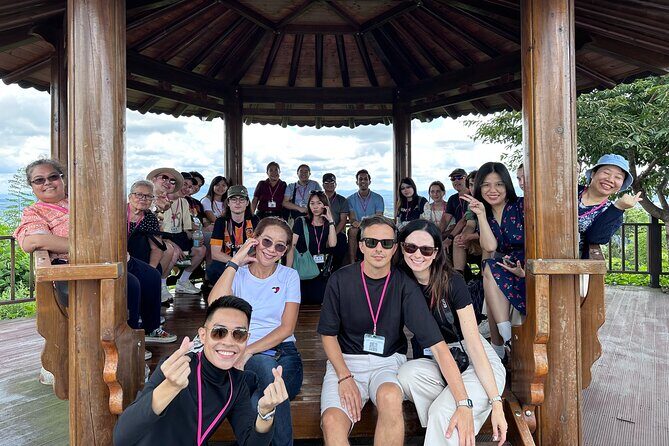
If the DMZ has a “signature experience,” it’s the Third Infiltration Tunnel. It runs beneath the border area, and the point is to show what kind of movement people tried to use when the peninsula was locked in tension.
You should know the tunnel is not a gentle stroll. Expect steep and narrow walking. More than one guide experience highlighted that the tunnel can feel harder than people expect, with the climb back up being a real effort. I’d treat this as a mild adventure with serious footing requirements, not as a casual add-on.
What you’ll take away from this stop is perspective. The tunnel isn’t just a structure—it’s a reminder that borders are enforced not only with fences and signs, but with engineering, surveillance, and the constant fear of movement. When you exit, you feel it in your legs, and that physical memory makes the story stick.
Comfort tip: wear shoes you’d trust on a steep, narrow surface, and keep your phone secure. You’ll likely be following the guide’s instructions about when you can take photos.



The NK defector meetup and Experience Hall: the human layer
The headline “exclusive offer” here is the NK Defector meet-up & Experience Hall. This is the part that many people call the highlight because it shifts the day from structures to people.
A defector session gives you direct answers and real context. In past experiences, guides were praised for being able to handle questions and explain what’s happening without turning the day into theater. If you care about how lived experience differs from headlines, this stop is where it becomes real.
It’s also a moment that can change how you interpret the whole day. When you hear a firsthand perspective connected to the northern side of the peninsula, the objects, bridges, tunnels, and viewpoints stop feeling like museum pieces. They become checkpoints in someone’s life story—yours included, because it changes how you read the border afterward.
One practical note: this part of the day can be emotionally heavy. If you’re traveling with kids, you’ll want to watch the group vibe and decide how much detail you want them to hear. Still, guides in this experience have been described as good at keeping children engaged and moving through the day smoothly.
Guide energy and pacing: why it makes or breaks the day
DMZ tours live and die by organization. The route is long, the schedule matters, and the stops require cooperation—especially around timing and photo rules. The best part of this tour, based on the experience reports you provided, is that the guides tend to be strong across the board.
Names that showed up repeatedly include Felicity, Katie, Grace, Miel, Erica, Yeoni, Laura, AJ, and Sadie. People praised these guides for:
- keeping the day running on time
- answering questions clearly
- maintaining a pace that doesn’t feel like a sprint
- helping with photos (not just watching from the front)
Some guides were also noted for balancing seriousness with lighter moments so the history landed without crushing the mood. That matters because a DMZ day can feel heavy enough without adding confusion.
Price and value: why $35 is either a bargain or a trap
At $35 per person, this tour is priced low for a full border-day experience. You’re getting transportation by a comfortable coach, an expert guide, and admission fees included in the package price.
The trade-offs are also clear from the details:
- Lunch isn’t included, so you’ll want to budget for food and timing.
- The tram isn’t included, so if you’re expecting to use one as part of the day, you may need to plan separately.
- If you want to maximize your comfort during the tunnel and long day, you may spend a bit extra on snacks and water.
The value question comes down to what kind of traveler you are. If you want a guided structure and don’t want to figure out border-day logistics on your own, this price looks like a win. If you’re expecting a private tour feel, total flexibility, or a very gentle walking schedule, you may find the group format and tunnel portion less forgiving.
What to pack and how to stay comfortable
Based on what’s explicitly included and what’s known about the tunnel portion, pack like you’re doing a long day with one real workout segment.
Bring:
- Comfortable shoes for steep, narrow walking
- Layers. Morning and midday can feel different around transport and waiting zones
- A reliable way to stay hydrated
Then follow the guide’s directions on photos. The day involves rules around security and where/when you can take pictures. You’ll get better results by listening early instead of trying to guess.
If you’re sensitive to crowds, remember this runs with a cap of 40 travelers, which is big enough to feel like a group trip but small enough that the guide can keep control.
Should you book this DMZ tour?
I’d book this if you want a structured day focused on major DMZ landmarks, a smooth day plan from City Hall Station, and (most importantly) the NK defector meet-up that turns the day from history facts into lived human context.
I wouldn’t book it if you know you hate steep, confined spaces. The tunnel can be strenuous, and the tour doesn’t hide that. It’s not unsafe—it’s just physical. Also, if you’re counting on every single site with zero risk of closures due to conditions on the ground, set expectations: if military conditions force changes, refunds may not apply.
If you’re comfortable with a guided group day and you want the best “single-day DMZ story,” this is a strong choice.
FAQ
How long is the DMZ tour?
It runs about 7 hours.
Where does the tour start and end?
It starts and ends at City Hall Station in Seoul.
Do I need a passport?
Yes, you need a current valid passport on the day of travel. You do not need to send a copy in advance.
Is lunch included?
No, lunch is not included.
Is there a tram included in the tour price?
No, the tram is not included.
What if part of the itinerary is cancelled due to military conditions?
If an itinerary part is cancelled due to unexpected military conditions or local circumstances, there is no refund.