REVIEW · SEOUL
DMZ 2nd Tunnel and Cheorwon Peace Observatory with Admission
Book on Viator →Operated by Korea Season Tour · Bookable on Viator
A quiet tunnel tells loud stories. I really like that this trip brings you to the 2nd Tunnel and then up to the Cheorwon Peace Observatory, where the views connect directly to Korean War history. The main drawback is timing: it’s about 8 hours, and lunch isn’t included (15,000 KRW per person), so you’ll want to plan your day.
This is also one of the more practical DMZ formats. Instead of switching into another bus, you register first at the DMZ Cheorwon Peace area and then enter the controlled zone with your own vehicle, following a lead vehicle in a single file line. In past groups, guides like Jun and Moon have kept the history clear, and Wendy was especially praised for making the day feel efficient without rushing the meaning.
What you’ll be thinking about by the end: the DMZ has been mostly untouched for 70+ years, yet it’s not a museum-only place. It’s a living borderland where migratory birds, including cranes, and other animals have found space—while the war’s traces still sit in the landscape.
In This Review
- Key highlights you shouldn’t skip
- The DMZ experience that feels more like a journey than a bus tour
- Price and value: what $245.29 actually buys
- Before you cross: registration at the DMZ Cheorwon peace center
- Stop 1: Cheorwon-gun and the lead-vehicle entry method
- Stop 2: the 2nd Tunnel—what you can see and how close it gets
- Stop 3: Cheorwon Peace Observatory and the monorail energy-saver
- Stop 4: Woljeongri Station wreck—metal remains of the Korean War
- Logistics that matter: transport, time, and lunch planning
- Who this DMZ tour is best for
- Should you book this 2nd Tunnel and Cheorwon Peace Observatory tour?
- FAQ
- How long is the DMZ 2nd Tunnel and Cheorwon Peace Observatory tour?
- What is the meeting and entry process like for the DMZ?
- Do I need to switch into a group bus?
- What stops are included in the itinerary?
- What does the admission include?
- Is lunch included?
- Is pickup offered?
- Is this a private tour?
- What is the cancellation policy?
- Is it possible to get mobile tickets?
Key highlights you shouldn’t skip
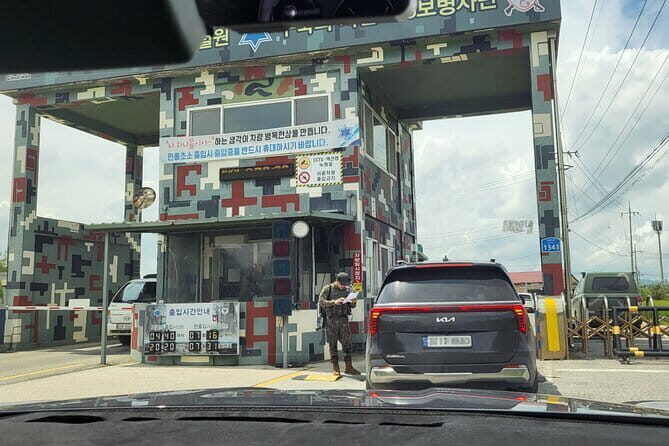
- Private-vehicle DMZ entry (no bus swap): register and drive in, following the lead vehicle in single file.
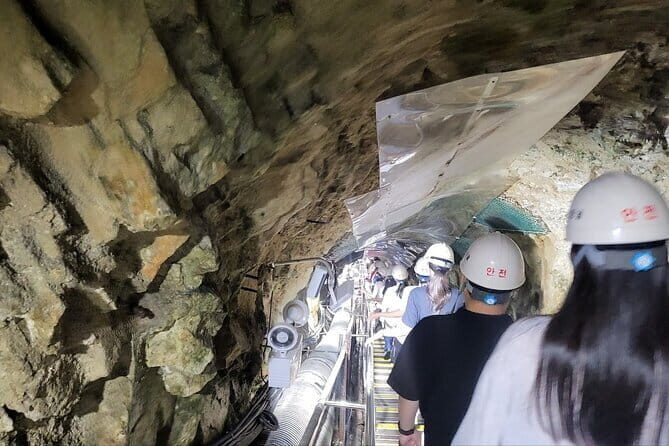
- 2nd Tunnel access close to the border: you explore inside to a point 300 meters from the military demarcation line.
- Cheorwon Peace Observatory includes a monorail: save energy on the ride up, then take in multiple “lesson stops” from above.
- Battle of Blood Ridge is part of the view: you’ll connect sacrifices on both sides to what you can observe from the observatory.
- Woljeongri Station wreck behind the building: you see the remains of a train bombed during the Korean War.
- Admission and monorail tickets are included: DMZ entry plus round-trip monorail are already covered.
The DMZ experience that feels more like a journey than a bus tour
DMZ tours often feel the same at first: drive up, look, listen, drive out. This one adds a different rhythm right at the beginning because you don’t hop out and switch onto another bus.
You start at the DMZ Cheorwon peace area for registration. The process is specific: your visitor name and your vehicle license number are registered before entry. Then you continue inside using your own vehicle, lining up behind a lead vehicle. That single-file setup sounds bureaucratic, but it usually means less confusion for you and fewer wasted minutes tracking yet another group.
You also get a full day without needing to cram it into a “look-and-run” style schedule. It’s long enough to feel educational, and the pacing is helped by having a dedicated group setup—only your group participates.
You can also read our reviews of more tours and experiences in Seoul.
Price and value: what $245.29 actually buys
At $245.29 per person for an 8-hour outing, you’re not just paying for a ride and a few photos. The value is in what’s bundled:
- Air-conditioned vehicle and private transportation
- Bottled water
- DMZ admission fee
- Cheorwon Peace Observatory monorail ticket (round trip)
- Mobile ticket support
- Pickup offered
- Group discounts may apply (depending on your booking)
What’s not included is a big practical detail: lunch is 15,000 KRW per person. That matters because a day this long will usually make lunch feel unavoidable.
So is it worth it? If you’re the kind of person who wants more than viewpoints—if you care about seeing the tunnel and connecting it to the war narrative—then the inclusions help the math. If you’re mainly after a quick photo stop, you may question the price. Here, though, you’re paying for access and guided time, not just transport.
Before you cross: registration at the DMZ Cheorwon peace center
The morning start centers on the DMZ Cheorwon peace center, where you register your details before entering the controlled area.
Two things make this step worth paying attention to:
- Your vehicle license number needs to be right.
- Your name also needs to match the information used for entry.
Because this registration happens before you go further, double-checking those details is the simplest way to prevent last-minute stress. Once you’re cleared, the tour moves forward smoothly with your vehicle following the lead vehicle.
This is also where you set expectations for what comes next. The DMZ is described as a place that has remained untouched for 70+ years. That matters because it frames the day as more than a battlefield slideshow. It’s also a preserved environment where migratory birds—including cranes—and other animals exist.
Stop 1: Cheorwon-gun and the lead-vehicle entry method
Cheorwon-gun is more than a waypoint here. It’s the starting platform for the DMZ day, where the tour’s logistics shape your experience.
Instead of swapping buses like some DMZ routes, you use your own vehicle. You’ll travel in a single file line behind the lead vehicle. That method usually keeps the schedule tight and reduces the “wait for everyone” problem you can get on larger group tours.
For you, this is the type of setup that helps you focus. You’re less distracted by crowd logistics and more ready to absorb what the guide explains.
Stop 2: the 2nd Tunnel—what you can see and how close it gets

Now the main event: the 2nd Tunnel.
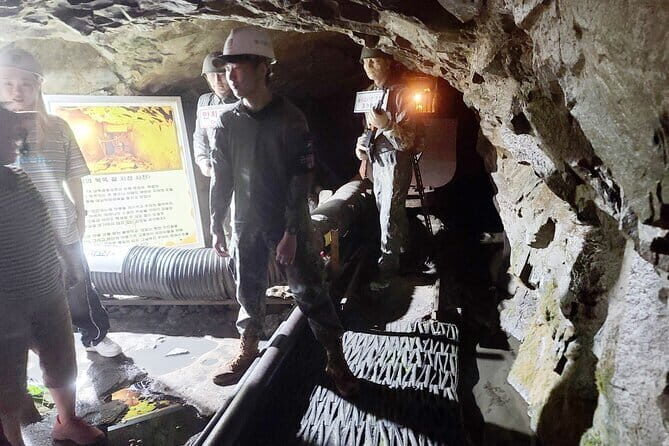
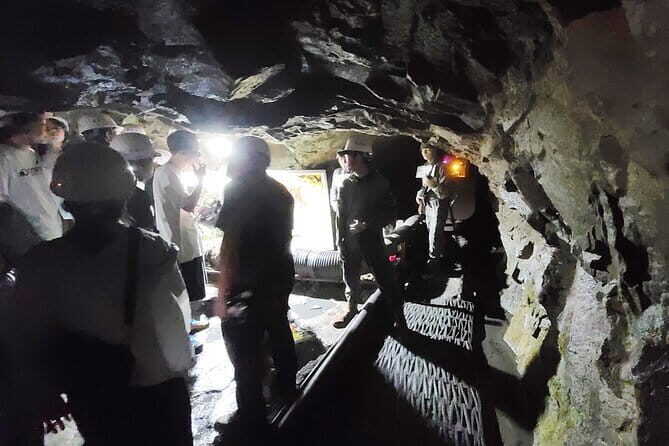
A couple dates give you instant context. The 2nd Tunnel was discovered on March 24, 1975. Excavation began after two soldiers reported hearing explosions during their sentry duty on November 20, 1973. That timeline matters because it reminds you that this wasn’t a planned discovery you learned about in a book first—it was found through tense, real-time reporting.
From a visitor perspective, the tunnel is significant in two ways:
- It’s described as twice longer and deeper than the 3rd Tunnel.
- You can explore inside up to the ending point 300 meters from the military demarcation line.
That “300 meters” piece is especially important for understanding the emotional weight of the place. You’re not going to the exact border line, but you’re close enough to grasp the intent and risk behind the tunnels without pretending you’re inside a Hollywood set.
If you’re touring with kids, this is where the day often becomes a hands-on history lesson. If you’re touring as an adult, it’s often the stop that turns abstract Cold War stories into a physical reality: tight space, the scale of effort, and the seriousness of the threat those tunnels represented.
Stop 3: Cheorwon Peace Observatory and the monorail energy-saver
Next comes the Cheorwon Peace Observatory, and you get a helpful option: you can take the monorail to the top to save energy.
That monorail detail may sound small, but on a long day it helps you stay mentally present. You arrive ready to look, not tired from climbing.
From the observatory, you’ll focus on multiple story elements tied to the Korean War and DMZ area. The experience highlights:
- the ecosystem you can observe from above
- the Battle of Blood Ridge, including sacrifices of 1,250 North Korean soldiers and 1,030 South Korean soldiers
- Kim Il-sung’s high land, including the detail that he cried for three days after losing Cheorwon land
- Fortress of Gung-ye Castle town
- Pyeonggang tableland
- a North Korea propaganda town view in the DMZ
That list is heavy, and that’s the point. From a distance, the physical shapes of the region become connected to the stories people built around them—propaganda, leadership decisions, and the cost of control.
The observatory also connects back to the “70+ years untouched” idea. In other words, you’re looking at a place where nature has moved in, while war memory remains part of the explanation.
Stop 4: Woljeongri Station wreck—metal remains of the Korean War
The final stop is Woljeongri Station.
Behind the station building, the tour points you to the remaining wreck of a train that was bombed during the Korean War. The train was used by the North Korean army, and it was bombed by UN forces.
This part of the day can hit differently than the tunnel. The tunnel teaches you about covert action. The train wreck is blunt and physical. You see war residue tied to a specific location and event, and it turns the DMZ into something more than a geographic border. It becomes a record of choices—made quickly, paid for heavily.
If you’re the type who likes your history grounded in real objects, this is the stop that usually feels the most tangible.
Logistics that matter: transport, time, and lunch planning

Plan around a few practical realities:
- Duration: about 8 hours
- Lunch: not included; budget 15,000 KRW per person
- Transportation: air-conditioned vehicle and private transportation
- Tickets: DMZ admission and monorail round trip included
- Pickup: offered
Because lunch is the only major cost called out, I’d treat it as your main planning checkpoint. Bring enough money for lunch in advance, and don’t assume there will be time to casually grab a snack between stops.
Also, because registration involves your name and vehicle license number, treat your booking details like they’re part of the trip, not just paperwork. Small mismatches can cause friction when security steps are involved.
Who this DMZ tour is best for
This is a strong fit if:
- you want the 2nd Tunnel specifically (not just surface-level DMZ viewpoints)
- you like your history explained with clear, guided context (this is where guides like Jun and Moon, and others such as Wendy, are valued)
- you’re traveling with kids who can handle an educational day—this kind of route is commonly used for learning, and the DMZ setting helps make lessons concrete
- you want a trip that balances war memory with the fact that nature has reclaimed parts of the area over decades
It might feel less ideal if you have a hard limit on long days or if you’re mainly after light sightseeing. The day is structured around serious subject matter, and it runs long enough that energy planning matters.
Should you book this 2nd Tunnel and Cheorwon Peace Observatory tour?
My advice: book it if you want a DMZ day that actually includes the standout access points—the 2nd Tunnel and the Cheorwon Peace Observatory with monorail tickets included—plus a war-linked final stop at Woljeongri Station.
If you hate long drives or can’t handle war history well, you may want a shorter or more general DMZ option. But if you like clear explanations, don’t mind an 8-hour schedule, and want your admission and monorail handled for you, this is a practical, value-focused way to experience the DMZ.
FAQ
How long is the DMZ 2nd Tunnel and Cheorwon Peace Observatory tour?
It runs for about 8 hours.
What is the meeting and entry process like for the DMZ?
You register at the DMZ Cheorwon peace center first, including your visitor name and your vehicle license number, before entering the DMZ area.
Do I need to switch into a group bus?
No. Unlike some DMZ tours, you can visit with your own vehicle and follow a lead vehicle in single file.
What stops are included in the itinerary?
The tour includes stops at Cheorwon-gun, the 2nd Tunnel, Cheorwon Peace Observatory, and Woljeongri Station.
What does the admission include?
The price includes the DMZ admission fee and a round-trip monorail ticket for the Cheorwon Peace Observatory.
Is lunch included?
No. Lunch is not included and costs 15,000 KRW per person.
Is pickup offered?
Yes, pickup is offered.
Is this a private tour?
Yes. Only your group will participate.
What is the cancellation policy?
You can cancel for a full refund up to 24 hours before the experience’s start time.
Is it possible to get mobile tickets?
Yes, mobile tickets are included.