REVIEW · SEOUL
Detailed Seoul Image & Personal Color Analysis in Hongdae
Book on GetYourGuide →Operated by Color by Nari · Bookable on GetYourGuide
Your face will tell you the colors. In Hongdae, this personal color analysis turns lighting guesses into a clear palette you can shop from and wear with confidence.
I especially like how hands-on the process is, with multiple draping rounds that map skin tone, warm/cool, and season results to specific shades. That makes the session feel practical, not just pretty.
Another thing I like is the private-room consultation style, plus extra checks like a jewelry color assessment and a makeup pouch test. By the end, you get fashion-styling and makeup product recommendations tied directly to what looked best on you.
One consideration: you need to come prepared. If you show up with heavy makeup or colored lenses, they may struggle to find the right colors quickly, and the session time can feel tight.
In This Review
- Key things to know before you go
- Hongdae personal color analysis: what the 50-minute consult is really doing
- Meeting point near Hongik station and how to prep for accurate draping
- Your full Color by Nari flow: from color theory to season draping
- Color theory first, so the results make sense
- Skin tone and warm/cool tone assessment
- Season draping: more than just one label
- Hair color and makeup tone analysis
- Best, natural, basic, and second-best shades: how to turn a palette into wardrobe choices
- Jewelry color check and the makeup pouch test (use what you already own)
- Makeup pouch test: match your current products to your results
- Jewelry color check: learn what accessories amplify your look
- Fashion styling, product recommendations, and the photozone for proof
- Price and timing: is $180 worth it for a Seoul stop?
- Who this Hongdae color analysis is best for
- Should you book Color by Nari in Hongdae?
- FAQ
- How long is the Seoul image and personal color analysis in Hongdae?
- How much does it cost?
- Where do I meet the studio in Hongdae?
- What should I do before the session so the results are accurate?
- What kind of analysis and draping happens during the consultation?
- Is there a photozone?
- Are there any restrictions on food and drinks?
Key things to know before you go
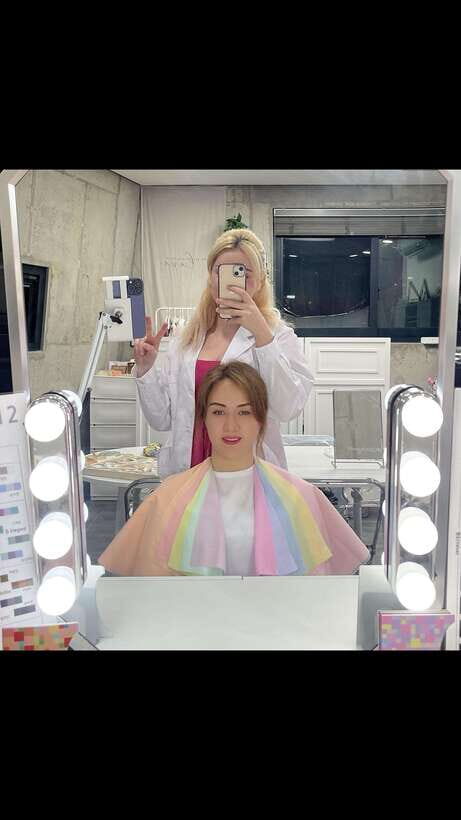
- Private consultation with draping: You’ll test multiple color categories, not just one quick palette guess.
- Warm/cool and season mapping: Expect clear labels for skin undertone and your likely season direction.
- Best vs second-best shade testing: You won’t just get a list; you’ll learn what to wear for strongest impact.
- Makeup pouch test and jewelry check: These help you use what you already own instead of starting over.
- Photozone included: You can capture your results in a dedicated setup.
- Prep matters for accuracy: Bring less makeup and avoid tinted lenses for best results.
Hongdae personal color analysis: what the 50-minute consult is really doing
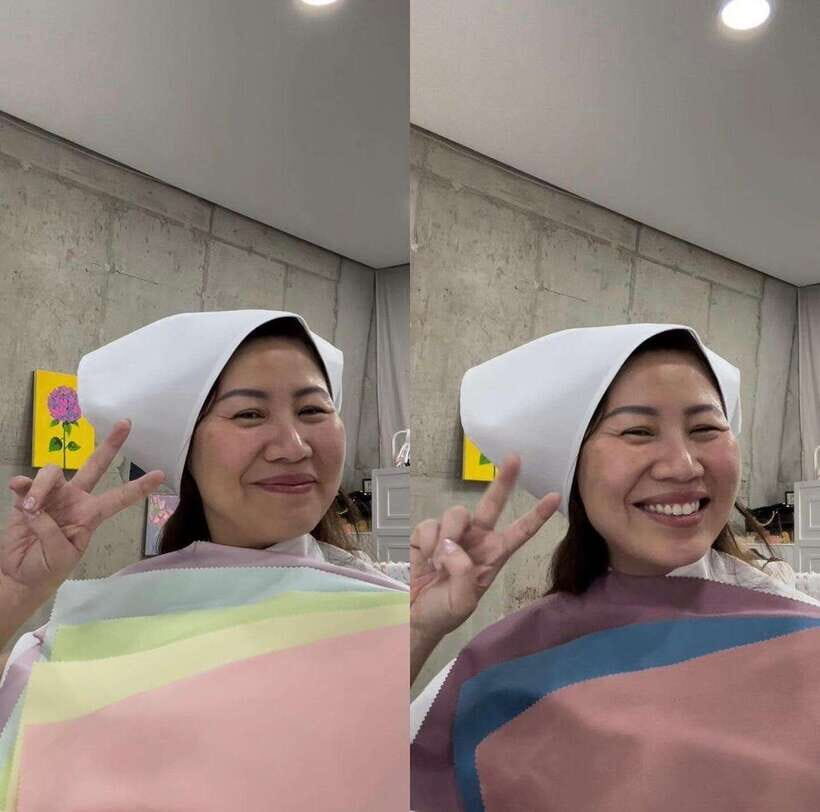
This isn’t a one-note “pick your palette” moment. The full course is built like a decision tree: you start with general color theory, then narrow down your skin tone and undertone, and finally translate that into clothing, makeup, and even jewelry choices.
The big value for you is that the session doesn’t stop at identifying your season. You also get draping for different groupings like natural colors, basic colors, and your second-best shades. That matters because real shopping is messy. Most people don’t replace their entire wardrobe in a weekend. Knowing what works best and what still works well makes shopping easier and reduces regret.
The pace is designed for momentum. You move through skin and undertone assessment, then season draping, and then you test how those findings show up with hair/makeup tone and accessories. Most people leave feeling like they can make better choices immediately, not after months of trial and error.
You can also read our reviews of more tours and experiences in Seoul.


Meeting point near Hongik station and how to prep for accurate draping
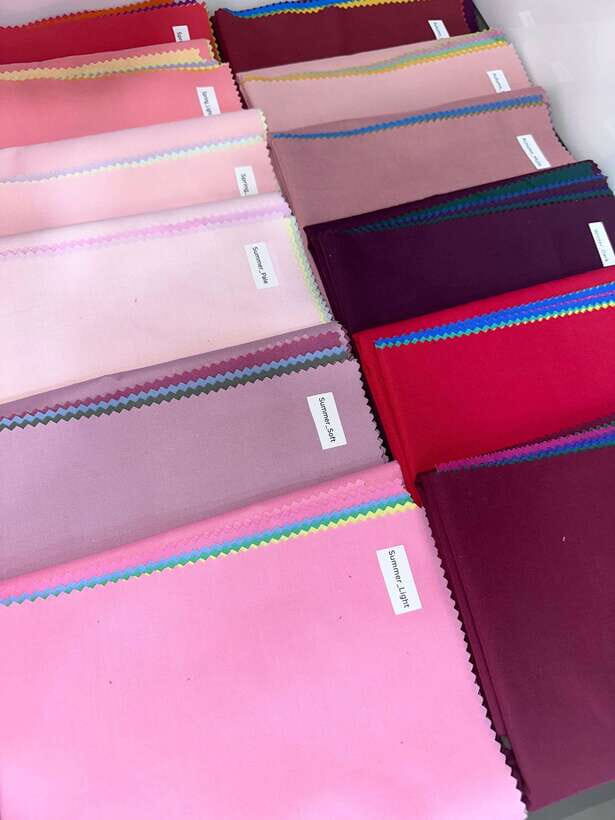
You’ll find the studio in the heart of Seoul, next to Hongik station in Hongdae. The meeting point is in a white tall building on the 6th floor. When you enter the elevator area, you’re asked to contact the team so they can call the lift up for you.
Prep is not a small detail here. They ask you to remove makeup and colored lenses if possible. The goal is simple: they need your real skin tone to assess undertone and drape colors accurately. If you arrive with tinted bases or heavily altered skin color, the assessment can turn fuzzy.
If you wear daily cosmetics, bring them with you. They encourage you to use your own everyday products so the consultant can test and recommend shades that match your findings, rather than handing you generic advice. It also makes the makeup pouch test more useful, because you can see what works in your actual lineup.
A practical timing note: you should arrive 5 minutes early. If you’re more than 15 minutes late, it’s treated as a no-show. That’s common for private consultations where the testing stages need steady timing.
Your full Color by Nari flow: from color theory to season draping
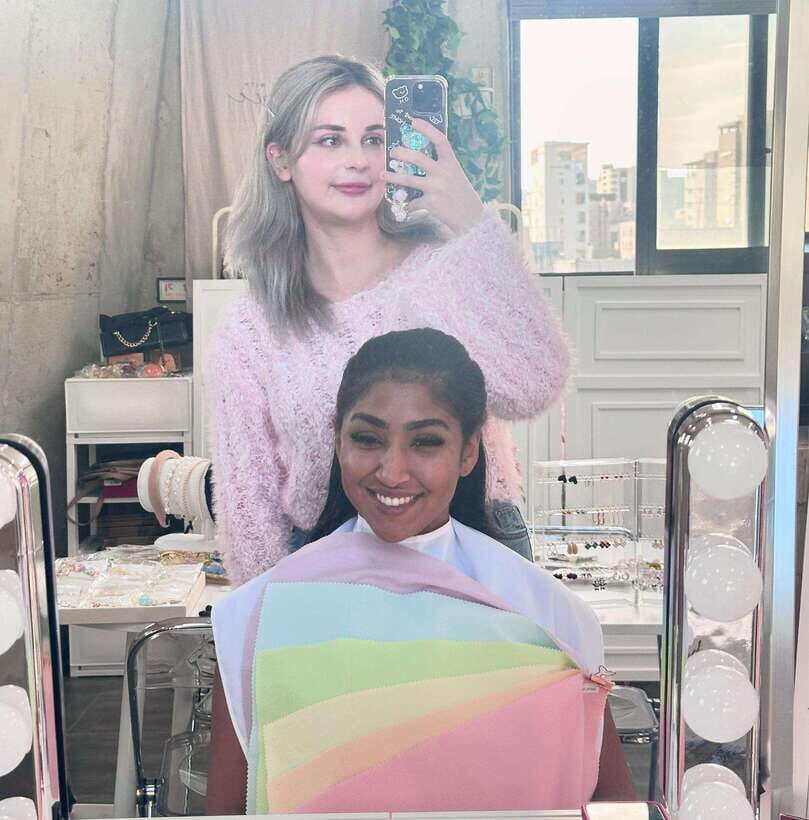
The session is structured into a clear sequence, and that structure is what makes it feel worth the money.
Color theory first, so the results make sense
You start with color theory connected to your assessment. This is where you learn the logic behind warm vs cool and why certain colors make skin look clearer while others can pull attention away from your features. Even if you already have a basic sense of undertones, this part helps you understand what to look for when you’re shopping later.
Skin tone and warm/cool tone assessment
Next comes skin tone assessment and warm/cool tone testing. This is where draping is doing the heavy lifting. The consultant compares how different shades interact with your skin in real time, so the conclusion isn’t just a guess based on photos or vague descriptions.






Season draping: more than just one label
Then you go through season draping and also best color draping. Expect multiple rounds that separate what looks best from what’s merely okay. You’ll also review natural colors draping and basic colors draping, which is a smart inclusion because these categories show up constantly in real life—work clothes, everyday knits, simple outfits, and neutral makeup choices.
You’ll also get second best color draping, which helps you stop throwing away perfectly usable shades. If your best palette is very specific, second-best gives you breathing room for wardrobe variety without losing the flattering effect.
Hair color and makeup tone analysis
After the skin and palette work, you’ll shift to hair and makeup tone analysis. This connects your overall coloring to how makeup shades and hair harmonize with your undertone and season direction. It’s especially helpful if you dye your hair or switch between natural and more styled looks.
Best, natural, basic, and second-best shades: how to turn a palette into wardrobe choices
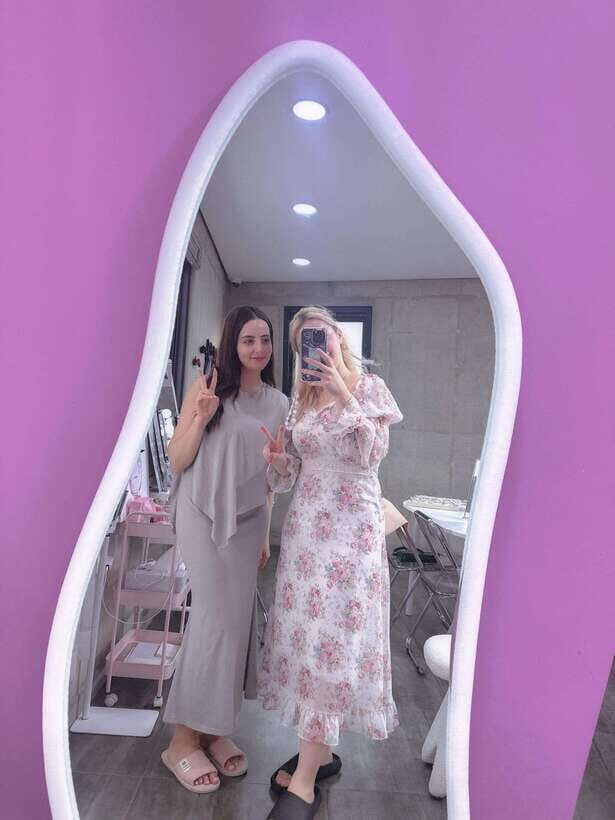
A lot of personal color sessions end with a neat chart. This one goes further by testing multiple categories that you can apply right away.
Here’s how you can use what you learn:
- Start with your best colors for high-visibility items. Think tops near your face, outer layers, and anything you want to look crisp in photos.
- Use natural colors when you want softness or everyday ease. These shades usually blend well, so you can wear them often without feeling overdone.
- Use basic colors to build outfits. Basics are your anchors. When your basic selection is correct for your undertone, even simple outfits look intentional.
- Use second-best colors for variety and cost control. This is how you avoid wardrobe guilt. You’re not limited to only your absolute strongest shades; you just place them strategically.
One extra benefit is that you get a clearer sense of what will fight you. When you know your best and second-best structure, you can spot a “bad” color faster in stores. That saves time and stops you from buying something you’ll feel unsure about later.
Jewelry color check and the makeup pouch test (use what you already own)
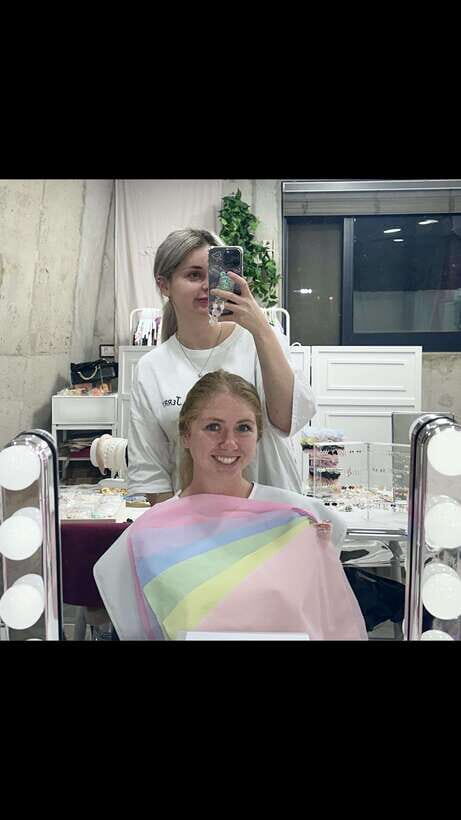
Two parts of the session are about real-world practicality: the makeup pouch test and the jewelry color check.
Makeup pouch test: match your current products to your results
The makeup pouch test helps you evaluate what you already have. Instead of treating your new palette as a reason to trash everything, it turns the session into a sorting exercise: keep what works, adjust what doesn’t, and understand why.
You also get make-up product recommendations based on what your colors analysis suggests. The value here is that the recommendations are tied to your draping results, not just general internet rules.
Jewelry color check: learn what accessories amplify your look
Jewelry can change your whole face effect. With a jewelry color check, you learn which tones of accessories harmonize best with your personal palette. Even if you don’t own a huge selection, this step helps you buy smarter when you add one piece for an event or a seasonal refresh.
Fashion styling, product recommendations, and the photozone for proof
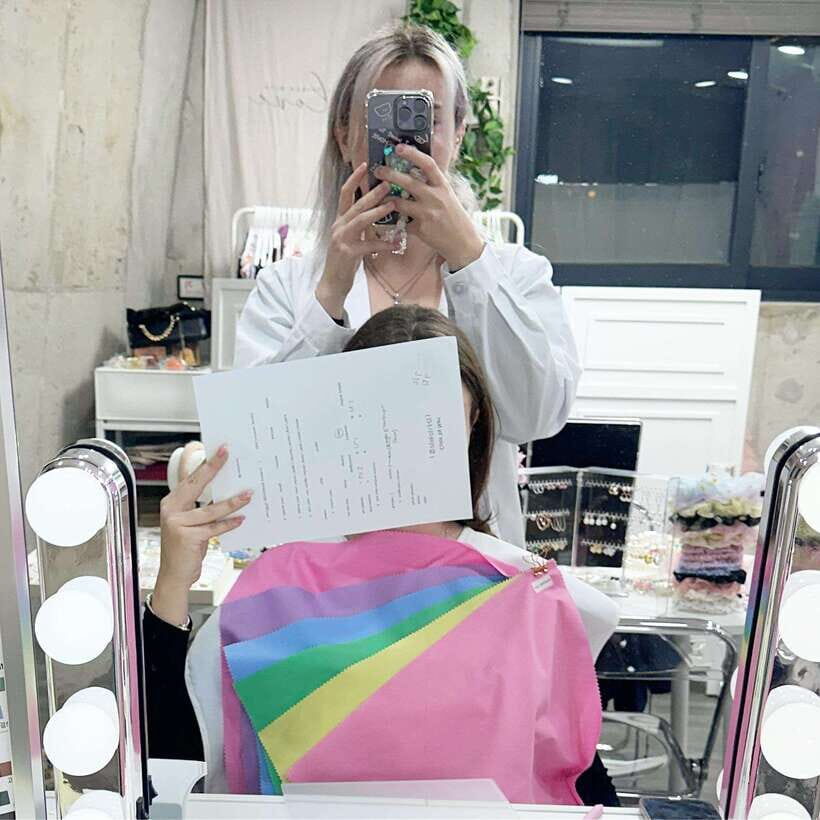
The session includes fashion-styling based on your personal color. That’s where the consultant translates palettes into outfit direction, so you can take action instead of staring at a list.
You also get a photozone. This is more useful than it sounds. When you take photos in a consistent setup, you can compare how colors behave under similar lighting. That makes it easier to remember your results later when you’re standing in front of a mirror and second-guessing yourself.
Operating hours matter if you want a specific time. Photozone service is available weekdays from 10:00 to 21:00 and weekends from 10:30 to 19:00. That gives you a broad window if you’re balancing sightseeing days with a focused appointment.
Price and timing: is $180 worth it for a Seoul stop?
At $180 per person for a 50-minute private consult, you’re paying for a structured, multi-step analysis with hands-on draping and direct styling guidance. If you’re the type who likes fast answers and clear next steps, this fits well.
One timing detail to plan for: the personal color test is listed as taking about 1 to 2 hours depending on the number of people. So even if your booking slot is 50 minutes, give yourself a little buffer in your day. If you’re rushing between Hongdae cafés and other appointments, this is the kind of experience you don’t want to cram.
The session is set up as a private group, including options for 1:1 as well as small groups (1:2, 1:3, 1:4). If you want the most focused attention for draping comparisons and question time, 1:1 is the strongest choice.
It’s also available in Russian, Korean, and English, and the studio is wheelchair accessible. If language comfort matters for you, you can choose accordingly and keep the consultation flowing without friction.
A note on rules that can affect your comfort: food and drinks aren’t allowed. Plan to eat before you go, and treat the session like a focused appointment rather than a snack break.
Who this Hongdae color analysis is best for
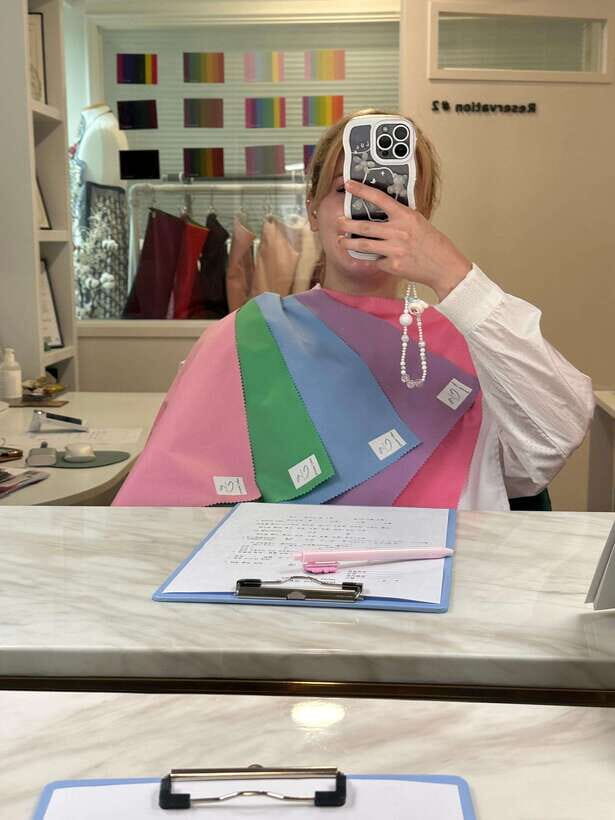
This is a great fit if you:
- Want a clear system for color choices in clothing and makeup
- Shop often but feel like certain colors never quite flatter you
- Need practical guidance for both best and second-best shades
- Want your accessory and makeup tones considered, not just your season label
It may be less ideal if you:
- Expect a casual, drop-in style walkthrough. This is structured and expects prep, like removing makeup and colored lenses.
- Want a very fast “15-minute palette reveal.” The session includes multiple assessment steps and testing categories.
Also, it’s not suitable for children under 13, so plan adult-only timing for family trips.
Should you book Color by Nari in Hongdae?
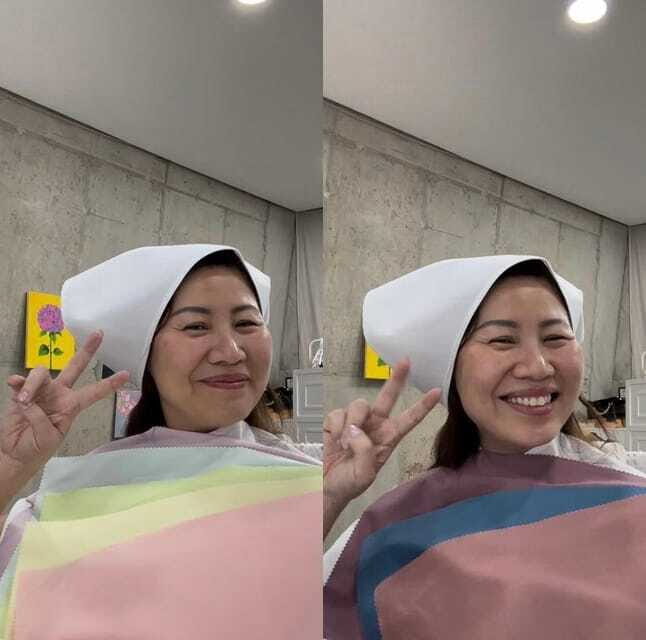
If you’re serious about looking more put-together without guesswork, I’d book it. The best reason is the format: draping plus translation into wardrobe and makeup actions. You’re not just getting a label; you’re getting a system for choosing what to wear and what to stop buying.
My advice: book when you can follow the prep guidance. Come with minimal makeup and no colored lenses, arrive a bit early, and bring your everyday cosmetics so the makeup pouch test and recommendations feel immediately useful.
If your schedule is extremely tight or you hate appointments where you have to prepare your face, consider whether you can give the session the attention it needs. But if you can plan around it, this is one of the most practical beauty and style experiences to do in Hongdae before you start shopping.
FAQ
How long is the Seoul image and personal color analysis in Hongdae?
The experience duration is listed as 50 minutes for the private course. The personal color test itself is also noted as taking about 1 to 2 hours depending on the number of people.
How much does it cost?
The price is $180 per person.
Where do I meet the studio in Hongdae?
You’ll meet at a white tall building on the 6th floor near Hongik station (Hongdae). When you enter the elevator area, contact the team so they can call the lift up.
What should I do before the session so the results are accurate?
They recommend removing makeup and avoiding colored lenses, so they can find your most suitable colors accurately. It’s also encouraged to bring your personal daily cosmetics.
What kind of analysis and draping happens during the consultation?
The course includes skin tone assessment, warm/cool tone assessment, season draping, best color draping, natural and basic colors draping, second-best color draping, hair color/make-up tone analysis, a makeup pouch test, color theory tied to your results, a jewelry color check, and fashion-styling plus makeup product recommendations.
Is there a photozone?
Yes, the experience includes a photozone.
Are there any restrictions on food and drinks?
Food and drinks are not allowed during the experience.
![[Premium Private Tour] Mt Seorak & East Sea or Nami island from Seoul - Seoraksan National Park: Cable Car or a Scenic Valley Walk](https://8.koreaadventures.com/wp-content/uploads/premium-private-tour-mt-seorak-east-sea-or-nami-island-from-seoul.jpg)