REVIEW · SEOUL
Danyang Tour:Guinsa Temple & Bobaljae & Cheongpung Cable Car
Book on GetYourGuide →Operated by Lecirt · Bookable on GetYourGuide
Korea’s forest temples are a short bus ride away. A Danyang tour like this lines up Guinsa Temple, the Bobaljae viewpoints, and the Cheongpung cable car so you get culture and big views in one day. The best part for most people: these spots are hard to reach from Seoul by public transport, so the round-trip transfers do the heavy lifting.
I like two things a lot. First, Guinsa Temple is the real deal, big enough to feel like you walked into another world, and you can even try free vegetarian temple food. Second, the day builds to scenic moments: the drive to Bobaljae and then the cable car over Cheongpungho Lake gives you a different angle on Danyang than you’d get from street level.
One consideration: expect walking and stairs. If your legs are easily tired, wear comfortable shoes and take breaks when you need them.
In This Review
- Key moments you’ll remember
- Why Danyang works as a day trip from Seoul
- Guinsa Temple: Korea’s largest temple and a chance to eat like monks
- Bobaljae Observatory and Bobaljae Road: where the fall colors actually matter
- Cheongpung Hoban Cable Car: the ride over Cheongpungho Lake
- Guides, small groups, and what that means for your day
- Price and value: is $105 per person a good deal?
- Who should book this tour (and who should think twice)
- Should you book this Danyang tour?
- FAQ
- What places are included in the Danyang Tour?
- Is admission to attractions included in the price?
- What language will the guide speak?
- Are meals included?
- How do transfers work?
- Does the tour require a minimum number of participants?
- Is the tour very walking- and stairs-heavy?
- What’s the cancellation policy?
Key moments you’ll remember
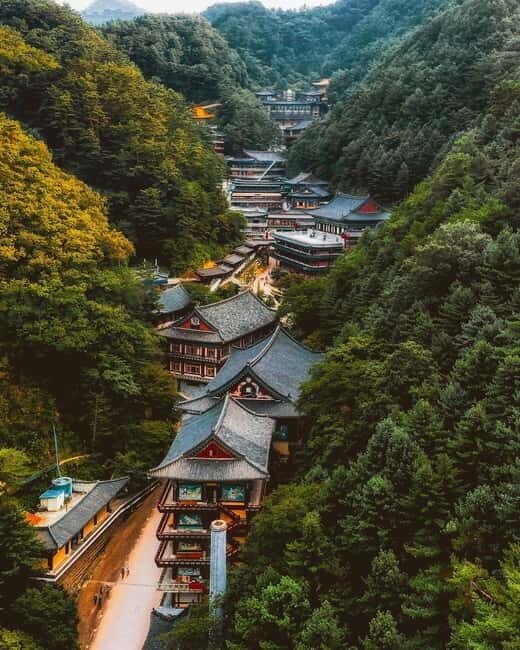
- Guinsa Temple, Korea’s largest: a major stop that feels calm even when it’s busy.
- Free vegetarian temple food: an easy cultural add-on you can try without extra hassle.
- Bobaljae Observatory photos: great stopping points for clear, viewpoint-style shots.
- Bobaljae Road in autumn: a scenic drive that matters because you’re not just rushing through.
- Cheongpung Hoban Cable Car: the ride turns you into an observer above the lake views.
- Small-group energy: several guides’ names came up in past departures, and you’ll notice when a group stays friendly.
Why Danyang works as a day trip from Seoul
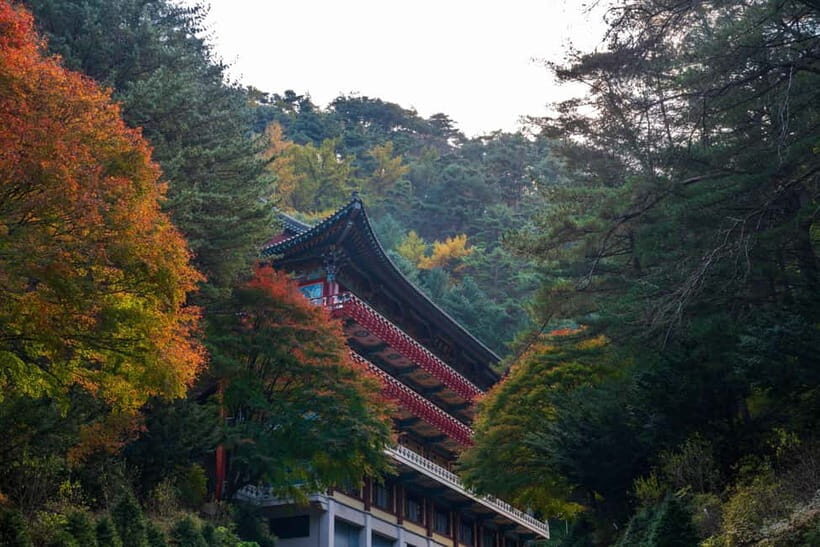
Danyang isn’t the kind of place you stumble into on accident. The temples and viewpoints are spread out, and you’re dealing with terrain that’s not ideal for DIY bus-and-walk plans. That’s why this kind of tour feels practical: you’re in a vehicle with round-trip transfers from Seoul, and you’re guided through the order of stops so you spend the day seeing, not solving transportation.
There’s also a rhythm to this itinerary that I appreciate. It starts with cultural grounding (temple time), then shifts to lookout stops and photo moments, and ends with the cable car when your eyes are ready for something dramatic. Even if you’re not a “temple person,” the flow helps you connect the dots between nature, buildings, and the geography around Cheongpungho Lake.
You can also read our reviews of more tours and experiences in Seoul.
Guinsa Temple: Korea’s largest temple and a chance to eat like monks
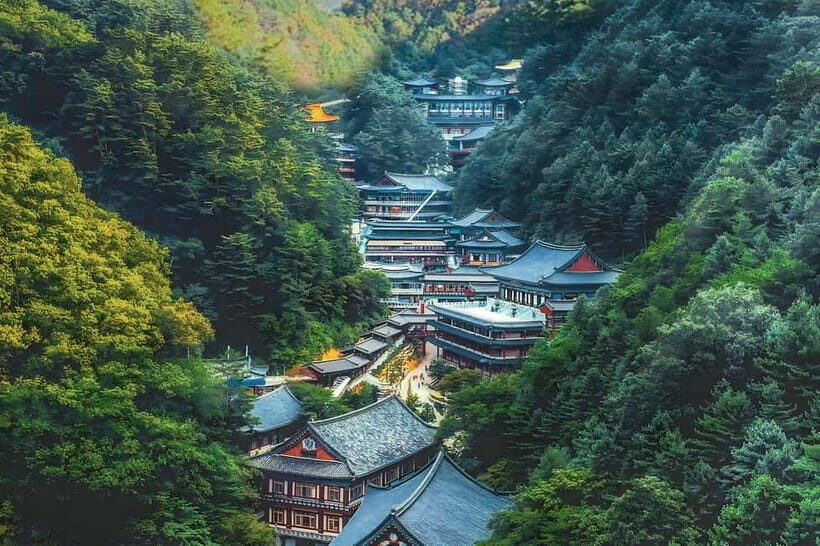
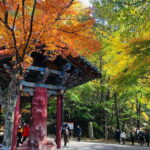
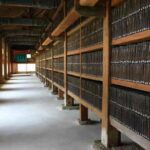
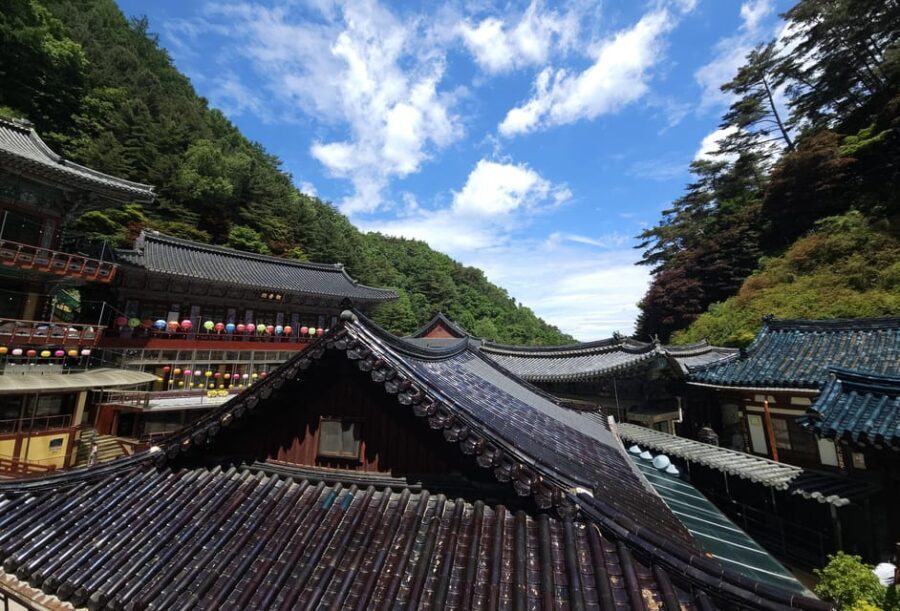
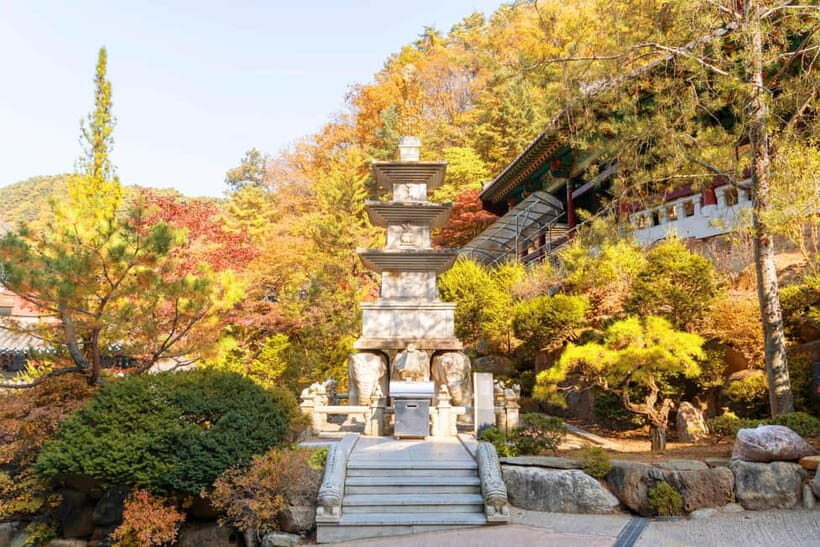
Guinsa Temple is the anchor of the day. It’s known as Korea’s largest temple, and once you’re there you can feel why that description matters. The complex isn’t just a single photo spot. It’s a place you move through, step by step, and that makes it more satisfying than quick stop tours.
What I’d plan for at Guinsa:
- Stairs and walking: the temple is built for visitors to explore, but that comes with steps and up-close paths.
- Time to look closely: you’ll get chances to see different buildings and viewpoints within the grounds rather than a single overlook.
- A culture moment beyond photos: you can try free vegetarian temple food, which is a simple way to experience temple life without needing background knowledge.
From previous guide experiences, the day can include standout visuals like temple cave areas and even well-known film-location backdrops. One reason I like that: it gives you context for how places like this show up in Korean storytelling, not just in guidebooks.
Guide quality makes a big difference at a place this large. Past tours highlighted guides such as Yohan, Jun, Michael, Mario, Edward, and Johann, and the common thread was clear explanations plus help with photos. If you’re the type who likes to know what you’re looking at before you start snapping, this is where a good guide earns their seat.
Practical tip: go slow the first time you enter the main area. The temple has a “find your pace” feel. If you sprint to the best-looking view, you’ll miss the quieter moments that make the place memorable.
Bobaljae Observatory and Bobaljae Road: where the fall colors actually matter
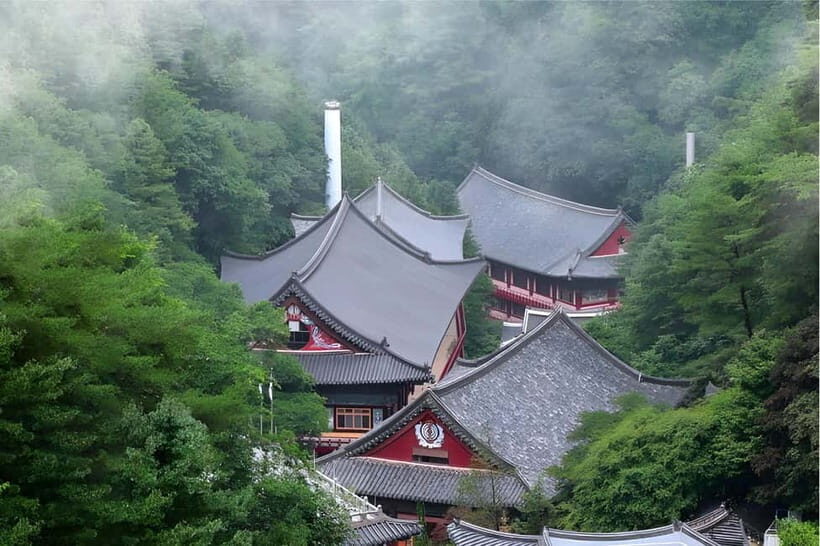
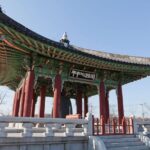
After the temple, the tour shifts gears. You’ll drive to the Bobaljae Observatory, with scenery along the way and a stop built for photos. The Bobaljae area is especially famous in autumn, and the road experience isn’t just decoration. The drive itself is part of why the stop works.
Here’s what you’ll enjoy from this part of the day:
- A viewpoint stop that’s easy to enjoy: observatories are designed for looking out, so you don’t have to keep track of complicated walking routes.
- Photo-friendly timing: you’re not stuck in harsh mid-day light the whole time, and the stops give you a chance to compose shots at your pace.
- Bobaljae Road in autumn: the tour notes that the road can be beautifully adorned with autumn leaves, and that’s the kind of detail you can feel from a moving bus—slow enough to notice, organized enough to reach the best spots.
If you’re wondering whether this is “worth it,” compare it to the alternative: doing the observatory by yourself can mean juggling transfers and trying to time a scenic road without the buffer a tour provides. Here, the transportation and sequencing are already handled.
One small reality check: if bus audio is your weak spot, plan for it. Some people found it a bit difficult to hear exactly what was being said on the bus. You can still enjoy the day without perfect audio—just lean on the actual viewpoint moments and what the guide covers during stops.
Cheongpung Hoban Cable Car: the ride over Cheongpungho Lake
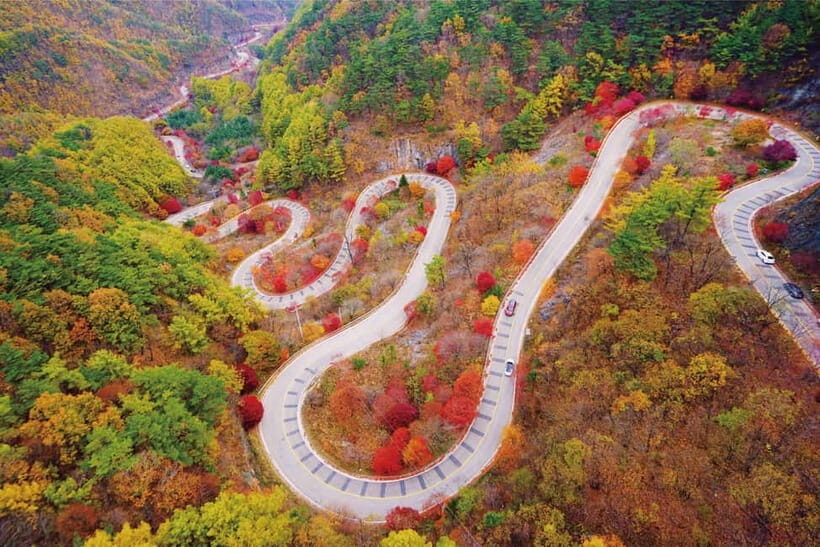
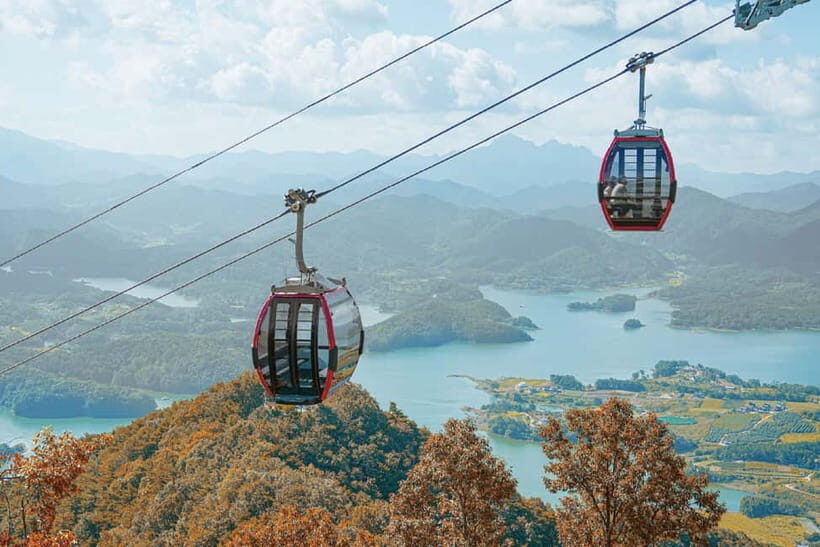
Then comes the part that changes how the whole area looks: the Cheongpung Hoban Cable Car ride. Instead of viewing Danyang from the ground, you’re lifted above it, and the experience becomes about scale—how the lake sits in relation to the hills and how the route slices across the scenery.
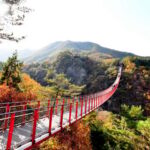
What makes this stop special is the way it’s described: the views of Cheongpungho Lake unfold as you move along the cable car path. During autumn, the foliage is at its most spectacular, so the ride can feel like a moving panorama. Even if fall isn’t your season, cable cars tend to deliver the same core benefit: you get a “new altitude” perspective without needing hiking time.
A few ways to get more out of the cable car:
- Bring a camera habit, not just a camera: pick one side to focus on during the ride rather than trying to photograph everything.
- Dress for changing temps: cable car air can feel cooler than you expect, especially if you’re traveling early or around lake air.
- Slow down after the ride: take a minute to look at what you saw from above and compare it to what you can see on the ground. That contrast is often the most satisfying moment.
If you’re nervous about heights, cable cars are usually more stable-feeling than some people expect, but it’s still worth thinking about your comfort level ahead of time. This is the “dynamic” portion of the day, and it’s the highlight for many because it breaks up temple-and-drive pacing.
Guides, small groups, and what that means for your day
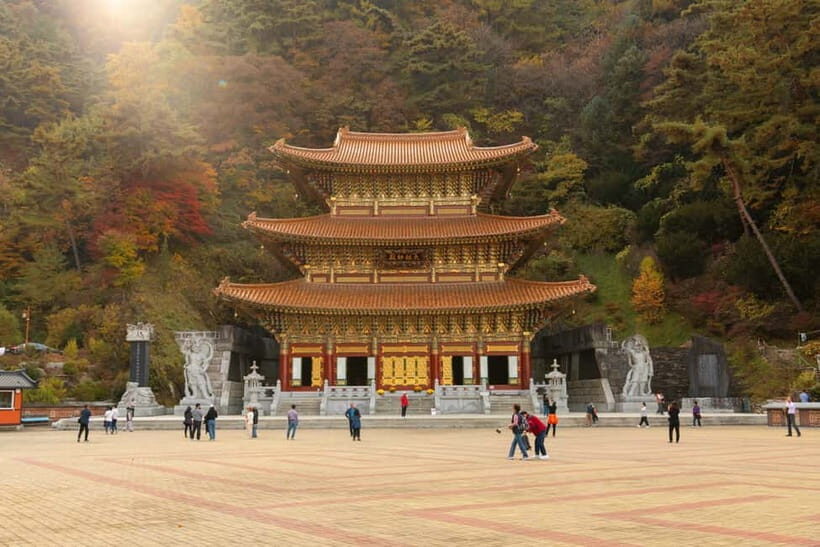
This tour runs with an English and Chinese-speaking guide (languages listed as English and Chinese). In practice, that matters because you’re not just transported—you’re interpreted. At temples and viewpoints, context turns a photo into a story.
Past departures named guides like Yohan and Jun as a duo, and Michael and Mario as a strong team. Other guides such as Edward and Johann were also mentioned, with specific praise for photo help and clear explanations. When guides are good, you spend less time figuring out where to stand and more time actually looking.
Group size can also change the feel. This tour requires a minimum number of participants to depart (4). When it runs, several reviews pointed to a smaller group, which usually means:
- more flexibility at stops
- less time waiting for everyone to move as a unit
- a friendlier atmosphere for questions
One more practical note: if you rely heavily on narration through the bus speaker, don’t assume it will always be crystal clear. If that matters to you, keep a note app handy for what you catch on the way and ask the guide to repeat key bits during stops.



Price and value: is $105 per person a good deal?
At $105 per person, you’re paying for more than just entrance tickets. Based on what’s included, the value comes from a package that covers:
- admission to the attractions
- an English and Chinese speaking tour guide
- round-trip transfers from Seoul
What you don’t get is equally important for budgeting. Meals and beverages aren’t included, and other personal expenses are on you.
So is it worth it? For many people, yes, because the biggest friction here is transportation. A Danyang day trip isn’t easy as a solo plan, and tours remove that friction. Also, the free vegetarian temple food can offset part of your food spend at least for one meal-style moment, even if you still need snacks or a drink later.
My advice: treat $105 as paying for convenience plus guided time. If you were to DIY it, you’d probably spend time coordinating routes, timing, and entrance logistics—and that time is expensive too, especially when you’re only in Korea for a short window.
Who should book this tour (and who should think twice)
This itinerary is best for people who want a structured day with a mix of culture and scenery. You’ll likely enjoy it if:
- you want Guinsa Temple without planning transport around it
- you like photography stops with observatory-style viewpoints
- you want one big “experience” moment, and the cable car fits that role
- you appreciate when a guide helps you understand what you’re seeing
It might be less ideal if:
- you struggle with stairs and longer walking inside temple areas
- you prefer fully independent travel with no set stops
- you’re sensitive to audio clarity while riding on the bus (it can be hit-or-miss)
That walking point is the real deciding factor. Everything else—temple, observatory, cable car—comes with built-in viewpoints and photo areas, but the temple complex demands your legs.
Should you book this Danyang tour?
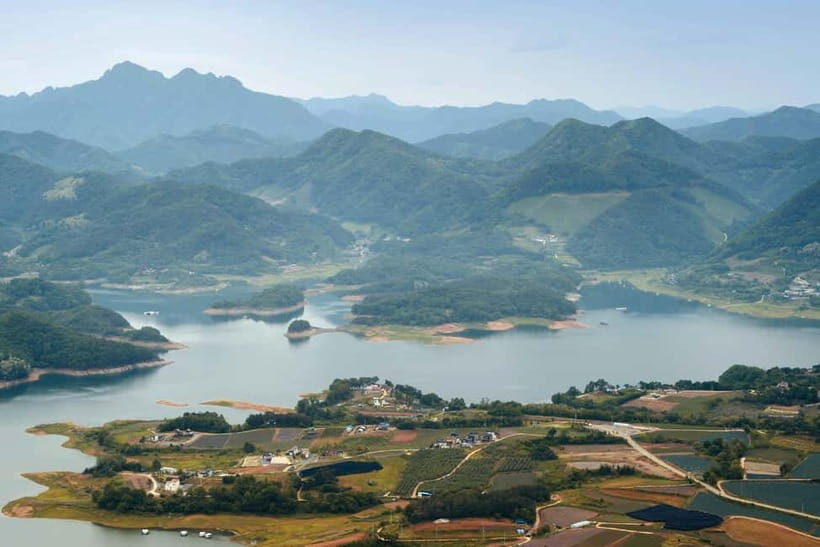
If you’re in Seoul and want a one-day break that feels both cultural and scenic, I’d book this. The mix makes sense: Guinsa Temple gives you Korea’s temple scale and calm, Bobaljae adds viewpoint-friendly photo time (especially in autumn), and the Cheongpung cable car provides a dramatic, perspective-changing finish over Cheongpungho Lake.
Book it if you value guided convenience and you’re comfortable with some stairs. Skip it or reconsider if you don’t handle walking well, because the temple portion is not a “light stroll” kind of stop.
FAQ
What places are included in the Danyang Tour?
The tour includes Guinsa Temple, the Bobaljae area (including the observatory), and a ride on the Cheongpung Hoban Cable Car, with views of Cheongpungho Lake.
Is admission to attractions included in the price?
Yes. Admission to the attractions is included.
What language will the guide speak?
The tour provides an English and Chinese-speaking tour guide.
Are meals included?
Meals and beverages are not included. You may be able to try vegetarian temple food for free at the temple, but you should still budget for your own meals and drinks.
How do transfers work?
The tour includes round-trip transfers from Seoul. The meeting point can vary depending on the option booked, and the tour ends back at the meeting point.
Does the tour require a minimum number of participants?
Yes. A minimum of 4 participants is required for the tour to depart. If the minimum isn’t met 48 hours before departure, the tour will be cancelled and you’ll be notified.
Is the tour very walking- and stairs-heavy?
Some attractions involve a considerable amount of walking and stairs. Comfortable shoes are strongly recommended.
What’s the cancellation policy?
You can cancel up to 24 hours in advance for a full refund.