REVIEW · BUSAN
Full Day Private car tour to UNESCO Gyeongju&Yangdong village
Book on Viator →Operated by KOREA JOY TOUR · Bookable on Viator
One day in Gyeongju can feel like a time machine. This private car tour lets you pick the sights you care about most, then stitch them into one smooth day with an air-conditioned ride and a driver who can handle the driving while you focus on Silla-era temples and royal tombs. I love the fully private format for up to 8 people, and I also love that you’re not forced into a fixed checklist—you can shape the order and highlights to match your energy and interests.
The second big win is how the day is built around major UNESCO-style stops in a way that usually works for 6 site visits plus meal breaks. The only caution: lunch and admission fees are not included across the board, and you’ll likely pay extra at the places marked not included (Yangdong Folk Village is one of them), so budget a bit beyond the tour price.
In This Review
- Key highlights at a glance
- A private car day in Gyeongju: how the 9 hours really adds up
- Pickup from Busan and comfort that actually helps
- UNESCO-style Gyeongju hits: Bulguksa, tombs, museum, and Cheomseongdae
- Bulguksa Temple: Silla Buddhism with real gravitas
- Daereungwon Tomb Complex and the gold crown story
- Cheonmachong Tomb: one tomb opened to the public
- Gyeongju National Museum and Cheomseongdae Observatory
- Palace vibes and Silla water gardens: Donggung, Wolji, and a rebuilt bridge
- Donggung Palace and Wolji Pond
- Woljeonggyo Bridge: Unified Silla origins, Joseon fire, modern rebuild
- Traditional village time: Gyochon and Yangdong (and why the pair is worth it)
- Gyochon Village: Joseon houses and a Confucian academy connection
- Yangdong Folk Village: big scale and preserved thatched-roof homes
- Hwangridan-gil and Cheomseongdae timing: where you’ll actually eat and reset
- Price and value: $430 for up to 8 people is either smart or not, depending on your group
- Who this private Gyeongju and Yangdong day fits best
- Book it or skip it? My practical call
- FAQ
- How many people are included in the private tour?
- Is pickup available, and where does the tour start?
- Are entrance fees included?
- How long is the tour?
- What’s included in the price besides the guide and vehicle?
- Do I need an actual ticket for the tour?
Key highlights at a glance
- Private driver + air-conditioned car to keep the day comfortable and low-stress
- Custom pacing so your group can move fast, slow down, or reshuffle priorities
- UNESCO-focused Silla sites like Bulguksa Temple, Daereungwon tomb complex, and Cheomseongdae
- Traditional villages with both Gyochon and Yangdong for a bigger sense of Joseon living
- Meal time built in with free time around Hwangridan-gil for local food breaks
- Clear inclusions for driving costs (fuel, parking, tolls, taxes) so you’re not juggling receipts
A private car day in Gyeongju: how the 9 hours really adds up
This is the kind of tour that works best when you’re honest about your group. If you want a packed day, you can do a lot. If you want calmer wandering, you can still hit the big names without feeling like you’re racing other tour groups.
The timing is set up with approximately 9 hours total, then each stop is given a suggested on-site window (the travel time between places is separate). In real life, that matters because Gyeongju sights can be spread out. The private car helps you avoid the frustrating “where do I meet everyone?” stress, and it lets you pause when the light is good or when someone needs a break.
One practical benefit: you’re not limited to one theme. You can blend Buddhist heritage (Bulguksa), royal tomb artistry (Daereungwon and Cheonmachong), science and astronomy (Cheomseongdae), and everyday-life history (Gyochon and Yangdong villages). That mix is what makes the day feel complete.
You can also read our reviews of more private tours in Busan

Pickup from Busan and comfort that actually helps
The tour runs from Busan or Gyeongju with pickup offered, so you can match it to your base. If you’re staying in Busan, this saves you from figuring out transport across multiple stops on your own.
You’ll ride in an air-conditioned private vehicle, which is not a small detail in South Korea—especially if you’re visiting in warmer months. The better your ride quality, the more energy you keep for walking and standing at sites.
Group size is also part of the comfort equation. This is for up to 8 people, and the private format means you’re not squeezing into an already-full bus. If you have mixed ages, this matters even more. In past trips, drivers like Kei and Mr Park Jinh Youck were praised for keeping things organized and looking after groups at the attractions—so you’ll want to lean into that by asking for small adjustments when needed (timing, restroom stops, or which entrance to use).
UNESCO-style Gyeongju hits: Bulguksa, tombs, museum, and Cheomseongdae
Gyeongju is famous for Silla-period power and artistry, but the best part is how many different kinds of heritage show up in one day. Instead of only temples or only palaces, you get a whole “system” of how the kingdom thought and built.
Bulguksa Temple: Silla Buddhism with real gravitas
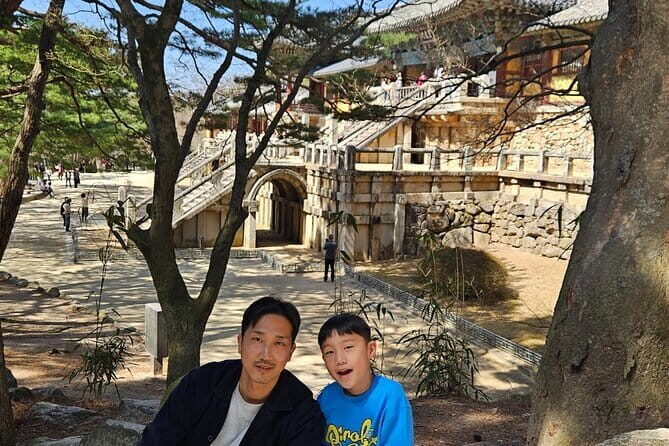
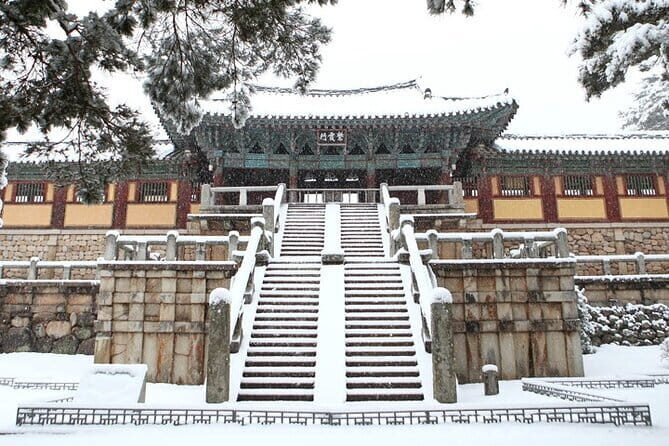
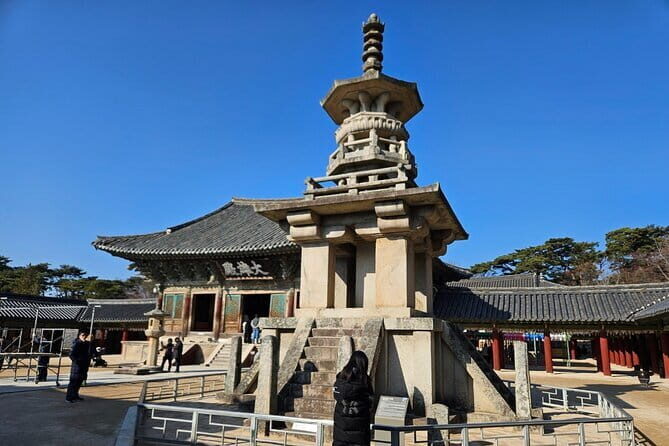
Bulguksa Temple is one of the signature relics of Buddhist culture from the Silla kingdom. It was built during the reign of King Beopheung (514–540), then later underwent ongoing restoration starting in 1920. What you’ll notice is the scale and the care that went into preserving important treasures.
This stop is listed at about 1 hour, and admission is marked free for the tour’s time plan. A quick tip: even if you’re not a temple person, Bulguksa is worth treating like an architecture and art stop. If you’re into maple seasons, the tour notes this is good timing for a maple-leaf style visit.
Daereungwon Tomb Complex and the gold crown story
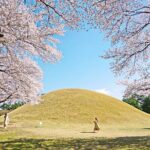
Next comes Daereungwon Tomb Complex, which is all about royal burial culture and the astonishing materials that were placed with the dead. The tomb is thought to date from the late 5th to early 6th century. The site is famous for the artifacts excavated there, including gold crown pieces and gilt-bronze items.
What makes it special for a first-timer is the contrast: you’re looking at a tomb site, but you’re also connecting it to the level of craftsmanship that Silla power could fund. You get about 1 hour here, and admission is free in the plan.
A few more Busan tours and experiences worth a look

Cheonmachong Tomb: one tomb opened to the public
Cheonmachong Tomb is listed next, with about 30 minutes on-site. This matters because it’s the only tomb in the Daereungwon Ancient Tombs that’s opened to the public. The excavation (1973) is tied to iconic artifacts, including the famous Gold Crown from Cheonmachong Tomb.
It’s marked as admission ticket included, so this is one stop where the tour’s plan saves you some extra paying. If you want one “strong” stop for photos and story, this is a good candidate.
Gyeongju National Museum and Cheomseongdae Observatory
The tour time plan also includes about 1 hour at the Gyeongju National Museum and about 30 minutes at Cheomseongdae Observatory.
The museum hour can be your insurance policy. If you’re tired, it’s still a good way to get context quickly. If you’re energetic, it’s where you can connect what you just saw—temples and tombs—to explanations and artifacts.
Cheomseongdae is the oldest astronomical observatory in Asia (as described in the tour info), linked to Queen Seondeok’s era for observing heavenly bodies. Even with only 30 minutes, you’ll leave with a clearer sense that Silla knowledge wasn’t only artistic—it was practical and scientific too.
A drawback to keep in mind: the day is packed. If you want deep museum time or extra strolling at any one site, you’ll have to trade time from another stop. That’s where the private pacing helps most.
Palace vibes and Silla water gardens: Donggung, Wolji, and a rebuilt bridge
Some of the most charming parts of Gyeongju history are not tombs or temples. They’re the in-between spaces—palace grounds, gardens, and the settings where people ate and celebrated.
Donggung Palace and Wolji Pond
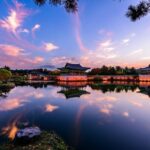
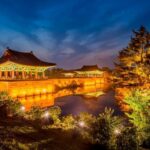
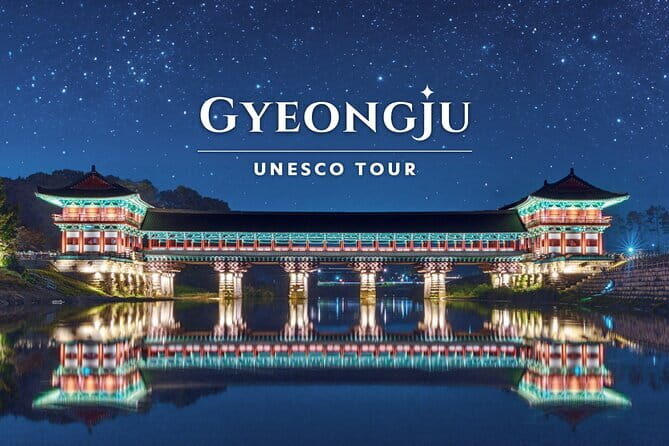
Donggung Palace and Wolji Pond are Silla secondary palace sites. This is the kind of place that helps the kingdom feel human rather than ceremonial. The tour info notes it was used as an eastern palace where the prince lived, and where banquets were held during events or when welcoming important guests.
You’ll get about 1 hour, and admission is marked included. If you’re the type who likes seeing how power looked in daily life—rooms, grounds, and water features—this stop will land well.
Woljeonggyo Bridge: Unified Silla origins, Joseon fire, modern rebuild
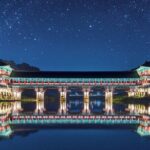
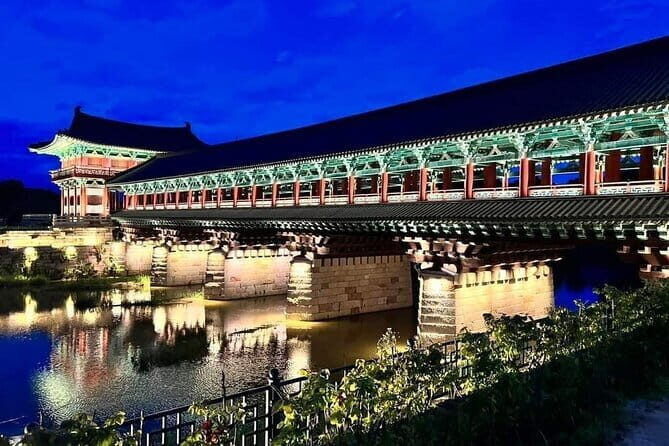
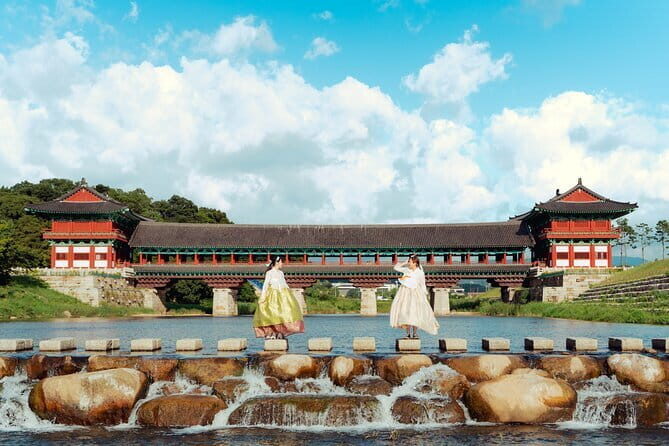
Woljeonggyo Bridge is a nice change of pace: a historically rebuilt landmark. It was built during the Unified Silla period, burned during the Joseon dynasty, and then was rebuilt again in 2018 (the plan notes it as the largest wooden bridge in Korea).
You’ll spend around 20 minutes at the bridge, though the plan lists about 1 hour for the general Woljeonggyo stop timing. Either way, this is a quick “walk and look” segment that gives your legs a breather between heavier heritage stops.
Traditional village time: Gyochon and Yangdong (and why the pair is worth it)
If temples and tombs are the headline, traditional villages are the supporting cast that makes the story click. The tour builds in two villages—Gyeongju Gyochon Traditional Village and Yangdong Folk Village—so you can compare styles and get a wider feel for Joseon-era life.
Gyochon Village: Joseon houses and a Confucian academy connection
Gyochon Village is described as another traditional village of old hanok houses offering a glimpse into Joseon-period life. One highlight is the Gyeongju Hyanggyo, a Confucian academy and shrine, tied to Korea’s first state-operated educational institute called Gukhak (established in 682).
This stop is about 1 hour, and admission is listed as free. If you like history you can picture—learning, community structure, local ritual—this is a strong pick.
Yangdong Folk Village: big scale and preserved thatched-roof homes
Yangdong is the main traditional stop, described as Korea’s largest traditional village. Expect a valley setting with old houses and thatched-roof cottages. The plan calls out around 160 old houses and 500-year-old thatched-roof cottages, with many homes over 200 years old and preserved in original form.
This is also where scenic context comes into play. The tour notes you can see Seolchangsan Mountain and its four mountain spines beyond the village. That’s part of why Yangdong feels different from a village display—it’s a real preserved environment.
Timing here is about 1 hour, but admission is not included in the plan. So consider Yangdong your “spend an extra bit” stop. It’s also the one that tends to create the best sense of place if you have to choose between villages.
Hwangridan-gil and Cheomseongdae timing: where you’ll actually eat and reset
A tour like this succeeds or fails on the quality of the breaks. Here, meals are not included, but the plan makes room for eating during free time around Hwangridan-gil, with the option for the guide to recommend Korean food to fit your taste. The tour also mentions free time meals and the idea of trying a most famous food place in Gyeongju.
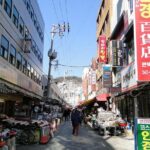
Hwangridan-gil is described as a street with restaurants, cafes, photo studios, and shops housed in traditional hanok buildings. It also gets described as having a “newtro” look due to older worn buildings from the 1960s and 70s. In practice, that means you’ll have more than one option nearby, which is handy if your group is hungry at different times.
Cheomseongdae and Hwangridan-gil sit close to the idea of timing. You’re mixing contemplative walking with a street where you can swap energy levels fast: a short dessert stop, a quick meal, or a coffee break before you head to the next major heritage site.
If you’re traveling with kids or elderly relatives, I’d treat meal planning as part of the itinerary, not an afterthought. Ask your driver to time the hunger hits—then you won’t lose your day to “we need food, right now” chaos.
Price and value: $430 for up to 8 people is either smart or not, depending on your group
At $430 per group (up to 8), this is priced like a private experience, not a bus tour. You’re paying for the convenience of a private vehicle, fuel and driving costs, and a licensed driving guide who handles the logistics.
So does it feel like value? It can, if at least one of these is true:
- You have 4+ people and you’d otherwise pay for multiple tickets and multiple rides.
- You want custom stop order instead of being dragged through a fixed rhythm.
- You care about having help at attractions, not just someone who drives.
Also, notice what’s included. Parking, tolls, fuel, and all fees and taxes related to the tour are covered. That reduces the “surprise costs” problem. The only real extras are meals and attraction admission fees (with many stops listed as free or included, and Yangdong Folk Village specifically marked as not included in the plan).
One more value detail: the tour is planned around about 6 site visits plus meal stops for most people. That’s a lot for a single day. If you’re trying to see Gyeongju’s core heritage without spending two separate days, this helps you make the most of limited time.
Who this private Gyeongju and Yangdong day fits best
This tour is a strong match if you want control and comfort more than you want to play itinerary roulette.
It fits especially well for:
- Families with mixed ages who need flexible timing (the tour info and praise point to drivers like Kei and Mr Park Jinh Youck handling groups smoothly)
- First-time visitors who want the major Silla heritage landmarks without complicated transportation
- Travelers who enjoy traditional villages and want both Gyochon + Yangdong in one shot
- People who prefer a driver who can recommend food and handle the day’s flow
You might reconsider if you:
- Know you’re going to want more than the planned stop durations at multiple sites
- Don’t want to pay additional admission for some stops (since meals and some entrance fees are extra)
A moderate physical fitness level is mentioned, which generally means you’ll be walking and standing for heritage stops. It shouldn’t be extreme, but it’s not a full “sit in the car” day either.
Book it or skip it? My practical call
I’d book this tour if you want one well-organized day that hits the Gyeongju essentials and still leaves room to breathe. The private vehicle, custom pacing, and the chance to pair major sites with traditional village time make it a smart way to compress a lot of history into one trip.
I would hesitate only if your budget is tight and you hate paying extra for admissions and meals. Also, if your group needs a slower pace, be ready to trade off one or two stops to keep the day enjoyable.
If you do book, do one thing that makes the day smoother: decide your top 4–5 priorities ahead of time (temple, tombs, astronomy, one village, and your meal stop). Then you’ll get a personalized route that feels like your day, not someone else’s.
FAQ
How many people are included in the private tour?
This is a private group tour for up to 8 people.
Is pickup available, and where does the tour start?
Pickup is offered, and the tour can depart from Busan or Gyeongju, with options for round-trip or one-way.
Are entrance fees included?
Meals are not included. Attraction admission fees are generally not included, but the tour plan indicates many stops have admission marked free and some stops have admission included; Yangdong Folk Village is listed as admission not included.
How long is the tour?
The tour is listed as about 9 hours.
What’s included in the price besides the guide and vehicle?
Fuel, parking, toll fees, the air-conditioned private vehicle, and all fees and taxes are included. Meals and personal expenses are not included.
Do I need an actual ticket for the tour?
The tour includes a mobile ticket.