History moves fast in Gyeongju. This private day trip focuses on the Shilla kingdom’s 1,000-year story while you stay in one clean, air-conditioned vehicle and only stop where you want. I like that the guide can fine-tune the pace, and I also like that the plan strings together the big names without feeling rushed on the drive.
Two things I really enjoy: the licensed local guide experience and the flexibility to adjust time per site. You’re not stuck with a rigid script. And you get practical extras like bottled water, hotel pickup/dropoff, and parking/tolls covered.
One thing to keep in mind: entrance fees and meals are not included, so you’ll want to budget a bit extra for tickets and food. Also, it’s a long 8 to 10 hour day with walking at temple and tomb areas.
In This Review
- Key things to know before you go
- How this private Gyeongju plan saves you real time
- Pickup, vehicle comfort, and why the day stays doable
- Bulguksa Temple: UNESCO in a human scale
- Seokguram Grotto and tteokgalbi lunch planning
- Shilla Arts and Science Museum: a quick reset for your brain
- Daereungwon tombs and Cheomseongdae: royalty and stargazing
- Gyeongju Gyochon Traditional Village and hanok feel
- Anapji (Donggung Palace and Wolji Pond): plan for the mood
- UNESCO Yangdong Folk Village: a calmer end chapter
- Gyeongju National Museum: see relics after you’ve learned the setting
- Value for your money: what $250 really buys
- Who this tour is best for (and who should think twice)
- Should you book this Gyeongju Private Tour?
- FAQ
- Is this tour private?
- Does the tour include hotel pickup and dropoff?
- What’s included in the price?
- Are entrance fees included?
- Are meals included?
- Is there a vegetarian option?
- Can you customize the itinerary?
- What if the weather is bad?
- How far in advance should I book?
Key things to know before you go
- True private setup: only your group rides with the guide and driver in one air-conditioned vehicle
- Flexible timing: you can discuss what to prioritize and how long to stay at each stop
- Major UNESCO hits: Bulguksa and Seokguram plus Yangdong Folk Village in the same day plan
- English support you can ask questions with: guides like Jay Song, John, and Mr. Goh are highlighted for English skill and clarity
- Food stop built in: your lunch plan includes tteokgalbi after Seokguram (meals are not included, but it’s scheduled)
- Planning for evening mood: Donggung Palace and Wolji Pond are known for night views, so timing matters
How this private Gyeongju plan saves you real time
Gyeongju is one of those places where history is everywhere, but the sites aren’t all clustered next to each other. The big win here is the setup: you start with hotel pickup in Busan, then you ride with a local guide and driver in a private, air-conditioned vehicle for the whole day. That means you spend your energy looking at what matters, not figuring out logistics.
What makes this experience feel efficient is the flexibility. The itinerary is built around top Shilla-era destinations—Bulguksa, Seokguram, Cheomseongdae, Anapji (Donggung Palace and Wolji Pond), Yangdong Folk Village, and more—but you can discuss where to go and how long to linger. In plain terms: you can slow down if you’re the type who reads, or speed up if you just want the highlights and photos.
And it’s not only about famous monuments. The day includes context moments, like the animated movie at the Shilla Arts and Science Museum. That kind of stop helps you connect what you’re seeing to the kingdom that made it—especially useful if you don’t already have a head full of Shilla dates.
You can also read our reviews of more guided tours in Busan
Pickup, vehicle comfort, and why the day stays doable
This is priced as a private tour (about $250 per person), and that price is doing some real work for you. You get roundtrip hotel transport, a local tour guide with a tour guide license, and an air-conditioned vehicle. Bottled water is included, and parking and tolls are handled.
The tradeoff is that your comfort doesn’t remove the need to walk. Temple steps and paths at Bulguksa and Seokguram can take energy, and tomb areas and observatory grounds involve getting around on foot. If you have mobility limits, plan to bring support (good walking shoes help a lot), and consider whether you want shorter stays at each site.
If you’re traveling from Seoul by train, there’s an optional add-on KTX train ticket from Seoul to Gyeongju and back (economy). That can simplify the day before you even arrive in Gyeongju, especially if you don’t want to coordinate separate transport.
Bulguksa Temple: UNESCO in a human scale

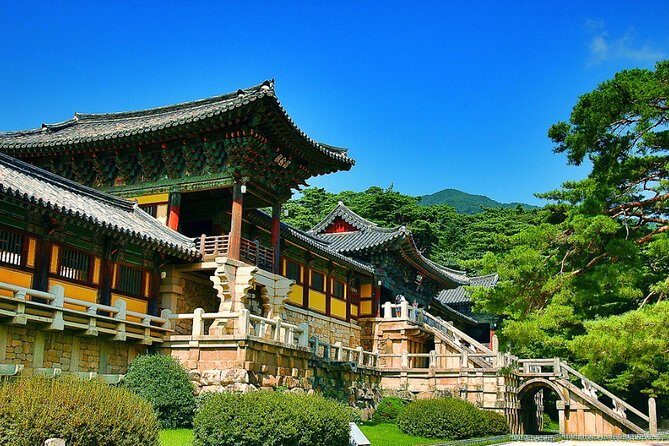
Bulguksa is a UNESCO World Heritage site, and it’s often where you feel the tone of Shilla Buddhism. The tour gives you about 1 hour here, which is enough time to see the main temple atmosphere without turning it into a checklist sprint.
One practical tip: temple photography is easiest when you can take your time with angles—arches, courtyards, and the way buildings frame pathways. If you’re visiting in spring or autumn, Bulguksa can look especially good. The tour description even notes blooming cherry blossoms in spring and colorful foliage in fall, which is a big reason to time this day well.
Possible drawback: Bulguksa is active as a temple, so there can be uneven footpaths and crowds depending on the season. If you’re sensitive to stairs or long walks, tell the guide early and they can adjust your route inside the temple area.
Seokguram Grotto and tteokgalbi lunch planning
After Bulguksa, Seokguram is the other centerpiece. You spend about 1 hour at the Seokguram Grotto, where you’ll see carved figures around the walls—devas, bodhisattvas, and disciples. This is the kind of place where the details reward patient looking, but you still want to keep your stamina for the next stops.
Lunch is scheduled after Seokguram with tteokgalbi (grilled short rib patties). Meals aren’t included in the package price, so you’ll pay for your lunch on the day, but the timing is convenient: you’re fed right after the temple and grotto, not after you’ve burned your energy for hours.
If you prefer a vegetarian meal, there is a vegetarian option available if you advise during booking. That’s worth doing early, since it can affect how the guide plans timing around where you eat.
Shilla Arts and Science Museum: a quick reset for your brain

The Shilla Arts and Science Museum is a smart bridge between “I’m sightseeing” and “I’m understanding what I’m sightseeing.” You get about 1 hour there, including an animated movie about the thousand-year-old Silla Kingdom.
This matters because many of the sites in Gyeongju are religious, royal, and symbolic. Without context, it can feel like you’re looking at stones and carvings. With context, you start noticing what the art and structure are trying to communicate—especially how Buddhism shaped royal patronage and how astronomy connected to power and planning.
The tour description says the show’s value is on par with a national treasure, and that lines up with why this stop earns its keep. It’s not a long museum crawl. It’s a structured way to make later outdoor stops click.
You can also read our reviews of more private tours in Busan



Daereungwon tombs and Cheomseongdae: royalty and stargazing
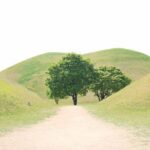
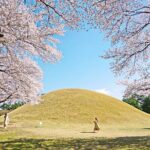
From there, you shift from sacred art to royal burial space. Daereungwon Tomb Complex is about 30 minutes, focusing on large ancient tombs of kings and nobles of the Silla Kingdom. The time is short, but tomb areas are open-air and require less “inside” time than museums or indoor temples. You’ll get the sense of scale quickly, especially if your guide points out what to look for in the layout.
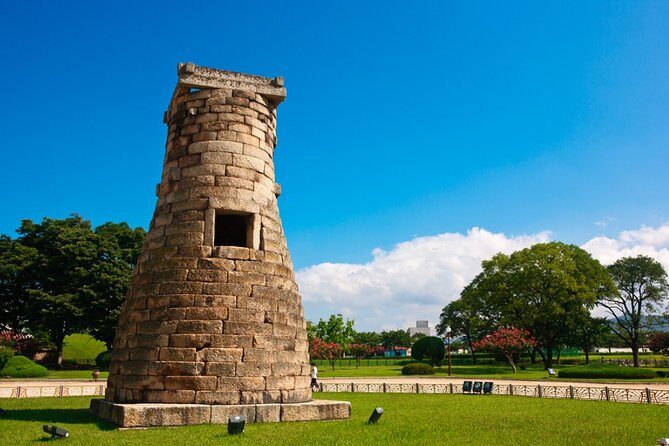
Next is Cheomseongdae Observatory, also about 30 minutes. This is known as the oldest surviving astronomical observatory in Asia, and its name relates to star-gazing. Even if you’re not an astronomy person, this stop works because it shows how seriously the kingdom treated timekeeping and the sky.
A practical note: observatory grounds can involve standing around for views and taking in the structure. If you’re doing this in colder or rainy weather, wear layers and have a backup plan with your guide in case you want to shift the order.
Gyeongju Gyochon Traditional Village and hanok feel

Around the Cheomseongdae area, the tour stops at Gyeongju Gyochon Traditional Village (about 1 hour). The idea here is to see the mix of older buildings and newly built hanok at the traditional village.
This is the kind of stop that helps you round out the day. Instead of only royal and religious sites, you get a snapshot of daily-life style—how spaces felt and how tradition can be maintained even alongside modern construction.
Because it’s mostly about atmosphere and architecture, the pacing depends on you. If you like wandering slowly, this can be a good match. If you prefer to maximize big monuments, you might ask to keep it closer to the minimum time.
Anapji (Donggung Palace and Wolji Pond): plan for the mood
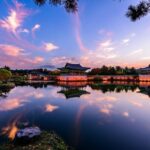
Donggung Palace and Wolji Pond—often called Anapji—are famous for evening views. The tour gives you about 1 hour here, and the description explicitly frames it as the most beautiful nightscape in Gyeongju.
This is where timing matters more than at most stops. If the day runs early, you may get a better sense of that nighttime atmosphere. If the schedule shifts, you’ll still see the pond and palace area, but the “nightscape” payoff may be less dramatic.
Woljeonggyo Bridge is included as a short add-on (about 20 minutes). It connects the palace area and Wolji Pond, and it’s a great photo point because you can frame water, walkway, and palace structures together.
UNESCO Yangdong Folk Village: a calmer end chapter
Yangdong Folk Village is the UNESCO village on the route, and it’s given about 1 hour. This stop changes the pace again. After temples, observatories, tombs, and ponds, you get a more relaxed look at traditional village life.
If you’re trying to understand Shilla influence beyond one kingdom’s monuments, this is helpful. It connects the dots between cultural heritage and how traditions can persist in living spaces, not just in artifacts behind glass.
One caution: it’s still an outdoor village stop. If weather turns, wear weather-ready clothes and be ready to shorten your walk. Your guide can adjust your time based on conditions.
Gyeongju National Museum: see relics after you’ve learned the setting
The tour includes Gyeongju National Museum for about 1 hour. This is where you get genuine relics of the Shilla Kingdom, and it’s usually more satisfying after you’ve already visited the major outdoor sites.
The big benefit of ending with a museum hour is that you stop guessing. Instead of thinking, that carving must be important, you can see objects that directly connect to what you saw earlier. Even if the museum is not your favorite format, this stop helps you carry the day home with you.
Value for your money: what $250 really buys
Let’s talk value without hand-waving. At about $250 per person for a private 8 to 10 hour tour, you’re paying for:
- Pickup and dropoff from your hotel
- A local guide who can speak English
- An air-conditioned private vehicle
- Bottled water
- Parking and tolls included
- A plan that hits key Shilla sites in one day
What you’re not paying for: entrance fees and meals. That’s normal for tours like this, but it does mean your final cost depends on ticket prices and what you choose to eat.
Is it “worth it”? If you hate wasting time on transport and want a driver who knows the flow between sites, yes. If you’re the type who loves public transit and self-guiding with a schedule you built yourself, you might save money going DIY. But you’ll likely spend more time coordinating—and lose some flexibility.
The other value angle is the guide quality. The experience is praised for guides like Jay Song, John, and Mr. Goh—specifically for customizing the tour, being flexible, and keeping explanations clear. One guide also gets noted for in-depth wisdom on Buddhism, which can turn carvings and temples from scenery into meaning.
Who this tour is best for (and who should think twice)
This private Gyeongju tour is a strong fit if:
- you want a one-day Shilla hits-and-context route
- you prefer asking questions in English instead of reading everything solo
- you’re traveling as a group who benefits from a tailored pace
- you want a local lunch stop built into the schedule (tteokgalbi after Seokguram)
It might be less ideal if you:
- dislike long days (8 to 10 hours is substantial)
- want only indoor stops
- expect meals and entrance tickets to be included
Also, because the tour notes it depends on good weather, have a plan for rain or extreme cold. If the day can’t run due to weather, you’ll be offered a different date or a full refund.
Should you book this Gyeongju Private Tour?
I’d book it if you want an organized day with room to steer. The itinerary gives you the Shilla power hitters—Bulguksa, Seokguram, Cheomseongdae, Anapji, Yangdong, and a museum—but the flexible timing is what keeps it from feeling like a factory tour.
It’s also a good choice if you appreciate guides who can explain why these places mattered, not just what they’re called. When English is strong and the guide is willing to adjust, you get more than photos—you get context you can remember later.
But don’t book it if your budget can’t handle entrance fees and lunch. And if you’re sensitive to stairs and outdoor walking, plan to shorten stops where needed, or ask your guide how to shape the day.
If you’re going to Gyeongju for a limited time, this is the kind of day that helps you get your bearings fast—then leave with a real sense of what the Shilla kingdom left behind.
FAQ
Is this tour private?
Yes. It’s a private tour/activity, and only your group participates.
Does the tour include hotel pickup and dropoff?
Yes. Hotel pickup and dropoff are included.
What’s included in the price?
The tour includes a local tour guide with a tour guide license, bottled water, an air-conditioned vehicle, and parking/tolls. It can also include optional KTX train tickets if you choose the add-on.
Are entrance fees included?
No. Entrance fees are not included.
Are meals included?
No. Meals are not included. The day includes a scheduled tteokgalbi lunch stop after Seokguram, but you pay for meals.
Is there a vegetarian option?
Yes. A vegetarian option is available if you advise at the time of booking.
Can you customize the itinerary?
Yes. The itinerary is described as flexible, and you can discuss where to go and how much time to spend at each site.
What if the weather is bad?
The tour requires good weather. If it’s canceled due to poor weather, you’ll be offered a different date or a full refund.
How far in advance should I book?
On average, this tour is booked about 63 days in advance, so booking ahead is a good idea.