REVIEW · BUSAN
Busan: Winter Healing Park and (Gyeongju/Daegu) One Day Tour
Book on GetYourGuide →Operated by KTOURSTORY · Bookable on GetYourGuide
Sleds and temples in one winter day. This Busan day trip pairs Kookmin Healing Park winter fun with a guided run through Gyeongju or Daegu highlights, so you get snowy play and Korean culture in one long outing. The only real drawback: it’s roughly 11 hours, and the exact winter spot in the Daegu option can shift with weather and ice conditions.
I like that the essentials are covered: round-trip transport from Busan plus admission fees and staff support in English and Chinese. You’ll still handle meals on your own, and you’ll want to dress for lots of cold waiting and short walks between stops.
In This Review
- Key Points That Matter Before You Go
- Kookmin Healing Park: Sled Rides, Ice Walks, and the Optional Canoe
- Gyeongju Winter Route: Bulguksa, Gyochon Village, Hwangnidan Street, and Woljeong Bridge
- Daegu Winter Route: Seomun Market Then Ice Wall or Biseulsan Trails
- How the Guide Affects Your Day: Amy, Sophie, and Lee
- What Included Means for Your Wallet: Admission, Transport, and Meals On Your Own
- Winter-Proof Planning: Weather Swaps, Timing, and Comfort Tips
- Who This Busan-to-Gyeongju/Daegu Winter Day Tour Fits Best
- Should You Book This Tour?
- FAQ
- FAQ
- How long is the tour?
- Is round-trip transportation from Busan included?
- What languages are supported during the tour?
- What is Kookmin Healing Park like in winter?
- Is the canoe experience included in the price?
- How much does the optional canoe cost?
- Are meals included?
- What happens for lunch on the Daegu winter route?
- Does the itinerary change because of weather or ice?
- Can I cancel for a refund, and is there a pay-later option?
Key Points That Matter Before You Go
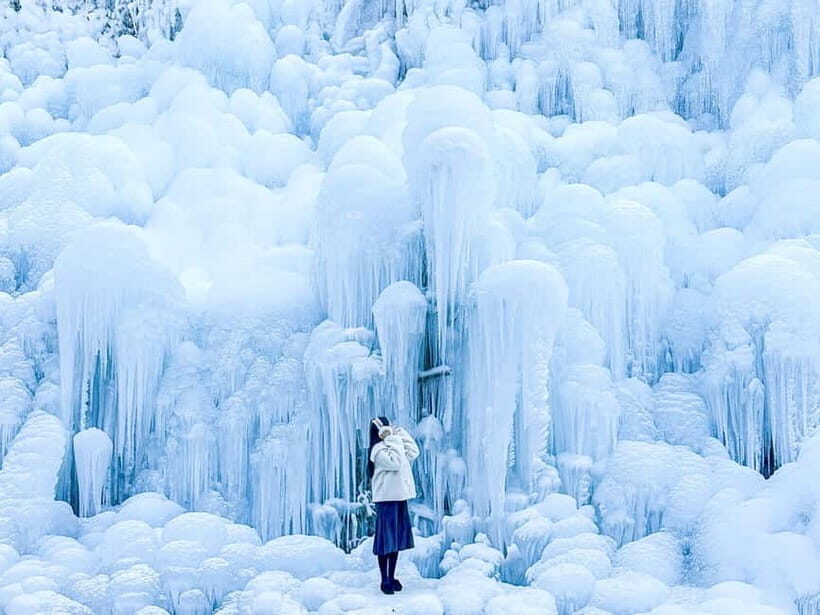
- Choose your combo wisely: Gyeongju adds Bulguksa, Gyochon Village, Hwangnidan Street, and Woljeong Bridge; Daegu adds Seomun Market plus an ice-wall or forest depending on ice.
- Kookmin Healing Park is the main event: expect sled rides, canoeing (optional), and winter trails with plenty of time to roam.
- Budget cash for the optional canoe: pay onsite (KRW 30,000 for 1–4 seaters; KRW 50,000 for 5–8 seaters).
- Guides do more than translation: staff like Amy, Sophie, and Lee are praised for clear explanations and helping with great photos.
- You’ll learn while you walk: stops are built around big-name sites (including Bulguksa) and everyday old-street atmospheres.
Kookmin Healing Park: Sled Rides, Ice Walks, and the Optional Canoe
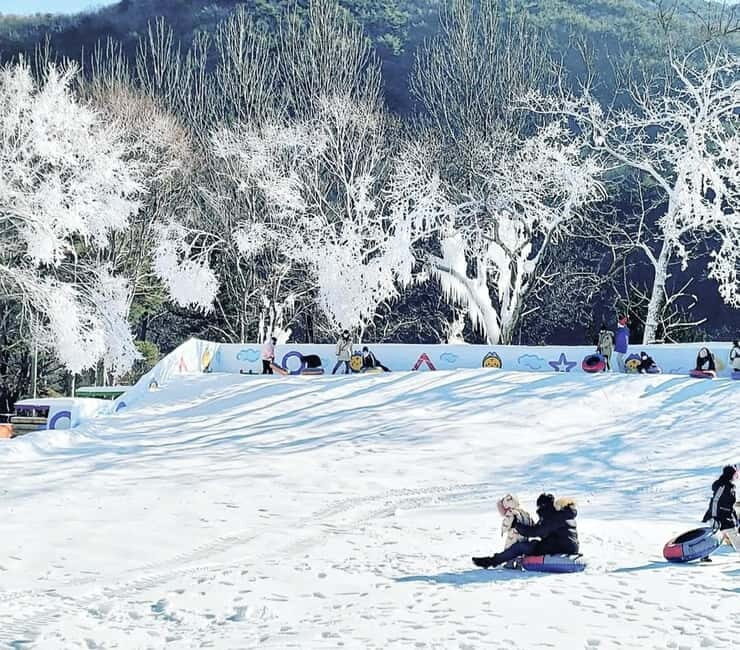
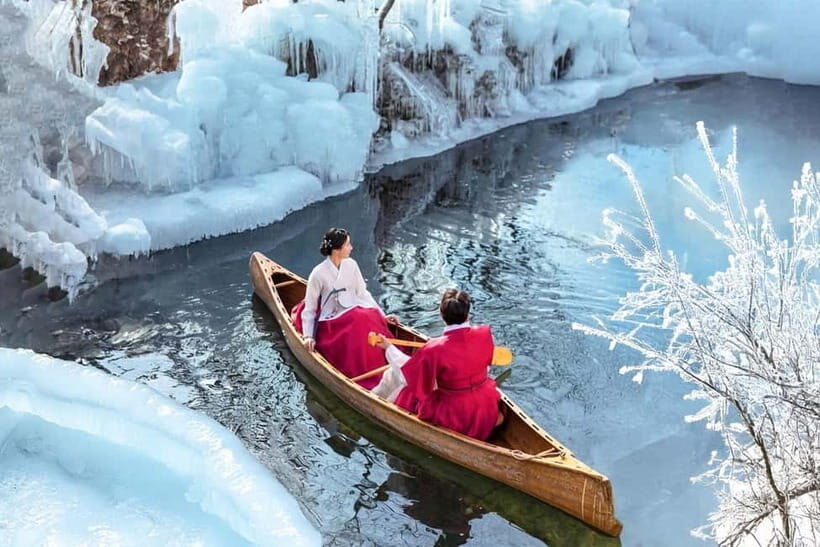
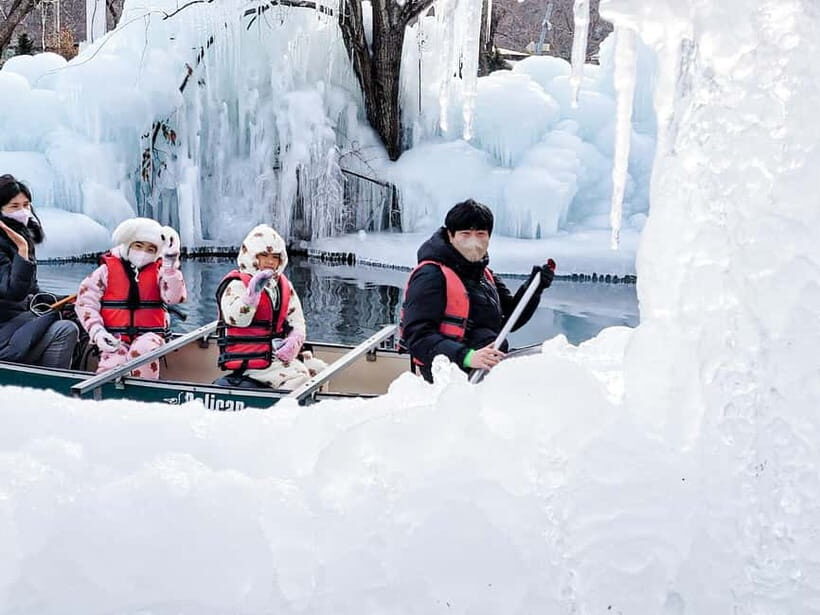
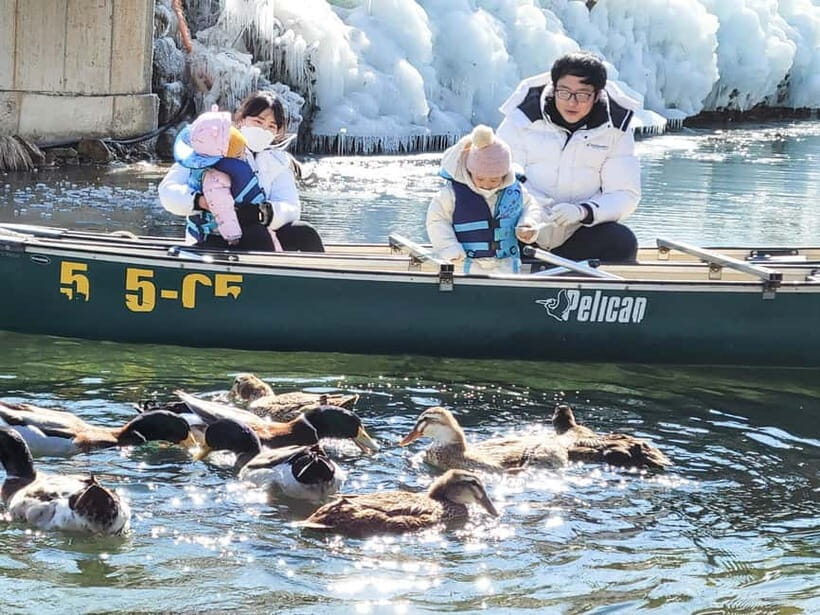
Kookmin Healing Park is where the winter fun turns from light sightseeing into full-on play. You’ll get time for sled rides, scenic canoeing, and slower walks through a winter scene framed by ice and cold-air views. It’s the part of the day that tends to feel most memorable because you’re not just looking at winter from a bus window.
The canoe experience is the one extra cost to know up front. If you want it, you pay onsite in cash: KRW 30,000 for 1–4 seaters or KRW 50,000 for 5–8 seaters. The helpful takeaway for your planning is simple: if canoeing is on your must-do list, bring a little cash so you’re not hunting for an ATM in winter weather.
Sled rides and ice trails also mean practical gear matters more than usual. Think warm layers you can actually move in, gloves you won’t constantly take off, and shoes with traction. Even if you’re not an “outdoor winter person,” you’ll still be glad you packed for cold surfaces and quick photo stops.
Finally, this is a good moment to reset your energy. The park is a natural break before the later history-heavy parts of the day (Gyeongju) or the market-and-ice sequence (Daegu). If you want photos, this is also where your guide’s eye for good angles can save time, especially when light is low and everyone is bundled up.
You can also read our reviews of more tours and experiences in Busan.
Gyeongju Winter Route: Bulguksa, Gyochon Village, Hwangnidan Street, and Woljeong Bridge
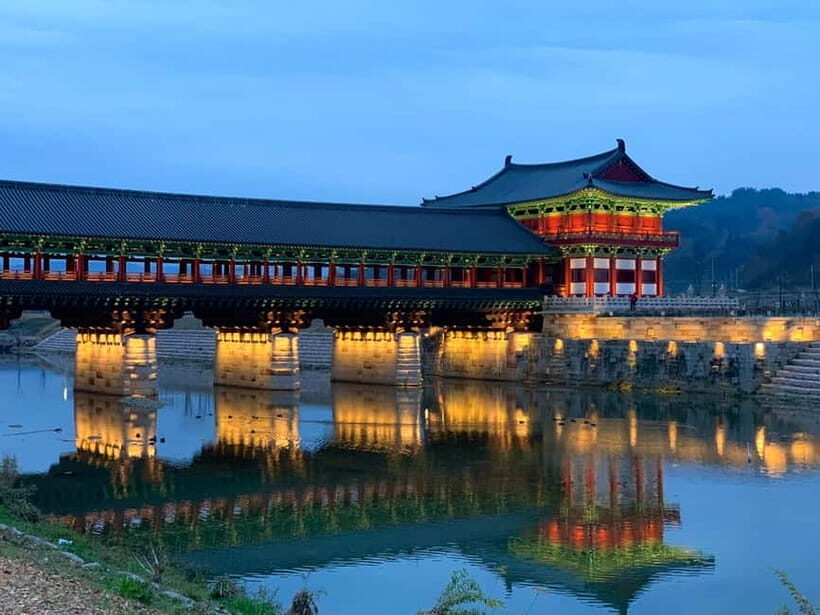
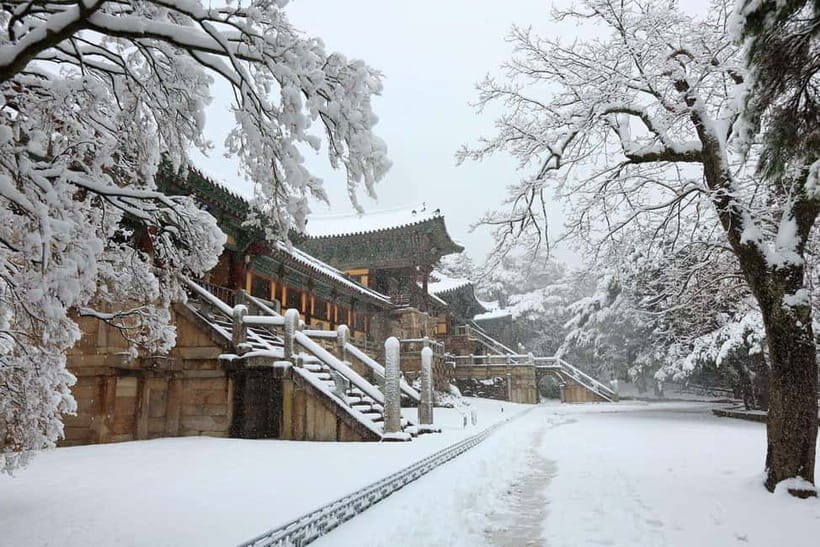
If your idea of a great winter day includes famous temples and old-world streets, the Gyeongju option is the one to pick. After Kookmin Healing Park, you’ll head to Bulguksa Temple, widely recognized as a representative cultural site for Gyeongju and designated as a UNESCO World Cultural Asset in 1995. This stop works well on a guided day because temple sites can be big, and it’s helpful to know what you’re looking at beyond the obvious photo spots.
What I like here is the combination of scale and detail. Bulguksa isn’t only about a main hall silhouette. You’re also in an environment where stone relics and artistic craftsmanship matter, and having a guide explain what’s significant helps you see the “why,” not just the “what.” In cold weather, you’ll also appreciate that temple viewing is easier to pace than more rugged outdoor stops.
Next comes Gyochon Traditional Village, centered around the Gyeongju Choi Clan and known for preserving family wealth over 12 generations while producing influential figures. That detail gives the village context. Instead of wandering empty-looking streets, you’re walking through a place tied to long continuity—old houses and lanes make more sense when you understand the family history behind the neighborhood.
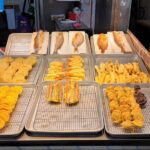
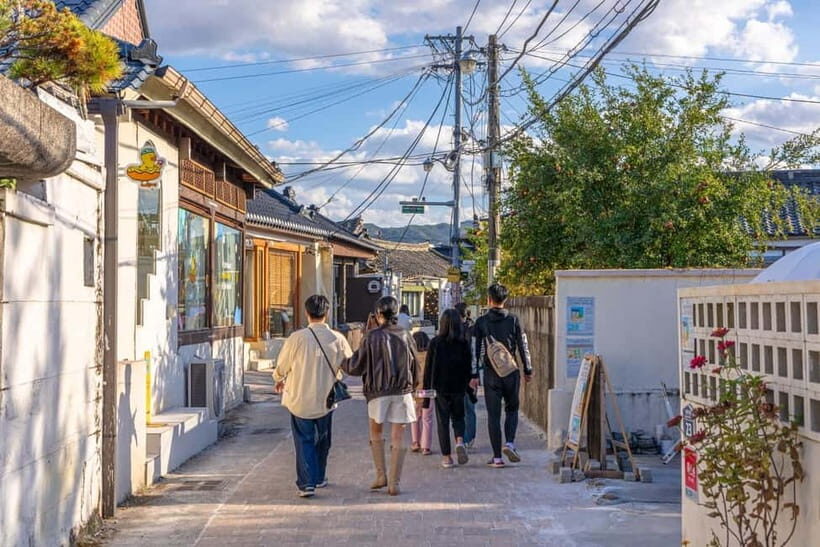
Then you shift from quiet village streets to Hwangridan Street, known for street food and trendy cafés. This is where you can snack without turning the day into a strict meal plan. I’d treat this like your flexible budget moment: grab one or two items you actually want, rather than over-ordering just because everything is warm and tempting.
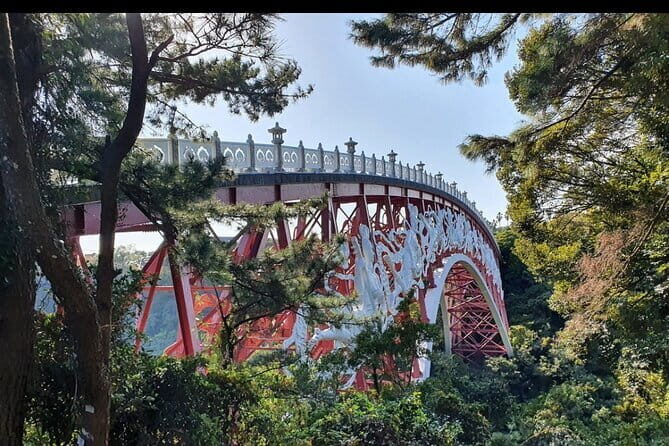
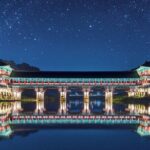
Finally, you end at Woljeong Bridge, famous for its long history and sturdy stone arches—a reminder of older engineering techniques still visible today. Even if you’re not a bridge-nerd, bridges can be a great winter photo target because they frame people and pathways in a clean, graphic way. It’s also a calmer ending point before you head back to Busan.
The pacing is the key trade-off: you’ll walk in cold weather through multiple types of stops—temple grounds, village lanes, then a street-food area. If you’re the type who hates lingering in line-ups or cold queues, you’ll want to keep your snacks, water, and layers ready early in the day.
Daegu Winter Route: Seomun Market Then Ice Wall or Biseulsan Trails
The Daegu option feels a bit more “everyday Korea” in the middle, then turns sharply back into winter scenery. After Kookmin Healing Park, you’ll visit Seomun Market, which is a great reset if you’re craving warm indoor stalls after the ice-time outdoors.
Seomun Market is also where your lunch is more flexible. Meals aren’t included, and this route explicitly gives you space for own-expense lunch in the market area. That’s a practical perk: you can pick what you like without worrying about a group schedule built around one specific restaurant.
Seomun Market also tends to be a good place to shop small and practical—items that don’t require a long rethink later. You’ll usually find crafts and local delights alongside street food, and your guide can help you pick things that won’t be a mystery when you open the bag back at your hotel.
Then the day goes winter mode again, but with an important twist: the final ice stop is either:
- Okyeon Reservoir Songhae Park for a striking ice wall, or
- Biseulsan Recreational Forest for icy trails and frozen scenes.
Which one you get depends on ice conditions. This matters because it changes what kind of photos and walking you’ll do. If the ice wall is available, you’ll get a bigger, more dramatic visual subject. If you end up at Biseulsan, you’ll likely focus more on trails, icy streams, and the feel of being out in colder air near winter water.
The big benefit of this setup is that the tour is trying to match you to what’s actually safe and scenic in that week’s weather. The drawback is uncertainty: plan as if you’ll do either, and don’t emotionally attach to only one exact “final” scene.
How the Guide Affects Your Day: Amy, Sophie, and Lee
On a long winter day, the guide isn’t just for logistics. A strong guide changes how you experience each stop: you move more efficiently, you understand what you’re seeing, and you spend less time trying to decode signs while your hands are freezing.
This tour runs with staff who speak English and Chinese (and guides may also use Korean). That language coverage is especially helpful when you’re standing outdoors and you want quick context—what a site is, why it matters, and what to pay attention to for photos.
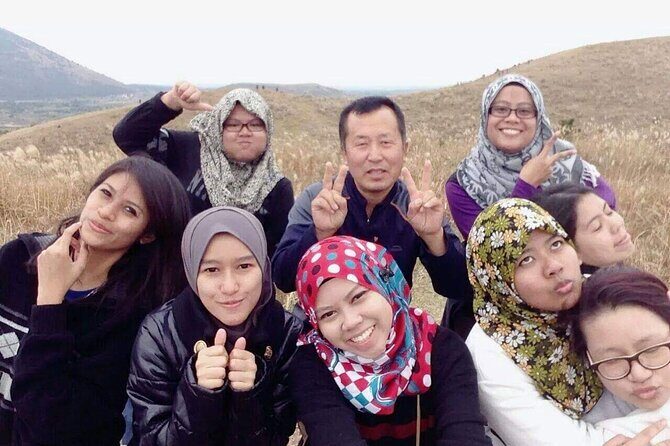
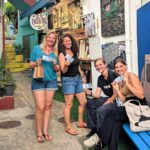
The praised guides named in feedback include Amy, Sophie, and Lee. The common thread in their descriptions is support that goes past directions—explaining what you’re looking at and taking or helping with good photos. If you care about pictures, this is one of those tours where it’s smart to ask simple questions like where to stand for the cleanest angle, or which details are worth a close look before you move on.
One more practical tip: in winter, your best photos usually happen during the short moments when you’re not shuffling between warm and cold. When your guide offers timing or a suggested viewpoint, treat it like a gift and follow it. It’s the difference between a decent shot and a shot you’ll actually want to keep.
What Included Means for Your Wallet: Admission, Transport, and Meals On Your Own
At around $65 per person, this tour can feel like good value if you compare it to doing parts separately. You’re getting round-trip transportation from Busan, plus admission fees and English/Chinese-speaking support. That coverage matters because winter travel has hidden costs: fuel, paid entry at multiple places, and the time you’d spend coordinating transit.
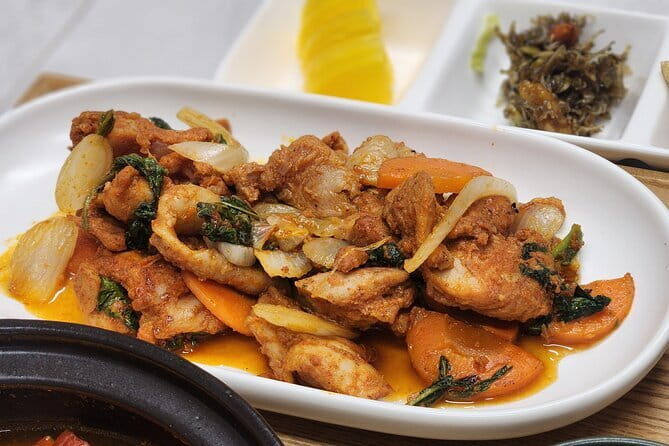
What’s not included is the part you’ll notice right away: meals. The tour doesn’t provide lunches, so you should plan to spend some money on food during the day. The Daegu route is the clearest example because lunch is specifically associated with Seomun Market, where you’ll pay out of pocket.
The other extra to plan for is the optional canoe at Kookmin Healing Park. Since it’s cash on-site, this isn’t a small detail. If you’re doing canoeing, budget the KRW amount so you don’t end up skipping it purely from logistics.
For practical travel budgeting, think in two layers:
- The fixed layer: transport + admissions already paid.
- The flexible layer: meals, snacks, and the optional canoe.
That structure makes the day easier to manage than tours where you’re guessing at every stop.
A few more Busan tours and experiences worth a look
Winter-Proof Planning: Weather Swaps, Timing, and Comfort Tips
This is a winter day trip, so the best planning strategy is to expect minor changes. The itinerary can shift based on traffic and weather, and the Daegu option can change its final spot based on ice conditions. That means your schedule is not a rigid checklist. Instead, it’s a plan designed around what’s possible safely and beautifully in real winter conditions.
Cold comfort is the other planning piece. You’ll likely do a mix of indoor and outdoor viewing. Even inside, you might move through areas with drafts and sudden temperature swings between heated spaces and icy air. Bring layers you can add or remove quickly, and consider outerwear that blocks wind.
If you’re traveling as a family, there’s one note that matters: if you’re bringing a baby stroller, you should inform the operator in advance. Also, infants are free of charge, but there’s no seat available for them, so plan accordingly.
And if you tend to rely on your phone for everything, it’s smart to save offline maps and keep your photo storage ready. Winter days can turn into short bursts of “move now, shoot now, warm up later,” and the last thing you want is to fight battery drain.
Who This Busan-to-Gyeongju/Daegu Winter Day Tour Fits Best
This tour fits best when you want two things at once: winter experiences plus guided cultural context. If you’re coming to Busan and only have one day to spare for North Gyeongsang Province, it’s a practical way to see more than one “side” of Korea.
Pick the Gyeongju route if you’re drawn to:
- UNESCO-listed temple viewing at Bulguksa (designated in 1995)
- a traditional village with a clear clan backstory
- an old street-food/café stop at Hwangridan Street
- a historic stone-arch bridge finish at Woljeong Bridge
Pick the Daegu route if you prefer:
- a market experience with lunch on your own at Seomun Market
- winter ice visuals that can be either an ice wall at Okyeon Reservoir Songhae Park or icy trails in Biseulsan Recreational Forest
It’s also a good fit for people who like having a guide help them connect the dots. Winter sightseeing can feel like random stops if you don’t know what matters. With this kind of day plan, you get that context with minimal extra effort.
Should You Book This Tour?
Yes—if you want a guided winter day that mixes play at Kookmin Healing Park with major regional sights, this is an easy “one-day solution.” The value looks strongest when you want transportation and admissions handled, and when you’re comfortable budgeting for lunch and the optional canoe.
Don’t book expecting a perfectly fixed final scene in Daegu. Instead, treat it as a winter-friendly plan that adapts to what ice conditions allow.
Make the decision like this:
- Choose Gyeongju if temples, traditional villages, and Woljeong Bridge history are your priorities.
- Choose Daegu if you want a market lunch at Seomun Market and you’re okay with the final ice attraction changing between ice wall and forest trails.
- If canoeing is a must, bring enough cash for the onsite fee and wear shoes that handle icy ground.
FAQ
FAQ
How long is the tour?
The tour lasts about 11 hours (810 minutes).
Is round-trip transportation from Busan included?
Yes. Round-trip transportation from Busan is included.
What languages are supported during the tour?
The tour includes staff who speak Chinese and English, and guides may also use Korean.
What is Kookmin Healing Park like in winter?
It’s a winter wonderland with sled rides, scenic canoeing, and serene winter walks surrounded by ice.
Is the canoe experience included in the price?
No. Canoe experience is optional and you pay a fee onsite in cash.
How much does the optional canoe cost?
The fee is KRW 30,000 for 1–4 seaters and KRW 50,000 for 5–8 seaters, paid onsite in cash.
Are meals included?
No. Meals are not included.
What happens for lunch on the Daegu winter route?
Lunch is at your own expense during the Seomun Market stop.
Does the itinerary change because of weather or ice?
Yes. The itinerary is subject to traffic and weather, and for the Daegu winter option the final spot depends on ice conditions.
Can I cancel for a refund, and is there a pay-later option?
Yes. You can cancel up to 24 hours in advance for a full refund, and there is a reserve now & pay later option.