REVIEW · BUSAN
Jinhae Cherry Blossom Festival Gyeonghwa Stn Day Tour from Busan
Book on Viator →Operated by TOURSTORY · Bookable on Viator
Spring in Korea hits different in Jinhae. This day tour handles the long trip from Busan and sends you to prime blossom viewing spots with air-conditioned comfort, with guides like Yoona, Joon, and Victoria keeping the group moving and making photo time easier. The main catch: it’s still a 10–11 hour day, and if traffic or bloom conditions are off, the schedule can feel tight.
You get two big, free-admission areas—Gyeonghwa Station Cherry Blossom Road and Yeojwacheon Stream—plus practical help from an English/Chinese-speaking team. You’ll also travel with a group capped at 43, which is large enough to meet people but small enough for smooth logistics. One consideration: meals aren’t included, so you’ll want to plan for food stops on your own during longer stretches.
In This Review
- Key highlights worth planning for
- Why this Busan-to-Jinhae day trip feels manageable
- The viewing star: Gyeonghwa Station’s blossom-road tunnel walk
- Yeojwacheon Stream and Romance Bridge: where the story gets famous
- How the 10–11 hour timeline really plays out
- The real value of $59.47: transport plus two major areas
- What the guides do (and why it affects your photos)
- What you’ll carry back: photos, pacing, and a sense of place
- Who this tour suits best
- Should you book the Jinhae Cherry Blossom Festival day tour from Busan?
- FAQ
- What’s the duration of the Jinhae Cherry Blossom Festival day tour from Busan?
- Where do we stop during the tour?
- Is admission included for the cherry blossom viewing areas?
- Does the tour include transportation from Busan?
- Are meals included in the price?
- What languages are supported during the tour?
- What happens if cherry blossoms aren’t in good condition?
- FAQ
- How flexible is the cancellation policy?
Key highlights worth planning for
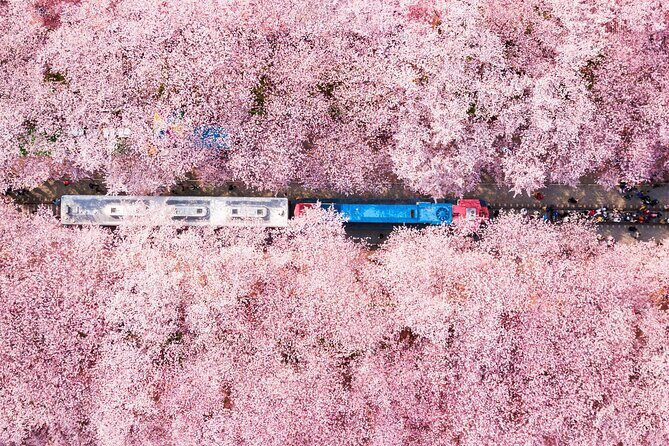
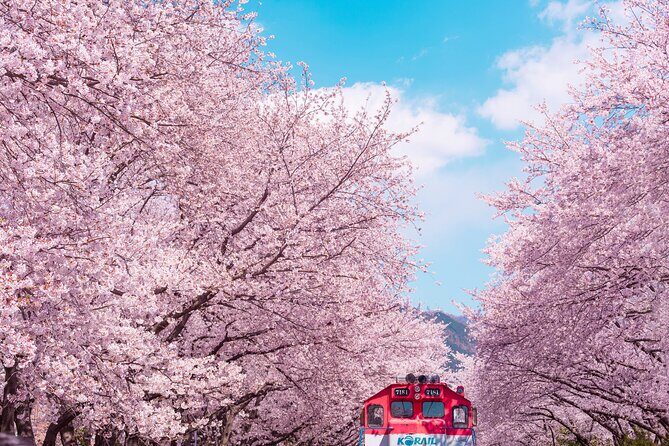
- Gyeonghwa Station Cherry Blossom Road: walk through the tracks for a tunnel-like flower effect.
- Festival shuttle-train option: a slow-speed train during Jinhae Gunhangje lets you enjoy the flowers from a different angle.
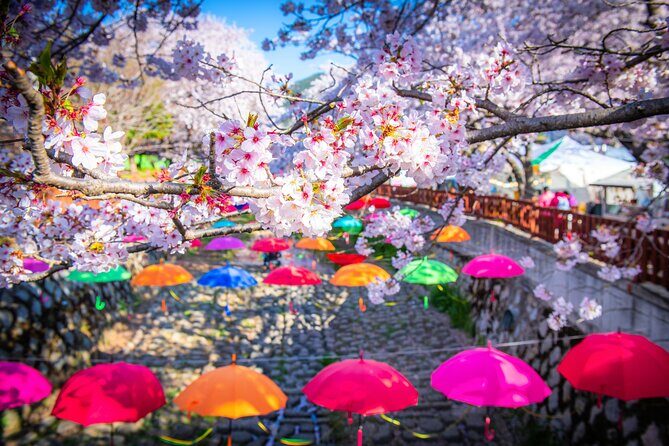
- Yeojwacheon Stream + Romance Bridge: famous April viewing with a movie-drama backstory tied to romance fans.
- Comfort-first transport from downtown Busan: round-trip, air-conditioned bus lowers the stress of DIY travel.
- Time at each stop: generous wandering time (the tour is designed so you can actually look, not just pass by).
- Tour updates based on bloom conditions: if blossoms aren’t in good shape, you’ll be notified at least a day ahead and routing may change.
Why this Busan-to-Jinhae day trip feels manageable
Jinhae’s cherry blossoms are the kind of spring event that draws crowds for a reason. The difference here is simple: instead of wrestling with getting yourself there and back, you’re handed round-trip transportation from downtown Busan and dropped near the main viewing areas.
I like that this tour is built for comfort and timing. The bus is air-conditioned, the group is capped at 43, and there’s English and Chinese-speaking staff to help you get your bearings fast—especially useful when you’re dealing with a popular seasonal destination. You’re also on a mobile ticket, so you’re not scrambling for paper.
The other reality is that it’s still a full day. At 10 to 11 hours, you’ll want to treat this like a “planned outing,” not something casual where you can browse at your own pace indefinitely. And because meals aren’t included, you may end up relying on whatever food option is easiest during breaks.
You can also read our reviews of more tours and experiences in Busan.

The viewing star: Gyeonghwa Station’s blossom-road tunnel walk
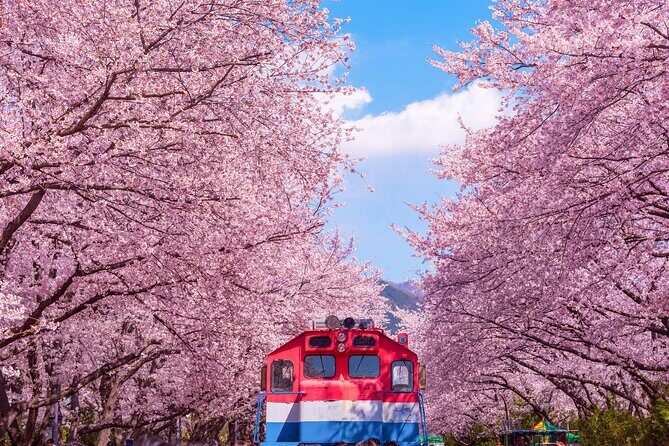
Your first stop is Gyeonghwa Station Cherry Blossom Road in Jinhae-gu. This area is famous in spring because the station zone is lined with cherry trees so close together that walking along the tracks feels like moving through a flower tunnel.
There’s also a useful historical angle that makes the photos more interesting. Railway services to and from Gyeonghwa Station were discontinued as of 2006, so the space has a slightly different vibe than a working transit point. Instead of crowds moving trains, you’re mostly there to wander among the blossoms and absorb the scene.
You’ll have about 2 hours 20 minutes here with free admission. That’s enough time to stroll slowly for multiple photo angles, then take a break if you need it. If you’re into getting shots at different heights, this is one of the better places in the itinerary because the track-walk perspective naturally gives you layers.
One extra festival detail: during Jinhae Gunhangje, there’s a cherry blossom festival shuttle train that moves slowly so you can enjoy the view. It’s not guaranteed in the way a fixed attraction is year-round, but it’s a nice option if it’s operating during your visit dates.
Practical tip: wear shoes that handle uneven paths. You’re walking outdoors, on and near the old station tracks, and spring crowds mean you’ll want stability more than fashion.
Yeojwacheon Stream and Romance Bridge: where the story gets famous
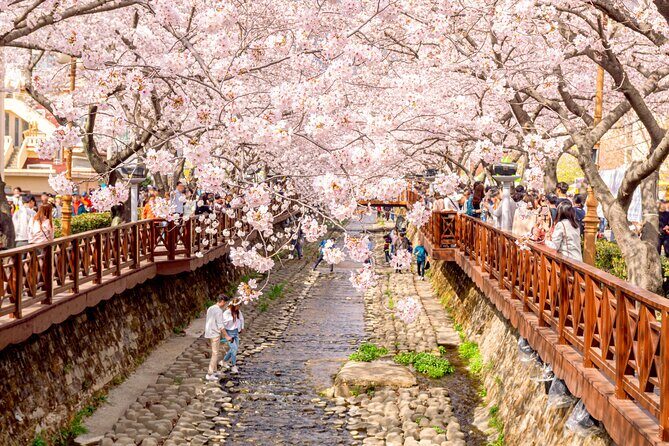
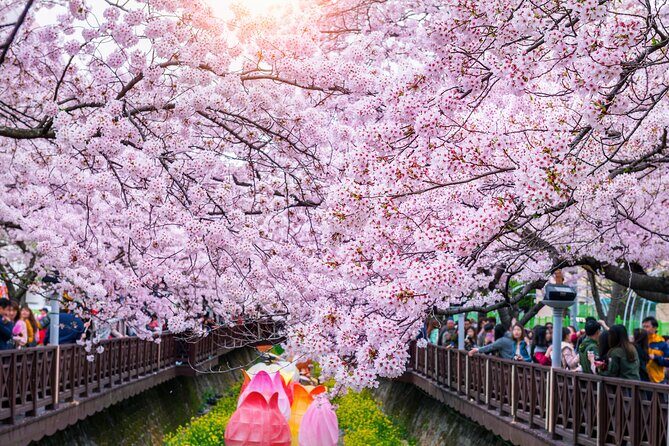
Stop two is Yeojwacheon Stream, one of Jinhae’s top cherry blossom viewing areas. If you want a classic “spring along the water” look, this is the spot where that feeling shows up strongly—April brings the full pink scene, and the stream area is treated like the main attraction.
This place also carries a pop-culture hook that helps you understand why it became a must-visit. The bridge area is known because it’s the setting where characters Gwanu and Chaewon from the TV series Romance (2002) first met as tourists in Jinhae. After the episode aired, the Romance Bridge quickly became widely known, and it’s been drawing visitors ever since.
You’ll spend about 3 hours 10 minutes here, again with free admission. That extra time compared to the first stop matters, because river-and-bridge photo spots can get busy. With this much time, you’re not stuck rushing one viewpoint; you can wait for a clear moment, walk to another angle, then come back if the light is better.
What to do with that time: I’d start with a wide overview shot to lock in the composition, then move closer for petals and texture. If you’re traveling with someone who likes walking slowly, this stop is the easiest place to slow down without feeling like you’re falling behind the schedule.
How the 10–11 hour timeline really plays out
This is the part people often underestimate with cherry blossom day tours: it’s not just standing in pink trees. It’s transit time plus scheduled viewing blocks, and the tour expects a full-day commitment.
The tour runs roughly 10 to 11 hours, and the exact flow can change based on traffic and weather. The itinerary is also subject to blossom conditions. In plain terms: if conditions aren’t good, the tour team may switch to an alternative route, and you’ll be notified at least one day in advance.
That’s a meaningful safeguard. Cherry blossoms are weather-dependent, and you don’t want to be stuck at a stop that’s already past peak. Still, it helps to go in with flexibility. If you’re the kind of traveler who needs a rigid plan down to the minute, this won’t match that style.
There’s one timing consideration worth noting: a past reviewer felt the photo-and-transport balance could be better and said there wasn’t much information shared during the bus ride. That doesn’t mean every day is the same, but it’s a reminder that if you want a lot of commentary, you should ask questions early when you get the chance—and consider bringing something to read or listen to during long transit stretches.
The real value of $59.47: transport plus two major areas

At $59.47 per person, the ticket price looks reasonable when you break it down the way this tour is structured. You’re paying for two things that are hard to do smoothly on your own from Busan: round-trip transport and a guided schedule that takes you to high-priority viewing zones.
Admission at both stops is listed as free, so you’re not paying extra once you arrive. That’s helpful because seasonal festivals often bundle surprises. Here, most of what you’re paying for is getting there (and getting back) without the hassle.
Meals aren’t included, though. In a long day, that matters. I’d plan either to eat during breaks you find during the day, or to bring snacks you’re comfortable with. You don’t want to get cranky halfway through a flower-focused outing because lunch got delayed.

What the guides do (and why it affects your photos)
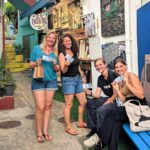
Good guides change how the day feels. The better reviews point to staff who are organized and attentive, and names come up repeatedly, including Yoona, Joon, and Victoria/Viktoria. When a guide is watching the group and helping coordinate photo time, you spend less time worrying and more time framing your shots.
I also like that the tour is offered with English and Chinese-speaking support. That sounds basic until you’re in a busy seasonal area and you need clarity on where to go next, what time to regroup, and how to move efficiently across stops.
If you’re disabled or traveling with mobility needs, the comfort factor also matters. One of the positive reviews specifically praised help loading and unloading a wheelchair, which is a real-world signal that the team pays attention to practical logistics, not just sightseeing.
Still, here’s the balanced take: not every guide style will match what you want. One critical note complained about limited bus narration and time distribution. If you care a lot about cultural context while you ride, ask the guide questions and use the time you’re on-site—Gyeonghwa and Yeojwacheon are where you’ll likely get the most direct answers anyway.
What you’ll carry back: photos, pacing, and a sense of place
If you’re coming for cherry blossom photos, this tour is built around two of the most photogenic viewing settings. Gyeonghwa gives you a track-walk tunnel look, while Yeojwacheon Stream gives you the classic long-view scene near water and a bridge tied to a popular drama moment.
You also get a vibe check of what makes Jinhae special during cherry blossom season. The tour isn’t only about pretty trees; it nods to festival culture through the Gunhangje context and the shuttle train option. Even if you skip any optional activity, that festival framing helps you understand why these two spots are treated like top priorities.
The pacing is another deciding factor. Multiple positive notes mention ample time to wander and not feeling shoved along. That’s exactly what you need for cherry blossoms—if you don’t have time to look, you’ll miss the best petal details and the better angles that show up after the crowd moves.
Who this tour suits best
This tour fits you best if you:
- Want easy, round-trip transport from downtown Busan without planning headaches
- Care about seeing cherry blossoms in two standout areas in a single day
- Like having enough time to wander and take photos without constantly checking your watch
- Prefer having English/Chinese support during a busy seasonal event
It may be less ideal if you:
- Hate long days and want a short, low-effort outing
- Expect lots of narration during the bus ride and not just at stops
- Need meals included in the price (since they’re not)
Should you book the Jinhae Cherry Blossom Festival day tour from Busan?
I’d book it if you want convenience with real viewing time. The included round-trip transport, the air-conditioned comfort, and the pairing of Gyeonghwa Station plus Yeojwacheon Stream is a strong formula for a first trip to Jinhae from Busan.
Skip it if you already have a very flexible travel plan and you’re comfortable piecing together local transit in peak spring crowds. Also think twice if you’re the type who gets frustrated by timing changes due to weather or traffic, because the tour schedule can shift and routes may change if blossoms aren’t in great condition.
If you do book, plan like a pro: wear comfortable walking shoes, bring a light layer for spring air, and don’t count on a full meal being handled by the tour. Then you can focus on the best part—wandering through blossom tunnels and settling into that April river-bridge scene.
FAQ
What’s the duration of the Jinhae Cherry Blossom Festival day tour from Busan?
The tour runs about 10 to 11 hours, depending on timing, traffic, and weather conditions.
Where do we stop during the tour?
There are two main stops: Gyeonghwa Station Cherry Blossom Road and Yeojwacheon Stream.
Is admission included for the cherry blossom viewing areas?
Admission is listed as free for both stops.
Does the tour include transportation from Busan?
Yes. Round-trip transportation is included from downtown Busan.
Are meals included in the price?
No. Meals are not included, so you’ll need to arrange food during the day.
What languages are supported during the tour?
The tour includes English and Chinese-speaking staff.
What happens if cherry blossoms aren’t in good condition?
If the blossoms aren’t in good condition, you’ll be notified at least one day in advance and the tour may switch to an alternative route.
FAQ
How flexible is the cancellation policy?
You can cancel for a full refund up to 24 hours in advance. If you cancel less than 24 hours before the start time, the amount paid isn’t refunded.