REVIEW · JEJU
Jeju private UNESCO Site Day tour – East of Jeju Island
Book on Viator →Operated by jeju island jumbo taxi tour Jeju Namyang Travel · Bookable on Viator
A day like this keeps Jeju compact and still scenic. You’ll hop between UNESCO Seongsan Ilchulbong and East Jeju’s coastal, volcanic, and village highlights, all in one smooth private schedule. I like that it’s built for a full day without you hunting down directions, since pickup and a dedicated vehicle handle the driving. I also like the mix: crater + climb, then local culture, then ocean views.
What makes it especially easy is the private jumbo taxi setup. Several guides and drivers (including Mr Kim, Mr Ko, and Mr Kang in past bookings) are praised for keeping things comfortable and on track, plus helping with photos and weather. One thing to plan around: Seongsan Ilchulbong Peak and the Haenyeo Museum are closed every Monday, so the day’s stops shift.
If you want an efficient “greatest hits” day in East Jeju, this fits. If you’re the type who wants complete freedom to linger for hours at each spot, you may feel a little time pressure with an 8–9 hour schedule.
In This Review
- Key things you’ll care about
- Why East Jeju feels like the real island, not just a postcard
- Price and value: what you’re really paying for at $160 per person
- Getting around in a private jumbo taxi (and why it gets praised)
- How the Monday closures affect your plan
- Jeju Stone Park: starting with the island’s rock story
- Sangumburi Crater: a volcanic landmark you can feel in your legs
- Seopjikoji: coastal walking with drama-set vibes
- Seongsan Ilchulbong (UNESCO): the climb you can pace
- Haenyeo Museum: seeing the sea women’s world up close
- Seongeup Folk Village: traditional thatched houses and older Jeju life
- Hamdeok Beach: short coastal time on Jeju’s lighter side
- Saryeoni Forest Path: a volcanic cone walk without the heavy hike
- The full-day flow: how to not feel rushed
- What’s included vs not included (so you’re not surprised)
- Who this tour is best for
- Should you book this East Jeju private day tour?
- FAQ
- How long is the East of Jeju private day tour?
- How much does the tour cost?
- Is pickup offered?
- Is this tour private?
- What tickets or admissions are included?
- Does the tour include a mobile ticket?
- What stops are included on the route from Seogwipo or Gangjeong Cruise?
- Which attractions are closed on Mondays?
- What vehicle do you use?
- Is lunch included?
- What is the cancellation policy?
Key things you’ll care about
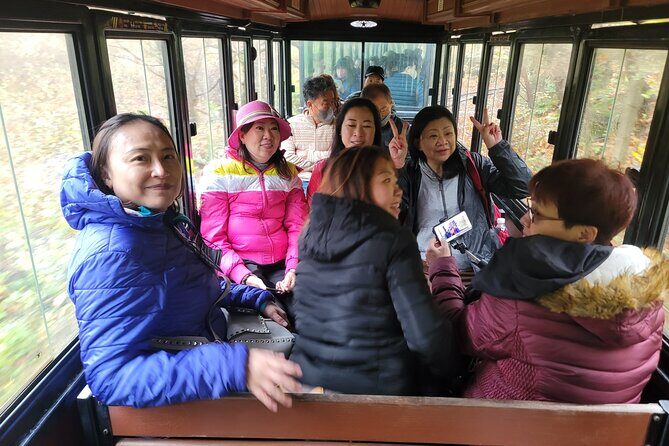
- Private jumbo taxi comfort: Air-conditioned, with fuel and parking covered
- UNESCO climb with a realistic round trip: About an hour for up-and-down
- Culture stops that add depth: Seongeup Folk Village + Haenyeo Museum
- Coast time without the stress: Seopjikoji and Hamdeok Beach breaks
- Volcanic scenery mix: Sangumburi Crater and Saryeoni Forest Path
- Monday schedule change: Seongsan Ilchulbong + Haenyeo Museum close on Mondays
Why East Jeju feels like the real island, not just a postcard
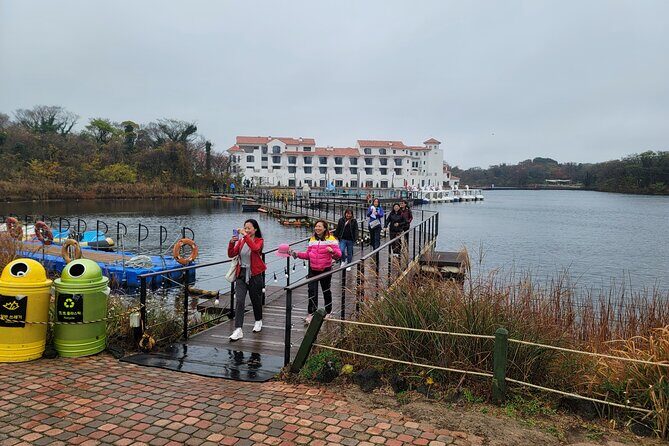
East Jeju has a different rhythm. The coastline looks dramatic, but the day doesn’t stay “just pretty.” You also get the island’s big themes in one loop: how Jeju is shaped by volcanoes, how locals lived long before modern roads, and how the sea work of haenyeo still echoes through everyday culture.
This is the kind of day you’ll enjoy if you’re short on time. Instead of picking one attraction and calling it a trip, you’ll stitch together several key places that people come to Jeju for—without bouncing between bus transfers or rental car headaches.
You can also read our reviews of more private tours in Jeju
Price and value: what you’re really paying for at $160 per person
At $160 per person, you’re not only paying for admission tickets at natural attractions. You’re buying a service package: pickup and drop-off around Jeju, a private vehicle, and the fuel/parking that would otherwise eat up your time.
That matters because Jeju’s big stops are spread out. A car day can sound simple until you’re stuck with wrong turns, parking searches, and traffic timing. Here, the vehicle does the heavy lifting, and you keep your energy for climbing, walking, and enjoying the scenery.
Also, this is a private tour. You won’t be sharing a crowded van full of strangers, and you can move at a pace that works for your group.
Getting around in a private jumbo taxi (and why it gets praised)
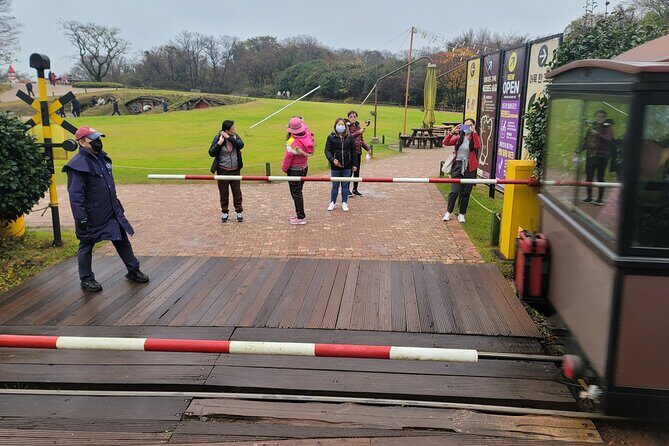
The vehicle part is where this tour often “wins” in real life. The comfort and smooth ride are a big deal on Jeju, especially when you’re doing multiple short walks across different terrain.
In past experiences, drivers like Mr Kim, Mr Ko, and Mr Kang earned strong praise for staying helpful and keeping guests comfortable throughout the day. One reason that stands out: you’re not only dealing with roads—you’re also dealing with weather changes. Jeju can shift fast, and having a driver who actively helps you manage the day is worth more than it sounds.
One practical note: the included language support is described as Basic English / Basic Chinese / speaking driver. That range can be totally fine for getting where you need to go, but if you want deeper explanations, I’d suggest confirming the communication level you prefer when you book.
How the Monday closures affect your plan
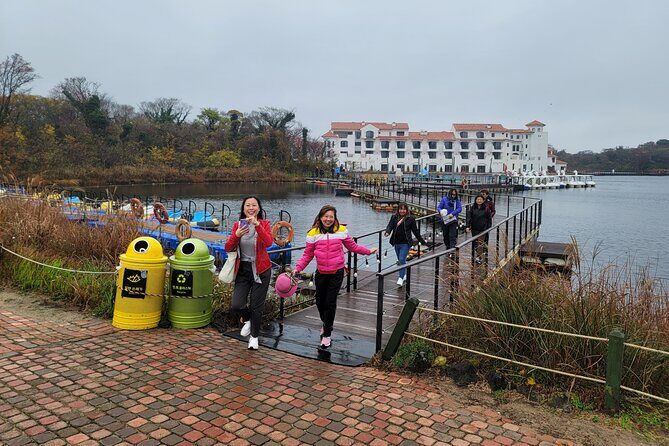
Two major stops are closed every Monday: Seongsan Ilchulbong Peak and the Haenyeo Museum. On those days, the tour adjusts by closing Sangumburi and other locations instead.
So if your travel dates include Monday, don’t assume you’ll see exactly the same route. The good part is you still get an “East Jeju” experience, just with replacements. If UNESCO views and the haenyeo stop are your top priorities, it’s worth double-checking what Monday’s alternate route includes before you lock in your day.
Jeju Stone Park: starting with the island’s rock story
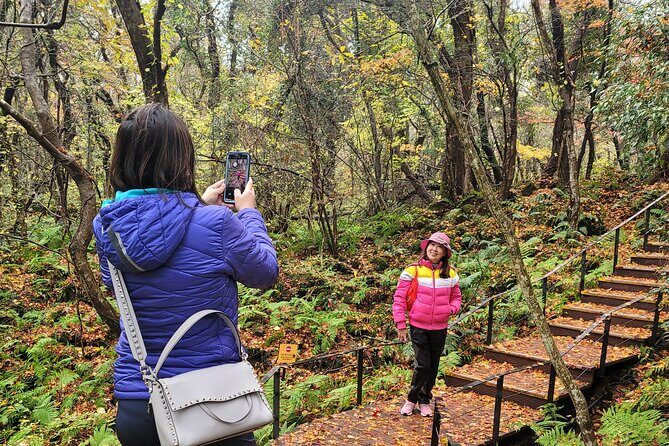
Your first stop is Jeju Stone Park, an ecological park and museum focused on Jeju’s stone culture. It’s the kind of place that helps you connect the dots later.
You’ll spend about one hour here with an admission ticket included. Expect exhibits that explain how the island’s stone identity isn’t random. Jeju’s volcanic history shaped the materials people used, the way land looks, and even how locals talk about the island.
Why this stop is valuable: it gives you a frame before you go chasing volcano shapes outside. When you later see crater rims and tuff-like coastal views, you’re not just staring—you’re reading the island’s “materials” with a little context.

Sangumburi Crater: a volcanic landmark you can feel in your legs
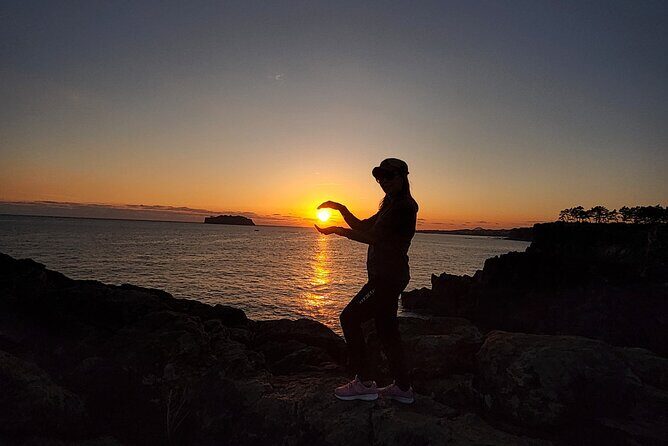
Next comes Sangumburi Crater, a parasitic volcanic crater associated with Hallasan Mountain. It’s also described as the only submerged volcano on Jeju Island.
You’ll typically have about 40 minutes, and admission is included. This stop is shorter, so treat it like a viewpoint-and-photo stop rather than a long hike. The charm here is the scale and the volcanic logic: Jeju doesn’t only have one kind of volcanic shape. It has a whole family of them.
If you like geology or you’re the type who photographs textures, Sangumburi can be more interesting than it first sounds. Just remember: if your day is on Monday, this stop may be replaced.
Seopjikoji: coastal walking with drama-set vibes
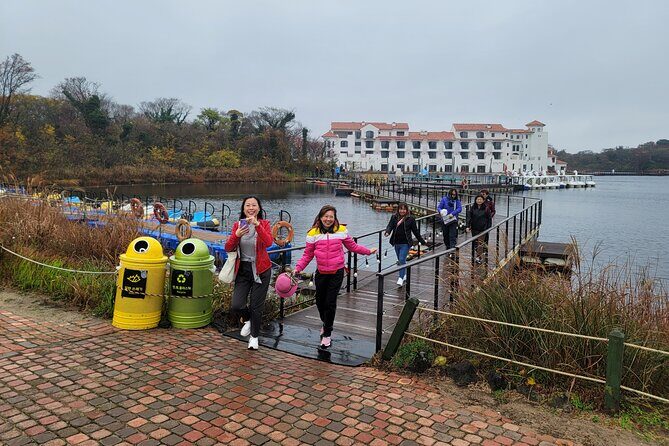
After the craters, you’ll head to Seopjikoji, a coastal area made famous through Korean drama filming. Even if you’re not a drama person, you’ll still appreciate it for the coastline views.
You get about 30 minutes here with admission included. The main idea is a light walk around viewpoints and tuff-related scenery near the coast—enough time to get the best photo angles without burning your whole day.
A practical tip: Seopjikoji is scenic, but it’s still outdoors. Wear shoes that handle uneven ground and keep a light layer if the wind picks up.
Seongsan Ilchulbong (UNESCO): the climb you can pace
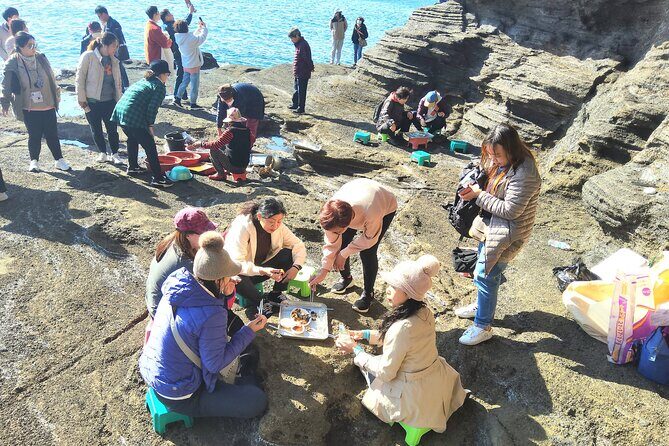
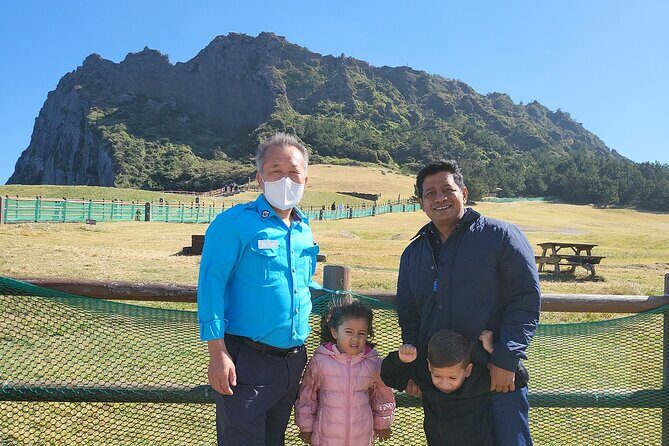
This is the headliner: Seongsan Ilchulbong Peak, a World Natural Heritage (UNESCO) site. The schedule typically gives you about 50 minutes, and the climb is described as roughly one hour round trip.
The key is pacing. You’re climbing a volcanic peak that rises sharply, and that means you’ll feel it more than you expect. But with a private schedule, you can keep your rhythm—slow stops for photos, a steady breathing pace, and time to enjoy the view without rushing.
Why it’s worth your energy: the crater shape and the way the landscape opens around it make the island look bigger than it does from the road. This is one of those places where the walk feels like part of the attraction, not just a ticket to the top.
And yes, check the Monday rule: this stop is closed every Monday, so plan around that if you can.
Haenyeo Museum: seeing the sea women’s world up close
Next you’ll visit the Jeju Haenyeo Museum, located in Sehwa-ri (in Gujwa-eup). It’s built to show ocean and fishing village themes, plus folklore connected to haenyeo life.
You’ll get about 40 minutes, with admission included. This is a slower, indoor-focused stop compared to the outdoor viewpoints. If you want your Jeju day to feel more human—more about people than rocks—this is the place.
Why it matters: volcanoes created the land, but the ocean shaped daily work. The museum helps you connect what you’re seeing with how locals earned a living and built community around sea seasons.
As with the UNESCO stop, the Haenyeo Museum is closed every Monday, so your plan should account for that.
Seongeup Folk Village: traditional thatched houses and older Jeju life
Then you’ll head to Seongeup Folk Village, a long-running living-history area where people lived in traditional thatched houses.
You’ll usually have about 40 minutes, entrance included. This stop is where the trip shifts from views to lived culture. The village is described as having been a center of Jeju in the past, and it’s associated with historical animal transport to the king—an example of how the island’s life was tied to larger systems.
What you’ll likely enjoy: walking through the village layout and seeing how the homes relate to the landscape. Even if you don’t read every label, the visual contrast with modern Jeju sticks with you.
If you’re traveling with someone who likes history, this is a good “balance” stop after the stronger physical effort of the crater and the peak.
Hamdeok Beach: short coastal time on Jeju’s lighter side
After village life, you’ll get a breather at Hamdeok Beach. It’s tied to Jeju Olle Course 19, and it’s described as having an emerald jewel look.
Your time here is about 20 minutes, and it’s free. This is not a long beach day. It’s a viewpoint-and-walk-and-breathe stop.
The value: it breaks up the schedule with something gentle. If you’ve been climbing and walking for hours, a short ocean reset helps you feel human again before you head to the forest trail.
Saryeoni Forest Path: a volcanic cone walk without the heavy hike
Next is Saryeoni Forest Path, a walking trail that starts from Bijarim-ro and goes through Mulchat Oreum Volcanic Cone and Saryeoni Oreum Volcanic Cone.
You’ll have about 40 minutes, and it’s free. This stop feels like Jeju’s “middle gear”: you get nature and walking, but it’s not framed as an extreme trek.
Why I think it works in this itinerary: it adds a different texture to the day. You’ve had volcanic rock shapes and coastal water views. Now you get greenery and forest path atmosphere tied to volcanic landforms.
The full-day flow: how to not feel rushed
This tour is designed to cover a lot, so the key is how you handle the transitions.
Here’s a practical way to think about it:
- Use the outdoor stops (crater, coast, peak) for your big photos, then
- Let the museum and folk village serve as your slower breaks, and
- Keep your snack and water situation ready, since lunch and drinks aren’t included.
Because lunch isn’t included, you’ll want to plan around that. If you’re picky about timing, consider having a light meal before the tour starts or ask where you’ll realistically be able to eat during breaks.
What’s included vs not included (so you’re not surprised)
Included items you’ll feel during the day:
- Insurance included
- Pickup and drop-off from your Jeju location
- Air-conditioned vehicle (regular taxi, jumbo taxi, mini-van, or mini-bus)
- Fuel and parking fees included
- Admission fees included for natural tourist attractions
- Basic English / Basic Chinese / speaking driver
- Mobile ticket
Not included:
- Lunch
- Personal expenses
- Food and drinks
- Gratuities are recommended but not required
One more practical detail: admission is included for natural attractions, but the plan still gives you time allocations per stop. That’s good because it prevents you from losing time “trying to figure it out” on-site.
Who this tour is best for
This is a strong fit if:
- You want a private day without dealing with driving logistics
- You want UNESCO and local culture in one route
- You’re short on time and still want multiple East Jeju highlights
- You care about comfort and smooth pacing more than “independent adventure”
It may be less ideal if:
- You want to spend long hours at beaches or insist on deep, long museum study time
- Your travel date is Monday and your top goals are the UNESCO peak and the Haenyeo Museum (since closures require changes)
Should you book this East Jeju private day tour?
Book it if you want a well-organized East Jeju day that hits the major sights with minimal stress. The combination of private transport, included admissions for key natural stops, and the chance to see both volcanic landmarks and people-centered culture makes it a solid value for the money.
Skip or reconsider if your schedule is locked to a Monday and those closed stops are non-negotiable. Also, if you’re expecting detailed expert commentary all day, confirm the level of English support you’ll receive, since basic communication needs can vary.
If you’re the type who wants to see Jeju’s best without spending your day fighting logistics, this one is a strong choice.
FAQ
How long is the East of Jeju private day tour?
It runs about 8 to 9 hours (approx.).
How much does the tour cost?
The price is $160.00 per person.
Is pickup offered?
Yes. Pick-up and drop-off services are offered from your location in Jeju.
Is this tour private?
Yes. It’s a private tour/activity, so only your group participates.
What tickets or admissions are included?
Admission fees are included for natural tourist attractions. (Lunch is not included.)
Does the tour include a mobile ticket?
Yes, it includes a mobile ticket.
What stops are included on the route from Seogwipo or Gangjeong Cruise?
This option includes Oedolgae, Jeongbang waterfall, Gwangchigi Beach, Seongsan Ilchulbong, and Seongeup Folk Village.
Which attractions are closed on Mondays?
Seongsan Ilchulbong Peak and the Haenyeo Museum are closed every Monday, and the itinerary adjusts with other locations being closed instead (including Sangumburi).
What vehicle do you use?
The tour uses a regular taxi, jumbo taxi, mini-van, or mini-bus (air-conditioned). The choice depends on the booking.
Is lunch included?
No. Lunch and personal food/drinks expenses are not included.
What is the cancellation policy?
You can cancel for a full refund up to 24 hours in advance. If you cancel within 24 hours, the amount paid is not refunded.