REVIEW · JEJU
jeju island Jumbo taxi Private tour with Mr.Hong East of jeju
Book on Viator →Operated by Jeju Taxi Tour Namyang Travel · Bookable on Viator
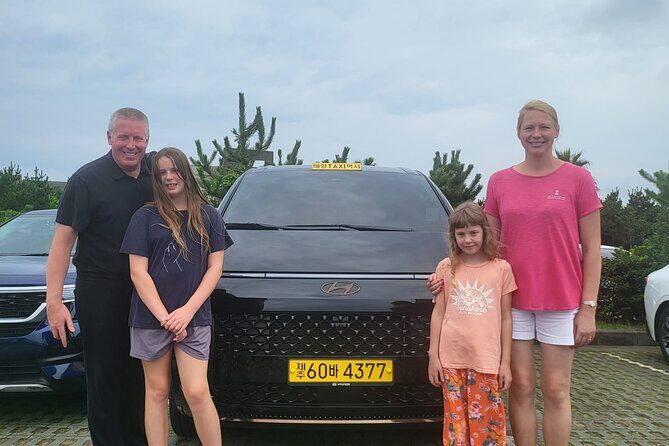
One driver, seven stops, zero guesswork. This private Jeju day tour runs by jumbo taxi (or minivan/standard taxi depending on group size) and is built around volcanic landmarks plus a few culture and food experiences that feel properly local. If you book Mr. Hong East of Jeju, you’re getting a guide who knows how to pace a day so it doesn’t turn into a sprint.
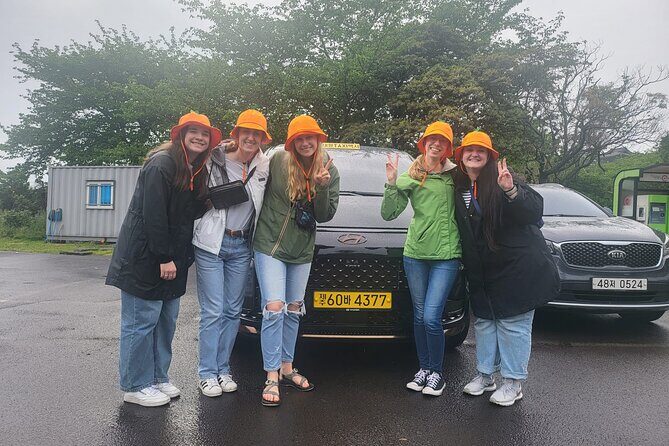
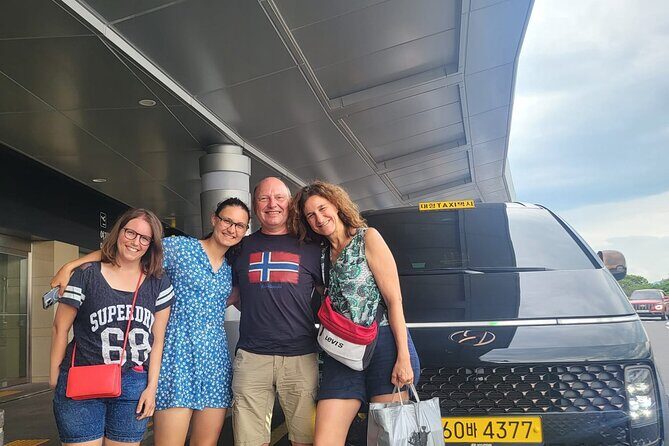
I especially like two things here: the guide attention (including families) and the way the schedule stays flexible at each stop. Mr. Hong, and sometimes a fill-in driver like Mr. Kang, has a reputation for being kind, upbeat, and patient—useful if you’re traveling with kids or an elderly parent who needs extra breaks. The other big win is that when Jeju weather turns, the driver can swap in indoor options like an aquarium and even offer 10%–15% admission discounts.
One consideration: you’ll still pay for some admissions (notably Seongsan Ilchulbong), and lunch isn’t included. So budget time and cash for eating on your own, and you’ll be fine.
In This Review
- Key highlights that matter on the ground
- A private jumbo taxi day that feels easy to manage
- Seongsan Ilchulbong: the volcanic cone you’ll understand fast
- Jeju Stone Park: volcanic rocks as a learning stop, not a lecture
- Seongeup Folk Village and Woljeongri Beach: culture plus a real break
- Sangumburi Crater and Gwangchigi Beach: quiet views without the crowds push
- Haenyeo culture and winter tangerine picking: the human side of Jeju
- Aquarium and other indoor options when Jeju turns rainy
- Price and value: when $320 per group is a smart move
- Timing, pacing, and what to pack for a comfortable day
- Should you book Mr. Hong’s Jeju Jumbo Taxi tour?
- FAQ
- What’s included in the tour price?
- How long is the tour?
- Are entrance fees included?
- Does the tour include lunch?
- What if the weather is bad?
- If Mr. Hong isn’t available, who drives?
Key highlights that matter on the ground
- Private pickup and drop-off across Jeju so you don’t fight buses or taxis all day
- Jumbo taxi comfort for up to 4 with fuel and parking covered in the price
- Volcanic-focus itinerary: Seongsan Ilchulbong, Jeju Stone Park, and Sangumburi Crater
- Culture stops with easy pacing like Seongeup Folk Village and short coastal breaks
- Winter extras like Jeju tangerine picking and learning about haenyeo culture
- Bad-weather flexibility with aquarium/submarine/rail-bike style options and discounts
A private jumbo taxi day that feels easy to manage
Jeju is big, and “one day” plans often fall apart when you’re switching between buses, ferries, and rental cars. This tour cuts that stress by using private transport with pickup and drop-off from where you’re staying on Jeju Island. Fuel and parking are included, so the bill doesn’t jump mid-day.
The other practical advantage is group size: it’s priced per group up to 4 people. That means you get a real private experience without paying the kind of “everyone hires their own driver forever” cost. The experience length is listed as about 6–8 hours, with a basic 8 hours that includes travel time and time inside stops—so it’s built as a full day, not a quick hit.
One more point worth noting: Mr. Hong is not always the assigned driver. The service says Mr. Hong is booked, and you’ll be assigned another friendly driver if needed. In other words, you’re not stuck with a random car-and-go. In at least one instance, Mr. Kang filled in and did a good job with patience, even if English was harder to follow.
You can also read our reviews of more private tours in Jeju
Seongsan Ilchulbong: the volcanic cone you’ll understand fast
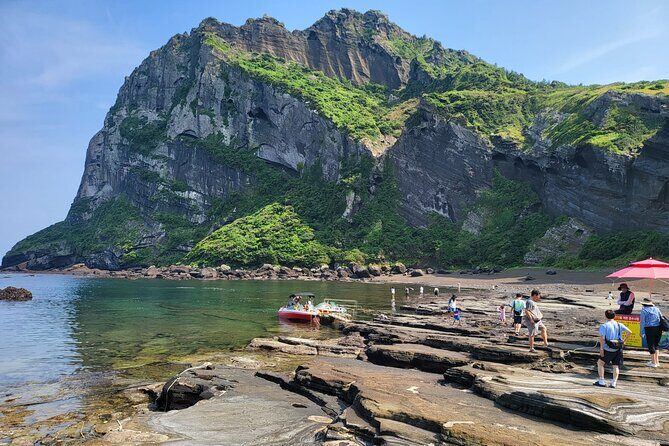
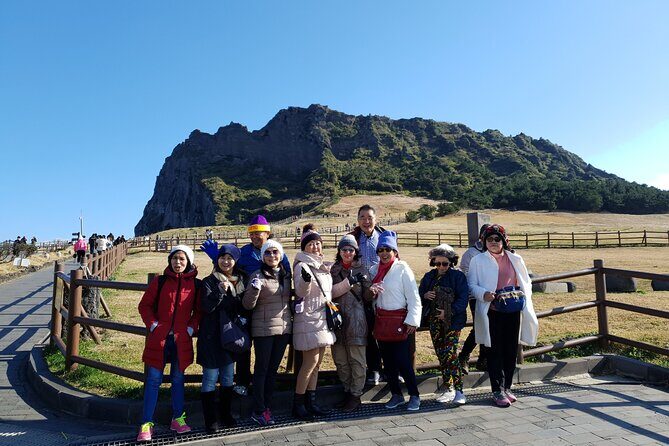
Your day starts at Seongsan Ilchulbong, the tuff cone landmark on Jeju. It was formed about 5,000 years ago from a volcanic eruption on the ocean floor, and it’s famous enough to earn UNESCO status. Expect about 1 hour here, but the real value is how quickly the landscape starts making sense once you see the cone and get the explanation.
You should also plan for the ticket. The tour includes transport, but Seongsan Ilchulbong admission is not included and is listed as about $15.00 per person. If you’re comparing tours, don’t just compare the sticker price—add this ticket to the math so you’re comparing real totals.
Why I like this stop early: the best views and photos tend to work best when you’re fresh, not running on leftover energy after multiple hours of driving. And since this is one of Jeju’s most iconic sights, putting it first also gives you something concrete to anchor the rest of the day’s volcanic themes.
Jeju Stone Park: volcanic rocks as a learning stop, not a lecture
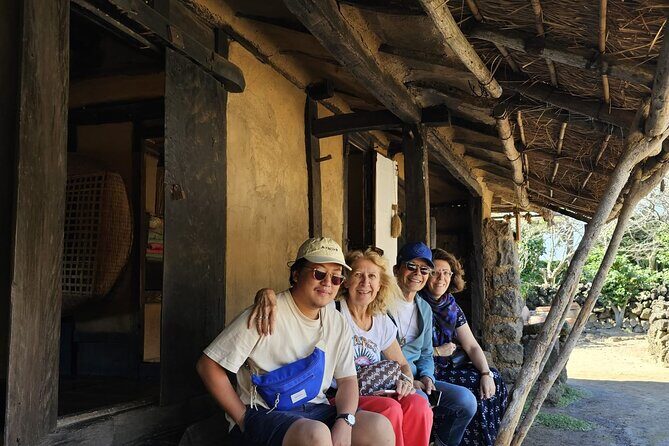
Next up is Jeju Stone Park, a place built around rock culture and the island’s volcanic story. You’ll spend about 2 hours, which is a good amount of time for learning without getting stuck in one long indoor session.
Jeju often gets described as a volcanic island, but it helps to see the pieces—literally. The park focuses on volcanic stones and connects that to Jeju identity, including mentions of Sulmundae and rock-culture relics. Even if you don’t remember every detail later, you’ll walk away with a clearer idea of why Jeju looks the way it does.
A practical tip: wear comfortable shoes. Even when the schedule feels relaxed, places like this can involve a bit of walking and standing for viewpoints or exhibits. If your group has older travelers, the private format helps: you can slow down without worrying about holding up a bus.
Seongeup Folk Village and Woljeongri Beach: culture plus a real break
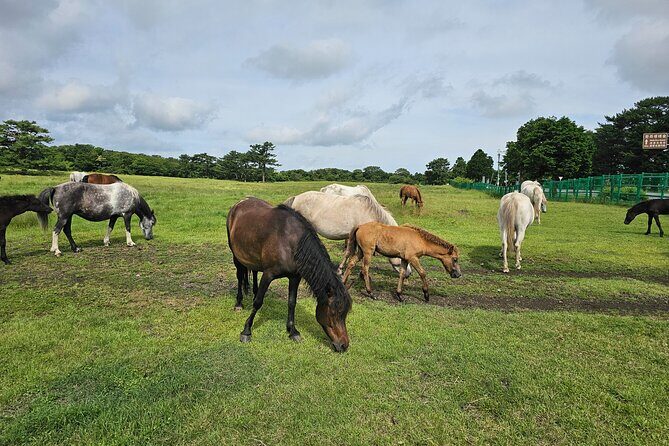
After the geology, the tour moves into Seongeup Folk Village for about 50 minutes. This is a living village area preserved as an Important Folklore Cultural Heritage site. The time slot is tight enough to keep it enjoyable, but long enough to feel the difference between a museum and a place that shows everyday life patterns.
Admission here is free, so it’s a low-cost way to add cultural depth to a day that could otherwise be all crater-and-coast. The benefit of doing it mid-tour is mental: after rocks, you get people and traditions back into the picture.
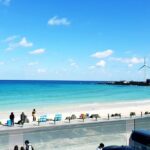
Then comes Woljeongri Beach for about 1 hour, with free entry. This stretch is known for white sand and emerald-looking water, plus a road lined with tea houses and coffee shops. In other words: it’s a good place to pause, snack if you brought it or want to buy something nearby, and let the day breathe.
One small reality check: “beach time” can feel weather-dependent on Jeju. If it’s windy or rainy, you’ll still get the scenery from what you can see, but plan to be flexible. The private guide style helps here too—if you need shorter time outdoors, you can adjust.
Sangumburi Crater and Gwangchigi Beach: quiet views without the crowds push
Next is Sangumburi Crater for about 1 hour. This crater is different from many parasitic cones on Jeju because it’s not formed the same way—it’s described as a maar-type crater, rather than material stacking from an eruption style that builds a cone. If Seongsan Ilchulbong was your “big icon,” Sangumburi feels like the more thoughtful cousin: still impressive, but easier to appreciate without feeling rushed.
After that, you’ll stop at Gwangchigi Beach for about 30 minutes, also free. The coast here is known for pristine views, and on clear days you can see Seongsan Sunrise Peak in the distance. Since that peak is part of Jeju’s UNESCO natural heritage, it’s a nice reminder that you’re not just driving around—every view is connected to the island’s volcanic and coastal story.
This portion of the itinerary is a good example of why private touring works: shorter stops where you can enjoy the scenery, then move on. It avoids the all-day “walk to every viewpoint, every time” trap.

Haenyeo culture and winter tangerine picking: the human side of Jeju
Two parts of this tour change with season, which is one reason it stays interesting instead of feeling like a fixed checklist.
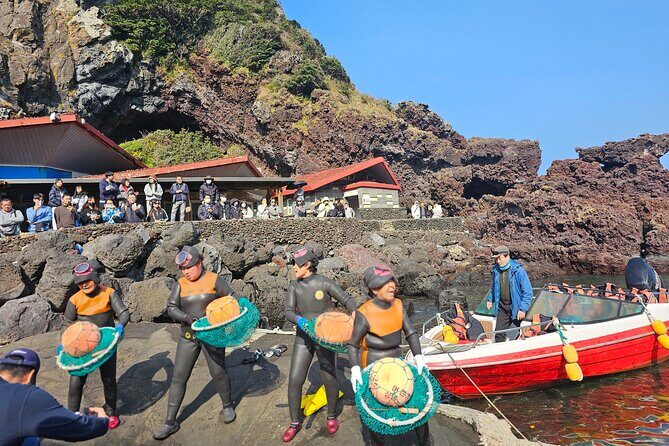
One is haenyeo culture. The tour includes time to connect with the idea of Jeju’s women divers and their community, described as strong pillars of Jeju residents and a merit-based tradition. You’ll spend time at a haenyeo-related stop, and it’s the kind of experience that makes Jeju feel like more than scenery.
The other seasonal highlight is Jeju tangerine picking in winter. In the colder months, Jeju tangerines are at their peak sweet-sour flavor. The tour includes the chance to pick them yourself and eat them as much as you want during the experience.
This is where the private guide earns its keep. In winter, weather shifts fast on Jeju, and the tour’s structure allows the guide to adjust what you do outside. If you’re visiting in winter, I’d treat the tangerine picking as a top priority. You’ll remember it because it’s hands-on, not passive.
Aquarium and other indoor options when Jeju turns rainy
Jeju weather can be unpredictable, and this tour explicitly accounts for that. If it’s bad weather, the plan includes an indoor option like an aquarium. If you want more variety, the driver guide can provide 10%–15% discounts for admission when you choose additional options such as aquariums, submarines, or rail-bike style activities.
That discount piece matters. It’s a small but real way to offset the fact that some admissions aren’t included in the base price. It also gives you control. You can keep the volcanic and coastal theme when conditions allow, and switch to indoor experiences when conditions don’t.
My advice: don’t treat the weather-swap as a fallback plan you only use when you’re stuck. Treat it as part of your strategy. If the forecast looks shaky, decide ahead of time which indoor option you’d rather trade in—aquarium, submarine-related attraction, or a rail-bike experience—so you’re not making the decision with everyone in the car staring out the window.
Price and value: when $320 per group is a smart move
The price is $320.00 per group for up to 4 people. On paper, it can look pricey if you’re used to budget travel. In practice, it can be good value because key costs are bundled in: fuel and parking, private pickup/drop-off, and insurance.
Here’s the practical math you should do: compare this to what you’d spend on (1) multiple taxis across Jeju and (2) admission fees for the specific sites you care about. Even a couple taxis can eat up the difference fast, especially if you’re moving around East Jeju.
Do remember what’s not included. Lunch and personal expenses are on you, and entrance fees for sites like Seongsan Ilchulbong are additional. Gratuities are recommended but not compulsory.
If you’re traveling as a pair, it can still work well. Think of it as paying for comfort and time—especially if you want to avoid the mental load of planning driving routes, parking, and transit times.
One extra value point: this tour is designed as a basic 8-hour day, which reduces the chance you’ll feel like you rushed everything. A private guide can also help you get the timing right for each stop, rather than forcing the pace of a bus tour.
Timing, pacing, and what to pack for a comfortable day
The itinerary is built around stops that range from about 30 minutes to 2 hours, with most of the day anchored by major landmarks. That means you’ll have a balance of viewpoints, learning time, and short breaks.
Because lunch isn’t included, plan for eating breaks. You’ll likely want to carry water, and you’ll want snacks available in case you get hungry between stops. Jeju can also run hot or cool depending on season, so dress in layers.
Footwear matters more than you think. Even the “light” stops can involve uneven surfaces or walking between viewpoints. With a private tour, you can move at a pace that suits your group, but you still need shoes you can trust.
If someone in your group is sensitive to long drives or needs extra stops, this format helps. Private means your guide can adjust without the pressure of other passengers.
Should you book Mr. Hong’s Jeju Jumbo Taxi tour?
If you want Jeju’s volcanic highlights plus culture and a seasonal food moment, this is a strong match. I’d especially recommend it if:
- you’re traveling with up to 4 people and want a single plan that covers East Jeju without transit hassle
- you value an attentive guide, like Mr. Hong (and you’re okay with a friendly backup driver if assigned)
- you’re visiting in winter and want tangerine picking and a haenyeo culture angle
- you’d prefer private pacing over rushing between landmarks
Skip it if you’re the kind of traveler who loves DIY driving and doesn’t care about paying extra for convenience. Also, if you hate paying add-on admissions, you’ll need to budget the extra ticket(s), especially Seongsan Ilchulbong.
For most people, the decision comes down to this: do you want your day to feel controlled and human, or do you want to manage everything yourself? This tour leans hard toward the first option.
FAQ
What’s included in the tour price?
Pickup and drop-off from your location on Jeju Island, insurance, and transportation (regular taxi, jumbo taxi, or minivan) with fuel and parking fees covered. You also get a mobile ticket.
How long is the tour?
The duration is listed as about 6 to 8 hours, with a basic 8 hours including travel time and time at each stop.
Are entrance fees included?
No. Entrance fees are not included, including Seongsan Ilchulbong, which is listed at $15.00 per person. Some other stops are free, like Seongeup Folk Village, Woljeongri Beach, and Gwangchigi Beach.
Does the tour include lunch?
No. Lunch, personal expenses, and food and drinks are not included.
What if the weather is bad?
The itinerary includes an indoor option during bad weather, such as an aquarium. The driver guide can also provide 10%–15% discounts for admission if you choose other options like submarines or rail bikes.
If Mr. Hong isn’t available, who drives?
Mr. Hong is already booked, so you’ll be assigned another friendly driver. The tour information specifically notes that a substitute driver may be provided.