REVIEW · JEJU
Jeju: Mt. Hallasan Hike and UNESCO Sites Day Tour
Book on GetYourGuide →Operated by CORE TRAVEL · Bookable on GetYourGuide
One day here can feel like several trips in one. You get a small-group circuit through UNESCO places, plus an easy Mt. Hallasan hike that doesn’t swallow your whole day. I also like that the tour stays tightly run: pickup, transport, guided stops, lunch, tea time, and entrance fees all come as one package. One thing to keep in mind is that the Hallasan hiking time is short, so it won’t satisfy people who want a long, summit-style trek.
You’ll also see how much the guide quality affects the day. In Jeju City, guides like Jin and Henry are praised for clear pacing and strong English, and Soraya is noted for practical Jeju tips and even grabbing tangerines for the group to taste. The tradeoff: if weather or trail access is bad, the plan can shift, and you’ll get replacements instead of exactly the same hike route.
In This Review
- Key Highlights You’ll Actually Feel During the Day
- How the Jeju-si Pickup Sets the Tone for Your Day
- Mt. Hallasan on the Eoseungsaengak Trail: Easy Effort, Real Elevation
- Jusangjeolli Cliff: Volcanic Geometry Over the Sea
- Yakcheonsa Temple: A Place Named for Water
- Cheonjiyeon Falls: The Waterfall That Looks Like It Falls From Heaven
- Iд레국수 Lunch and How It Keeps the Day Moving
- Seogwi Dawon Green Tea Fields and Tea Tasting
- Small-Group Guides and English-Only Focus: Why It Feels VIP
- Value for $100: What’s Included and What You Don’t Have to Think About
- Weather Changes and Trail Access: The Real-Life Part
- Is This the Right Fit for You?
- Should You Book This Jeju Day Tour?
- FAQ
- How long is the Jeju Mt. Hallasan and UNESCO sites day tour?
- What are the pickup times, and where does pickup happen?
- What if my hotel is outside Jeju downtown?
- How long is the Mt. Hallasan hike, and what trail is used?
- What does the tour include for food and drink?
- Which UNESCO-style sites do you visit in the day?
- What should I bring for the tour?
- What happens if weather or roads are unsafe?
Key Highlights You’ll Actually Feel During the Day
- Small-group vibe (up to 15 people) means less waiting and more time for questions.
- English-only experience keeps the group focused, so you don’t feel split between languages.
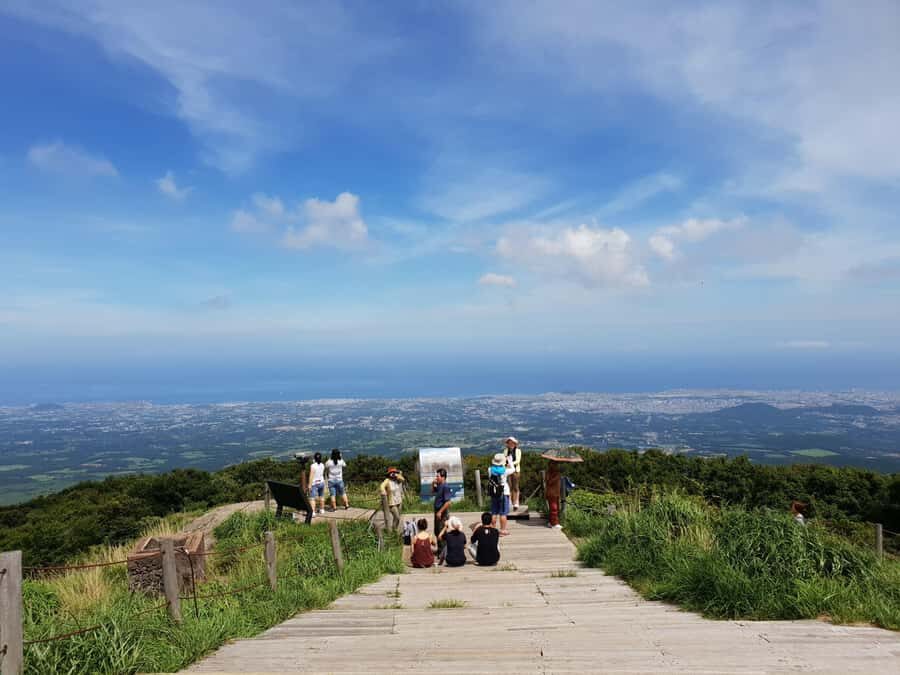
- Mt. Hallasan Eoseungsaengak Trail (1 hour) hits altitude fast without turning the day into an all-day slog.
- Jusangjeolli Cliff polygonal rock view gives you a volcanic “how is this real?” moment.
- Tea time includes pure green tea and yellow tea, not just a drink to hold you over.
How the Jeju-si Pickup Sets the Tone for Your Day
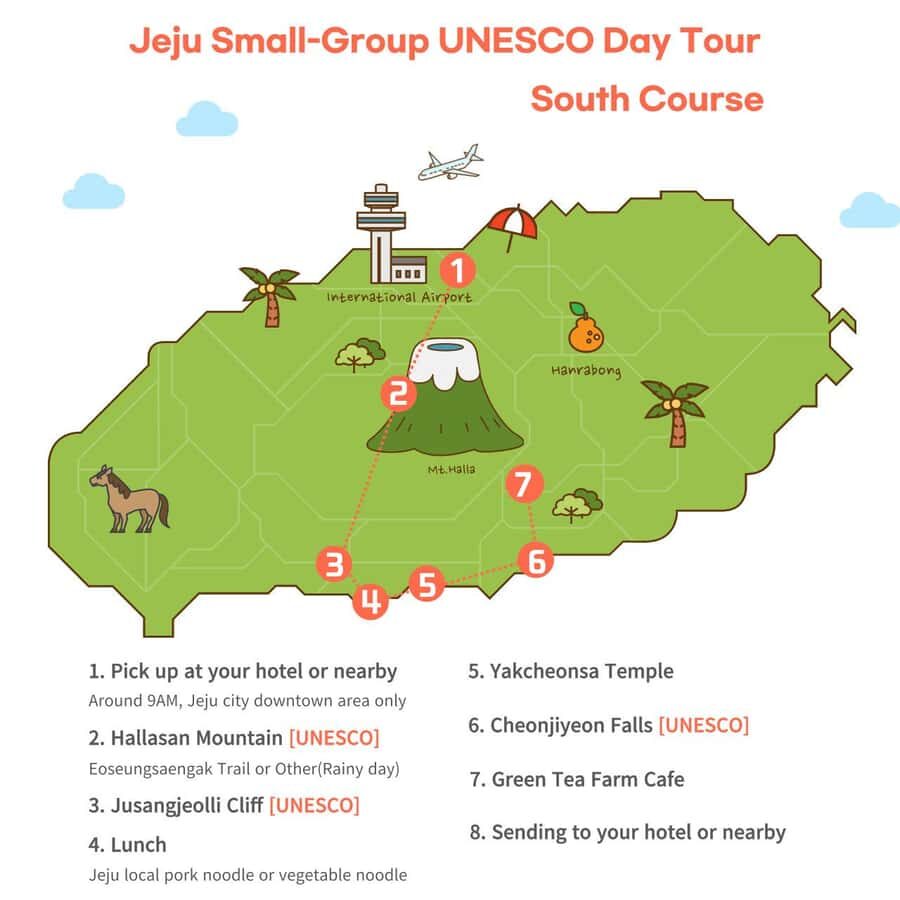
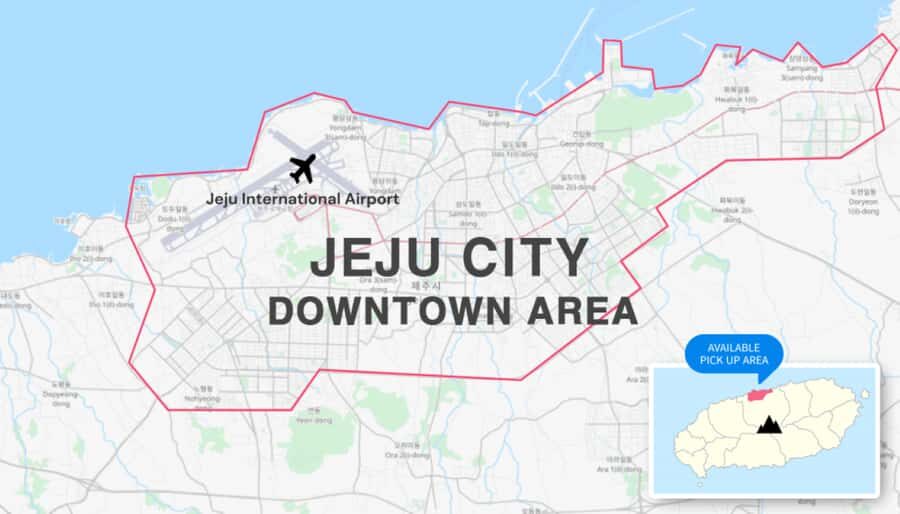
This tour is built around convenience in Jeju-si. You get hotel or nearby pickup, but only if you’re within Jeju City downtown area. If your hotel is outside that zone, you’ll need to head to the nearest meeting point in town. The pickup window runs between 8:30 AM and 9:00 AM, and the exact time is shared the evening before (after 5:00 PM).
That matters more than it sounds. If you’ve ever spent your morning wrangling buses and paying separate fares, the value of a planned loop is obvious. With this setup, you start walking and sightseeing earlier, not later, and you don’t waste brainpower arguing with schedules when you’d rather be paying attention to what you’re seeing.
The return ride is also planned. You’ll finish around 5:00 PM and be brought back to Jeju-si, so you’re not ending the day stranded at a random roadside.
You can also read our reviews of more hiking tours in Jeju

Mt. Hallasan on the Eoseungsaengak Trail: Easy Effort, Real Elevation
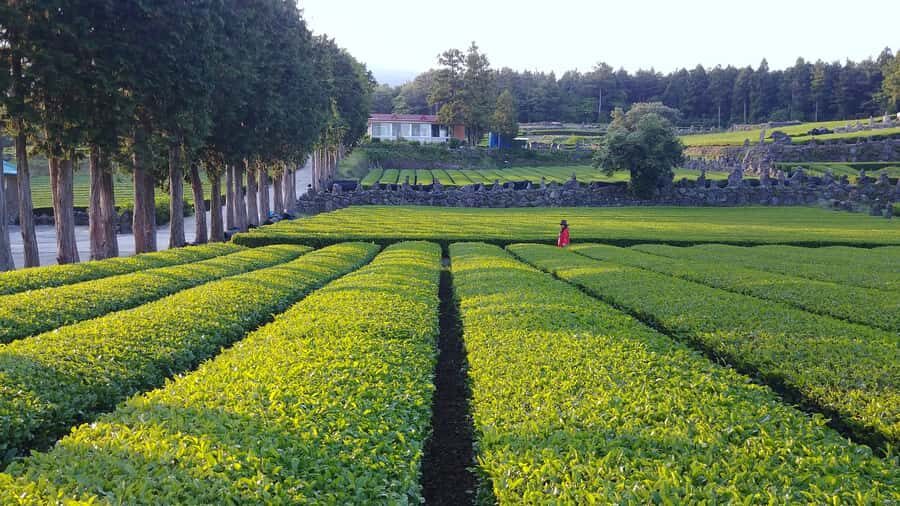
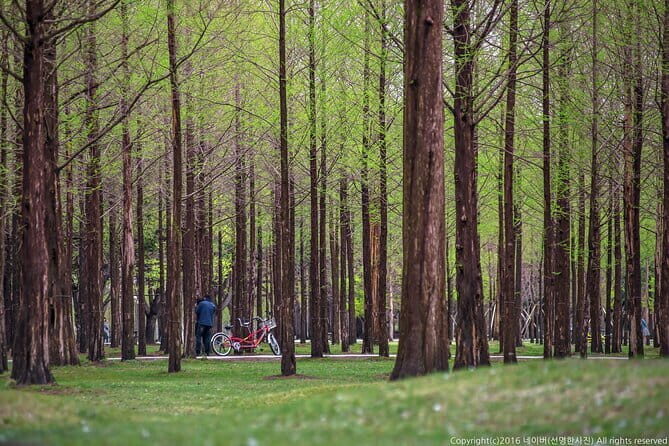
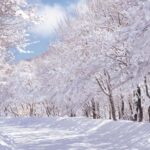
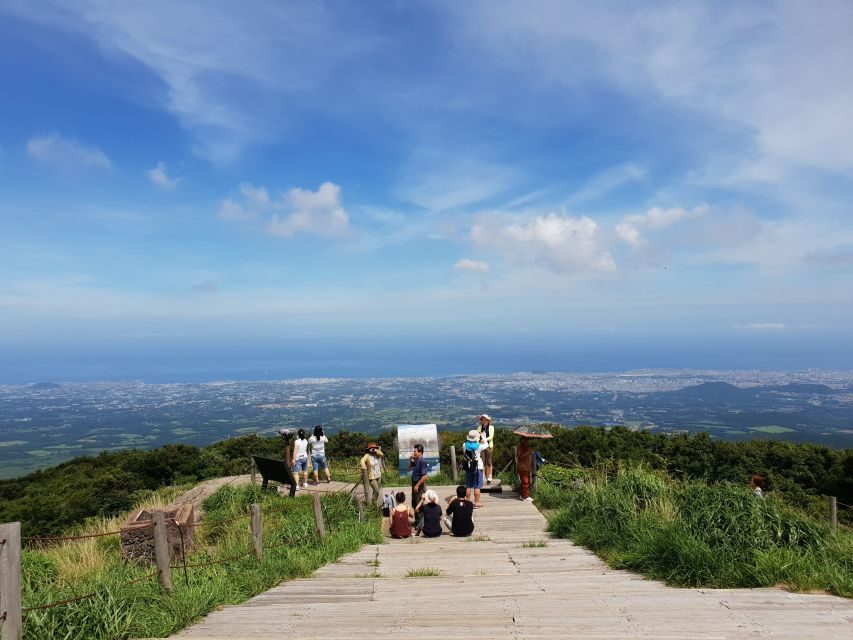
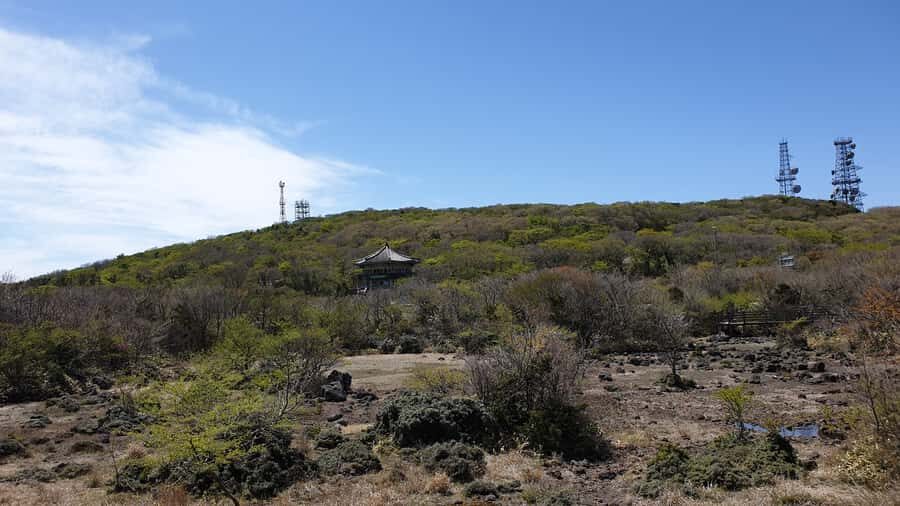
Mt. Hallasan is the big draw, and this tour treats it like a focused experience instead of a marathon. You hike for about 1 hour along the Eoseungsaengak Trail (around 1.3 km) and reach about 1,169 m elevation.
For you, that means two good things at once. You still get the mountain feel—cooler air, a steeper sense of height, and views that open up when the weather cooperates. But you also keep the rest of the day for Jeju’s other UNESCO spots, which is the whole point of a day tour here.
A quick note on effort level: you’ll want comfortable shoes and clothes ready for mountain conditions. Even if the hike is short, the terrain is still real trail hiking, not a stroll on a sidewalk. If it helps you plan, this is exactly the kind of pace that fits people who want nature time without sacrificing temples, cliffs, and waterfalls.
One practical consideration: the route can change. If the road is closed due to heavy rain, heavy snow, or icy conditions, hiking may be replaced with visits such as Mountain Songak, Saebyul Oreum, or other indoor options. And on some days the specific trail segment may be closed for maintenance—so keep your expectations flexible.
Jusangjeolli Cliff: Volcanic Geometry Over the Sea
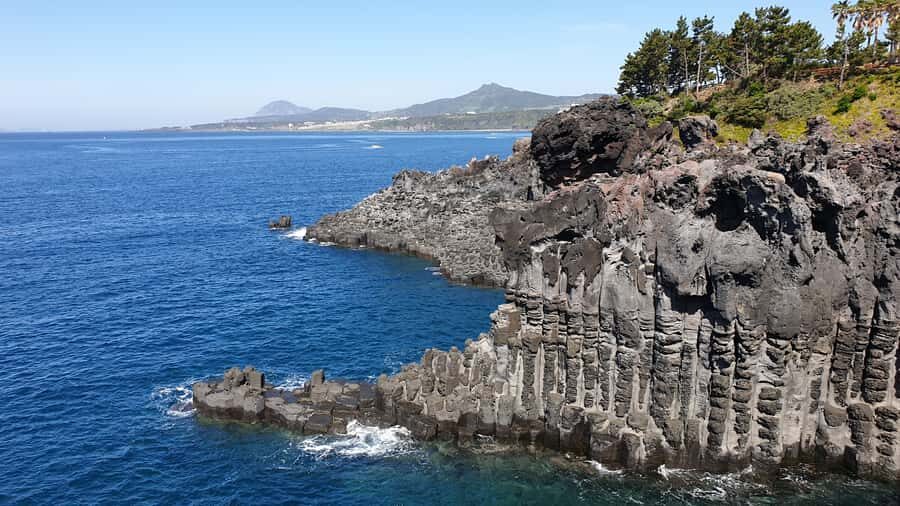
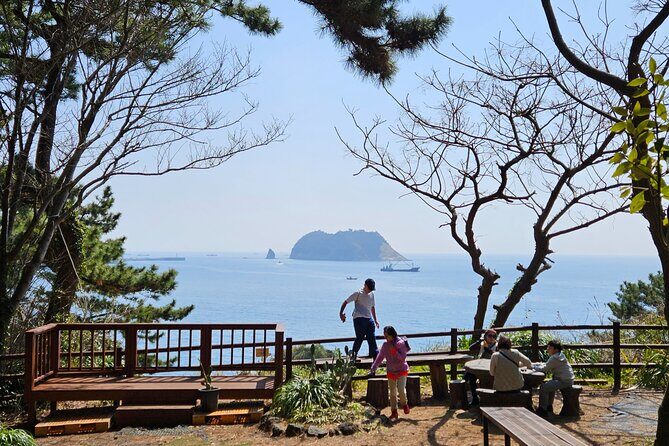
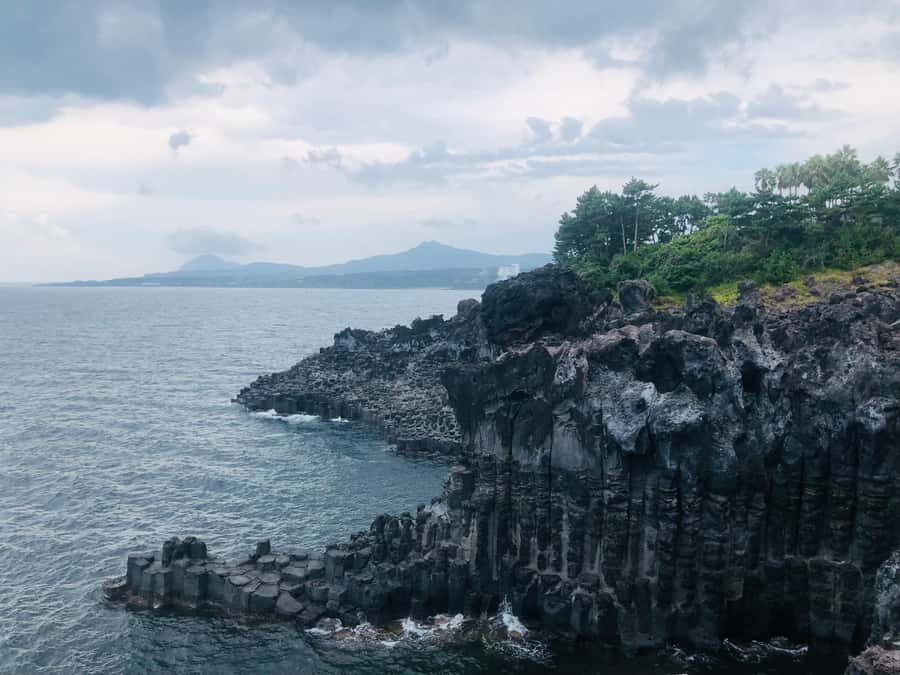
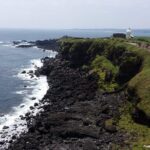
After the mountain, you switch from breathing altitude air to taking in a coastal view—fast. Jusangjeolli Cliff is famous for polygonal basalt columns, the kind of volcanic rock pattern that makes your brain try to count the shapes. This is the moment where Jeju’s “made by volcanoes” story becomes visible.
You’ll spend around 30 minutes here with guidance and time to walk around for viewpoints. The best part is that it’s not just a quick stop. It’s long enough to notice the rock formations and settle into the sea view rather than rushing past the main idea.
Also, this is a good stop for photos and for just standing there. The guide’s job is to point out what you’re looking at, not just tell you the name of the place. When the weather is clear, the cliff view hits harder, because you can actually see the ocean space and not just a gray line on the horizon.
Yakcheonsa Temple: A Place Named for Water
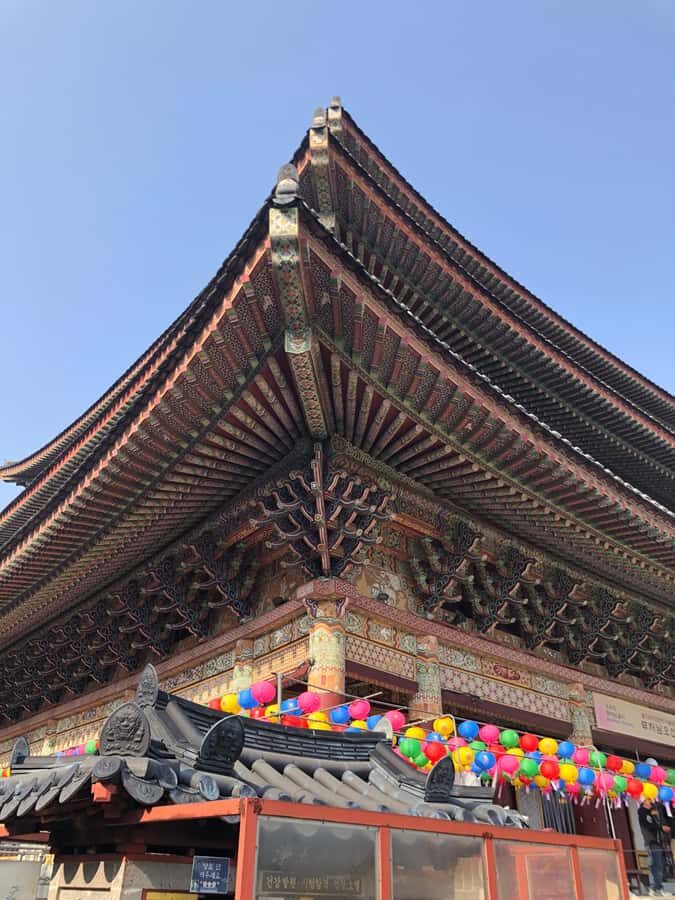
Next up is Yakcheonsa Temple, a stop with a quieter mood than the cliffs. The name Yakcheonsa is tied to the temple’s natural medicinal spring water. You’ll get guided explanation plus time to walk around and see the temple environment up close.
This stop works well in the itinerary because it balances the day. You go from mountain to sea rocks to a temple setting, so your senses keep resetting. It also gives you a chance to slow down—temper your hiking fatigue, stretch your legs, and shift from scenic viewing to cultural viewing.
Time here is around 30 minutes, so don’t expect a long temple immersion. Instead, think of it as getting the meaning and atmosphere without turning the schedule into a half-day detour.
Cheonjiyeon Falls: The Waterfall That Looks Like It Falls From Heaven
If Jeju has a “storybook” waterfall, Cheonjiyeon Falls is it. The falls are an official natural monument of Korea, and the name comes from how the water appears to come from heaven.
You’ll spend about 35 minutes for a guided visit and walking time. This is enough time to take in the main view and follow the flow where the viewing points let you. And because it’s a guided stop, you’re not left wondering what the name means or why this waterfall is treated as special.
The practical angle: waterfalls can look very different with weather and seasonal rainfall. The tour’s value is that you’re seeing a named, designated site, with time to actually take it in rather than a rushed photo stop.
Iд레국수 Lunch and How It Keeps the Day Moving
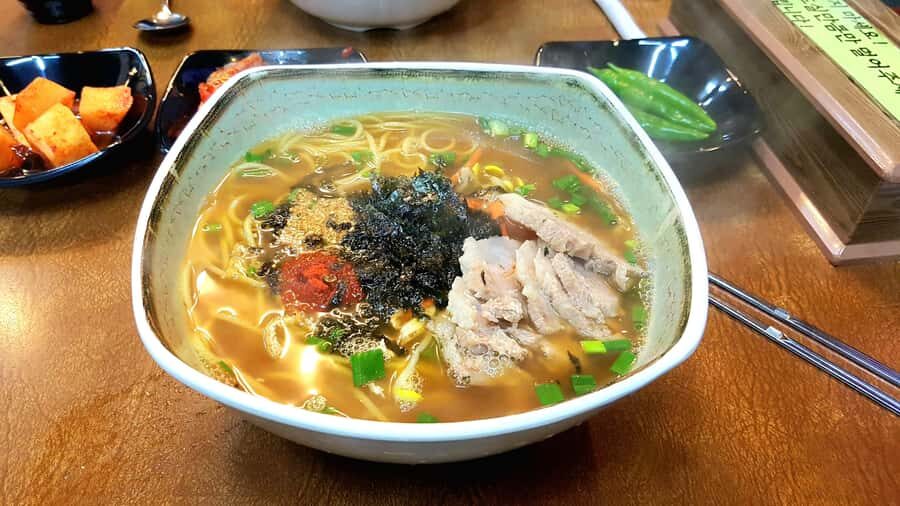
Lunch is scheduled at 이드레국수 with about 40 minutes for the meal. The tour includes a traditional Jeju lunch or a vegetarian meal option, so you’re not stuck searching for food options after a hike and before more sightseeing.
Jeju food is part of what makes the day feel real, not just scenic. The tour is built around Jeju-style meals and includes mention of black pork, along with vegetarian dishes. Even if you don’t eat pork, the vegetarian option means the day stays smooth.
For your comfort and pace, this lunch slot is well-timed. It’s long enough to eat without rushing, but not long enough to drag the whole afternoon down. When you’re on a tight day schedule, that balance matters.
Seogwi Dawon Green Tea Fields and Tea Tasting
The final stop is the green tea area at Seogwi Dawon. You’ll spend around 40 minutes for tea, a guided visit, and time for sightseeing, including tea ceremony style tea time.
What you’ll drink is specifically pure green tea and yellow tea. That’s a meaningful detail because it’s not just a generic cup of tea to be polite. It’s part of the Jeju “slow down and breathe” ending, where you get a smell of the tea countryside and a break from walking.
This is also a nice transition from the day’s main sights. After cliffs and waterfalls and temple steps, the green tea fields give your body a chance to recover while your brain processes what you saw.
Small-Group Guides and English-Only Focus: Why It Feels VIP
A lot of day tours in Jeju feel interchangeable. This one tries to reduce that problem by keeping it small—up to 15 people—and running a premium English-only format. That means English speakers aren’t mixed with Chinese customers, which can make a big difference if you’ve ever been stuck translating in your head while the guide switches languages.
Guide quality is repeatedly praised by name. Jin is described as informative and communicative, making people feel like true VIPs. Henry is noted as kind and careful with the schedule, with clear English and a strong focus on explaining Korean culture and customs. Soraya is highlighted for being attentive and friendly, plus sharing practical Jeju tips and even bringing tangerines for the group to sample.
The common thread: these guides don’t just list places. They help you understand what you’re looking at and how the day connects—volcano geology, cultural sites, and Jeju’s tea culture—so the tour feels like a coherent story rather than a checklist.
Value for $100: What’s Included and What You Don’t Have to Think About
At $100 per person for roughly 8 hours, the biggest question is value: what are you paying for beyond transport?
Here’s what’s included:
- pickup and drop-off within Jeju City downtown area
- a professional guide
- driver and van
- lunch (traditional Jeju or vegetarian)
- tea (pure green tea + yellow tea)
- all entrance fees
That “all-in” structure matters. You’re not making constant decisions about tickets or add-ons. You also avoid the usual stress of trying to fit multiple UNESCO sites into a single day with public transit timing.
Where value can feel subjective is the Hallasan hike. The tour gives you about one hour on the Eoseungsaengak Trail. One review notes that if you have extra time, you might consider researching a longer Hallasan hike on your own (8–9 hours round trip style). For this tour, the goal isn’t the summit life—it’s a compact highlight day. If that matches your travel style, the price tends to feel fair.
For people who want UNESCO sites plus a smooth day structure and zero ticket headache, this package is strong.
Weather Changes and Trail Access: The Real-Life Part
Jeju weather is moody, and mountain access can be finicky. This tour is upfront that the plan can change based on local circumstances like seasonal events, weather, and road conditions.
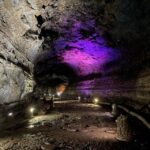
If the road is closed due to heavy rain, heavy snow, or icy roads, hiking may be replaced by visits such as Mountain Songak or Saebyul Oreum, or other indoor museums. That’s not ideal if you came specifically for the mountain walk, but it does protect the day from being canceled.
Even beyond weather, trail access can change. A note from experience: the planned Hallasan trail may sometimes be closed for maintenance, so you’ll get adjustments. The practical takeaway is simple: pack for walking, keep an open mind, and treat the tour as a highlights route that adapts.
Is This the Right Fit for You?
This tour fits best if you:
- want UNESCO-linked sights without driving yourself
- prefer small-group pacing (not a bus tour crowd)
- like guided context at each stop
- want an easy-to-moderate hike segment rather than a full-day summit push
- care about English-first guiding and not mixing languages
If you’re the kind of traveler who wants lots of free time at each location or a long, deep Hallasan trek, you might find the hiking time too short. And if you’re very sensitive to schedule changes, be aware that weather and road access can cause substitutions.
Should You Book This Jeju Day Tour?
I’d book it if you want a focused Jeju highlights day that feels organized and human-sized. The combination of Mt. Hallasan in a manageable hike window, UNESCO stops in a single loop, lunch and tea included, and an English-only small-group format makes it an efficient way to see a lot without turning your day into logistics.
Skip it (or plan your own route) if your heart is set on a long Hallasan hike or if you don’t want the possibility of trail replacements. Otherwise, this is the kind of itinerary that makes one day in Jeju feel like you really understood the island.
FAQ
How long is the Jeju Mt. Hallasan and UNESCO sites day tour?
It runs about 8 hours.
What are the pickup times, and where does pickup happen?
Pickup is available from hotels or nearby within Jeju City downtown area. The pickup time is given the day before, and it falls between 8:30 AM and 9:00 AM.
What if my hotel is outside Jeju downtown?
If your hotel is outside Jeju downtown area, you’ll be asked to come to the nearest meeting point within Jeju city.
How long is the Mt. Hallasan hike, and what trail is used?
The tour includes about a 1-hour hike on the Eoseungsaengak trail, around 1.3 km, reaching about 1,169 m elevation.
What does the tour include for food and drink?
Lunch is included (Jeju traditional meal or vegetarian meal), and there is tea time at the green tea cafe with pure green tea and yellow tea.
Which UNESCO-style sites do you visit in the day?
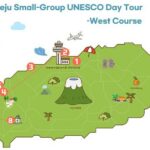
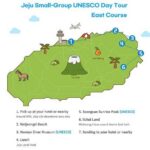
You visit Mt. Hallasan, Jusangjeolli Cliff, Yakcheonsa Temple, and Cheonjiyeon Falls, plus a green tea farm area.
What should I bring for the tour?
Wear comfortable shoes and suitable clothes for hiking during the Mt. Hallasan portion.
What happens if weather or roads are unsafe?
If roads close due to heavy rain, heavy snow, or icy conditions, hiking can be replaced by visiting Mountain Songak, Saebyul Oreum, or other indoor museums.