REVIEW · GANGWON
DMZ Tour for Sokcho Cruise Travelers in South Korea
Book on Viator →Operated by chan · Bookable on Viator
Border silence feels close.
This Sokcho cruise–friendly DMZ tour runs you along the East Coast instead of the crowded Seoul route, with a local English-speaking guide and a tight schedule that still includes the key DMZ viewpoints. You’ll start from Sokcho-si and head to the DMZ area in Gangwon-do, with pickup offered and a mobile ticket to keep things simple.
I love the focus on two “you can’t fake it” stops: the Goseong Unification Observatory for real DMZ-region views and the DMZ Museum for the story behind what you’re seeing. I also love how Chan runs the day with practical communication, including clear WhatsApp updates and careful timing for cruise passengers. One thing to consider: this experience is weather-dependent, and the day can get affected if conditions are poor, including heavy rain or high winds.
In This Review
- Key highlights you’ll feel on this DMZ day
- Sokcho DMZ instead of Seoul: the value of doing it from the coast
- Meet Chan: the guide factor that changes the day
- The ride and timing: comfort for a 6-hour border day
- Stop 1: Goseong Unification Observatory and the war exhibition
- Stop 2: DMZ Museum for the full context behind the border
- Stop 3: Hyeonnae-myeon and the taste of the former North territory
- Price and value: what $106.18 gets you (and what to watch for)
- Who this DMZ tour suits best (and who might want something else)
- Tips to make the most of your day (without overplanning)
- Should you book this Sokcho DMZ excursion?
- FAQ
- How long is the DMZ tour from Sokcho?
- Is pickup offered for this experience?
- What’s included in the ticket price?
- Do I need to use a mobile ticket?
- What happens if the weather is poor?
- Can I cancel for a full refund?
Key highlights you’ll feel on this DMZ day
- Chan’s cruise-friendly planning: clear meet-up guidance and calm, on-time handling when weather causes stress.
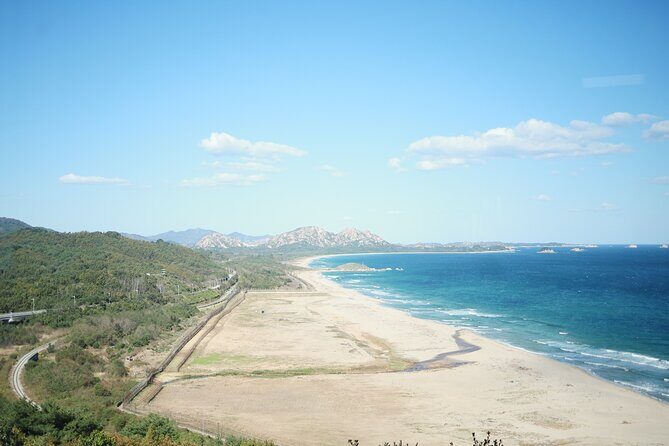
- Goseong Unification Observatory: a war-focused introduction followed by direct DMZ-region viewing.
- DMZ Museum: a full hour to connect history with what the border has shaped over time.
- Hyeonnae-myeon (North-style cuisine area): a chance to taste regional food linked to the former North territory.
- Small group size (max 30): easier questions and a more personal pace than big-bus tours.
- Comfort for a 6-hour outing: pickup and a roomy ride help when you’re going to sit and observe for long stretches.
Sokcho DMZ instead of Seoul: the value of doing it from the coast

If you’re in South Korea via a cruise stop in Sokcho, the DMZ can feel like a long, complicated detour. The big advantage here is the direction: you’re starting from the East Coast rather than trying to stitch together Seoul traffic, metro transfers, and long drives.
This is also the smarter “one-day” approach. You get a 6-hour experience that’s built around a short set of stops tied directly to seeing and understanding the DMZ. That matters because the DMZ day is not the kind of trip where you want to spend half your time figuring out directions. You want the ride, the viewpoints, and the explanations to line up cleanly.
Also, the location gives the day a different tone. The coast-to-border route gives you a sense of how far the peninsula’s tension reaches into everyday geography. It’s not just “history as a slideshow.” It’s history you can look at from a specific place.
Meet Chan: the guide factor that changes the day
The biggest reason this tour keeps scoring near-perfect marks is the human part. Chan is the guide, and he’s not just reciting facts. He’s managing the whole experience like someone who does this route often and cares about cruise timing.
A few practical things you’ll notice right away:
- Clear communication ahead of time, including WhatsApp-style coordination.
- Calm leadership if weather turns messy.
- Thoughtful answers when you ask questions, even if you’re asking on the fly during the stops.
There’s also a “small details” quality that shows up in how the day runs. On one cruise day, the ship arrived late due to wind, and Chan kept the mood steady and still delivered a meaningful tour. On another day with heavy rain, the plan shifted without the experience falling apart. That’s not a given on DMZ tours. It’s the difference between a rigid bus schedule and a guide who’s actually paying attention to your day.
If you like your history tied to people, not just dates, you’re going to appreciate Chan’s tone. The DMZ is heavy subject matter. Having someone who can hold the room and still keep things organized makes the difference between “we saw places” and “we understood what we saw.”
The ride and timing: comfort for a 6-hour border day
This is roughly a 6-hour outing, and you’re doing it with pickup offered. That seems basic until you realize how much easier it is when you’re already docked and you’re trying to avoid last-minute scramble.
The vehicle size and comfort matter here because DMZ viewing and museum time are mostly sit-and-stand moments. You don’t want cramped seating when you’re riding out to the border area and back. In the small group setting (max 30), you’re also more likely to settle into a routine: get on board, get briefed, and focus on the content.
Another smart detail: the tour is designed for Sokcho cruise travelers. In the real world, that means your guide is tracking your ship’s timetable and making sure you’re back on time. That’s peace of mind you can’t buy with a DIY plan.
Practical tip: because the DMZ day is weather-sensitive, I’d plan like you’re going to see rain or wind. Bring a light rain layer and a warm layer you can add quickly.
Stop 1: Goseong Unification Observatory and the war exhibition
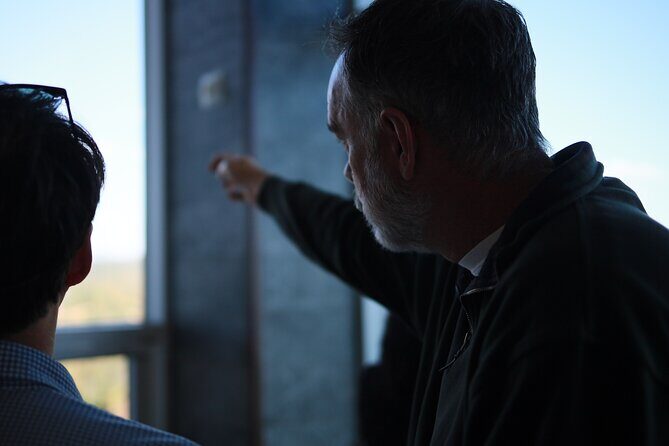
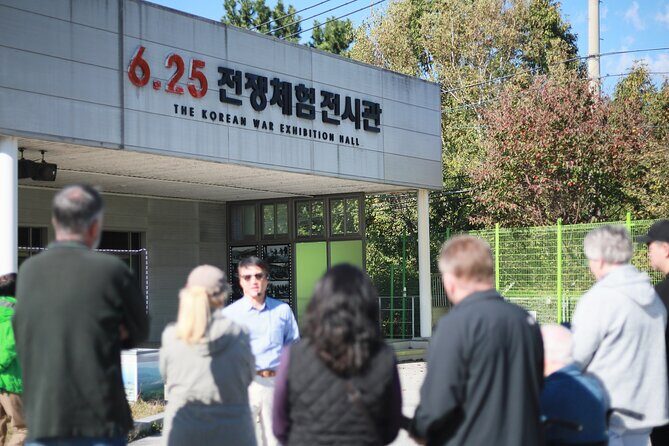
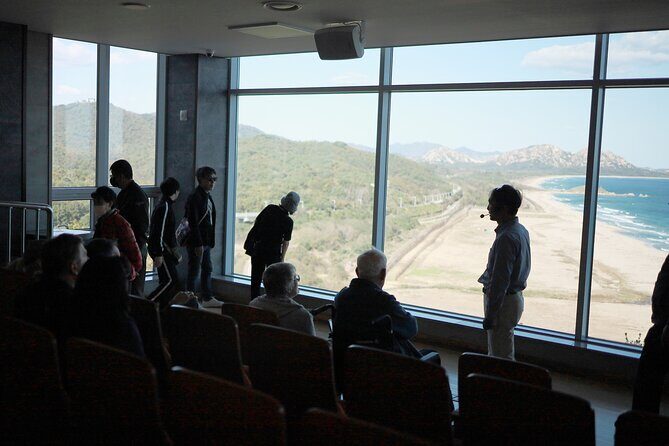
Your first stop is the Goseong Unification Observatory area, with about 2 hours on site. It starts with a Korean War exhibition, then moves you to the observatory itself.
What I like about this sequence is how it prepares your eyes. If you go straight to the viewing point with no context, the sights can feel distant or abstract. The exhibition grounds you in what the war did to people and why the border ended up as it did. Only then do you step into the viewing area and look out toward the DMZ and real North Korean territory.
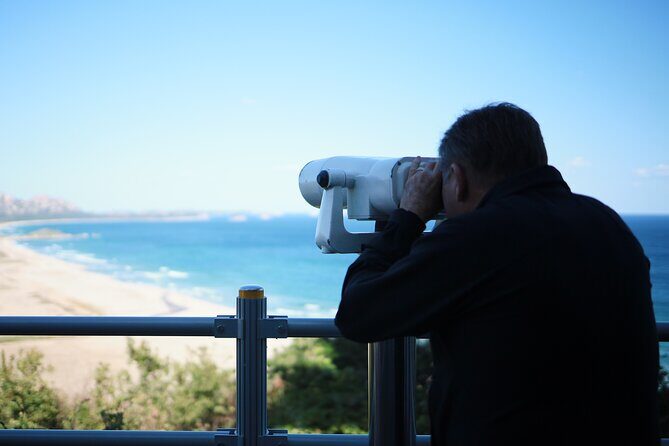
At the observatory, you’re seeing the DMZ from a defined vantage point, not just hearing stories about it. That’s the kind of experience that sticks because your brain can connect the history to a geography line you’re actually looking at.
Drawback to keep in mind: this stop is information-heavy. You’ll likely do a lot of listening, then a lot of staring at what you’re told to notice. If you get motion-sick easily, plan for breaks and keep your attention on one stable viewing direction.
But overall, this is the heart of the day. It’s where the DMZ stops being an idea and becomes something spatial.
Stop 2: DMZ Museum for the full context behind the border
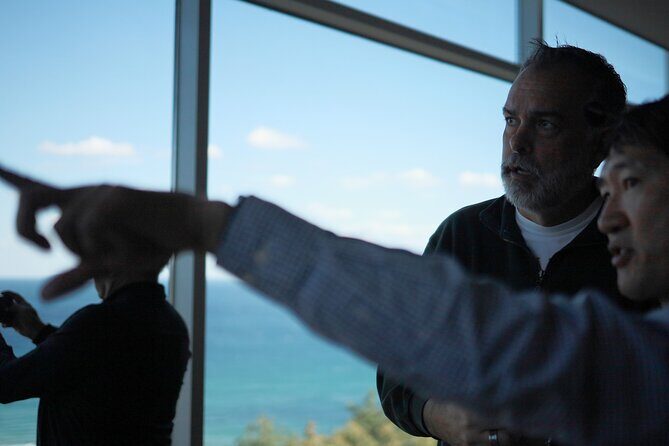
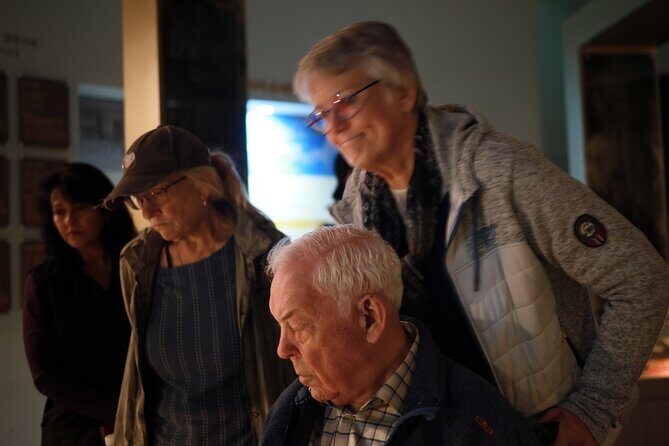
After the observatory, you move to the DMZ Museum for about 1 hour. This is where the tone shifts from “this is what it looks like” to “this is what it means.”
The museum’s value is that it turns the DMZ into a living system of consequences. You learn about the DMZ as a symbol of a divided nation, and you also hear how the unusual situation created conditions that changed the environment around the border. You’ll get the sense that the DMZ isn’t just politics. It’s also land use, time, and the unintended effects of separation.
Why this matters for you: the DMZ can feel like a single dramatic moment in history. The museum helps you understand that the “after” matters just as much as the start. That’s what makes the DMZ experience more than a photo stop.
One consideration: museum time is never long. One hour sounds quick, but it’s enough to get the structure of the story. If you’re the type who likes to read every sign and take slow notes, you might want to be strategic and focus on the parts your guide highlights.
Still, for most people, this museum stop is the emotional connector between the war exhibition and the day’s final stop.
Stop 3: Hyeonnae-myeon and the taste of the former North territory
The final stop is Hyeonnae-myeon, about 1 hour, with admission ticket free. This is the part of the day that adds a different kind of learning: food and place.
This area used to be North Korean territory before the Korean War, and the tour frames it through the lens of genuine North Korean cuisine. That means your brain gets a “normal human” break after the museum and observatory heaviness. You’re reminded that borders aren’t only lines on maps. They separate everyday life, including what people cook and eat.
In the practical sense, it also makes the tour feel complete. A DMZ day with no meal—or just a snack—can feel like punishment. Here, the stop structure gives you time to eat and reset.
From the way the day is run, you may also find a Korean lunch arranged en route for the group. I like that approach because it keeps you on schedule and avoids hunting for food in an unfamiliar area during a time-sensitive cruise day.
Small tip: treat this stop like a palate clock. Don’t wait until you’re starving to order. You want to be present in the moment, not just in “fix me food now” mode.
Price and value: what $106.18 gets you (and what to watch for)
At $106.18 per person, this tour is priced like a full, guided, entry-included excursion, not a bare-bones transfer. Here’s where the value shows up:
- You get a local English-speaking guide who explains what you see.
- Pickup is offered for the Sokcho cruise group.
- Admission tickets are included for major stops like the observatory/exhibition area and the DMZ Museum.
- The group stays small (max 30), which matters for questions and pacing.
- It’s timed to work as a cruise excursion, which is the real hidden cost if you plan DIY.
The only “watch this” part is that you’re paying for a set experience, and the DMZ is not a place you can freestyle. If you’re hoping for a long wander, lots of free time, or extra optional add-ons, this format probably won’t match that mood.
Also, because it’s weather-sensitive, I’d book this with a mindset of flexible outcomes. If the day needs to be changed due to conditions, that’s the deal with DMZ visits.
Who this DMZ tour suits best (and who might want something else)
This is a great fit if:
- You’re on a cruise with limited time in Sokcho and you want a structured DMZ day.
- You want English commentary that helps connect the geography to the history.
- You like small groups where you can actually ask questions and get thoughtful answers.
It’s less ideal if:
- You hate structured tours and prefer lots of unscheduled time.
- You’re extremely sensitive to weather changes and long viewing stretches.
- You need frequent long breaks, since museum and observatory time are built into a tight flow.
If you’re traveling with family, the small group size can help, and the guided explanations can turn a difficult topic into something understandable. If you’re traveling solo, you’ll appreciate the communication and the fact that Chan and the driver handle the timekeeping.
Tips to make the most of your day (without overplanning)
You don’t need to do much research to enjoy this tour, but a few prep moves help:
- Plan for changing weather. Bring a warm layer and a rain layer.
- Stay ready to listen. This day moves from exhibition to observatory to museum to cuisine, so your attention matters.
- Ask Chan questions. He answers thoughtfully, and his job is to connect your curiosity to the right context.
- If you might need money exchange for small purchases, it’s worth mentioning it ahead of time. Chan has helped with exchanging currency in the past, and that can save you time on a cruise day.
- Keep your camera/phone charged. You’ll be spending real time looking out, and you’ll want a way to capture what you see.
Should you book this Sokcho DMZ excursion?
If you’re visiting Korea through Sokcho and you want the DMZ without turning your day into logistics homework, I’d book this. The combination of a real observatory viewpoint, a focused DMZ museum stop, and a final North-style cuisine area makes the day feel complete. Add in Chan’s communication and steady handling of weather hiccups, and you get a tour that’s built for cruise travelers who need confidence more than wandering.
Book it especially if you care about understanding, not just checking boxes. The DMZ is intense. You’ll get more out of it when someone like Chan puts it into context before you look out from the observatory.
FAQ
How long is the DMZ tour from Sokcho?
The tour lasts about 6 hours.
Is pickup offered for this experience?
Yes, pickup is offered. The tour starts at Cheongho-dong, Sokcho-si, Gangwon-do, South Korea.
What’s included in the ticket price?
Admission tickets are included for the Goseong Unification Observatory stop and the DMZ Museum stop. The Hyeonnae-myeon stop has admission ticket free.
Do I need to use a mobile ticket?
Yes, the tour includes a mobile ticket.
What happens if the weather is poor?
This experience requires good weather. If it’s canceled due to poor weather, you’ll be offered a different date or a full refund.
Can I cancel for a full refund?
You can cancel for a full refund up to 24 hours in advance of the experience’s start time. Cancellation changes made less than 24 hours before won’t be refunded.