REVIEW · JEJU PROVINCE
Jeju Island: Van Tour with a Guide Who Most Loves Jeju
Book on GetYourGuide →Operated by Jeju Fabio Co., Ltd · Bookable on GetYourGuide
Jeju in one smooth day of stops. It’s a private van tour that packs big-name sights plus real culture, with guide Fabio shaping the day so it actually feels personal. I especially liked the Seongsan Ilchulbong morning energy and the chance to meet Jeju’s haenyeo women diver world in a way that goes past photos. One possible drawback: the schedule is tight, so you’ll want to accept early starts and lots of walking in wind.
I like how the route balances dramatic nature with human stories: living heritage at Seongeup Folk Village, waterfall views, and time to breathe at breaks like Woljeongri. The tour is designed for short stays too, since pickup is included from your Jeju hotel or the airport, and it runs for about 9 hours. Just plan for Jeju’s weather—this island is windy, so bring a wind jacket, or you’ll feel it every time you stop outdoors.
In This Review
- Key things to love on this Jeju van tour
- Why this Jeju van day works (and what you trade for convenience)
- Getting oriented at Jeongbang Waterfall before the bigger sights
- Seongeup Folk Village: living heritage you can actually talk to
- Seopjikoji short trail: a cliff walk with K-drama energy
- Seongsan Ilchulbong at sunrise peak: crater drama and haenyeo performance
- Haenyeo Museum: the culture behind the name
- Jeju pacing: waterfall, walking, and a real break at Woljeongri
- Manjanggul cave closure reshapes the plan into a better beach stop
- Hamdeok Seowoobong Beach: white sand, emerald water, and an easy last stop
- Bonus: Saryeoni Forest Path for Seogwipo-area hotel stays
- Food along the route: plan lunch like a local, not a checklist
- Price and value: $276 per group for real guide time
- What to pack for Jeju wind and quick photo stops
- Who should book this Jeju van tour (and who should skip it)
- Should you book this tour?
- FAQ
- How long is the Jeju van tour?
- What does it cost?
- Where is pickup included?
- What language is the guide?
- Is the tour wheelchair accessible?
- What’s included in the price?
- Are meals included?
- What should I bring for Jeju weather?
- Should I trust this timing and try it despite Manjanggul Cave being closed?
Key things to love on this Jeju van tour
- Small private group (priced for up to 5) with a licensed English-speaking guide who can adjust the day
- Seongsan Ilchulbong UNESCO crater with women diver performance and big viewpoints
- Haenyeo Museum that explains the divers’ social, economic, and historical importance
- Seongeup Folk Village where residents still live and share stories as volunteer guides
- Hamdeok Seowoobong Beach as a great final seaside stop when Manjanggul is closed
- Optional Saryeoni Forest Path for travelers staying in Seogwipo, with easy deck walks
Why this Jeju van day works (and what you trade for convenience)
This is the kind of tour that makes sense when you have limited time on Jeju but still want more than a drive-by photo tour. You get picked up in Jeju-do (hotel or airport), then ride between sights in a family-size van setup for small groups. For many people, that’s the real value: you don’t lose hours figuring out routes, parking, and public transport timing.
You also get a licensed English-speaking guide (with Korean too), which matters on Jeju because the context is half the experience. Wind can flatten your attention span fast on an open bluff, but a good guide helps you look at the same spot in a more meaningful way—what you’re seeing, why it matters, and what to notice while you’re there.
The tradeoff is that the day is paced to fit multiple stops. If you want long, slow hanging-out time at beaches or one deep hike, you’ll feel the schedule pressure. The good news is the tour includes guided time at the major sites and then practical breaks so you’re not stuck every minute.
You can also read our reviews of more guided tours in Jeju Province
Getting oriented at Jeongbang Waterfall before the bigger sights
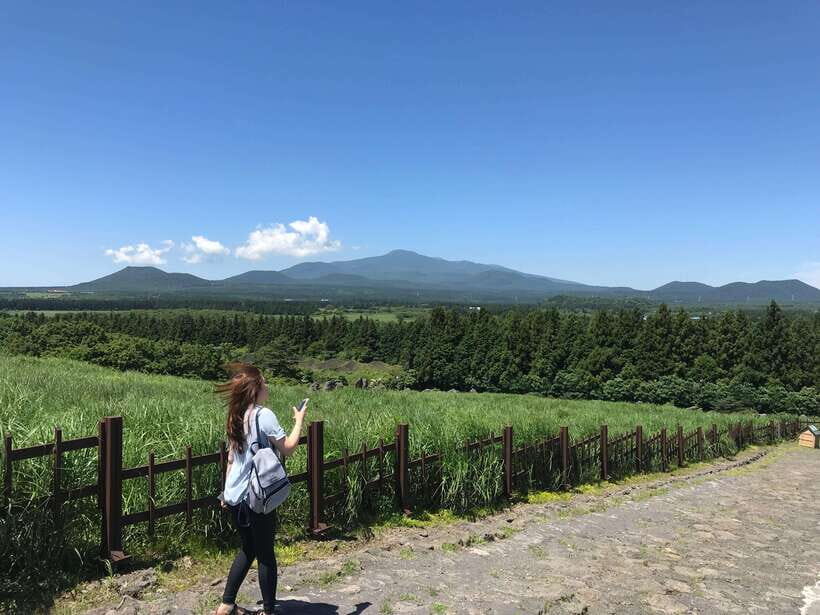
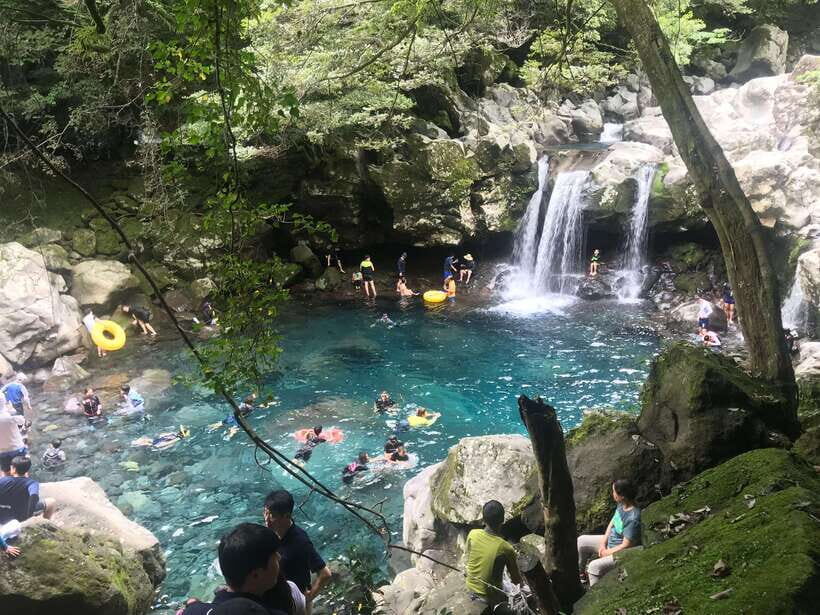
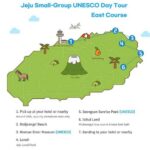
The day begins with a quick stop at Jeongbang Waterfall (about 30 minutes). Even in a short window, it’s a solid starter because it sets Jeju’s “water + rock + weather” tone early. You get that classic coastal island feel right away, then you move into heritage and volcanic viewpoints later.
Because Jeju is windy, this is also a good place to get your gear situation sorted—wind jacket, water, and anything you need for quick photography. If you’re sensitive to strong coastal wind, treat outdoor time early in the day as practice for later stops.
Seongeup Folk Village: living heritage you can actually talk to
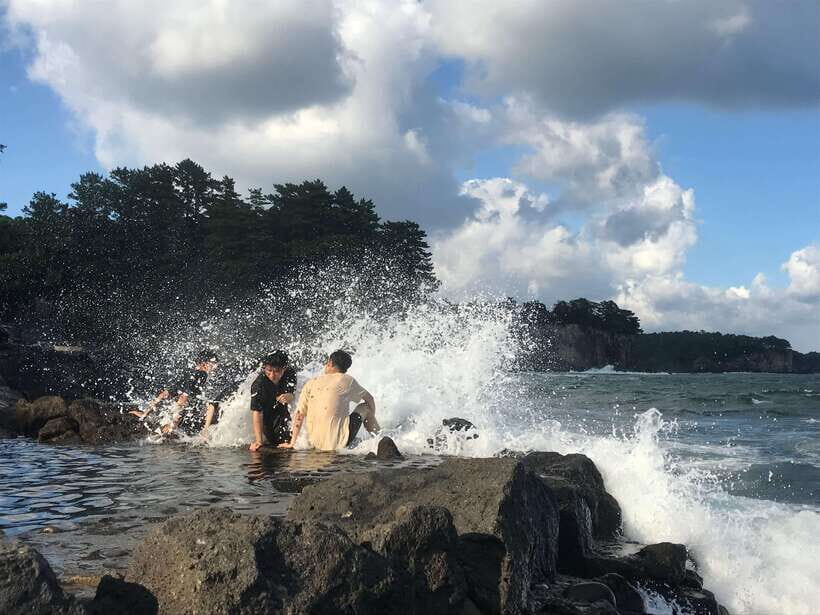
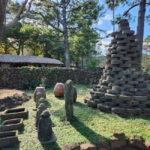
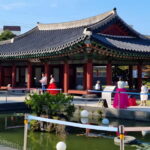
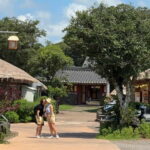
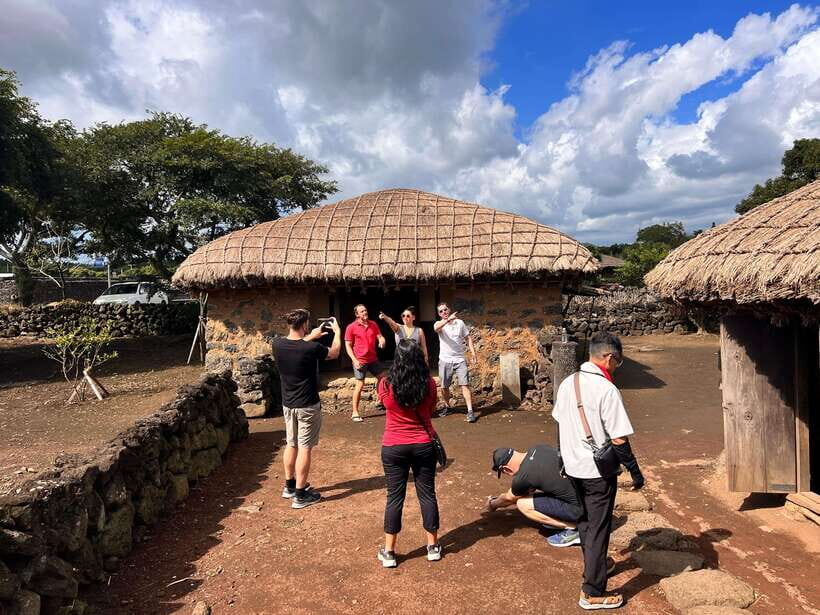
Seongeup Folk Village is one of the stops I’d prioritize if you care about how Jeju life has worked over generations. This isn’t a theme village where everything is staged. The whole site preserves a traditional living area, and residents still live there today. That changes the vibe completely.
You’ll get a guided visit for around 40 minutes, and the residents act like volunteer guides, sharing context as you walk. Two specific things worth slowing down for are the Saw-leaf Zelkova and the Japanese hackberry in the center of the village. Trees may sound minor, but when you’re in a living heritage site, they help you understand the landscape as part of everyday life—not just scenery.
A small practical note: with guide-led walking, you can miss details if you stop for photos without paying attention to what the guide is explaining. If you like photos, just time them to the moments your guide points out.
Seopjikoji short trail: a cliff walk with K-drama energy
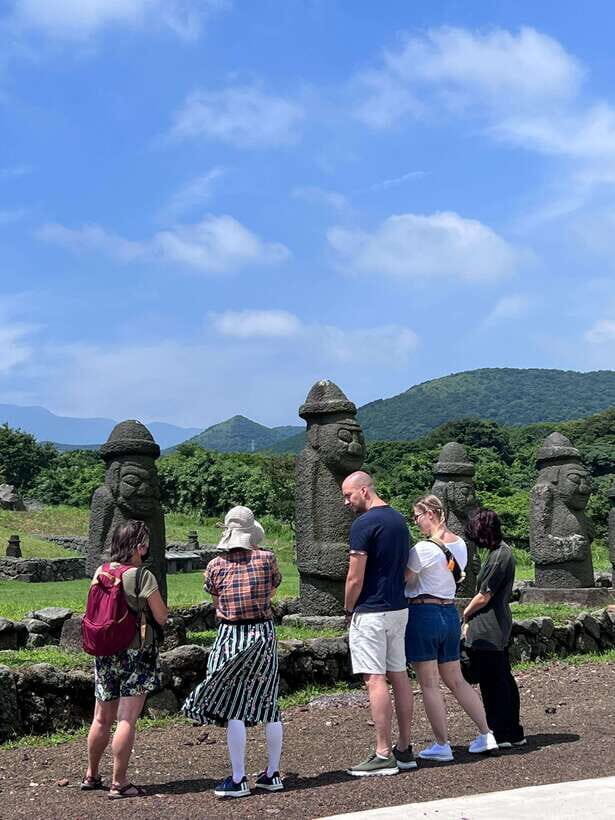
Next up is Seopjikoji, with a short and easy cliff trail (about 40 minutes total for sightseeing and walking). This is the kind of walk that works even if you’re not a long-hike person. The payoff is the view—Jeju’s coastline angles, ocean space, and those dramatic rock-and-water compositions people associate with the island.
The tour notes Seopjikoji as a K-drama venue, which helps explain why you may recognize the look even if you’ve never been here. Still, the point isn’t recognition—it’s the feeling of standing where the scenery is doing the work.
Because it’s on the coast, wind can be intense. If your hair and camera strap are not wind-ready, you’ll spend energy fighting small annoyances instead of enjoying the scene.
Seongsan Ilchulbong at sunrise peak: crater drama and haenyeo performance
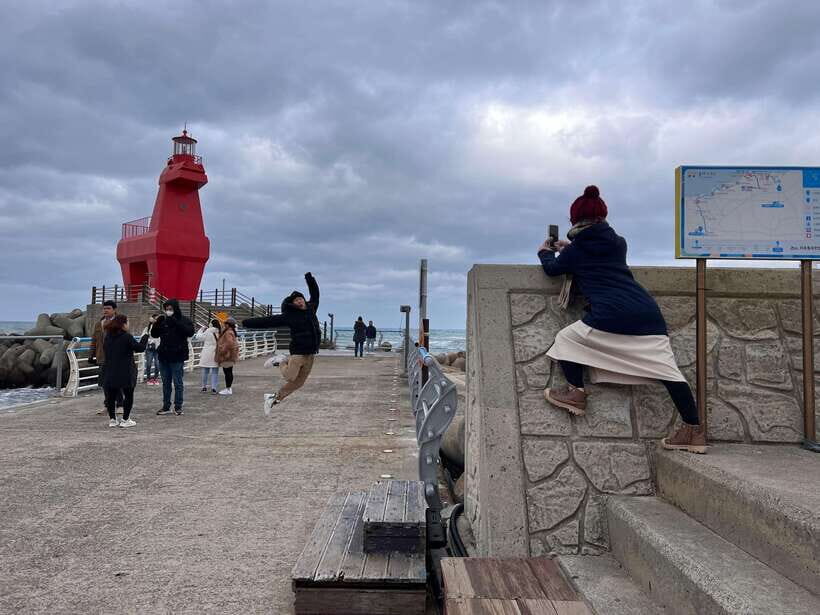
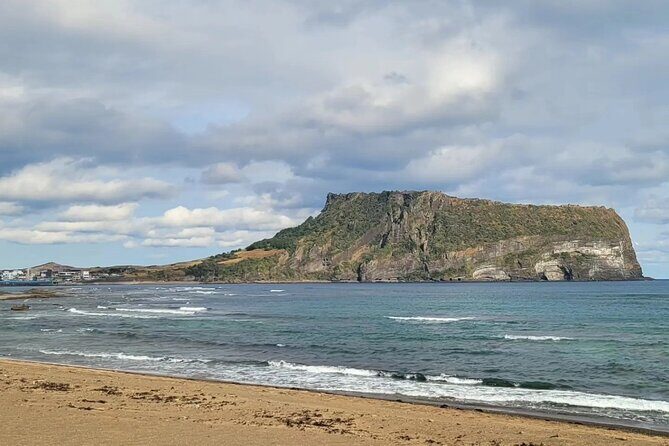
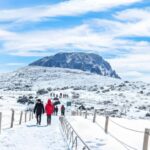
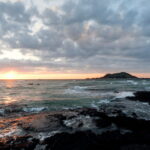
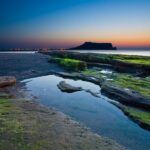
This is the headline stop for a reason. Seongsan Ilchulbong Peak is a UNESCO natural heritage site and rises about 186 meters above sea level. The tour frames it as a rare volcanic case: the crater erupted underwater, which created this unique formation among Jeju’s many volcanic craters.
Plan to arrive hungry for views and stories, because your guided time here plus the walks and scenic stops add up to about an hour on-site. You’ll also see women diver performance connected to the haenyeo tradition at the sunrise peak. That’s not just spectacle—it’s part of how Jeju communicates identity, labor, and the sea.
Practical tip: dress for wind and change your mindset from warm weather beach to outdoor viewing. The wind doesn’t just feel cold—it affects how steady you can stand and how patient you’ll be for photos. If you bring a wind jacket, you’ll enjoy this stop way more.


Haenyeo Museum: the culture behind the name
After the crater, you’ll visit the Haenyeo Museum (about 30 minutes). If you’ve only seen haenyeo as silhouettes in pictures, this is where you get the structure behind the image.
The museum is built to explain haenyeo culture and to record, preserve, and provide education about their contributions—socially, economically, and historically. In other words, it helps you understand the divers as workers and community symbols, not only as entertainers.
This is also a good moment to slow down. The day has big outdoor moments, and a museum stop gives you a chance to regroup before the rest of the drive.
Jeju pacing: waterfall, walking, and a real break at Woljeongri
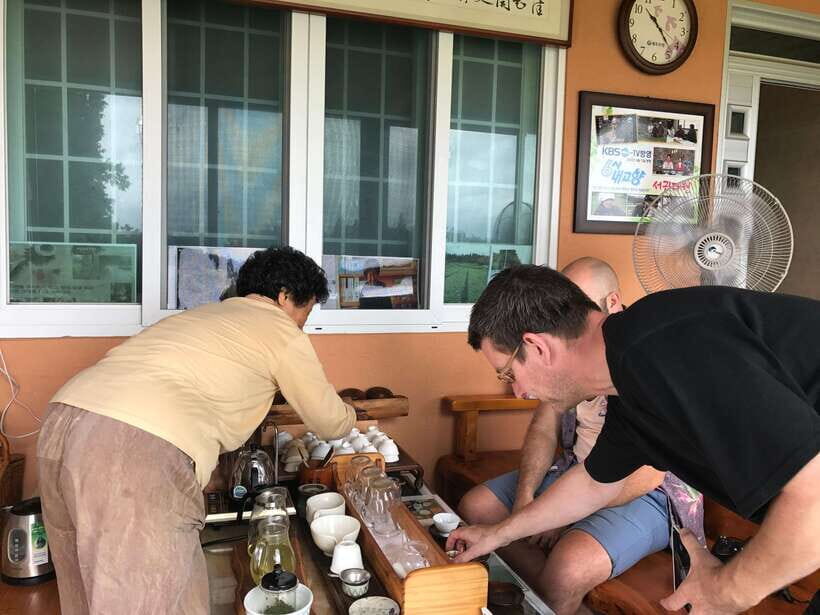
Between the major sites, you get smaller blocks that prevent the day from feeling like one long sprint. There’s another transfer and sightseeing segment around the middle, then Woljeongri arrives as a break and free time window (about 50 minutes).
That timing is useful. It gives you a chance to shop, sightsee, and grab snacks without rushing. Even if you’re not a shopper, free time is where you can refill water, use restrooms, and reset your legs.
If you’ve got dietary needs, this is usually where you can ask your guide what’s practical next. The tour’s lunch menu suggests Jeju small octopus, abalone porridge, or black pork, but meals are not listed as included for you—so treat it as a guide-supported lunch path rather than a guaranteed set meal.
Manjanggul cave closure reshapes the plan into a better beach stop
Here’s the practical reality: Manjanggul Cave is listed as closed until December 31, 2025 (tentatively). That matters because Manjanggul is a UNESCO natural heritage site and the tour would normally take you to the famous lava tube.
The cave is described as a lava tube formed thousands of years ago and very well preserved. The tour also notes a length of 7.4 km when open. With the closure, the itinerary shifts, and you’ll go to Hamdeok Seowoobong Beach until the cave re-open day.
For you, this is actually a decent workaround. Lava tubes are amazing, but a beach stop lets you still end with something visually huge and memorable. It’s also a lighter day rhythm—less time underground and more time in open air where you can breathe.
Hamdeok Seowoobong Beach: white sand, emerald water, and an easy last stop
When the cave plan changes, Hamdeok Seowoobong Beach becomes the star. The tour highlights white sands and emerald waters, and you’ll be visiting until Manjanggul re-opens. This is also known as a place where the final day schedule can end smoothly because there’s a road lined with hotels, restaurants, and coffee shops.
That means you’re not stuck in a remote spot with only one option. If you want to linger after the tour’s planned time, you can usually find places to keep going nearby.
Timing note: this stop is positioned later in the day, so it works well as a wrap-up after walking and museum time. If your legs are tired, you can still enjoy the beach with less pressure than a long hike.
Bonus: Saryeoni Forest Path for Seogwipo-area hotel stays
If your hotel is in Seogwipo city, there’s an optional bonus stop: Saryeoni Forest Path. The tour describes it as a deck-walk style route with wooden pathways, which is helpful if you want a calmer walk without steep terrain.
It’s specifically called out as stroller-friendly and also good for parents and people with mobility needs (including handicapped-friendly access). So if you’re traveling with kids in a stroller, this is the kind of side stop that can keep everyone happy without turning the day into a hardcore outdoor mission.
Food along the route: plan lunch like a local, not a checklist
The tour includes a suggested lunch menu: Jeju small octopus cuisine, abalone porridge, or black pork. Since meals for you are not listed as included, I’d use your guide’s help here. A licensed guide will usually know which places fit the day’s timing and which options are easiest to get quickly.
If you’re picky about texture or seafood, tell your guide early. The best tours aren’t just about where you go—they’re about whether the route matches how you actually eat.
And if you want local food without chaos, this is where a guide saves you: you don’t need to guess what’s open, what’s touristy, or how long lunch will take before you lose the next stop.
Price and value: $276 per group for real guide time
This tour is priced at $276 per group (up to 5) for a 9-hour day. That sounds like a lot until you do the math in your head: you’re paying for a guide, a driver, vehicle transport, and admission fees for parks that are part of the route.
Where the value really shows up is in the “avoid friction” side of travel. Instead of spending your time coordinating between stops, you ride between them with parking and gas handled. Instead of just standing in front of a UNESCO site, you get explanations that help you notice what matters.
The reviews also point to the guide tailoring the day to what families and cruise-timers need. That flexibility is hard to copy on your own. When you’re short on time, having someone adjust the schedule so you still hit the best moments can be the difference between a good day and a rushed one.
What to pack for Jeju wind and quick photo stops
Jeju is described as a windy island, so this is not a casual suggestion. Bring a wind jacket. Also think about practical photo gear: something to keep your phone or camera stable, and a strap or pouch you can secure quickly.
Comfort shoes help too, because multiple stops include walking and short trails. If you’re traveling with kids, bring stroller basics if you want to use the Saryeoni path bonus, since the tour specifically mentions deck walks that work for stroller movement.
Who should book this Jeju van tour (and who should skip it)
This tour fits best if:
- You’re on a short Jeju stay and want a concentrated route with minimal planning
- You like guided explanations, especially for cultural stops like haenyeo
- You value a small private group and a guide who can adjust to your pace
- You want both UNESCO-style nature and human stories in one day
Skip it if:
- You want a slow travel day with long downtime at only one or two places
- You need a very flexible, no-walking plan throughout (some stops involve walking along trails and viewpoints)
- You’re in the age range listed as not suitable: people over 95 years
Should you book this tour?
If your Jeju time is limited and you want to hit the core experiences—Seongsan Ilchulbong, haenyeo culture, traditional living heritage, and a strong final beach—you should seriously consider booking. The best reason is the balance: guided culture plus practical pacing, with a schedule that still leaves room to breathe at breaks like Woljeongri.
If Manjanggul Cave matters most to you, note the closure until Dec 31, 2025 (tentatively). The tour swaps that time into Hamdeok Seowoobong Beach, which is still a strong payoff. For most people, that’s a fair trade.
FAQ
How long is the Jeju van tour?
The duration is about 9 hours.
What does it cost?
It’s listed at $276 per group up to 5 travelers.
Where is pickup included?
Pickup is included from your hotel or from the airport in Jeju-do.
What language is the guide?
The live tour guide speaks English and Korean.
Is the tour wheelchair accessible?
Yes, it is listed as wheelchair accessible.
What’s included in the price?
Included items list transportation (a car/van setup depending on group size), a licensed English-speaking guide, a driver, guide and driver meals, gasoline, parking fees, and admission fees for all parks.
Are meals included?
No. The tour data says travelers’ meals are not included, even though a lunch menu is suggested.
What should I bring for Jeju weather?
Jeju is windy, so the tour notes that you should bring wind jackets.
Should I trust this timing and try it despite Manjanggul Cave being closed?
The schedule notes Manjanggul Cave is closed until Dec 31, 2025 (tentatively), and the plan shifts to Hamdeok Seowoobong Beach until reopening time. That means you still get a major highlight experience, just not the cave during the closure period.