REVIEW · INCHEON
Incheon Port History Tour by 19th Century Electric Car, KTourTOP10
Book on Viator →Operated by 조은투어 · Bookable on Viator
A 50-minute electric-car loop through old Incheon.
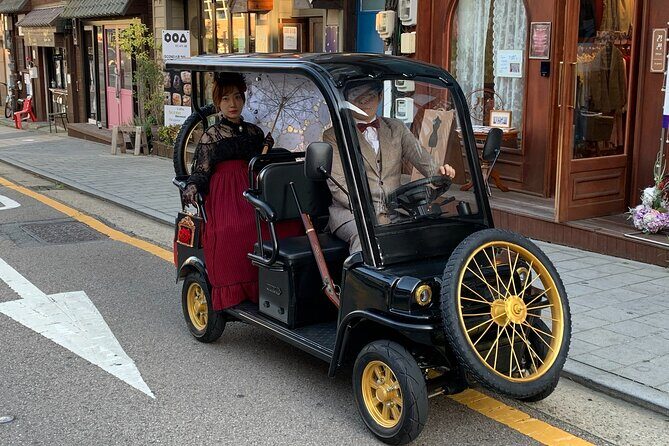
It’s a fun, low-effort way to see Incheon’s Open Port Street area while you learn how the port shaped Korea’s modern mix of locals and foreigners. I like the 19th-century-style electric vehicle concept because it makes the streets feel like a living museum, not a checklist.
My favorite part is the tight small-group setup, which helps you actually connect the dots as you pass landmarks. The one drawback to plan for is the communication side: some guides use pre-recorded commentary and you may run into limited English for questions.
In This Review
- Key things to know before you go
- Why Incheon’s Open Port Street matters more than you’d think
- The 19th-century-style electric car ride: easy, scenic, and time-efficient
- Stop-by-stop: 50 minutes of Incheon Port highlights
- Incheon Art Platform (red-brick port history in one building)
- The Chinese and Japanese building area around the stairs (Jogye and Jayu Park connections)
- Haean Catholic Church (a specific community story from the 1960s)
- Jjajangmyeon Museum (Gonghwachun and the origins link)
- Euiseon-dang inside Chinatown (a Chinese-style shrine made by immigrants)
- The former Songwol-dong area and Donghwa Village concept
- Chohanji Mural Street & Three Kingdoms Mural Street (stories painted on walls)
- Jemulpo Club (foreigner social life, from the 1980s back into older eras)
- What you’ll actually enjoy (and what might feel cheesy)
- Guidance style: why the car talk matters (and how to compensate)
- Price and value: when $45 makes sense
- Timing tips for layovers, late flights, and small windows
- Weather and comfort: what to expect on the day
- Should you book this Incheon Port History Tour?
- FAQ
- FAQ
- How long is the Incheon Port History Tour?
- How much does it cost?
- Where does the tour start?
- What kind of vehicle do you ride?
- Is the ticket mobile?
- What is included in the price?
- What is not included?
- How many people are in the tour group?
- What happens if weather is bad?
Key things to know before you go
- A short 50-minute drive keeps it punchy, especially if you’re on a layover or cruise day.
- Old Port Street focus means you’ll cover famous names like Chinatown and Jemulpo Club without lots of backtracking.
- Historic storefront details show up in the stops, from red-brick architecture to shrine-style spots in Chinatown.
- Jjajangmyeon ties to the port era at the Jjajangmyeon Museum location connected to early restaurant history.
- Murals based on Chinese historical novels give you something colorful to photograph.
- Plan for limited Q&A if your guide’s language range is narrow.
Why Incheon’s Open Port Street matters more than you’d think
Incheon Port opened in 1883, and that single date pulls a lot of threads together: foreign trade, new neighborhood layouts, and the way communities formed around who lived there and why. This tour’s whole point is to help you see that story, not just hear it.
You’ll be moving through a compact slice of the port district where the architecture and street names carry meaning. That includes the way foreign residential/trade areas were organized, plus the later cultural layering from Chinese and Japanese eras. If you like history that’s tied to sidewalks, stairways, and building shapes, this route fits your style.
You can also read our reviews of more tours and experiences in Incheon.


The 19th-century-style electric car ride: easy, scenic, and time-efficient
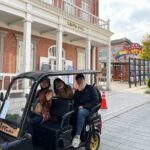
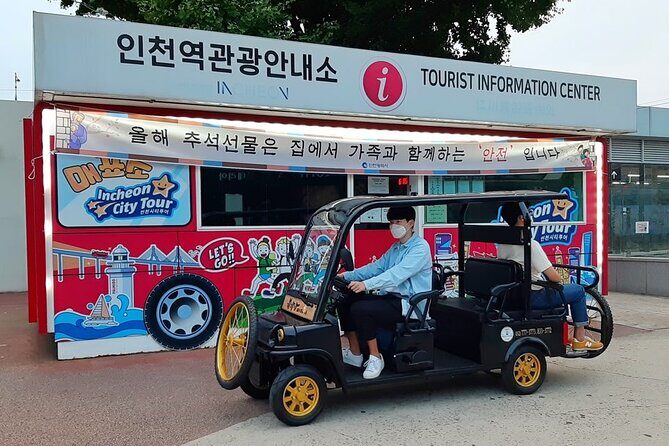
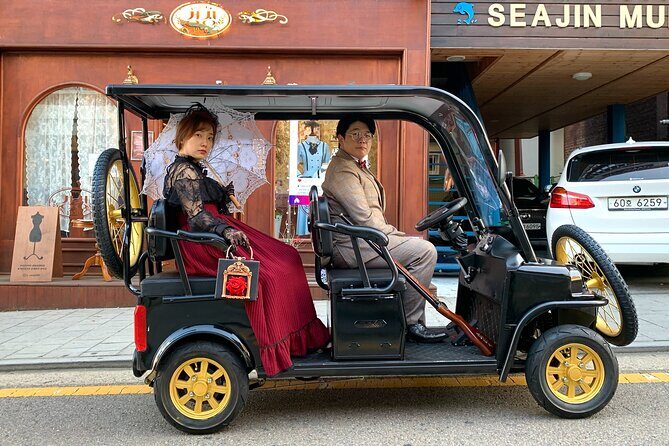
This is a mobile-ticket tour that runs for about 50 minutes, and you ride in an old-fashioned electric car style. Translation: you don’t have to walk a long distance to cover a bunch of sights, and the car format helps you stay on track when streets are crowded or hard to navigate.
The vehicle also changes the feel of the area. You’re not trudging along while thinking, Where do I go next? You’re cruising through the open-port streets while a guide points out key landmarks. That’s why it works especially well if you have only a small window and you want your time to feel spent, not wasted.
One practical consideration: the experience can run with a mix of live guiding and pre-recorded commentary. That’s not automatically bad (it keeps the timing tight), but it can limit real back-and-forth questions if English is limited.
Stop-by-stop: 50 minutes of Incheon Port highlights
Below is the rhythm of the tour—what each stop is, what it adds, and what you should expect in real life.
Incheon Art Platform (red-brick port history in one building)
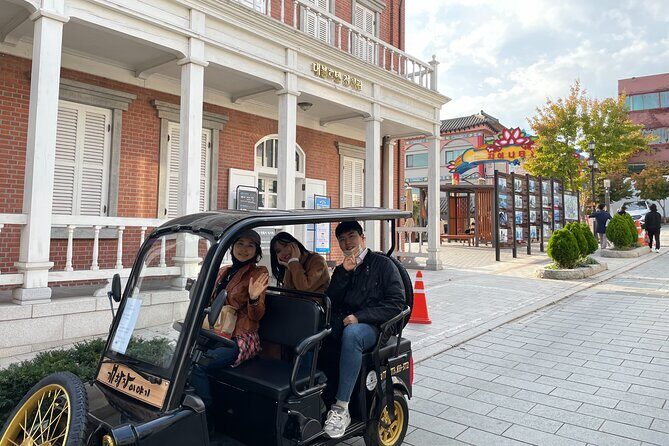
You start at the Incheon Art Platform, known for its red-brick look. The big value here is that it’s not just a pretty facade. The space connects you to the open port story and also hosts exhibitions and performances in arts, music, literature, and movies.
This is a smart first stop because it gives context early. Before you zoom into Chinatown streets and stairways, you get a sense of how Incheon’s port era became a platform for later culture.
The Chinese and Japanese building area around the stairs (Jogye and Jayu Park connections)
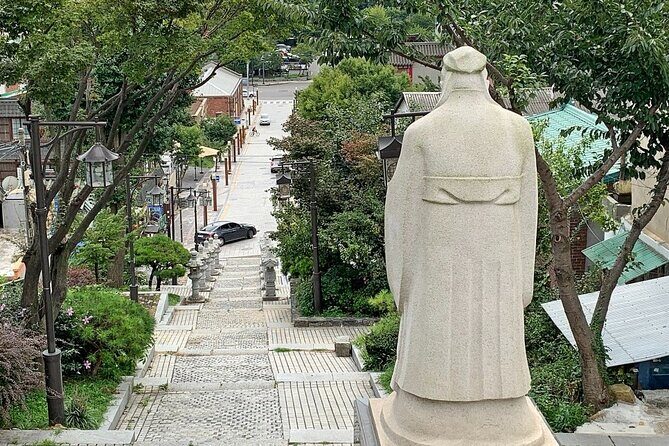
Next comes a spot split by Chinese and Japanese buildings around the stairs. Here, you’ll hear the meaning of 조계 (Jogye)—a designated area for foreign residents or trade. It’s also linked to Jayu Park, and you can see the Incheon Sea from the area.
Why this matters: stairs and sea views help you understand why these areas were built as they were. You’re not just looking at history; you’re getting the geography that shaped the history.
A small watch-out: if it’s windy or very hot, the stair-and-view part can be less comfortable. It’s short, but plan for weather.
A few more Incheon tours and experiences worth a look



Haean Catholic Church (a specific community story from the 1960s)
You’ll stop at Haean Catholic Church, described as having religious and historical significance. It was created for devoted Catholics among overseas Chinese in the 1960s.
This stop adds a different angle: it’s not only about trade and foreign districts. It’s also about what people built when they settled, worshipped, and formed lasting community ties. If you like seeing the human side of port cities, this is one of the stops that will feel more grounded.
Jjajangmyeon Museum (Gonghwachun and the origins link)
Then you hit a very memorable theme: jajangmyeon. The Jjajangmyeon Museum is set where the very first original jajangmyeon restaurant, Gonghwachun, used to be. The museum displays relics connected to jajangmyeon and Gonghwachun.
This is the kind of stop that can surprise people. Port areas influence food culture, and here you can connect cuisine to place. It’s a playful contrast to churches and stairways—one more way to understand how foreign influence became everyday life.
Euiseon-dang inside Chinatown (a Chinese-style shrine made by immigrants)
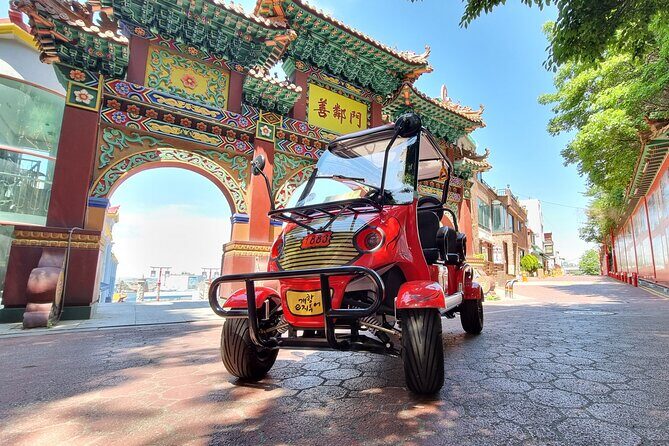
In Chinatown, you’ll see Euiseon-dang, a Chinese-style shrine built by Chinese immigrants who left their homeland seeking comfort from loneliness and immigration hardship.
In a short tour, this is a powerful kind of detail. Shrines are often small, but they tell you what people carried with them—belief, community roles, and a way to stay connected. It’s an authentic-feeling stop compared with generic photo spots.
The former Songwol-dong area and Donghwa Village concept
One segment talks about the period after the port opened in 1883, when many foreigners lived in Songwol-dong and formed rich villages. Later, when younger people moved out over decades, only seniors remained, and the town was reborn as Donghwa Village.
What you should take from this: port cities don’t freeze in time. They change with generations. This part helps you understand why you might see the same streets but different “faces” across the decades.
Chohanji Mural Street & Three Kingdoms Mural Street (stories painted on walls)
You’ll also visit Chohanji Mural Street and Three Kingdoms Mural Street, featuring murals tied to Chinese historical novels—Chohanji and the Three Kingdoms.
Even if you don’t know the novels, the murals give you something concrete to photograph and react to. It also matches the tour’s bigger theme: cultural exchange leaving visible traces.
Jemulpo Club (foreigner social life, from the 1980s back into older eras)
The tour ends at the Jemulpo Club. It was operated in 1981 as a social club for foreigners living in Incheon. Inside, there’s a social room, billiard room, and reading room, with a tennis court outside.
The description also notes that later, in 1914 during the Japanese colonial period, the building had another chapter. You get a sense of a structure that served different needs across eras—social gathering when foreign residents were present, and then something else later when political control shifted.
A quick reality check: the Jemulpo Club segment is brief (about 5 minutes with free admission mentioned for that part). Don’t expect a full museum visit. Expect a highlight stop that helps you picture the people who once used spaces like this.
What you’ll actually enjoy (and what might feel cheesy)
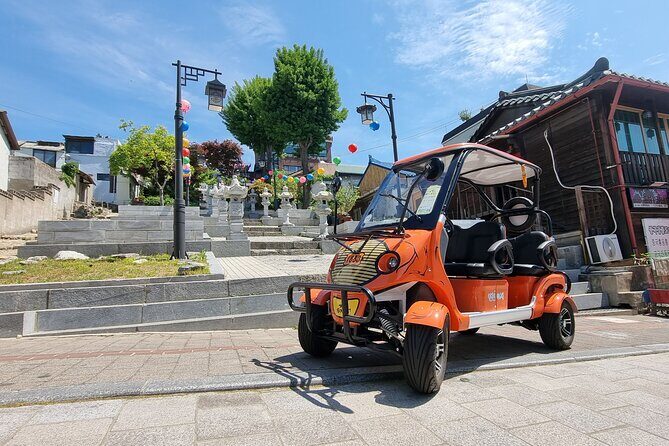
This tour has a clear personality: it’s friendly, quick, and packed with named stops. I like that approach because it gives you momentum.
But there’s also a risk. Some elements may feel a bit “designed” for easy sightseeing—like streets that emphasize murals or themed scenes. If you’re expecting a deep, slow-moving walk with lots of interpretation, the format might feel light on substance. The commentary can also be more point-and-go than question-and-answer depending on the guide’s language.
The good news: even when something feels a little stylized, you’ll still get the core value—where the port era shows up in buildings, community spaces, and place names.
Guidance style: why the car talk matters (and how to compensate)
From what’s described, the tour can include a mix of live guiding and pre-recorded commentary. On top of that, English ability may vary.
Here’s how you make that work for you:
- Prepare 2–3 simple questions ahead of time (port opening date, what Jogye means in plain terms, why the Chinatown shrine matters).
- Listen for the names as you pass them. Even if you can’t ask follow-ups, the repeated landmarks help you build a mental map.
- If you’re a detail person, take a few photos of building shapes and stair areas. They’re the clues the guide is using to connect the story.
One standout mentioned with enthusiasm is that a guide named Soonie was patient and accommodating with timing and explanation. If you get her (or someone with the same style), you’ll probably feel like the stops connect into a clear narrative rather than a sequence of signs.
Price and value: when $45 makes sense
This costs $45 per group, up to 3 people, for about 50 minutes. That pricing model can be a great deal if you’re traveling with friends or family and can share the group fare.
Is it worth it? For most people, it depends on two things:
1) your tolerance for short-and-fast sightseeing, and
2) whether you want a guided orientation more than a long deep-dive.
If you’re looking for a longer ride, bring your expectations back to 50 minutes. On the other hand, if you’re using it as a high-impact way to get bearings in Incheon’s port district, it can be solid value—especially compared with piecing together multiple stops on your own under time pressure.
Timing tips for layovers, late flights, and small windows

This is the kind of tour that fits awkward travel days. If you have a late flight or a narrow gap before you need to be back on schedule, the short duration is a real advantage. You can see several big-name areas without spending hours navigating transit and walking.
Also, you’ll have multiple tour times to choose from. That flexibility matters in real life because Incheon weather, schedules, and connecting plans rarely cooperate.
One more timing thought: if tours can run on a tight schedule, show up early at the meeting point. There’s at least one reported case where the tour didn’t start on time, so the best move is to confirm the exact start time before heading out.
Weather and comfort: what to expect on the day
The experience requires good weather, and you’re spending time outdoors around stair areas and streets. That doesn’t mean it’s miserable in mild conditions, but it does mean you should watch the forecast and be ready for possible rescheduling or a different date if it’s canceled for weather.
The tour is also described as near public transportation. So if you’re coming from a hotel or port area, you can usually plan an easy route without a complicated commute.
Should you book this Incheon Port History Tour?
Book it if:
- You want a quick, guided introduction to Incheon’s open port district.
- You like the idea of covering Chinatown, stair landmarks, Jjajangmyeon Museum, and Jemulpo Club in one loop.
- You’re traveling with up to two others and can share the group price.
Skip it (or pick a longer, deeper option) if:
- You need lots of time to linger, read, and ask questions.
- You expect a long, substantial museum-style experience. This is short by design.
- You’re sensitive to the possibility of limited English or a mostly scripted commentary flow.
If you’re on a tight schedule and you want your time to count, this is a practical choice. It won’t replace a full day of slow wandering, but it can give you a strong starting point and make your later self-guided strolls much easier.
FAQ
FAQ
How long is the Incheon Port History Tour?
It runs for about 50 minutes.
How much does it cost?
The price is $45.00 per group (up to 3 people).
Where does the tour start?
It starts at 266 Jemullyang-ro, Jung-gu, Incheon, South Korea.
What kind of vehicle do you ride?
You ride in a 19th-century-style electric car.
Is the ticket mobile?
Yes, the tour uses a mobile ticket.
What is included in the price?
Included are the old-style electric car tour (50 minutes) and the tour guide fee.
What is not included?
Meal and snack are not included.
How many people are in the tour group?
The tour has a maximum of 20 travelers.
What happens if weather is bad?
The experience requires good weather. If it’s canceled due to poor weather, you’ll be offered a different date or a full refund.