REVIEW · NANTA
Seoul: Myeongdong Nanta Theater Show Ticket
Book on GetYourGuide →Operated by PMC PRODUCTION · Bookable on GetYourGuide
Seoul’s kitchen percussion comedy is a sure bet. The non-verbal Nanta performance blends traditional Samulnori rhythms with fast comedy, so you can enjoy the show even if you don’t speak Korean. The story kicks off in a loud kitchen where timing matters and the chaos is half the fun.
I especially love the physical energy of the chefs using pots, pans, and their bodies like instruments. It’s also a very accessible way to do theatre on a Seoul night because the show includes support in English, Japanese, and Chinese. One thing to plan for: finding the venue can be tricky since the 3F UNESCO Building location isn’t obvious from the street.
In This Review
- Key Things You’ll Notice Right Away
- Nanta at Myeongdong Nanta Theatre: What This Show Feels Like
- Tickets, Timing, and the 3F UNESCO Building Check-In
- The Story Beat You Should Keep in Mind: 3 Chefs and a One-Hour Deadline
- Samulnori Meets Slapstick: Why the Drumming Part Sticks With You
- Language Support That Keeps the Audience With the Action
- Audience Participation: Fun, Fast, and a Little Unpredictable
- Value for $37: When Nanta Is Worth the Ticket
- Getting the Most From Your Myeongdong Night
- Should You Book the Seoul Nanta Show?
- FAQ
- Where is the meeting point for the Myeongdong Nanta Theatre show?
- How long is the Nanta show?
- How much is the ticket?
- What’s included in the ticket?
- Do I need to understand Korean to enjoy the performance?
- What languages are available for help during the show?
- Is the show suitable for kids?
- Is there a group size limit?
- Can I cancel and get a refund?
- Is reserve & pay later available?
Key Things You’ll Notice Right Away
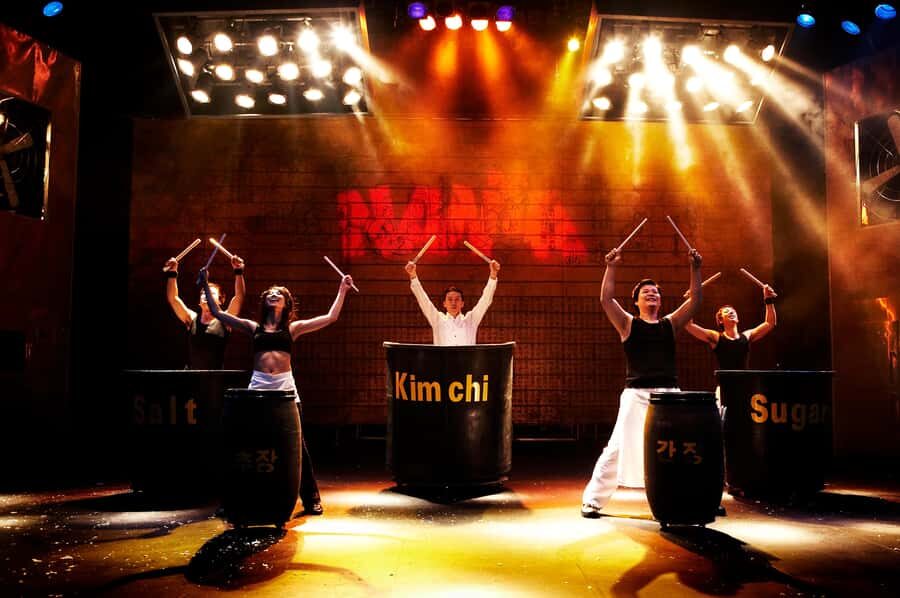
- Non-verbal storytelling that works without understanding Korean
- Samulnori rhythms mashed with comedy and drama
- Chefs as percussionists, creating music with cookware and teamwork
- Audience participation that keeps the room involved
- A 90-minute pace with no dead time and lots of visual punch
Nanta at Myeongdong Nanta Theatre: What This Show Feels Like
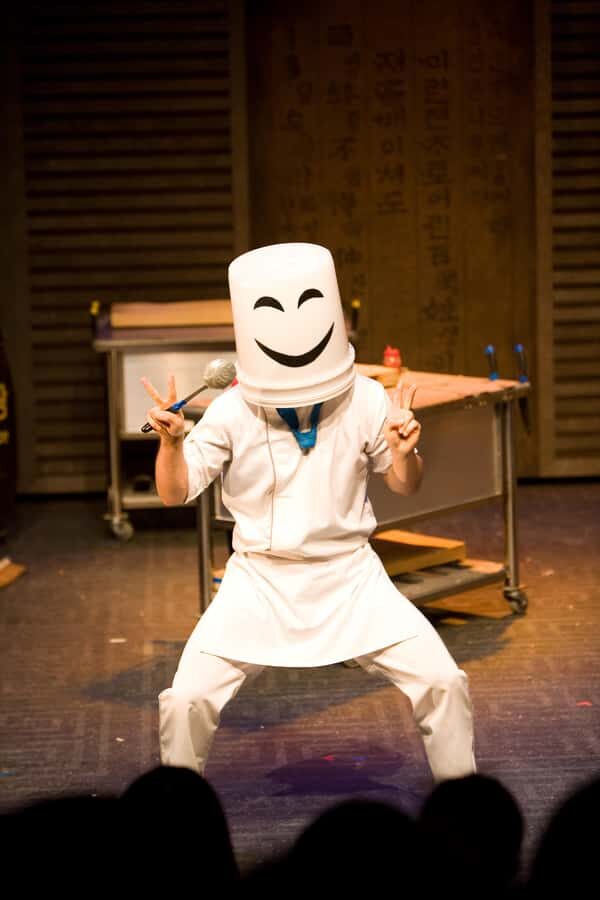
Nanta is built for laughs, but it’s also built for rhythm. If you’ve ever loved the idea of drumming that looks like chaos but sounds precise, this show scratches that itch fast. The performers use pots and pans like real instruments and then layer comedy on top, so even when you miss a tiny bit of plot, you still get the impact.
What makes Nanta stand out for first-timers is how little you need to decode. It’s not a talky play. It’s action, sound, and timing—chefs reacting, failing, correcting, and racing the clock. That’s why it works well for solo visitors, couples, and families. Even if you only understand the vibe, you’ll still feel the story tightening as the deadline approaches.
The humour style is physical: slapstick moments, exaggerated expressions, and clear “problem/solution” beats. Several details are intentionally big and readable from any seat. You won’t need a theatre degree to enjoy it—you just need to be ready for a loud, playful production.
Tickets, Timing, and the 3F UNESCO Building Check-In
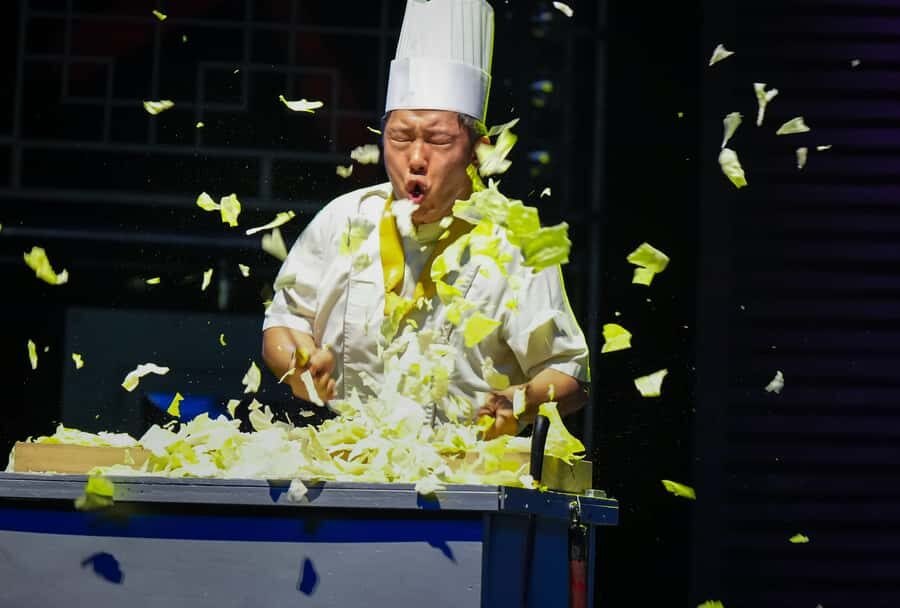
This experience is a ticketed show at the Myeongdong Nanta Theatre. The meeting point is straightforward on paper, but the venue itself can be a little sneaky in person: it’s on the 3rd floor of the UNESCO Building, and it doesn’t look like a typical theatre from the outside.
Plan for that. Give yourself extra minutes to locate the entrance and find the right floor. If you’re walking around Myeongdong, you might also see a place called Myeongdong Arts Theater nearby, and the names are close enough to cause confusion. Make sure you’re heading to the Nanta theatre, not the arts theatre.
The show duration is listed as 1.5 hours. Starting times vary, so check availability for the specific slot you want. The format is designed for smooth entry and seating, and the group size is limited to 10 participants, which usually means you won’t be stuck in a long cattle-line situation.
The Story Beat You Should Keep in Mind: 3 Chefs and a One-Hour Deadline
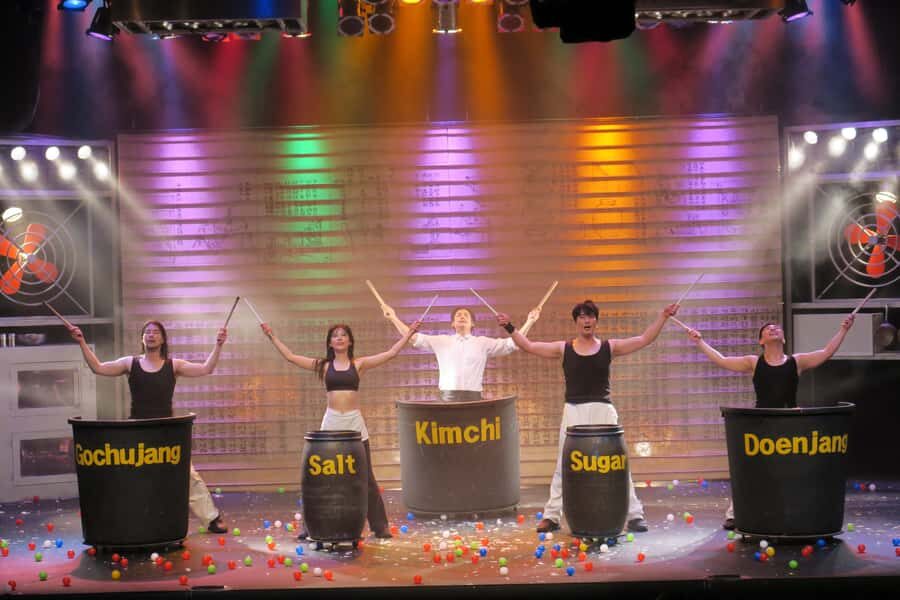
The plot is delightfully simple, which is exactly what makes it work internationally. You follow three chefs who are about to start their busy work when their ill-tempered manager gives them a mission: prepare 10 wedding ceremony menus in one hour.
That one order is the engine of the whole night. The kitchen turns into a stage where everything can go wrong—timing, coordination, ingredients, and tempers. The chefs chop, beat, stir, and improvise, and you feel the pressure build minute by minute.
Even if you miss any spoken elements, you won’t miss the structure. First there’s a routine, then a disruption, then the frantic attempt to fix it, then the payoff. It’s a classic “tight deadline comedy” setup, but expressed through action and percussion rather than dialogue-heavy writing.
Samulnori Meets Slapstick: Why the Drumming Part Sticks With You
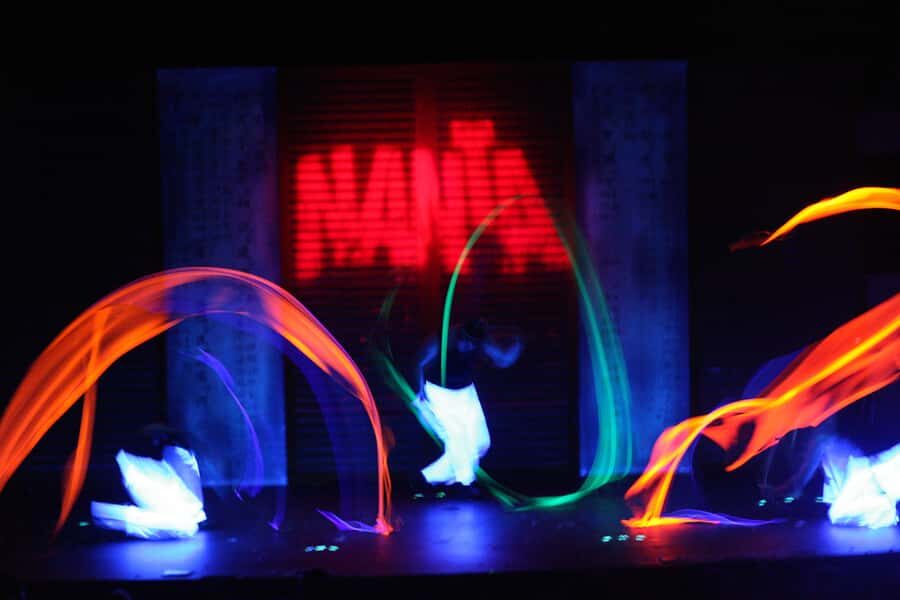
Nanta borrows from Samulnori, the traditional Korean drumming tradition, and then turns it into a high-speed theatre engine. You get rhythm that’s easy to recognize and hard to ignore. The performers are using cookware and body percussion in a way that feels both athletic and musical.
This is one of those shows where the talent isn’t just in the timing—it’s in the physical control. The sound is coming from real skill, not just noise. You’ll likely find yourself watching hands and feet the same way you watch a dance routine, because the beats land with purpose.
And yes, it’s funny. But it’s funny in a way that respects the craft. When the manager character gets involved, the show leans into the fact that everyone in that kitchen is capable—one moment you’re laughing at irritation, the next moment you’re watching expert drumming technique show through the chaos.
A helpful way to think about it: Nanta is part comedy show, part percussion performance, and part visual storytelling. When all three click together, it becomes hard to look away.
Language Support That Keeps the Audience With the Action
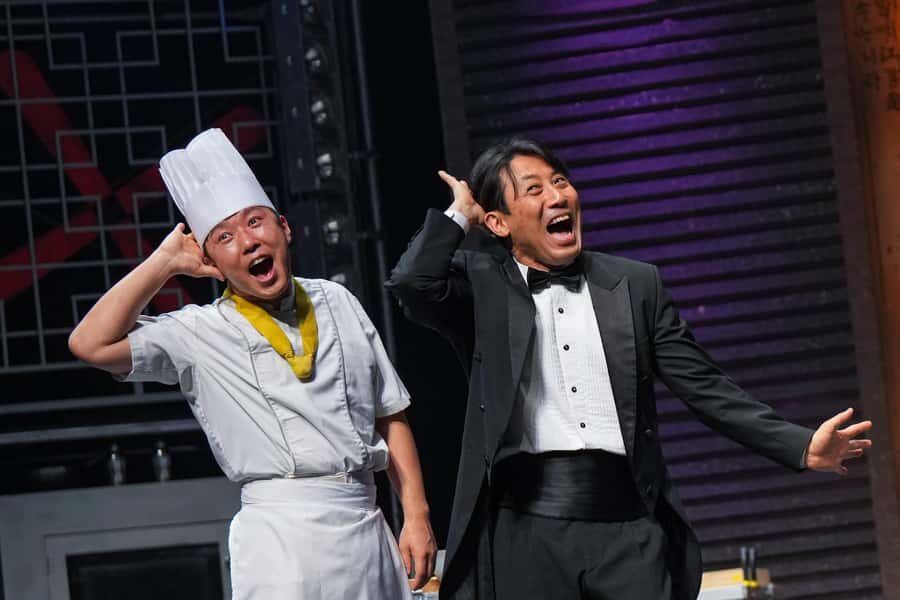
Here’s a big practical win: there’s English, Japanese, and Chinese multi-language service. In a show like this, translation support matters less for word-by-word comprehension and more for helping you catch the story’s key turns.
The performance is designed to be accessible even without language. Expect mostly physical storytelling and minimal reliance on spoken text. That’s why it’s a good choice if you’re juggling jet lag, a language barrier, or simply want a night where you don’t have to read captions the entire time.
In practice, you’ll do fine if you treat it like a visual comedy with rhythm. Listen for the pattern: the show signals when something is about to go sideways, when tension peaks, and when the next comedic beat lands.
Audience Participation: Fun, Fast, and a Little Unpredictable
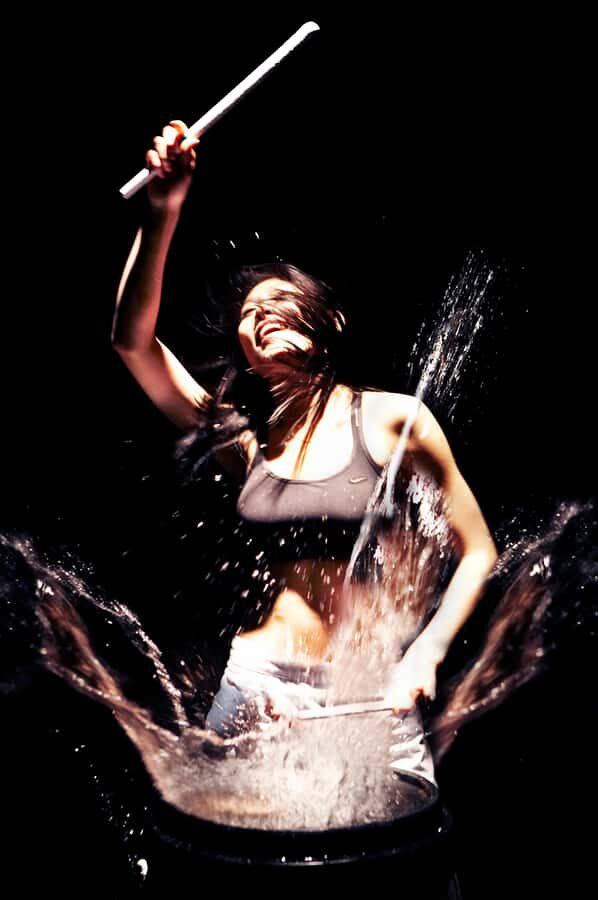
Nanta also leans into audience interaction. The room feels like it’s part of the show, not just watching from the sidelines. This is one of the most praised elements in the feedback you’ll find, and it shows up as quick participation moments where performers pull the audience into the energy.
If you like interactive theatre, you’ll probably feel a grin creeping in early. If you’d rather stay seated and quiet, don’t worry—you can still enjoy the performance fully. But you should be mentally ready for the show’s playful habit of making eye contact and inviting responses.
One practical consideration: photo and video rules can be strict. You might find that taking pictures or recording isn’t allowed during the performance. Some people also mention that if you’re chosen on stage, you may be provided with photos afterward—so don’t treat your phone as a must-have for this one.
Value for $37: When Nanta Is Worth the Ticket
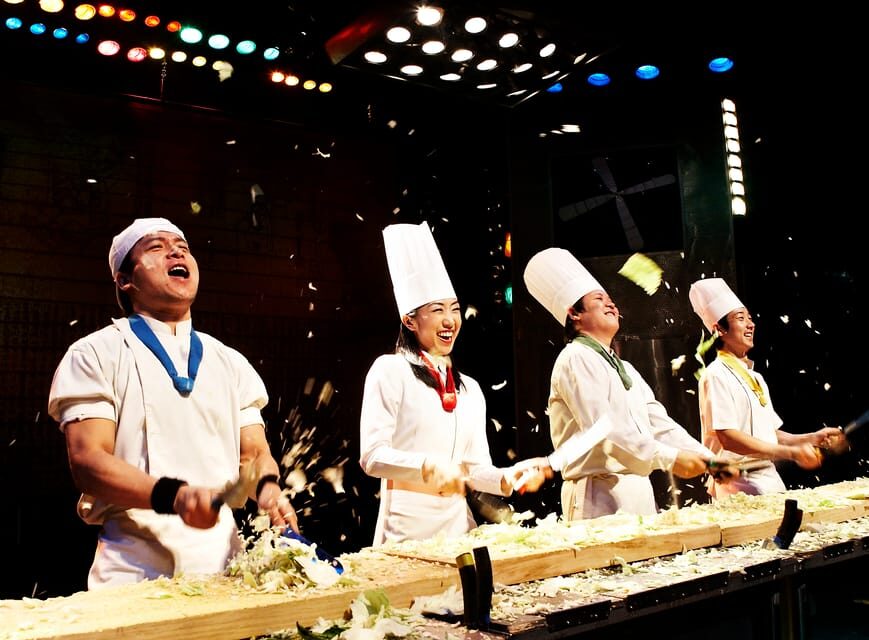
At $37 per person, Nanta isn’t the cheapest thing you’ll do in Seoul, but it’s not overpriced either. The value comes from the mix: a professional, long-running production; strong performance talent; and a format that works across languages.
You’re paying for more than entertainment. You’re paying for a whole evening’s worth of energy in about 90 minutes, with a clear, repeatable structure that doesn’t require context. In other words, you’re not gambling on whether you’ll follow the dialogue.
It’s also a great “vacation sanity” choice. You can buy a ticket, find the theatre, and let the show do the work. After a day of walking in Seoul, this is a low-effort way to get a memorable cultural performance without hours of study.
If you’re traveling with kids, this is especially practical. The humour is readable, and the action is constant. Even families that include older kids tend to enjoy how fast the show moves.
Getting the Most From Your Myeongdong Night
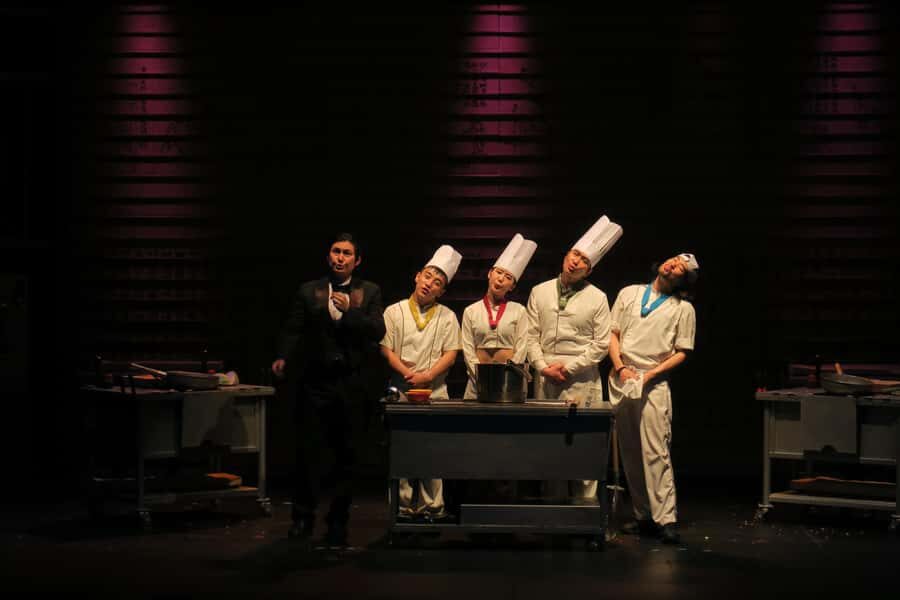
Since this show is in Myeongdong, you’ll likely pair it with food and people-watching. One of the nice things about the location is that the lively area around it makes it easy to turn the show into a full evening plan.
A good rhythm for your night:
- Arrive early enough to find the 3rd-floor entrance calmly.
- Take a moment to orient yourself before check-in and seating.
- Treat dinner as flexible: some folks enjoy grabbing something from the street food scene nearby either before or after the show.
If you’re the type who likes to plan, build your time buffer around finding the UNESCO Building entrance and the correct floor. That’s the one “logistics” issue that can genuinely affect your mood, because once you’re inside, the show is designed to pull you along.
Should You Book the Seoul Nanta Show?
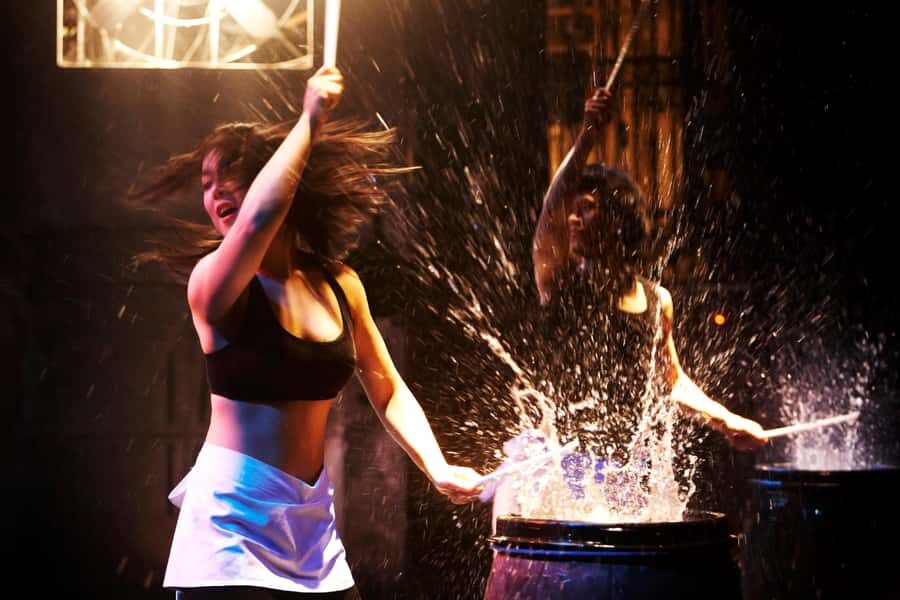
Book it if you want a fun, international-friendly performance with percussion, comedy, and minimal language stress. Nanta is a smart pick for first-time Seoul visitors, solo travellers, and families who want theatre that doesn’t feel like homework.
Skip or think twice if you dislike loud, fast-paced stage energy or if you strongly prefer dialogue-heavy shows. Also, if you’re easily thrown by confusing venues, give yourself extra time to find the Myeongdong Nanta Theatre on 3F so you don’t start your evening stressed.
If you’re choosing between a safe night out and something a little different, Nanta is one of the easiest “yes” decisions in Seoul.
FAQ
Where is the meeting point for the Myeongdong Nanta Theatre show?
The meeting point is 3F, Myeongdong Nanta Theatre, 26, Myeongdong-gil, Jung-gu, Seoul.
How long is the Nanta show?
The duration is listed as 1.5 hours.
How much is the ticket?
The price is $37 per person.
What’s included in the ticket?
Your ticket includes admission to the Nanta show at the Myeongdong Nanta Theatre.
Do I need to understand Korean to enjoy the performance?
No. The show is designed as a non-verbal performance, and it uses physical comedy and action that are accessible even without Korean.
What languages are available for help during the show?
Multi-language service is provided in English, Japanese, and Chinese.
Is the show suitable for kids?
It’s described as appropriate for all ages, but infants under 1 year old are not permitted.
Is there a group size limit?
Yes. The group is limited to 10 participants.
Can I cancel and get a refund?
Yes, free cancellation is available up to 24 hours in advance for a full refund.
Is reserve & pay later available?
Yes. You can reserve now and pay later, meaning you don’t pay today.