REVIEW · PAJU SI
DMZ Tour and North Korea Experience Hall
Book on GetYourGuide →Operated by Sunny Seoul Korea Tour · Bookable on GetYourGuide
A border topic that still feels human. I like the North Korea Experience Hall because it uses lifelike displays and daily-life items, not vague slogans. I also love the live defector Q&A plus the commemorative photo, which turns the DMZ from a postcard into a real conversation. One drawback to plan around: meals and drinks are not included.
After the hall, you head to the DMZ stops with an English-speaking guide and on-the-ground context at each viewpoint. You’ll see Imjingak Park, Freedom Bridge, and Dora Observatory, and the guide’s commentary matters because these places can look simple until someone gives you the why behind the concrete.
In This Review
- Key highlights you’ll care about
- North Korea Experience Hall: why it’s the right warm-up for the DMZ
- Inside the hall: realistic daily-life exhibits and documentary screenings
- The live defector Q&A and the special photo moment
- Imjingak Park: the context you need before you look at the views
- Freedom Bridge: what that landmark is really for
- Dora Observatory: understanding the lookout, not just the view
- The value of having an English-speaking guide on every stop
- Group size and the reality of splitting: what to expect
- Price and what you actually get for about $42
- Who should book this DMZ and North Korea Experience Hall tour
- Practical must-knows for your DMZ day (passport, photos, and no-meal planning)
- Should you book the DMZ Tour and North Korea Experience Hall?
- FAQ
- Which stops are included in the DMZ portion?
- What’s included in the $42 ticket price?
- Is lunch or any meal included?
- Do I need a passport to enter the DMZ?
- What language is the tour offered in?
- How big are the groups, and can they split?
- Who should not join this tour due to age or health limits?
- What is the cancellation policy?
Key highlights you’ll care about
- North Korea Experience Hall photo zones with replicas of home, classroom, and everyday household settings
- Documentary screenings that explain what life can look like north of the border
- Live question-and-answer with a North Korean defector, plus a special photo moment
- Imjingak, Freedom Bridge, and Dora Observatory handled with full guide commentary
- Transport included, with an English-speaking guide for a smoother, less stressful day
North Korea Experience Hall: why it’s the right warm-up for the DMZ

The DMZ can be a weird kind of visit. You show up, you look at viewpoints, you take photos, and you leave with facts. But the facts can float above the real question: what does separation mean for ordinary people?
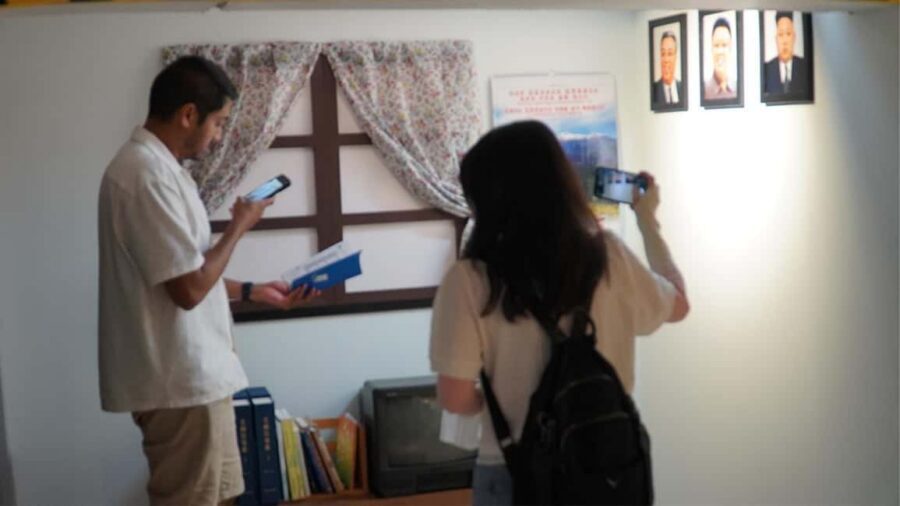
That’s where the North Korea Experience Hall earns its keep. It doesn’t just talk about politics. It presents realistic, daily-life materials and settings, including replicas you can stand in for photos. When you later visit the DMZ sites, you’re not only seeing barriers and lookout points. You’re also carrying the mental image of a classroom, a home room, and household routines that exist behind them.
I also appreciate that the hall includes a live defector session. You go beyond viewing. You get a chance to ask a human being directly. That changes the tone of everything that follows, including how you listen to explanations at the DMZ viewpoints.
The other practical win: the experience is built so you get meaning without needing deep background knowledge. Even if you only know the basics, you’ll get enough context to connect the hall’s daily-life details to the “why” behind the border landscape.
Inside the hall: realistic daily-life exhibits and documentary screenings

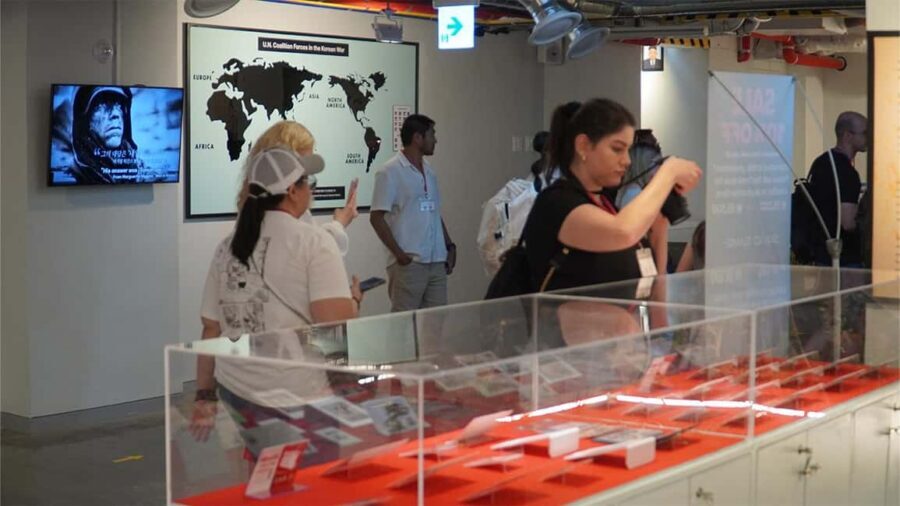
This is not a small, generic museum room. The North Korea Experience Hall focuses on realism and everyday objects. Expect photo zones with replicas of North Korean environments, including a home setting, a classroom setting, and everyday household items. These zones are designed for you to visually place yourself into a routine, even if you know the reality is far harsher than a photo can show.
The hall also includes documentary screenings. That matters because video and guided explanation help you move from “this looks like a set” to “this is a system with consequences.” You get a clearer sense of daily life, which is what makes the DMZ visit more than sightseeing.
One thing to keep in mind: photo zones can tempt you to treat the place like a normal tourist attraction. Try to slow down. Look at details. Read what’s provided. Then let the feeling carry into the Q&A, where the tone shifts from staged realism to first-person testimony.
The live defector Q&A and the special photo moment

This is the part you’re going to remember. A live Q&A with a North Korean defector is rare access, and it turns the day’s theme from information to lived experience.
Here’s why it’s valuable for you: it forces the conversation into the questions that actually matter to visitors. You can ask about daily life, what changes and what stays constant, and what it feels like to cross from one side to the other. Even if you think you already understand the DMZ topic, first-hand answers tend to correct simplified ideas fast.
The tour also includes a commemorative photo opportunity with the defector. That photo isn’t just a souvenir. It’s a reminder that this border story is tied to real identity, not only political imagery. If you’re a careful photographer, you’ll likely appreciate the chance to do a proper photo here rather than relying on distant, awkward shots at the viewpoints later.
Practical note: the tour mentions that photos taken during the tour may be used for promotional purposes. If you’re protective about your image, it’s worth thinking through that before you join.
Imjingak Park: the context you need before you look at the views
After the hall, the day shifts from inside-the-building realism to outdoor DMZ geography. Your first major stop is Imjingak Park, which is a key place for understanding what the border means for families and separation.
What makes Imjingak special on this kind of tour is the guide commentary. Without that, you can walk around scenery and miss the point. With commentary, you start seeing how memorial space and war-related context connect to the lived experiences you saw earlier in the hall.
I like this sequencing. The hall gives you daily-life references. Imjingak gives you the emotional and historical framing outside. Put together, it makes the border feel less like a line on a map and more like a continuing story.
Also, think about your energy level here. You’re doing a full-day mental workout. If you’re the type who wants to read every sign and listen to every explanation, budget time for standing still and absorbing the guide’s pacing.
Freedom Bridge: what that landmark is really for

Next up is Freedom Bridge. This stop can look straightforward from a distance, but it’s one of those places where meaning comes from what you’re told to look for.
With a guided visit, you get the full context around why this site is significant and how it relates to inter-Korean tension and the idea of movement across the border. The bridge is not just a photo platform. It’s a reminder of the hope that exists in people’s minds, and the limits that keep that hope from becoming ordinary reality.
If you’re planning your photography, treat this as a moment for perspective shots. You’ll want at least one wider frame that shows the landmark’s relationship to the surroundings, not only a close-up. A guide’s commentary helps you pick angles too, because you’ll understand what features are important for the story being told.
Dora Observatory: understanding the lookout, not just the view
Then comes Dora Observatory. This is the kind of place that invites a quick look, but you’ll enjoy it more when you understand what the observatory represents.
With expert commentary, Dora turns into a lesson in military attention and surveillance. You’re not only seeing where people can look. You’re learning how looking, from one side to the other, shapes the political and strategic logic of the border.
This stop is especially good if you like the practical side of history: how decisions are made, how observation is used, and why a specific location matters. The tone here tends to feel more analytical than emotional. It complements Imjingak well, because it adds the “how” behind the “why.”
Keep your eyes open for how the guide ties Dora back to what you saw earlier in the day. Even though the hall focused on daily life, the DMZ stops keep connecting back to the broader system that determines who can move, who can communicate, and what ordinary people face.
The value of having an English-speaking guide on every stop
On a DMZ day, you want a guide who can do two things at once: explain what you’re seeing and connect it to a coherent story.
This tour is built around that. It includes an English-speaking guide, transport, and expert commentary at the DMZ landmarks. That combination matters because the DMZ is not a museum with clear labels for everything you might wonder. You’ll have questions. The guide’s job is to give you answers before your curiosity turns into frustration.
Even better, the guide can help you time your movement so you don’t feel constantly rushed. The tour also notes that the pick-up time and itinerary may change based on on-site conditions. That’s common on border-area routes, where schedules can be affected by factors outside anyone’s control.
If you’re the type who likes structure, this tour’s format should feel comfortable. You arrive, you learn, you move, you learn again. And you end with a DMZ day that feels complete instead of scattered.
Group size and the reality of splitting: what to expect
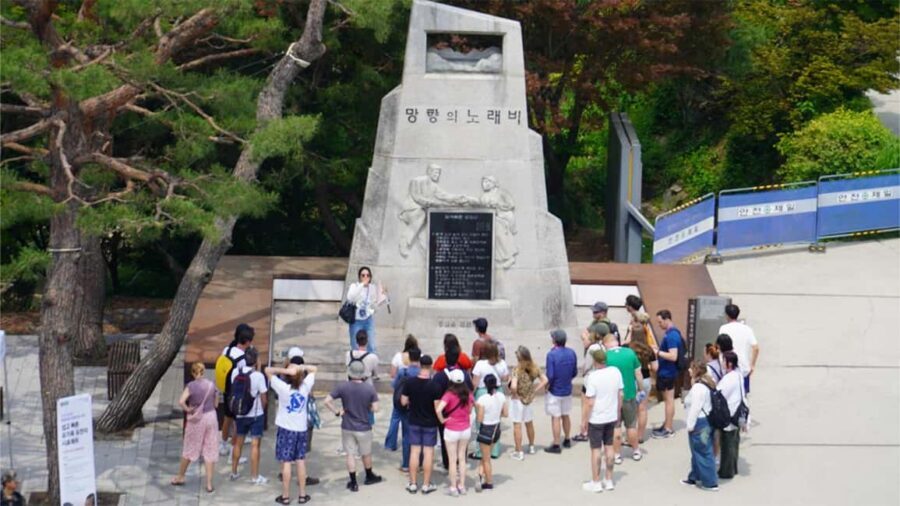
The tour runs with a maximum group size of 30 participants per session. That’s a good size for questions and listening, but there’s also a note that groups may be split, though efforts will be made to keep groups together.
So, if you’re traveling with friends and you want everyone in one continuous group, plan for the possibility that logistics could separate people slightly. It’s not a reason not to book, but it’s good to understand why your day might feel like it has small handoffs.
Also, the tour has clear rules about what’s allowed in the vehicle and indoors: no smoking in the vehicle, no smoking indoors, and no alcohol or drugs. It’s a reminder that this is treated as an official, serious outing.
Price and what you actually get for about $42

At $42 per person, this tour is priced for value rather than luxury. You’re paying for transport, a guide in English, the North Korea Experience Hall entry, and the DMZ & historic landmark route with commentary.
For me, the best value isn’t only the number of stops. It’s the pairing:
1) a hall that gives daily-life context, and
2) DMZ viewpoints that show the geographic and strategic side, and
3) a live defector Q&A that brings it back to human reality.
That combination is hard to recreate if you plan it yourself, especially if you want the day to run smoothly and not require you to stitch together multiple pieces.
One more value note: there’s a reserve & pay later option. If your plans are still flexible, you can lock in a spot without paying immediately.
Who should book this DMZ and North Korea Experience Hall tour
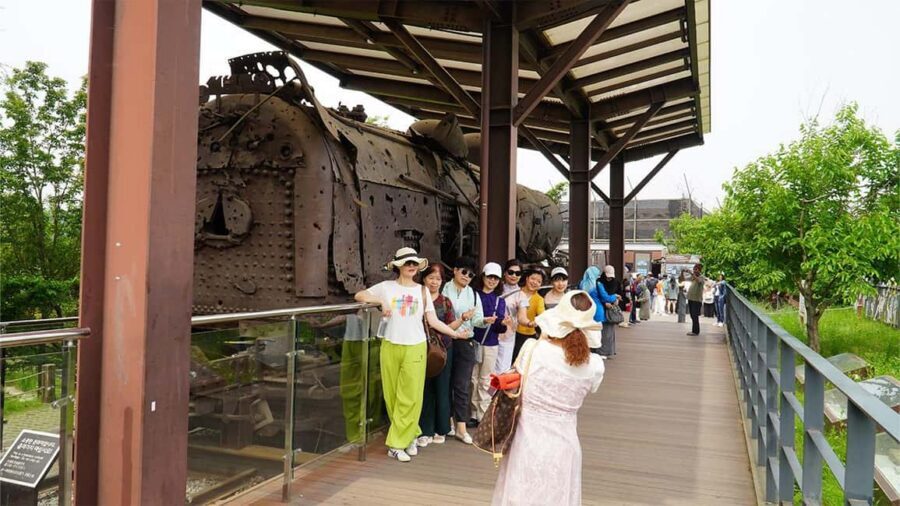
This tour fits you if you’re curious and you like answers. It’s ideal for history lovers who want context, not only photos. It’s also a strong pick for people who want to understand daily life across the border, since the hall focuses heavily on realistic, everyday items and settings.
It’s less suited if you need full mobility access. The tour data says it’s not suitable for wheelchair users and people with mobility impairments, and it also lists other health-related limits (including back problems and heart problems). It also says pregnant women should not join.
Age also matters. Children under 10 are not suitable, and participants under 14 must be accompanied by a guardian. If you’re older, note that people over 70 are listed as not suitable.
If you fall into one of these categories, don’t force it. A day like this can be tiring even for healthy people, and you want the visit to feel respectful and comfortable, not stressful.
Practical must-knows for your DMZ day (passport, photos, and no-meal planning)
A valid passport is required to enter the DMZ. Don’t treat that as advice. Treat it as a non-negotiable item. Bring your passport on the day of the tour.
Also plan around meals. Meals and drinks are not included, and that includes lunch. If you want to avoid scrambling, eat before you go and carry a simple plan for food during gaps. Since the itinerary can shift based on on-site conditions, you’ll be glad you thought ahead.
The tour concludes at Seongsu-dong. If you’re connecting to later plans, keep that in mind so you’re not surprised about where you end your day.
Finally, read the photo expectations. There’s a commemorative photo opportunity with the defector, and the tour also mentions that photos taken during the tour may be used for promotional purposes. If that matters to you, plan your comfort level accordingly.
Should you book the DMZ Tour and North Korea Experience Hall?
I think you should book this tour if you want a DMZ day that has meaning, not just distance. The North Korea Experience Hall provides daily-life context, the live defector Q&A gives you human answers, and the DMZ stops are explained so you understand what each location represents.
Skip it if you’re looking for a casual sightseeing stroll, if you can’t meet the passport requirement, or if you have mobility or health constraints listed for the tour. And if you do book, come ready to listen. The best part of the day is not the view itself. It’s what you learn to see in it.
FAQ
Which stops are included in the DMZ portion?
The tour includes visits to Imjingak Park, Freedom Bridge, and Dora Observatory, with expert guide commentary at the stops.
What’s included in the $42 ticket price?
The price includes the North Korea Experience Hall plus the DMZ and historic landmark portion, along with transport and an English-speaking guide.
Is lunch or any meal included?
No. Meals and drinks are not included in the tour package.
Do I need a passport to enter the DMZ?
Yes. A valid passport is required to enter the DMZ, and you must bring it on the day of the tour.
What language is the tour offered in?
The tour is offered in English.
How big are the groups, and can they split?
The maximum group size is 30 participants per session. Groups may be split, though the operator makes efforts to keep groups together.
Who should not join this tour due to age or health limits?
The tour data says it’s not suitable for children under 10, not suitable for pregnant women, and not suitable for people with back problems, mobility impairments, wheelchair users, heart problems, or people over 70. Participants under 14 must be accompanied by a guardian.
What is the cancellation policy?
You can cancel up to 24 hours in advance for a full refund.