REVIEW · ANDONG
Andong: UNESCO Sites, Mask Dance, and Secret Garden & Bridge
Book on GetYourGuide →Operated by K-Local Tour · Bookable on GetYourGuide
Andong can feel like a time machine. This tour strings together UNESCO-level heritage, a real-life cultural performance in Hahoe Village, and end-of-day river views from Wolyeonggyo Bridge. I like the calm focus of visiting older sacred places like Bongjeongsa Temple without rushing, and I especially like that the day includes both education (Confucian sites) and performance (mask dance). One heads-up: it’s a walking day, and you also need to plan around the mask dance schedule, since performances do not run on Mondays.
You’ll go by private van with an English/Korean live guide (Greg is a past guide name from this experience), and you’ll get a proper flow between sites instead of trying to figure things out on your own. The tradeoff is simple: it’s 8 hours, with outdoor time and photo stops, so pack for weather and bring comfortable shoes.
In This Review
- Key things I’d zero in on before you book
- Why Andong is a great day trip for UNESCO lovers
- Meeting up: private van convenience, without the hassle
- Bongjeongsa Temple: one of Korea’s oldest wooden temples
- Byeongsan Seowon: Joseon Confucian education in a calm setting
- Buyongdae Observatory: Nakdong River views that reset your brain
- Hahoe Folk Village and the mask dance: culture you can feel
- The mask dance schedule: Monday is different
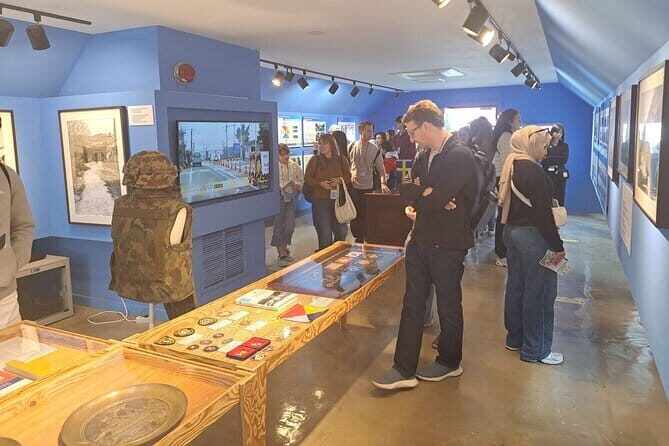
- Beyond the show: key village buildings and the mask museum
- Seonyu Jullbul play: nobles, added reservations, and extra cost
- The UNESCO layer you might not expect: Hwachun Seowon and Okyeonjeongsa
- Nakgangmulgil Park and the reason Wolyeonggyo Bridge hits harder at night
- Food and pacing: a day with guided time plus breathing room
- Price and value: $401 for up to 5 people
- Who this tour suits best (and who should think twice)
- Should you book this Andong UNESCO and mask dance tour?
- FAQ
- How long is the Andong UNESCO, mask dance, and Wolyeonggyo Bridge tour?
- What major stops are included?
- Is there a mask dance performance on Mondays?
- Are there English and Korean guides?
- Is this tour private?
- Where is pickup included?
- What should I bring?
- Is Wolyeonggyo Bridge guaranteed?
- Is traditional lunch included?
- Is it suitable for young children or mobility needs?
- Is free cancellation available?
Key things I’d zero in on before you book
- Old wooden temple first: start at Bongjeongsa for that quiet, historic feel.
- Confucian Joseon focus: Byeongsan Seowon is more than a photo stop.
- Hahoe mask dance timing matters: no Monday performances.
- More than the main show: Hahoe Folk Village includes key buildings and a mask museum.
- River views with a story: Wolyeonggyo Bridge is tied to the love of Woni’s mother.
- Worth it for small groups: up to 5 people share the cost of transport and guidance.
Why Andong is a great day trip for UNESCO lovers
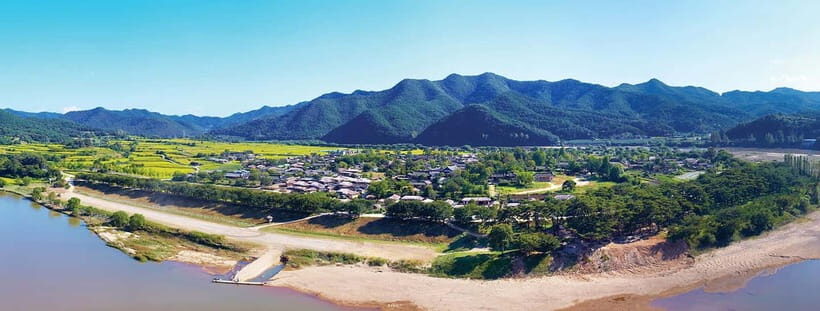
Andong is one of those Korean cities where culture isn’t just something you watch from the outside. It’s built into the physical places: old wooden temple architecture, Confucian learning halls, and village spaces designed for community ritual and storytelling.
This tour is designed to move you through that whole chain. You start with Buddhist heritage at Bongjeongsa, shift into Joseon-era Confucian education at Byeongsan Seowon, then end with a night-view style experience at Wolyeonggyo Bridge. If you like your travel days to have rhythm, not just checkboxes, the pacing here is a good match.
The other thing I like is the balance between “quiet meaning” and “loud performance.” Temple and academy time helps you slow down. Then the Hahoe mask dance gives you movement, music, and the feel of communal tradition.
Meeting up: private van convenience, without the hassle
Pickup is included, and it’s handled in a way that’s meant to reduce stress. If you’re coming from Seoul, Busan, or Daegu, the guide will meet you with a yellow hand-shaped sign at the Andong train station or bus terminal, and also at nearby hotel lobbies. The experience provider notes that you can recognize each other before meeting through WhatsApp, which is a small detail but a real help when you’re tired from earlier travel.
Because this is a private group (up to 5), you’re not stuck in a large tour crowd. You can also ask questions and get explanations that fit your pace. Based on guide feedback from prior bookings, Greg has been praised for organization and attention to small needs like having water on hand, which matters on a day with multiple outdoor stops.
Bongjeongsa Temple: one of Korea’s oldest wooden temples
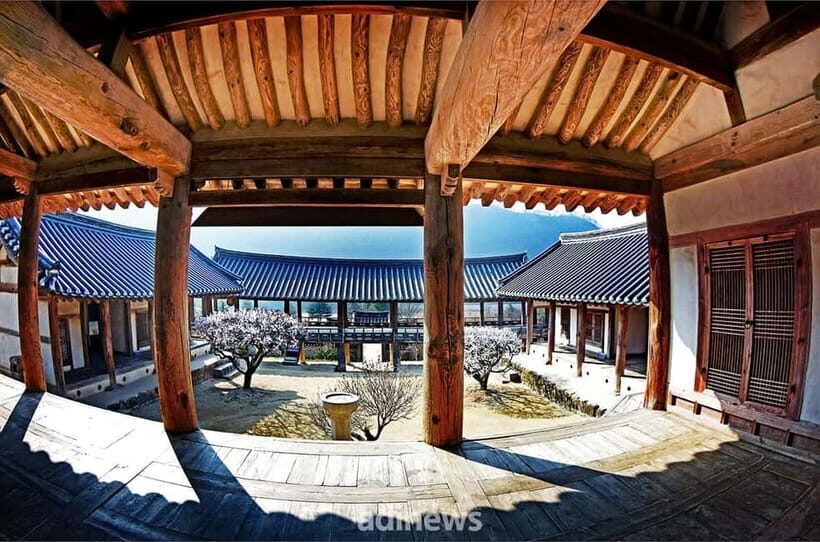
Bongjeongsa Temple is where the day starts, and it’s a smart opening move. You’re not immediately dropped into a busy market or a performance space. Instead, you begin with the kind of place where architecture and atmosphere do most of the work.
At Bongjeongsa, expect guided viewing of the temple grounds and its historic wooden structures. You’ll also get time for photos, a short walk, and a general orientation so you know what you’re looking at. This stop works well even if you’re not a “temple person,” because the temple’s age and building style are visually distinctive, and the surrounding area gives you that calm break from city life.
Practical note: this portion is outdoors and you will walk a bit. Bring water and plan for sun or rain, depending on the day.
Byeongsan Seowon: Joseon Confucian education in a calm setting
Next up is Byeongsan Seowon, a historic Confucian academy from the Joseon Dynasty. This is the part of the tour that helps you connect the dots between values and places. You’re not just looking at buildings; you’re learning why these learning centers mattered.
Your guide will explain how Byeongsan Seowon functioned as a center for Confucian education, with an emphasis on scholarship and morality. You’ll also have time for photo stops and guided touring around historical artifacts and monuments in the area.
What I like here is that this stop is built for understanding. The setting is natural and quiet, which makes it easier to absorb the meaning behind the academy instead of rushing through it like a museum.
One consideration: this is still a walking stop. Comfortable shoes pay off again.
Buyongdae Observatory: Nakdong River views that reset your brain
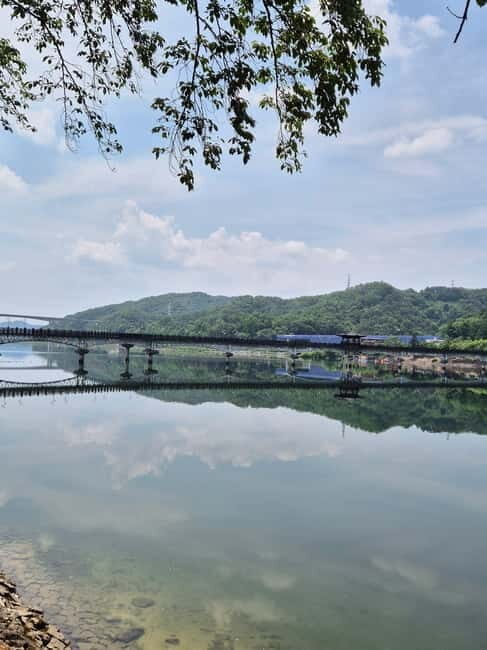
After the academy, you’ll head to Buyongdae Observatory for viewpoint time. This isn’t a long technical hike. It’s more like a breather that also happens to be scenic.
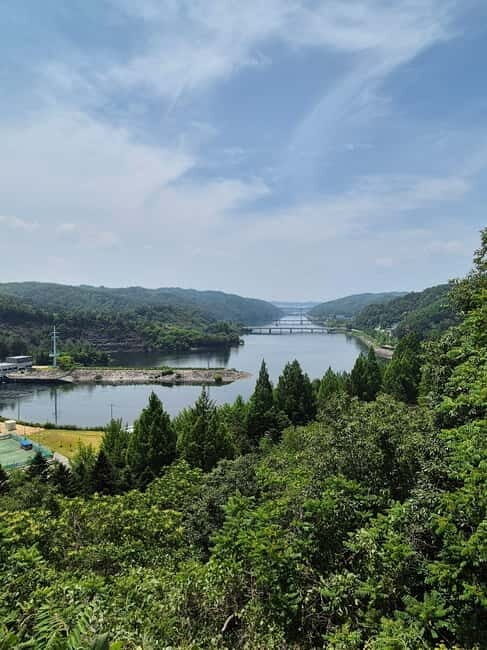
From Buyongdae, you get expansive views overlooking the Nakdong River and surrounding areas. You’ll have a mix of guided commentary, a chance to stretch and take photos, and enough free time to actually look without feeling herded.
If you’ve had a day of culture stops, this is where you regain your sense of place. And if you’re traveling with someone who isn’t into deep history, this viewpoint usually lands well because the scenery does the work.
Hahoe Folk Village and the mask dance: culture you can feel
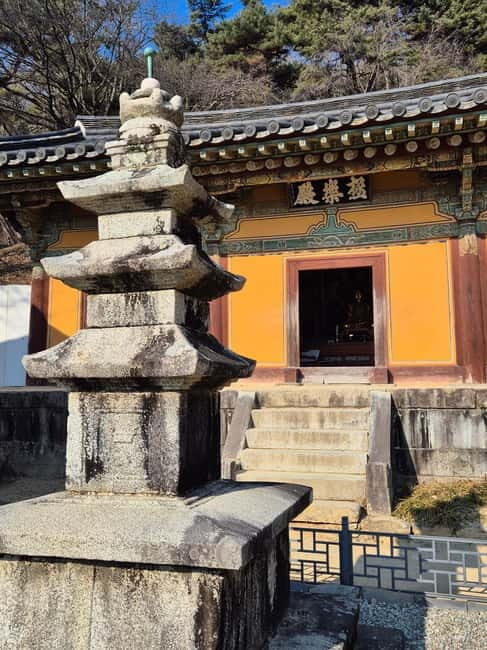
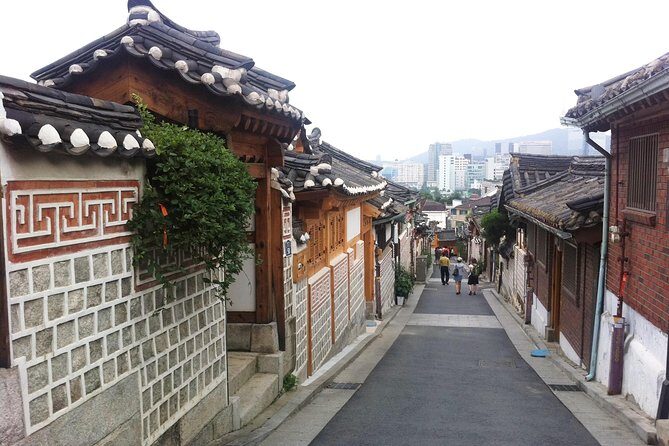
This is the main event day content. You’ll go to Andong Hahoe Folk Village, where you get both a performance and a guided village walkthrough.
The mask dance schedule: Monday is different
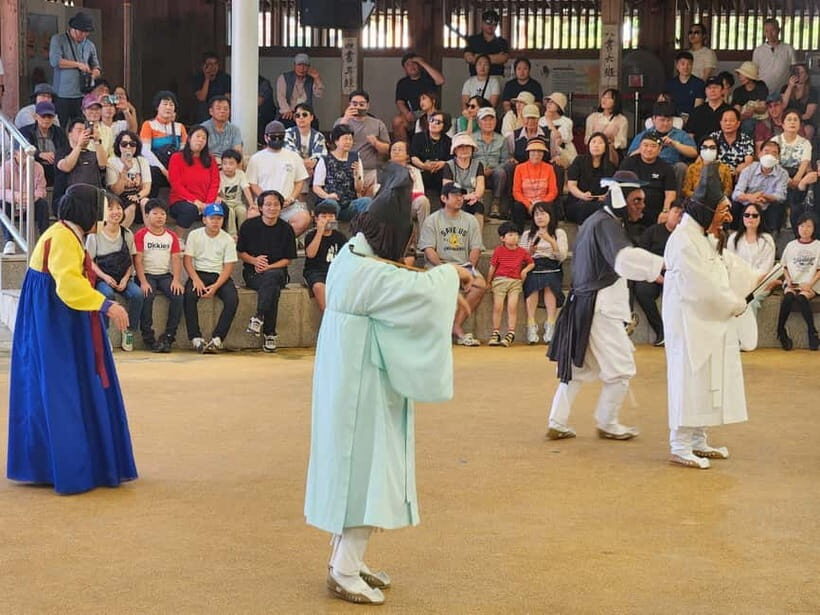
Here’s the big planning detail: there is no mask dance performance on Mondays. Mask dance performances take place daily otherwise, except Monday. That means if your dates fall on Monday, you may still tour the village, but the performance part won’t happen.
The tour includes Hahoe Byeolsin Gut Talnori, a mask dance rooted in shamanistic beliefs from Hahoe Village. Expect dancers with elaborate masks performing to traditional music. It’s set up so you can understand the cultural meaning, not just watch the spectacle.
Beyond the show: key village buildings and the mask museum
After the performance, you’ll explore Hahoe Folk Village with guided touring and free time. Your village route includes named places such as Yangjindang, Chungyodang, Mansongjeong, and the World Mask Museum.
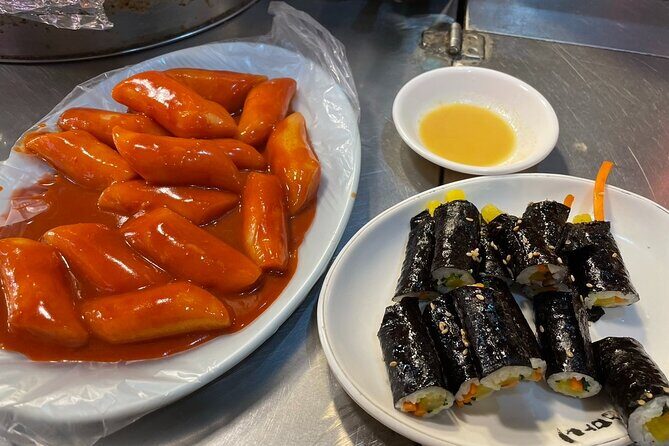
This is where the day becomes more than one performance. You can connect what you saw in the mask dance to the built environment and communal spaces around it. It also gives you time to browse and snack, since street food and local treats are part of the experience.
Seonyu Jullbul play: nobles, added reservations, and extra cost
There’s also mention of Seonyu Jullbul, a play associated with the noble class. It’s noted as very popular and can have special scheduling—events have been held every other Saturday from summer to fall starting in 2025.
Important: since Seonyu Jullbul runs late into the evening, if you want to see it, you should reserve in advance and pay an additional fee. Also, the tour notes that the mask dance runs late in the evening, so you need to think about timing if you want this extra performance.
The UNESCO layer you might not expect: Hwachun Seowon and Okyeonjeongsa
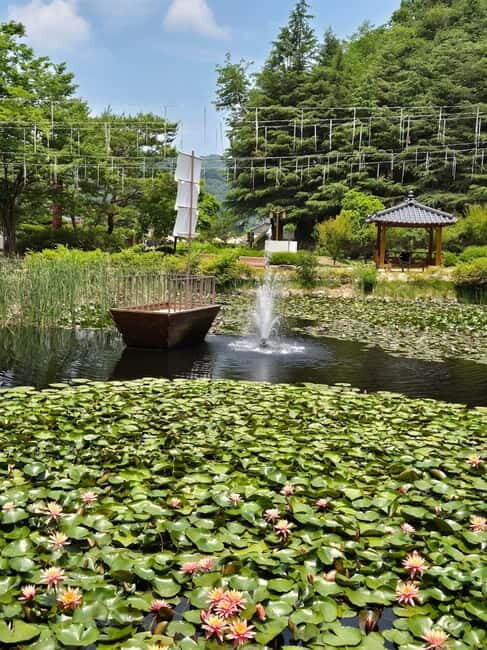
To round out the heritage story, the experience includes visits to historical sites associated with learning and legacy, including Hwachun Seowon and Okyeonjeongsa. You’ll hear about the connection to the famous Jingbirok, a text linked to Okyeonjeongsa.
This part is valuable if you like your UNESCO days to feel like a narrative, not a list. The Confucian academy stop gives you one side of intellectual tradition. These additional sites extend that theme and help you see how learning and documentation shaped local identity.
Note: the exact time spent at these additional heritage stops isn’t spelled out as a separate timed block in the info you have, but they’re included as part of the overall UNESCO heritage portion.
Nakgangmulgil Park and the reason Wolyeonggyo Bridge hits harder at night
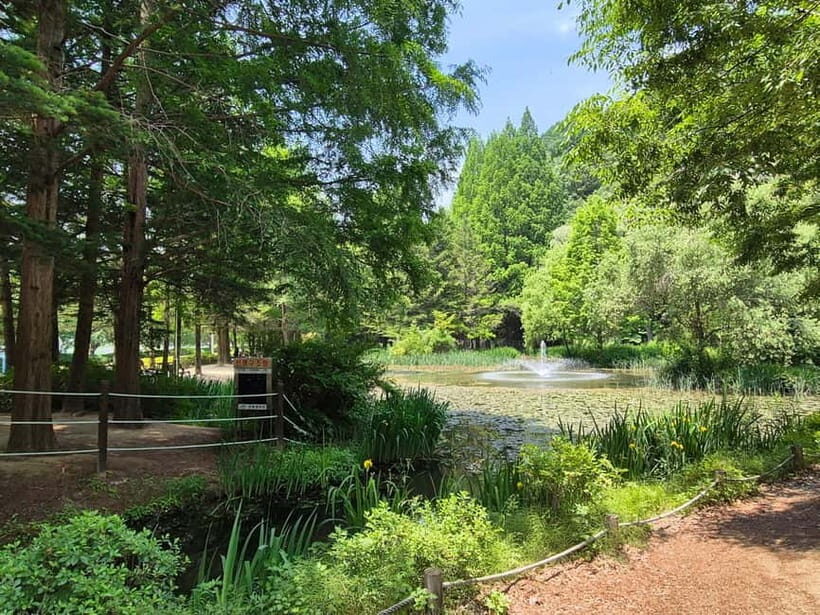
After you finish the heritage component, you’ll have time for Nakgangmulgil Park and the night view goal.
The tour highlights Wolyeonggyo Bridge as a signature end-of-day experience. It’s famous for night views, and you also get meaningful context: the bridge was built to commemorate the love of Woni’s mother. That story element changes the feel of the stop. Instead of simply admiring lights, you’re also noticing how local legend got turned into a landmark.
The tour plan also notes that the visit to Wolyeonggyo Bridge is included if it’s possible, and that you may need to handle timing carefully. There’s an explicit caution that you cannot stay late into the evening, so if you want the most overtime-friendly experience for dinner or longer viewing, you should reserve in advance.
In other words: if nighttime views are a top reason you booked this, plan your day so you’re ready to roll with the schedule once you arrive.
Food and pacing: a day with guided time plus breathing room
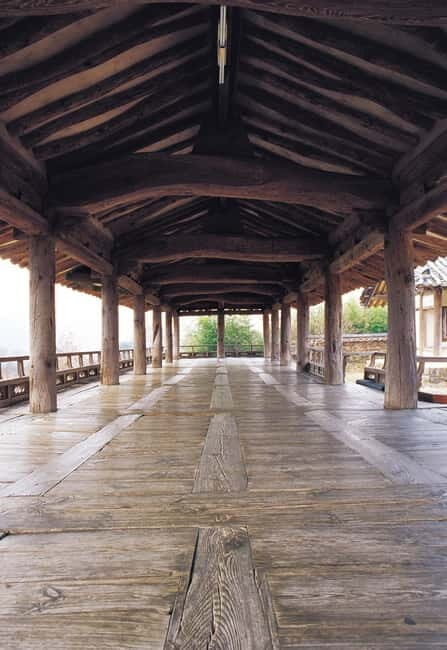
You’ll have a traditional Korean lunch included. That’s an important value point here, because it saves you from hunting for a place in between remote stops.
You’ll also have snack time and local food opportunities around Hahoe Folk Village and near Wolyeonggyo Bridge (the plan includes dinner and food tasting as part of the bridge-area experience). In practice, I treat this as a day where you should eat smart: lunch is the anchor, and then you sample after.
Pacing-wise, you’re moving by van between each main stop, with walking and photo time built into the schedule. The guide also does a safety briefing, which matters because some viewpoints and pathways can be slippery in rain or harsh with sun.
What to bring is simple and non-negotiable: comfortable shoes, camera, sunscreen, and water.
Price and value: $401 for up to 5 people
At $401 per group up to 5, this isn’t priced like a budget bus tour. But it also isn’t priced like a private charter with no structure. Your money is paying for a coherent day: transport by van, an English/Korean live guide, multiple heritage site visits, a performance component, and skip-the-ticket-line help.
Where the value tends to show:
- You’re not coordinating transport between scattered cultural sites on your own.
- You’re getting guided context at multiple stops, not just audio-guide style sightseeing.
- You’re adding a cultural performance experience tied to a specific tradition and schedule.
If you’re traveling as a couple or small family, it can be a strong deal versus renting a car and dealing with parking plus separate ticket lines and interpretation. If you’re traveling solo, it’s still worth considering because the private-group format keeps your day from feeling chaotic.
Who this tour suits best (and who should think twice)
This tour is a great fit if you:
- Want a single day that covers temple + Confucian academy + Hahoe village + night views
- Care about cultural context, not just sightseeing photos
- Prefer private guidance in English or Korean
It may not fit if you:
- Need step-free access throughout the day. The info says it’s not suitable for people with mobility impairments.
- Travel with small kids. It’s not suitable for children under 5.
- Are only interested in a quick hit, since it’s an 8-hour schedule with walking and outdoor time.
Also, if you’re set on seeing the mask dance, double-check your calendar because Monday has no mask dance performance.
Should you book this Andong UNESCO and mask dance tour?
Book it if your Andong goal includes both the UNESCO-type “why it matters” side and the human, performance-based “how it feels” side. The biggest selling points are the mix of historic sites and the Hahoe experience, plus the fact that you’re doing it as a private group with a live guide who’s been praised for professionalism and practical details like water and organization.
Think twice if you’re traveling on a Monday and you only booked for the performance. You’ll still get Hahoe Folk Village touring, but the signature mask dance timing won’t match your expectations.
If night views are your priority, be ready to work with the schedule. The tour can’t linger late, so plan for a focused finish at Wolyeonggyo Bridge rather than an all-night wander.
FAQ
How long is the Andong UNESCO, mask dance, and Wolyeonggyo Bridge tour?
The duration is 8 hours.
What major stops are included?
Included visits cover Bongjeongsa Temple, Byeongsan Seowon, Buyongdae, Hahoe Folk Village with the Hahoe Byeolsin Gut Talnori mask dance performance, and Wolyeonggyo Bridge if it’s possible.
Is there a mask dance performance on Mondays?
No. The mask dance performance does not run on Mondays.
Are there English and Korean guides?
Yes, the live tour guide is available in English and Korean.
Is this tour private?
Yes. It is a private group.
Where is pickup included?
Pickup is included, with meeting points at the Andong train station or bus terminal (for arrivals from Seoul, Busan, and Daegu) and nearby hotel lobbies. The guide uses a yellow hand-shaped sign and you can recognize each other via WhatsApp.
What should I bring?
Bring comfortable shoes, a camera, sunscreen, and water.
Is Wolyeonggyo Bridge guaranteed?
It’s included if it’s possible, according to the tour plan timing.
Is traditional lunch included?
Yes. The tour includes a traditional Korean lunch.
Is it suitable for young children or mobility needs?
It is not suitable for children under 5 and it is not suitable for people with mobility impairments.
Is free cancellation available?
Yes, you can cancel up to 24 hours in advance for a full refund.